If you’ve ever seen the 4WD badge on a Jeep Compass, you may wonder what it really means. Many people think 4WD is just for off-road adventures, but it’s much more.
Understanding this feature can help you make smarter decisions about driving, safety, and even buying a Jeep Compass. Let’s explore what 4WD means, how it works in this model, and why it matters for everyday driving.
What Is 4wd On A Jeep Compass?
4WD stands for four-wheel drive. In simple terms, it means the Jeep Compass can send power to all four wheels at the same time. This is different from most cars, which usually send power only to the front or rear wheels. With 4WD, you get better grip and control, especially on slippery roads or rough terrain.
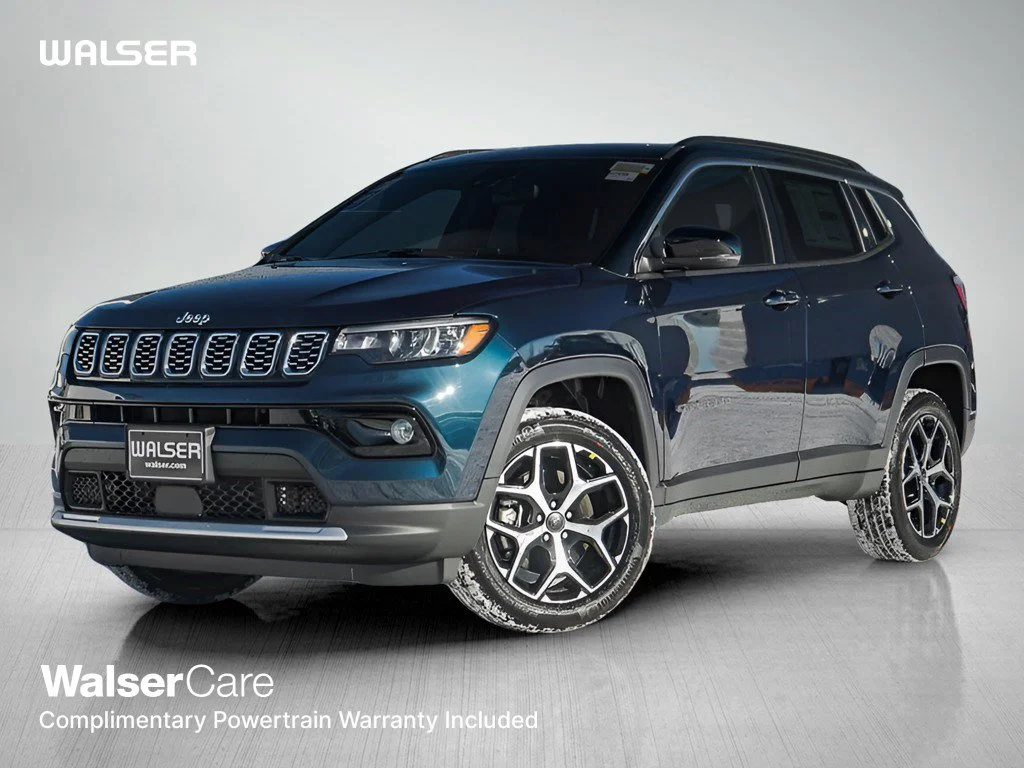
The Jeep Compass doesn’t have a traditional 4WD like old trucks. Instead, it uses an advanced system called Active Drive. This system decides when to use 4WD automatically. You don’t have to push any buttons or pull any levers. The car’s computer senses when you need extra help, like in snow, mud, or sand, and switches to 4WD as needed.
How Does Jeep Compass 4wd Work?
The Active Drive system is smart. It uses sensors to detect wheel slip or loss of traction. When the wheels start to spin, the system sends power to the wheels that need it most. This helps you keep control, even in bad weather or off-road situations.
Here’s a simple breakdown of how the system works:
- Normal Driving: Power goes to the front wheels only. This saves fuel.
- Slippery Conditions: The system senses slipping. It sends power to the rear wheels, making it 4WD.
- Off-Road Mode: You can select a special mode for snow, mud, or sand. The system adjusts to give the best performance.
Below is a comparison of the Jeep Compass Active Drive system and traditional 4WD:
| Feature | Jeep Compass Active Drive | Traditional 4WD |
|---|---|---|
| Operation | Automatic | Manual |
| Fuel Efficiency | Higher | Lower |
| Ease of Use | Easy | Requires driver input |
| Off-Road Ability | Good for light trails | Excellent for tough terrain |
Benefits Of 4wd In The Jeep Compass
The 4WD feature in the Jeep Compass offers several advantages:
- Better Traction: Power goes to all four wheels, reducing the chance of getting stuck in mud or snow.
- Improved Safety: Helps prevent slipping on wet or icy roads.
- Versatility: Useful for both city driving and light off-roading.
- Automatic Activation: You don’t need to worry about when to use it—the car decides for you.
According to the National Highway Traffic Safety Administration, vehicles with 4WD have a lower risk of accidents in winter conditions. This is one reason why many drivers prefer 4WD in places with harsh weather.
Real-world Examples
Let’s look at how 4WD in the Jeep Compass helps in different situations:
- Winter Driving: Imagine you’re driving on a snowy road. The system senses slipping and activates 4WD, helping you stay in control.
- Mud and Sand: If you go camping or visit the beach, the 4WD system helps you drive over soft surfaces without getting stuck.
- Rainy Days: On wet roads, the extra grip from 4WD reduces the risk of losing control.
Here’s a data comparison between front-wheel drive (FWD) and four-wheel drive (4WD) Jeep Compass models:
| Model | Fuel Economy (mpg) | 0-60 mph Time (sec) | Traction |
|---|---|---|---|
| FWD Compass | 31 | 9.5 | Standard |
| 4WD Compass | 29 | 9.7 | Enhanced |
Non-obvious tip: Some drivers don’t realize that 4WD helps most when moving, not stopping. It won’t shorten your braking distance on ice—so always drive carefully.
Is 4wd Always On?
One common question is whether 4WD is always active. In the Jeep Compass, it’s not. Most of the time, the car uses front-wheel drive to save fuel. The system only activates 4WD when needed. This is called on-demand 4WD.
Another insight: If you drive mostly in cities or highways, you might not notice 4WD working. But it’s always ready to help when conditions change. This silent help is a big advantage over manual systems.
Comparing Jeep Compass To Other Suvs
How does the Jeep Compass 4WD compare to other compact SUVs? Let’s look at a quick comparison:
| SUV | 4WD/AWD System | Automatic? | Best for |
|---|---|---|---|
| Jeep Compass | Active Drive 4WD | Yes | Light off-road & snow |
| Toyota RAV4 | AWD | Yes | City & light trails |
| Honda CR-V | AWD | Yes | Urban & rain |
AWD (all-wheel drive) is similar to 4WD, but often less focused on off-road performance. The Jeep Compass stands out for its off-road modes and rugged design.

Common Mistakes And Buyer Tips
Many people think 4WD means you can drive anywhere. This isn’t true. While 4WD helps, it doesn’t make your Jeep Compass invincible. Here are mistakes to avoid:
- Ignoring road conditions: 4WD helps with traction but not with braking.
- Overestimating abilities: Don’t try extreme off-roading—Compass is built for light trails.
- Not checking tires: Good tires matter more than 4WD on slippery roads.
When choosing a Jeep Compass, consider:
- If you live in snowy or rainy areas, 4WD is a smart choice.
- If you drive mostly on dry, paved roads, FWD might save you money.
- Always test drive both versions to feel the difference.
For more technical details, visit the official Jeep Compass site.
Frequently Asked Questions
What Does 4wd Mean For Everyday Driving?
4WD means better grip and safety on slippery or uneven roads. Most of the time, the system stays off to save fuel, but it activates automatically when you need it.
Is 4wd The Same As Awd?
No. 4WD is designed for tougher conditions and usually includes off-road modes. AWD (all-wheel drive) is more for everyday use and is often less rugged.
Can I Turn 4wd On Or Off Myself?
In the Jeep Compass, you cannot manually switch 4WD on or off. The system works automatically, deciding when to activate based on road conditions.
Does 4wd Improve Fuel Economy?
Not directly. 4WD systems use more energy, so fuel economy drops slightly when active. But the Jeep Compass uses on-demand 4WD to minimize this effect.
Is 4wd Worth It If I Live In A Warm Climate?
If you rarely face rain, snow, or rough roads, 4WD may not be necessary. For regular city driving in dry climates, FWD is usually enough.
With its smart 4WD system, the Jeep Compass gives drivers confidence and flexibility for many road conditions. Understanding how this feature works helps you make the most of your vehicle—and avoid common mistakes. If you want both comfort and capability, the Compass delivers a strong balance.