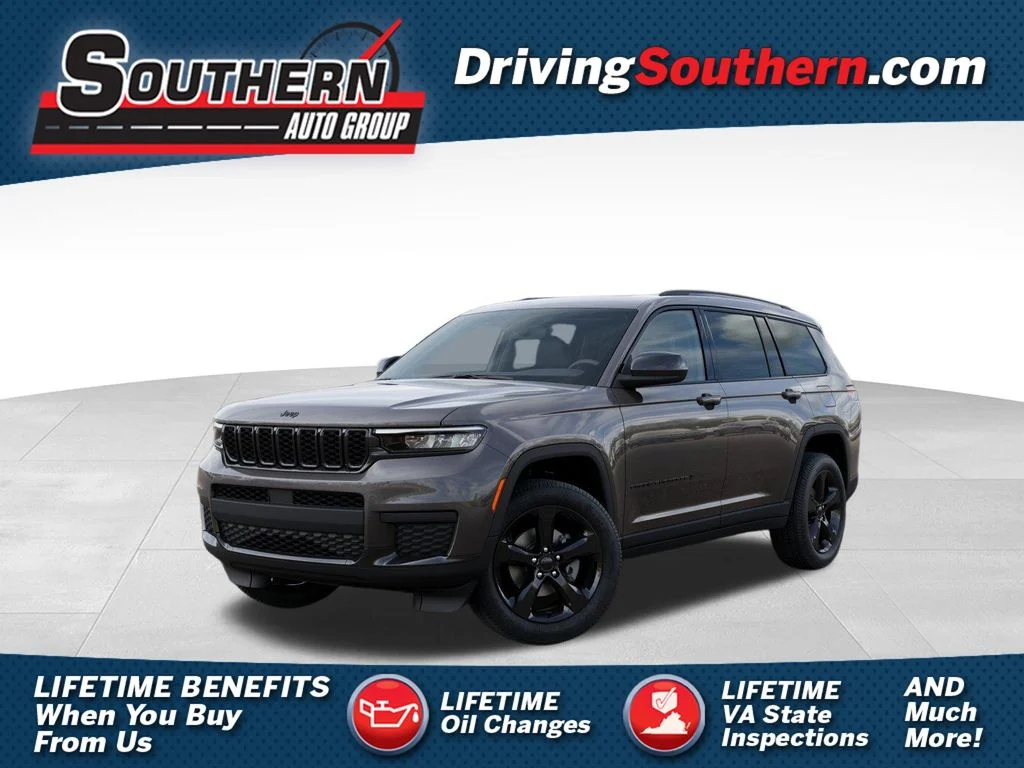
When you’re driving a Jeep Grand Cherokee, you might see a button or knob labeled 4WD Low. At first, this can be confusing—especially if you’re new to four-wheel drive vehicles.
But knowing what 4WD Low means, when to use it, and how it works is important for both safety and performance. This guide will break down the meaning of 4WD Low in simple terms, explain how it’s different from other drive modes, and help you get the most out of your Jeep Grand Cherokee.
What Does 4wd Low Mean?
4WD Low stands for Four-Wheel Drive Low Range. It’s a setting that gives your Jeep Grand Cherokee more torque but less speed. When you switch to 4WD Low, the vehicle’s transfer case changes the gear ratio. This makes each wheel turn more slowly but with much more power. It’s like riding a bike in a low gear—you go slower, but it’s easier to climb a hill.
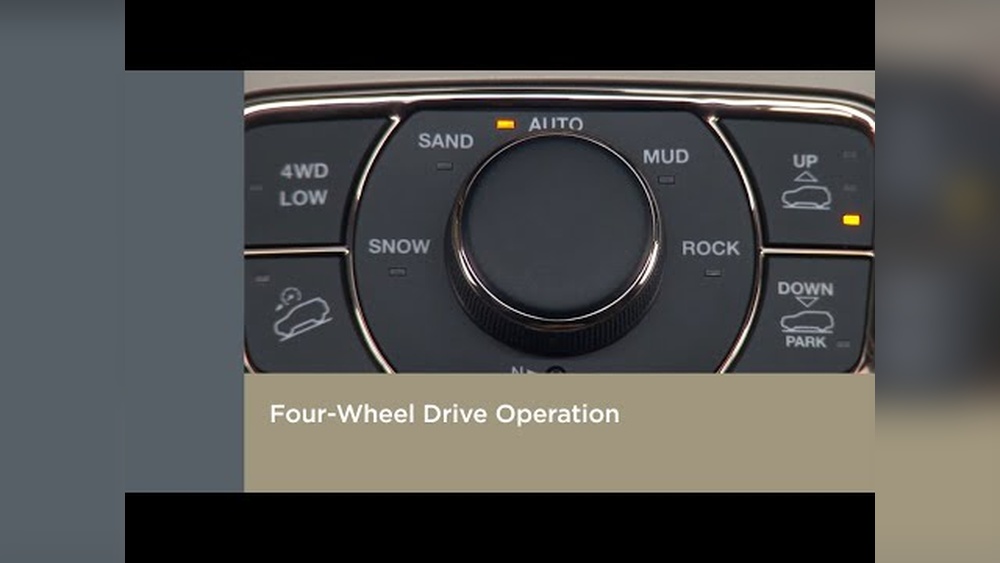
This mode is not for normal roads or highway driving. Instead, it’s made for:
- Steep hills
- Deep mud or snow
- Rocky terrain
- Sand or loose gravel
If you use 4WD Low correctly, your Jeep becomes a true off-road machine. But using it at the wrong time can damage your vehicle.
How 4wd Low Differs From 4wd High
Many Jeep Grand Cherokees also have a 4WD High mode. It’s easy to mix up the two, but they serve different purposes.
| Feature | 4WD High | 4WD Low |
|---|---|---|
| Speed Range | Up to highway speeds | Very slow (usually under 25 mph) |
| Torque | Normal | Much higher |
| Best For | Rain, light snow, dirt roads | Deep mud, rocks, steep climbs |
| How to Engage | Can switch while moving | Must be stopped or moving very slowly |
A common beginner mistake is using 4WD Low on paved roads or at high speeds. This can cause drivetrain damage and make steering difficult.
When And How To Use 4wd Low In Your Jeep Grand Cherokee
You only need 4WD Low in extreme situations where you need maximum power and control. Examples include:
- Climbing a steep, rocky hill.
- Pulling a heavy load up a slope.
- Driving through deep sand or thick mud.
- Getting out of a ditch or off a snowy trail.
Steps To Engage 4wd Low
- Stop your Jeep completely or roll at a very low speed (under 3 mph).
- Shift the transmission to Neutral (N). This is required so the gears can change safely.
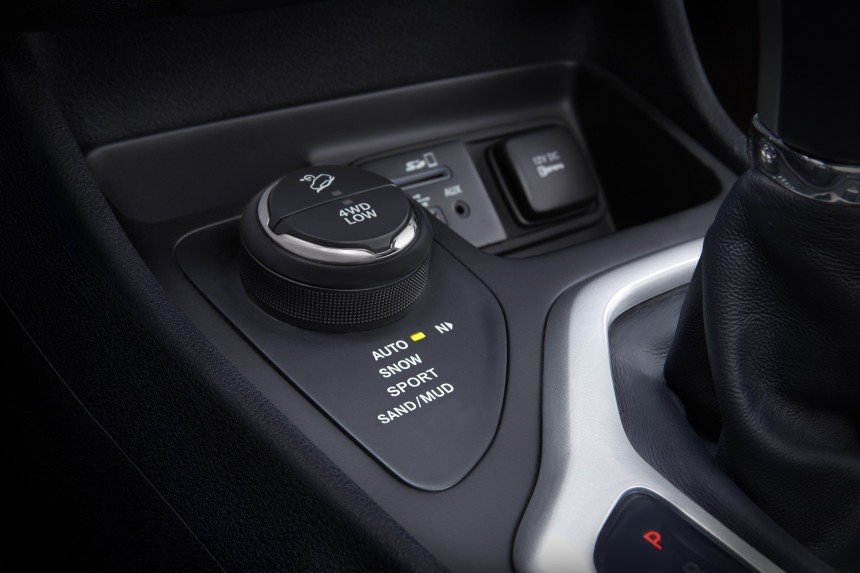
- Turn the 4WD control knob or lever to the “4WD Low” position.
- Wait for the indicator light on your dashboard to confirm 4WD Low is engaged.
- Shift back to Drive (D) or Reverse (R) and proceed slowly.
Switch back to 2WD or 4WD High as soon as you’re on easier ground. Leaving the system in 4WD Low on regular roads wastes gas and wears out parts.
Key Benefits Of 4wd Low
The 4WD Low mode gives you several important advantages when you need them most.
| Benefit | Explanation |
|---|---|
| Maximum Torque | Moves the vehicle even in deep mud or on rocks. |
| Better Control | Helps you crawl over obstacles at very slow speeds. |
| Safe Hill Descents | Engine braking slows you down without riding the brakes. |
| Improved Towing | Useful for pulling boats or trailers out of tough spots. |
Many beginners miss that 4WD Low is not about speed—it’s about traction and control. Trying to go fast in this mode is risky and can harm your vehicle.
Common Misunderstandings And Tips
A lot of Jeep owners are unsure when to use 4WD Low. Here are some things to remember:
- Not for Daily Driving: Using it on dry pavement increases wear and can cause difficult steering.
- Don’t Force the Lever: If it won’t shift, stop the vehicle fully and try again gently.
- Use in Short Bursts: Only use 4WD Low as long as needed, then switch back.
- Understand Your Model: Some Grand Cherokees have automatic systems that decide when 4WD Low is needed, but most still require manual selection.
One non-obvious tip: After using 4WD Low in mud or water, inspect under your Jeep for stuck debris and check for leaks. Staying proactive will extend your 4WD system’s life.
How 4wd Low Impacts Fuel Economy And Maintenance
Using 4WD Low increases engine power and wheel resistance, which means:
- Lower fuel efficiency (expect 20–30% more fuel use when in this mode)
- Faster wear on transfer case parts and tires if used incorrectly
Always return to regular drive mode when you’re done. For more technical advice, the Jeep Official Owner Site offers updated guides and videos.
Safety Precautions
Before using 4WD Low, remember:
- Don’t exceed 25 mph—the system is not made for speed.
- Keep both hands on the wheel on rough terrain.
- Avoid sharp turns at low speed to prevent drivetrain binding.
- Listen for unusual noises—a grinding sound means you should stop and check the system.
These small steps can save you from expensive repairs or even a dangerous situation.
Frequently Asked Questions
What Happens If I Use 4wd Low On Pavement?
You risk damaging the drivetrain and transfer case. Steering becomes stiff, and tires wear out quickly.
Use 4WD Low only on loose, uneven, or slippery surfaces.
Can I Shift Into 4wd Low While Moving?
You must stop or be nearly stopped (under 3 mph). Shifting at higher speeds can damage gears and make the system fail.
Is 4wd Low The Same As Locking The Differentials?
No. 4WD Low changes the gear ratio for all wheels but does not lock the axles.
Some Grand Cherokees have separate differential lock features for extreme situations.
Does Every Jeep Grand Cherokee Have 4wd Low?
Not all. Base models with two-wheel drive do not have this feature.
Most Trailhawk, Overland, and Limited trims with the Quadra-Trac II or Quadra-Drive II systems do.
How Do I Know If 4wd Low Is Working?
A dashboard light or message will confirm activation. You’ll also feel the Jeep move slower with more power.
If you don’t see the light or feel a difference, consult your manual or a service center.
When used correctly, 4WD Low turns your Jeep Grand Cherokee into a powerful off-road vehicle. Take time to learn your vehicle’s system and respect its limits. With practice, you’ll be ready for any terrain—without damaging your Jeep or getting stuck.