When you drive a Jeep, the ride feels different from other vehicles. Whether you’re on a rough trail or a smooth highway, the comfort and control often depend on a part you rarely see: the shocks.
Many drivers know the word but don’t really understand what shocks do or why they matter. If you want better performance from your Jeep, or just a smoother ride, it’s important to know how these components work.
The Role Of Shocks On A Jeep
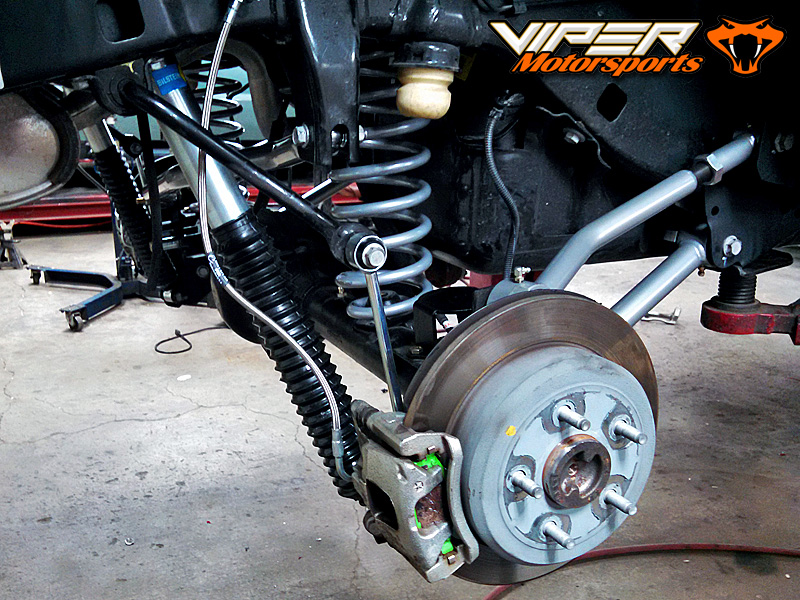
Shocks—short for shock absorbers—play a crucial part in how your Jeep handles bumps and dips. Their main job is to control the movement of your suspension system. When your Jeep’s wheels hit something, like a pothole or a rock, the suspension springs compress and release. Without shocks, your Jeep would keep bouncing for a long time. Shocks slow down and control this movement.
A simple way to picture this: imagine jumping on a trampoline. Without shocks, your Jeep would bounce up and down after every bump. With shocks, the ride is smoother, and your tires stay in better contact with the ground.
How Shocks Work
Inside each shock is a piston moving through oil or gas. When the suspension moves, the piston slows the motion using resistance.
This converts the energy from the bump into heat, which is then released.
Here’s a basic overview:
- Compression: When the Jeep hits a bump, the shock absorbs the upward motion.
- Rebound: The shock also controls how quickly the suspension returns to its normal position.
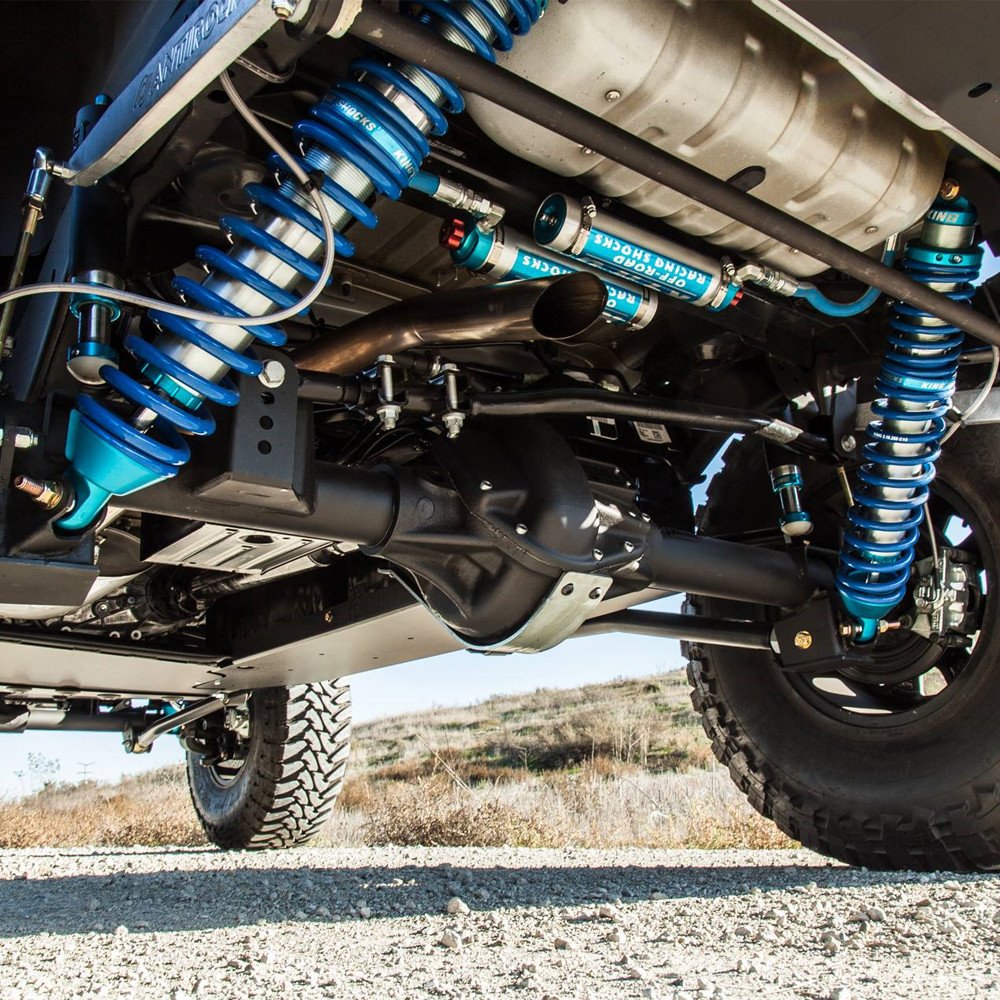
Not all shocks are the same. Some use oil (hydraulic shocks), some use gas (gas-charged shocks), and some are adjustable for different terrains. For example, the shocks on a Jeep Wrangler Rubicon are designed to handle rocks and off-road trails, while shocks on a standard Jeep Cherokee are tuned for city streets.
Why Shocks Matter For Jeep Owners
People buy Jeeps for many reasons. Some use them for daily driving, others for adventures off-road.
Good shocks are essential for both, but in different ways.
- Comfort: Shocks reduce bouncing, making the ride more comfortable.
- Safety: They help keep your tires on the ground, which means better braking and control.
- Performance: On trails, proper shocks prevent damage to your Jeep’s frame and other parts.
Let’s compare how different types of driving affect shock needs:
| Driving Type | Shock Requirement | Common Issues |
|---|---|---|
| Highway Driving | Standard or Comfort shocks | Worn shocks cause poor handling |
| Off-Road | Heavy-duty or Adjustable shocks | Weak shocks can break or leak |
| Towing/Hauling | Load-leveling shocks | Standard shocks sag under weight |
Signs Your Jeep’s Shocks Need Attention
Shocks don’t last forever. Most need replacement between 50,000 and 100,000 miles, but tough trails can wear them out faster. Here’s what to watch for:
- Bouncing after a bump
- Nose dives when braking
- Uneven tire wear
- Leaking oil around the shocks
- Poor cornering or swaying
If you notice these, it’s time to check your shocks. Replacing them can feel expensive, but ignoring the problem leads to bigger repair bills.
Choosing The Right Shocks For Your Jeep
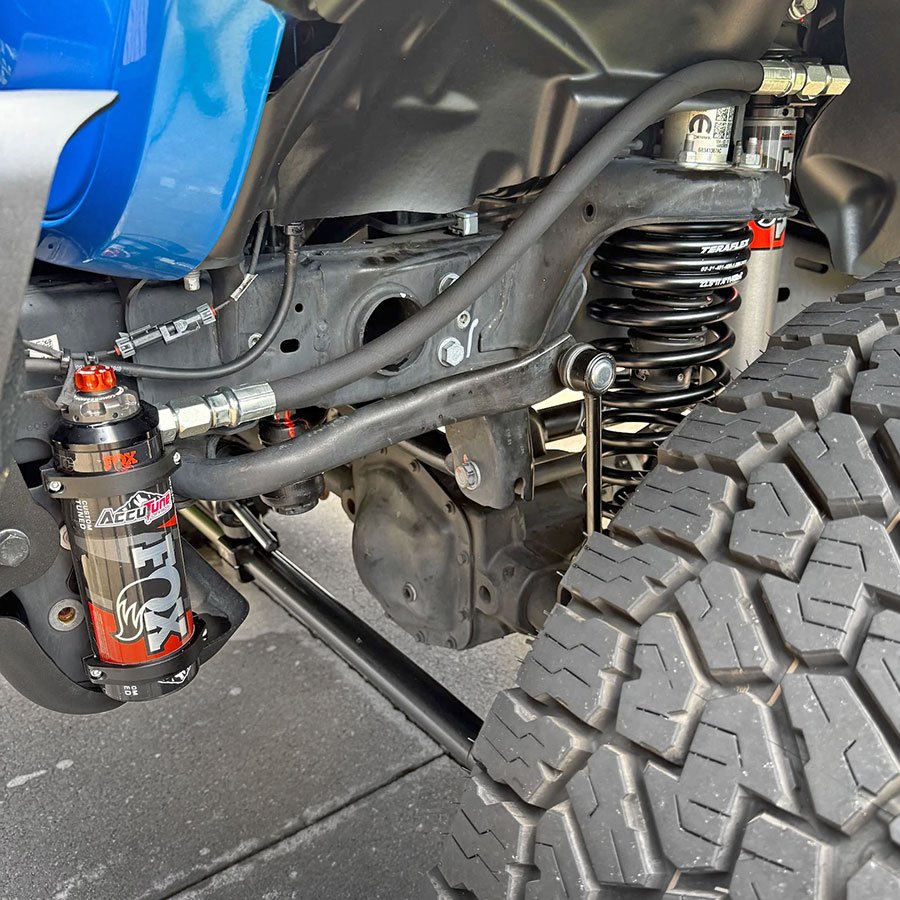
The perfect shock depends on your Jeep model, how you drive, and your budget. Here’s a quick comparison of popular shock types:
| Shock Type | Best For | Pros | Cons |
|---|---|---|---|
| Hydraulic | Daily driving | Affordable, smooth ride | Less durable off-road |
| Gas-charged | Mixed use | Better control, resists fading | Stiffer feel |
| Adjustable | Off-road & towing | Customizable, strong | Higher cost |
Not every Jeep needs the most expensive shocks. For example, if you mostly drive on highways, hydraulic shocks are usually enough. But if you’re planning to explore rough trails, gas-charged or adjustable shocks are a smart investment.
Common Mistakes When Upgrading Shocks
Many Jeep owners make similar mistakes:
- Choosing shocks for looks rather than performance. Big, shiny shocks aren’t always better.
- Ignoring weight changes after adding gear or larger tires. Extra weight needs stronger shocks.
- Skipping alignment after replacing shocks. This can cause uneven tire wear or poor handling.
- Not replacing in pairs. Always change shocks on both sides of an axle for balanced performance.
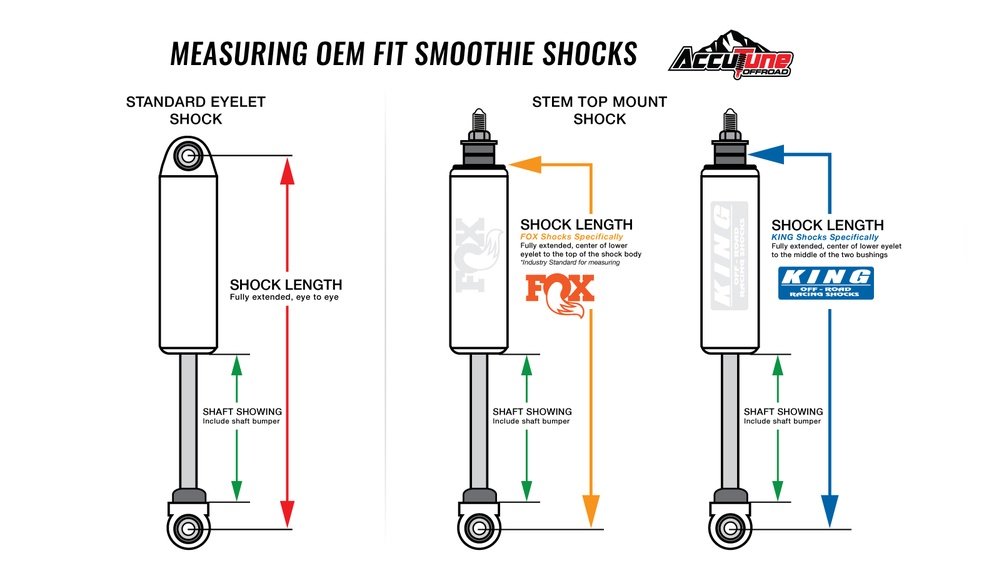
A non-obvious tip: After a lift kit install, stock shocks may no longer fit. Always check travel length and compatibility.
How Good Shocks Affect Everyday Driving
You might think shocks only matter off-road, but they make a big difference in city and highway driving too. Good shocks:
- Improve stopping distance by up to 10% because tires stay on the road.
- Reduce wear on other parts like ball joints and control arms.
- Lower the risk of losing control in emergency maneuvers.
Many Jeep drivers only realize the importance of shocks after upgrading. The ride feels tighter, quieter, and more predictable even on bumpy city streets.
Cost And Maintenance
Shock prices range widely. Basic replacements may cost $50–$150 each, while advanced models can be over $300 each. Installation adds to the cost unless you do it yourself.
Maintenance is minimal just regular checks for leaks or damage. Still, it’s smart to inspect shocks during routine oil changes.
Here’s a quick comparison of average replacement costs:
| Jeep Model | Average Shock Price (each) | Labor Cost (per axle) |
|---|---|---|
| Wrangler | $80–$250 | $100–$200 |
| Cherokee | $60–$180 | $100–$180 |
| Grand Cherokee | $90–$300 | $120–$220 |
Closing Thoughts
Shocks are more than just a part under your Jeep they are the key to comfort, safety, and performance. Whether you’re a weekend trail explorer or a daily commuter, understanding what shocks do helps you make smarter choices for your Jeep.
Keep them in good shape, and your Jeep will handle whatever road or trail you choose.
Frequently Asked Questions
What Happens If I Drive With Bad Shocks On My Jeep?
Driving with bad shocks leads to a bumpy, less controlled ride. It also increases stopping distance and causes other parts to wear out faster.
How Often Should I Replace Jeep Shocks?
Most Jeep shocks last 50,000 to 100,000 miles. Off-road use or heavy loads can wear them out sooner. Check them at every service.
Can I Install New Shocks Myself?
Yes, if you have basic tools and some mechanical skill. Follow your Jeep’s service manual and always use jack stands for safety.
Do Shocks Affect Fuel Economy?
Worn shocks themselves don’t use fuel, but they can cause uneven tire wear or poor alignment, which can lower fuel economy.
Where Can I Learn More About Shock Absorbers?
For more detailed technical information, visit the Wikipedia page on shock absorbers.