Meta description: Discover what Jeep lockers do, how they work, benefits, and compatibility details for JK, JL, TJ, and more. See comparison tables and expert tips.
Jeep owners love exploring tough trails and muddy roads. But sometimes, even the best 4×4 can get stuck. That’s where Jeep lockers come in. Lockers can make the difference between powering through and being left behind. This guide breaks down what Jeep lockers do, how they work, and what you need to know before adding them to your Jeep.
What Is A Locker And Why Do Jeeps Need Them?
A locker is a device inside the axle that forces both wheels to turn at the same speed. Normally, a Jeep’s differential allows wheels to spin independently. This helps with smooth turns on pavement. But on dirt, mud, or rocks, one wheel often spins while the other sits still.

That’s called “losing traction. ”
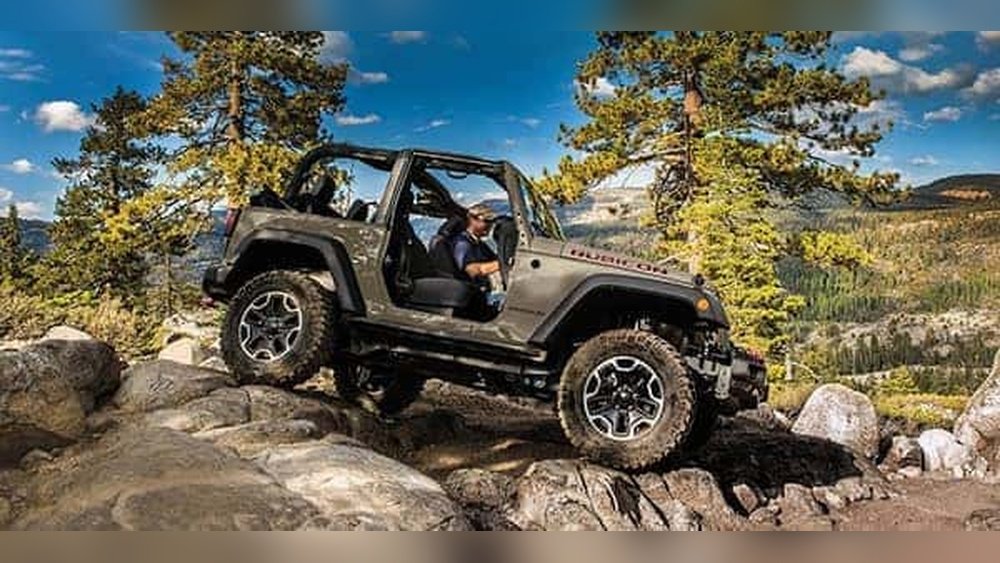
With a locker, both wheels get equal power. If one wheel is in mud and the other on rock, the locker keeps them moving together. This gives your Jeep maximum grip.
Why use lockers?
- Better traction off-road
- Improved climbing on rocks or hills
- Less chance of getting stuck
How Do Lockers Work In A Jeep?
Open Differential Vs. Locked Differential
Here’s a simple table to show the difference:
| Type | How It Works | Best For |
|---|---|---|
| Open Differential | Wheels spin independently | Daily driving, pavement |
| Locked Differential (Locker) | Wheels turn together | Off-road, mud, rocks |
A locker “locks” the axle so both wheels turn as one. Some lockers are always on (automatic), while others you control with a switch (selectable).
Types Of Jeep Lockers
- Automatic Lockers
- Always active
- Great for off-road only
- Can be noisy on pavement
- Selectable Lockers
- Controlled by a button or lever
- On when you need it, off when you don’t
- More expensive but better for daily driving
- Limited Slip Differentials (LSD)
- Not true lockers, but offer some extra grip
- Good for light off-roading or snow
Which Jeep Models Have Lockers?
Not all Jeeps come with lockers. Here’s a quick look at popular models:
| Model | Factory Locker Option | Notes |
|---|---|---|
| TJ (1997–2006) | Rubicon only | Selectable lockers, Dana 44 axles |
| JK (2007–2018) | Rubicon only | Selectable lockers front & rear |
| JL (2018+) | Rubicon, some Willys | Selectable lockers, advanced electronics |
| XJ (1984–2001) | No factory lockers | Aftermarket only |
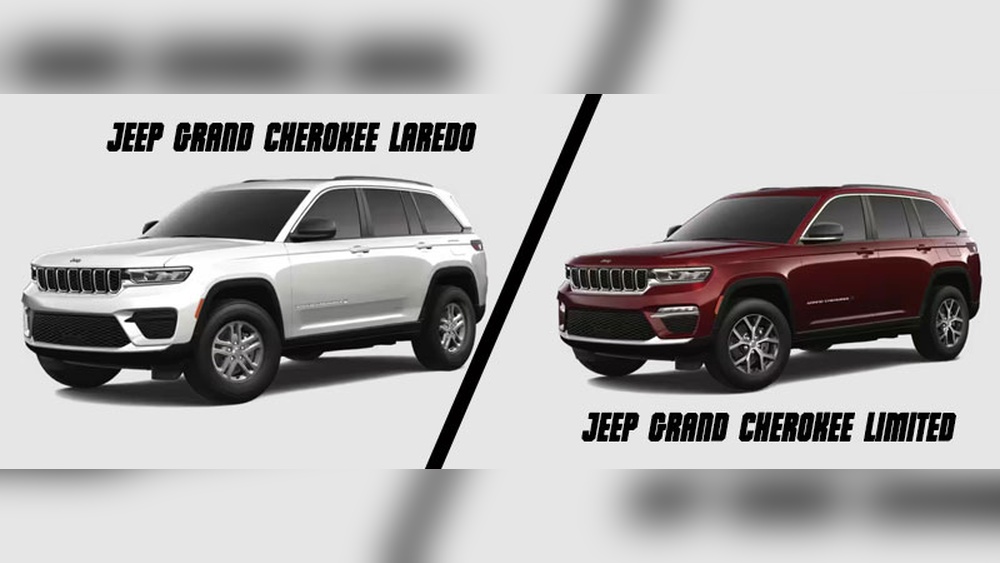
| WK/WL (Grand Cherokee) | Quadra-Drive II (LSD) | Not true lockers |
Most Jeep Rubicon models come with selectable lockers. Other trims often need an aftermarket upgrade.
Benefits And Drawbacks Of Jeep Lockers
Adding lockers is a big decision. Here’s what to consider:
Benefits:
- Maximum traction in tough spots
- Safer, more confident off-roading
- Can tackle harder trails
Drawbacks:
- More wear on axles and tires
- Noisy or rough on pavement (automatic types)
- Higher cost for selectable lockers
When Should You Use Lockers?
Lockers are best for:
- Rock crawling
- Deep mud
- Snow and ice
- Steep climbs
On paved roads, lockers can make turning harder and may cause “chirping” sounds. Always turn off selectable lockers when back on pavement.

Installing Lockers: What To Know
Compatibility And Trim Details
- JK/JL Rubicon: Lockers are factory-installed and controlled by dash switches.
- JK/JL Sport/Sahara: No lockers from the factory. You’ll need aftermarket kits.
- TJ Rubicon: Comes with selectable lockers. Other trims need upgrades.
- XJ, WK, WL: No stock lockers; check axle type before buying.
Always match the locker to your axle model (Dana 30, Dana 44, etc.), gear ratio, and tire size. Not all lockers fit every Jeep.
Cost And Installation
- Aftermarket locker kits: $500–$1,500 for parts
- Labor: $400–$1,000 (shop rates vary)
- Total: $900–$2,500 per axle
Selectable lockers (like ARB air lockers) cost more but offer more control. Automatic lockers (like Detroit or Aussie) are cheaper but less refined for street use.
It’s best to have a professional install lockers. The process requires opening the axle, setting gears, and checking tolerances. Mistakes can cause expensive damage.
Common Questions About Jeep Lockers
1. Can I Add Lockers To Any Jeep?
Most Jeeps can have lockers added, but you must check your axle type, gear ratio, and trim. For example, adding a locker to a Dana 30 (found in many TJ, XJ, and JK front axles) is common, but axle strength limits aggressive off-roading. Always research your model before buying.
2. What Are The Signs Of Locker Problems?
Watch for these symptoms:
- Clicking or popping noises from the axle
- Difficulty turning on pavement
- Dashboard warning lights (for electronic lockers)
- Uneven tire wear
If you notice these, visit a mechanic. Ignoring locker issues can damage your axle.
3. Do Lockers Void The Factory Warranty?
Installing aftermarket lockers may void your Jeep’s warranty on the axle or differential. Factory Rubicon lockers are covered. Always check your owner’s manual and talk to your dealer before upgrading.
4. Is A Limited Slip Differential The Same As A Locker?
No. A limited slip differential gives some extra grip, but still lets wheels spin at different speeds. A true locker forces both wheels to turn together for full traction. LSD is better than open diffs for snow or rain, but not as strong off-road.
5. Are Lockers Safe For Daily Driving?
Selectable lockers are safe if used correctly—only engage them off-road. Automatic lockers can be noisy or feel harsh on pavement. For a daily driver, most owners prefer selectable lockers or LSD. Always disengage lockers when returning to normal roads.

Frequently Asked Questions
What Is The Difference Between A Locker And 4wd?
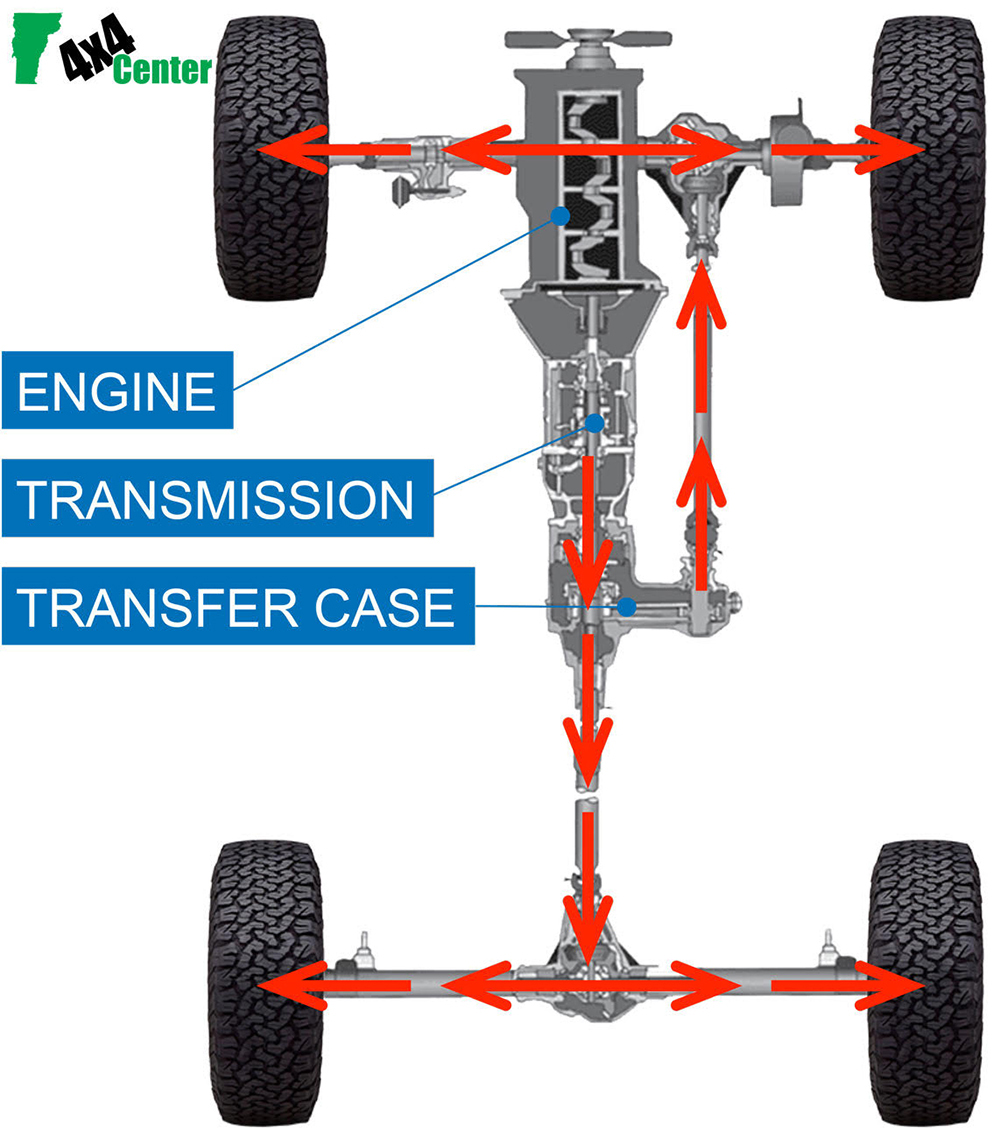
A locker makes both wheels on an axle turn together. 4WD sends power to both front and rear axles. Lockers improve traction even more, especially when one wheel loses grip.
Can I Install Lockers At Home?
It’s possible, but it requires special tools and knowledge of axle setup. Incorrect installation can ruin your gears or cause leaks. Most Jeep owners choose a professional shop.
Which Locker Brands Are Best For Jeeps?
Popular choices include:
- ARB (air lockers)
- Eaton (electric lockers)
- Detroit Locker (automatic)
- Yukon
Always match the locker to your Jeep’s axle and needs.
Will Lockers Help With Towing?
Lockers do not directly improve towing. They help only when traction is lost, such as on slippery boat ramps. For towing, focus more on correct gear ratio and axle strength.
Where Can I Learn More About Lockers?
For detailed technical info, see the locking differential page on Wikipedia.
Lockers transform what your Jeep can do off-road. They offer grip, power, and confidence on the trail. Just remember to match the right locker to your model, use it wisely, and ask a pro if you’re unsure.
Suggested internal links:
- Jeep off-road upgrades
- How to choose the right Jeep tires
- Common Jeep transmission problems