Jeep vehicles have a special culture and language. If you are new to Jeeps, you may hear terms and acronyms that seem confusing at first.
These short forms are used in manuals, forums, and even on the vehicles themselves. Understanding what these acronyms mean helps you communicate better with other Jeep owners and makes it easier to maintain or upgrade your ride.
This article explains the most common Jeep acronyms, their meanings, and why they matter. You will also see examples, tables for quick reference, and tips that even experienced Jeepers sometimes miss.
The Origin Of Jeep Acronyms
Jeep acronyms often come from military terms, factory model codes, or off-road slang. Many started during World War II, when the first Jeeps were built for the U.
S. Army.
Over the years, as Jeep produced different models and technologies, new acronyms appeared.
A few acronyms are now used worldwide, while others are specific to certain regions or Jeep groups.
Popular Jeep Model Acronyms
Every Jeep model has a code, usually two or three letters. These help identify the generation, style, and sometimes the type of engine or drivetrain.
Here’s a quick reference for the most common model acronyms:
| Model Acronym | Full Form / Meaning | Years Produced |
|---|---|---|
| CJ | Civilian Jeep | 1945–1986 |
| YJ | Wrangler YJ Series | 1987–1995 |
| TJ | Wrangler TJ Series | 1997–2006 |
| JK | Wrangler JK Series | 2007–2018 |
| JL | Wrangler JL Series | 2018–present |
| XJ | Cherokee XJ Series | 1984–2001 |
| ZJ | Grand Cherokee ZJ | 1993–1998 |
| WJ | Grand Cherokee WJ | 1999–2004 |
| WK | Grand Cherokee WK | 2005–2010 |
| WK2 | Grand Cherokee WK2 | 2011–2021 |
Insight: Many people think the two-letter codes stand for specific words, but most are just factory codes. For example, “JK” does not officially mean “Just Kidding” or “Jeep King”—it’s only an internal code.
Common Mechanical Acronyms
Jeeps are designed for off-road use, so you’ll see technical acronyms related to driving systems, engines, and modifications. Knowing these helps when reading manuals or buying parts.
Some of the most useful ones include:
- 4WD – Four-Wheel Drive: Power goes to all four wheels for better off-road grip.
- AWD – All-Wheel Drive: Similar to 4WD but often automatic and used more on-road.
- SFA – Solid Front Axle: A strong axle design for tough off-roading.
- IFS – Independent Front Suspension: Better on-road comfort, less ideal for rock crawling.
- LSD – Limited Slip Differential: Helps tires get power even if one slips.
- D44 / D30 – Dana 44 / Dana 30 Axle: Common axle types found on Jeeps.
Here’s a quick comparison between two axle types you’ll often see:
| Axle | Strength | Typical Use |
|---|---|---|
| Dana 30 | Moderate | Front, lighter off-road |
| Dana 44 | High | Front/Rear, heavy off-road |
Tip: Always check your Jeep’s axle type before ordering lift kits or lockers. Mixing up D30 and D44 parts is a common mistake.
Off-road And Accessory Acronyms
Jeeps are often customized for off-roading. Owners use special acronyms for parts and upgrades.
- ARB: Air Locker brand (often means air locking differential)
- OEM: Original Equipment Manufacturer (factory parts)
- SAS: Solid Axle Swap (converting IFS to solid axle)
- SOA/SUA: Spring Over/Under Axle (types of suspension lift)
- SYE: Slip Yoke Eliminator (driveline upgrade for lifted Jeeps)
- T-case: Transfer Case (splits power front/rear)
Here’s a brief comparison of two popular suspension lift styles:
| Lift Style | Ride Quality | Off-Road Ability |
|---|---|---|
| SOA (Spring Over Axle) | Stiff | Great |
| SUA (Spring Under Axle) | Smoother | Good |
Insight: Not all aftermarket parts labeled “OEM” are from Jeep. Some are made by other companies who supply Jeep, but quality can vary.
Acronyms In Jeep Communities
Jeeps have a strong community. Owners use fun acronyms and slang online and at events.
Some common ones are:
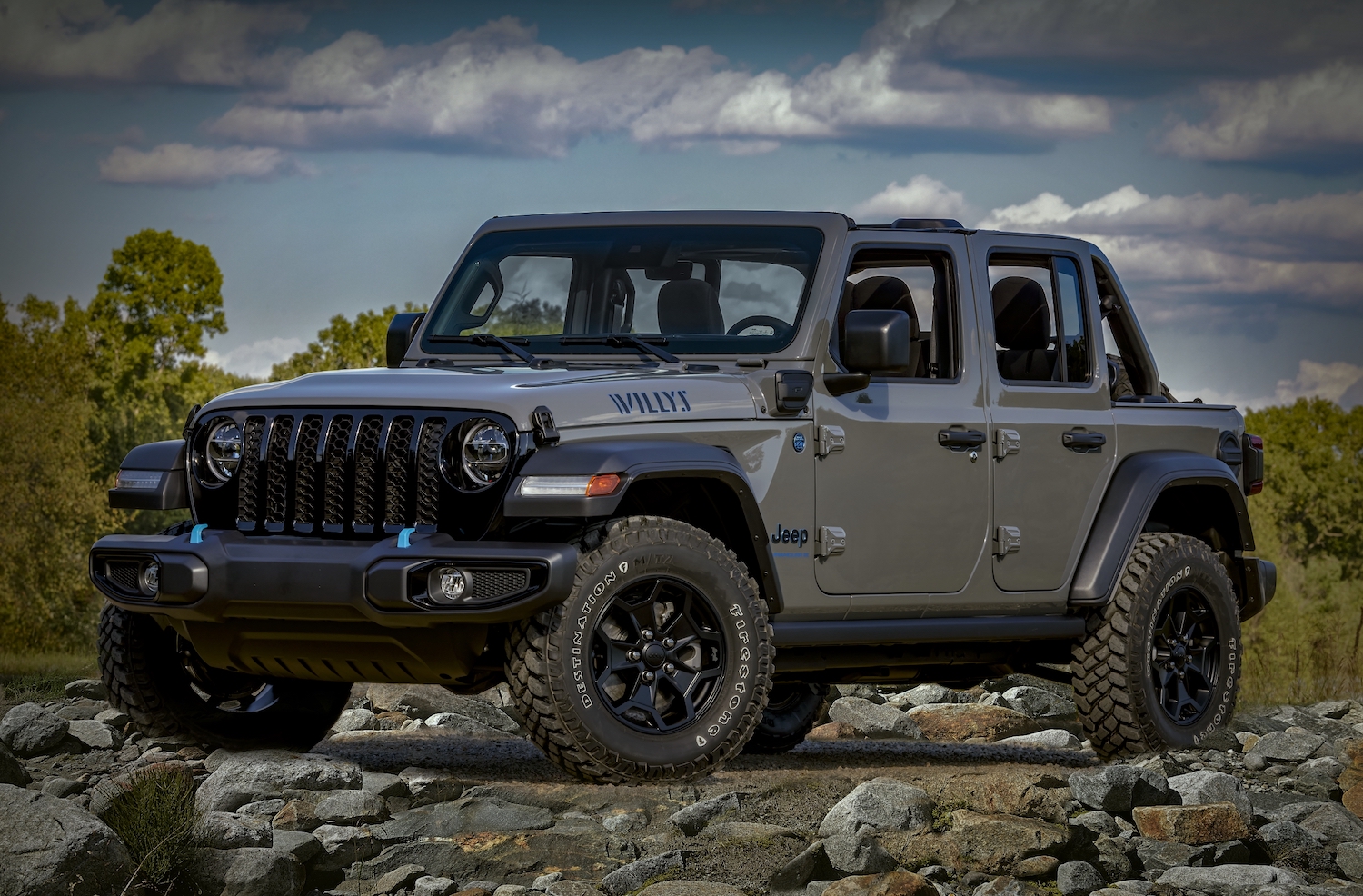
- JKU/JLU: Four-door Wrangler (JK/JL series “Unlimited”)
- MOAB: Mother of All Bombs / also a famous trail in Utah
- RUBI: Rubicon trim, Jeep’s most off-road-ready model
- MOPAR: Motor Parts (official Jeep/Chrysler parts brand)
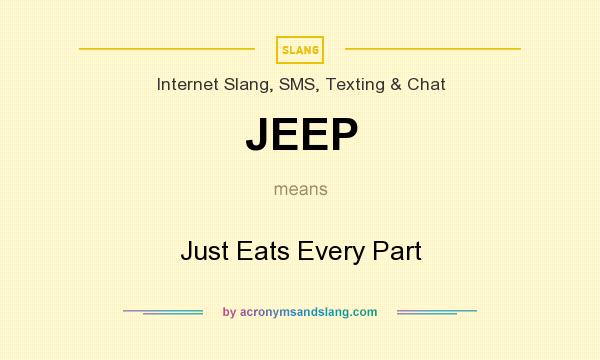
- JEEP: Jokingly, “Just Empty Every Pocket” (referring to how much money people spend on mods)
Tip: When buying used Jeeps, check the trim and model code carefully. A “RUBI” isn’t just a sticker—it should have stronger axles, lockers, and the right transfer case.
Why Jeep Acronyms Matter
Knowing these acronyms gives you several advantages:
- Saves time: You understand manuals, forums, and parts lists faster.
- Avoids mistakes: Many new owners order the wrong parts because they confuse model codes or axles.
- Builds community: Speaking the same language helps you connect with other Jeep fans and share advice.
If you want to dig even deeper into Jeep history and acronyms, check the official Jeep Wikipedia page.
Frequently Asked Questions
What Does “jk” Stand For In Jeep?
JK is just a factory code for the third-generation Wrangler (2007–2018). It doesn’t have an official word meaning.
What Is The Difference Between 4wd And Awd In Jeeps?
4WD systems are designed for off-road and can be turned on or off. AWD is usually always on and better for slippery roads, not heavy off-roading.
How Do I Know If My Jeep Is A Rubicon?
A real Rubicon model has special axles (Dana 44), locking differentials, and heavy-duty parts. Look for the “Rubicon” badge and check the VIN or build sheet.
Are Dana 30 And Dana 44 Axles Interchangeable?
No, Dana 30 and Dana 44 have different sizes and strengths. You cannot swap parts directly without extra modifications.
What Does “oem” Mean For Jeep Parts?
OEM stands for “Original Equipment Manufacturer.” It means the part is made to the same specs as the original, but not all OEM parts are from Jeep.
Jeeps are built for adventure, and understanding their unique language makes every trip and upgrade smoother. As you spend more time in the Jeep world, these acronyms become second nature and you might even teach them to the next newcomer.