During World War II, the Jeep was more than just a vehicle—it became a powerful symbol. Soldiers, leaders, and even civilians saw the Jeep as a sign of American ingenuity, reliability, and adaptability.
Its unique role in the war changed the way armies moved, fought, and thought about transportation.
Today, the Jeep is remembered not only as a tool of victory, but also as an icon of freedom and resilience. Let’s explore what the Jeep truly symbolized in WWII, and why its legacy still matters.
The Birth Of The Jeep
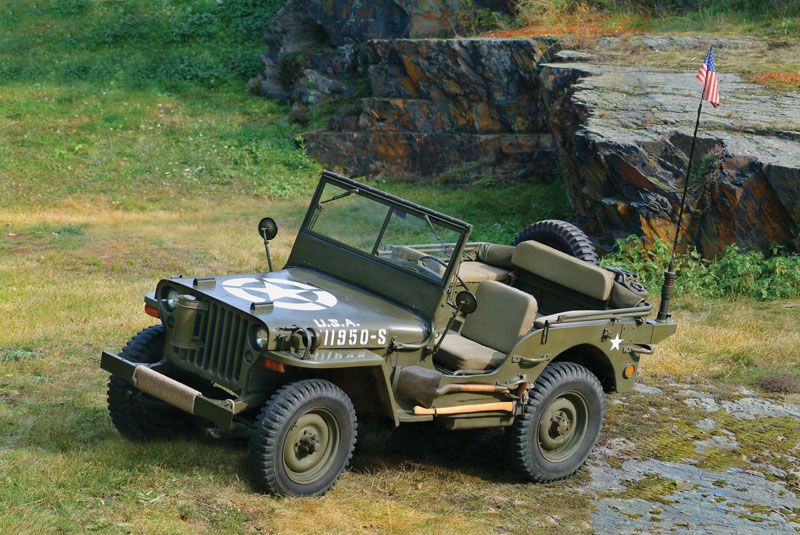
The Jeep was developed in 1940, when the US Army needed a small, fast, all-terrain vehicle. Three companies—Bantam, Willys, and Ford—competed to build the best design. Willys won, and Ford helped produce the vehicles, known as the Willys MB and Ford GPW. Over 640,000 Jeeps were made during the war, making it the most produced military vehicle of WWII.
| Year | Jeep Production | Main Models |
|---|---|---|
| 1941 | 8,000 | Willys MA, Bantam BRC |
| 1942-1945 | 632,000+ | Willys MB, Ford GPW |
Symbol Of Mobility And Versatility
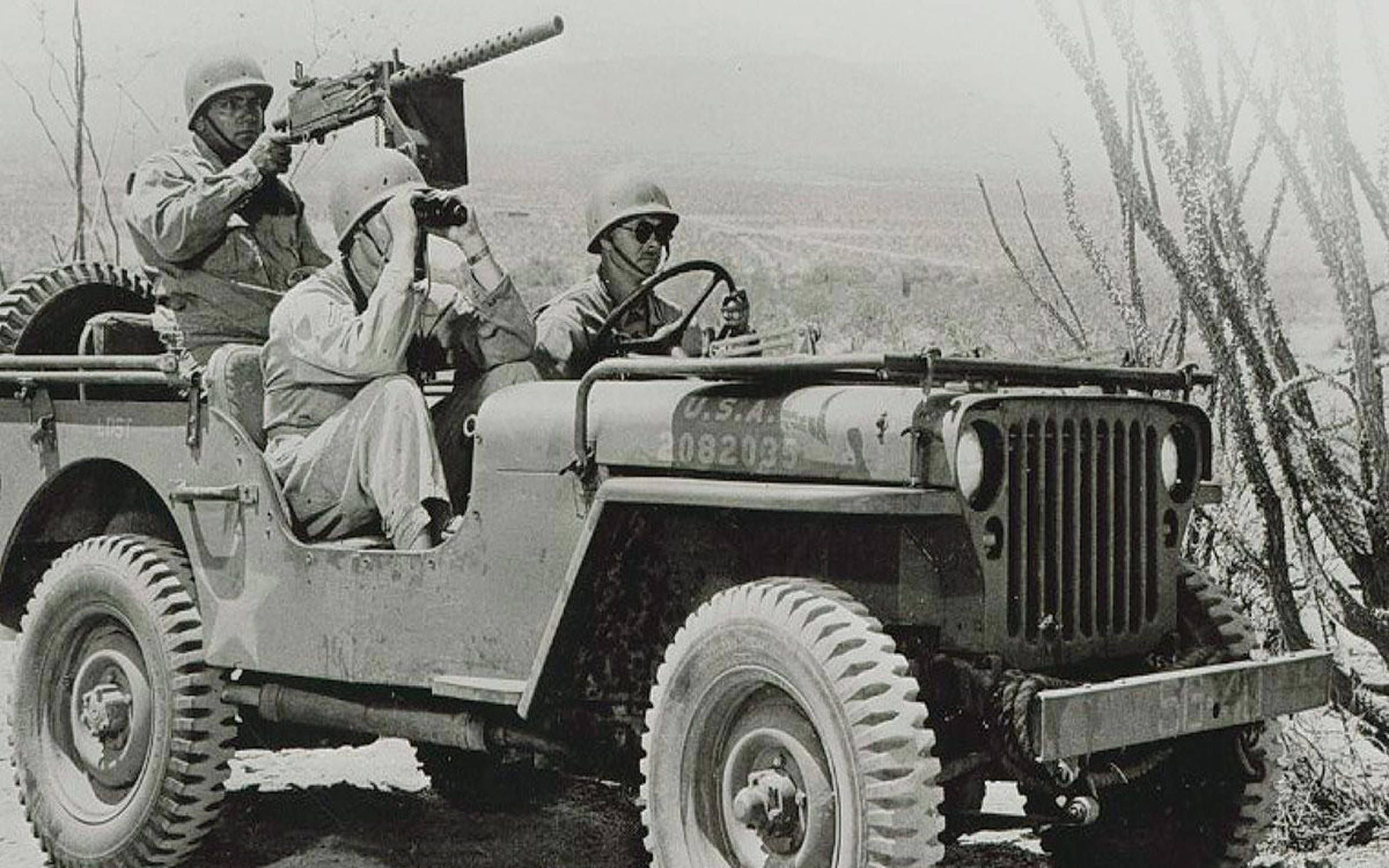
The Jeep’s ability to travel over mud, sand, snow, and rough terrain made it a symbol of mobility and versatility. Soldiers relied on the Jeep to reach places where other vehicles could not go. It was used for:
- Transporting troops and supplies
- Carrying wounded soldiers
- Reconnaissance missions
- Towing weapons
In many ways, the Jeep represented the new, fast-moving style of warfare. Armies could move quickly, attack from different directions, and adapt to changing conditions.
The Jeep’s flexibility was unmatched, and it showed how technology could change the course of a battle.
The Jeep As A Symbol Of American Ingenuity
The Jeep’s design was simple yet effective. It had:
- A lightweight body
- Four-wheel drive
- Easy maintenance
This practical approach became a symbol of American ingenuity. The Jeep was not fancy, but it worked well. It could be fixed in the field with basic tools. Allied soldiers trusted it, and Axis forces respected its abilities. Even General Dwight D. Eisenhower called the Jeep one of the “tools of victory.”
| Feature | Jeep | Other WWII Vehicles |
|---|---|---|
| Weight (lbs) | ~2,300 | Truck: ~7,000 |
| Max Speed (mph) | ~65 | Truck: ~45 |
| Seating | 4 | Truck: 6-12 |
| Terrain Capability | Excellent | Moderate |
Representation Of Freedom And Hope
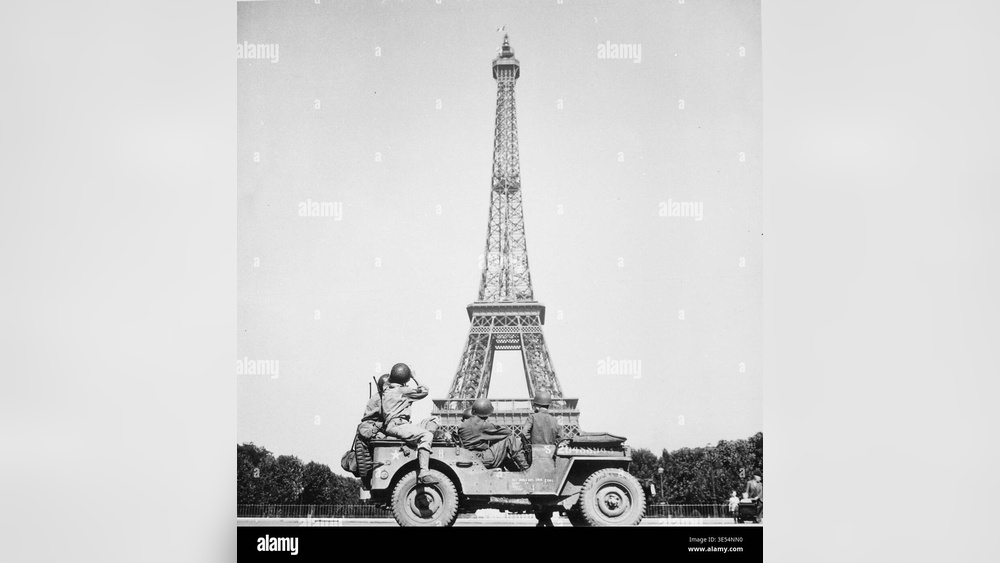
For many, the Jeep was a sign of freedom and hope. When Allied forces liberated towns across Europe and Asia, they often arrived in Jeeps. The sight of the Jeep meant help had come. Civilians saw the Jeep as a promise of safety and a better future.
The Jeep’s open design allowed soldiers to wave and connect with locals. It was not a heavy armored vehicle; it was approachable, giving people comfort and trust.
This emotional impact helped shape the Jeep’s lasting reputation.
The Jeep In Propaganda And Popular Culture
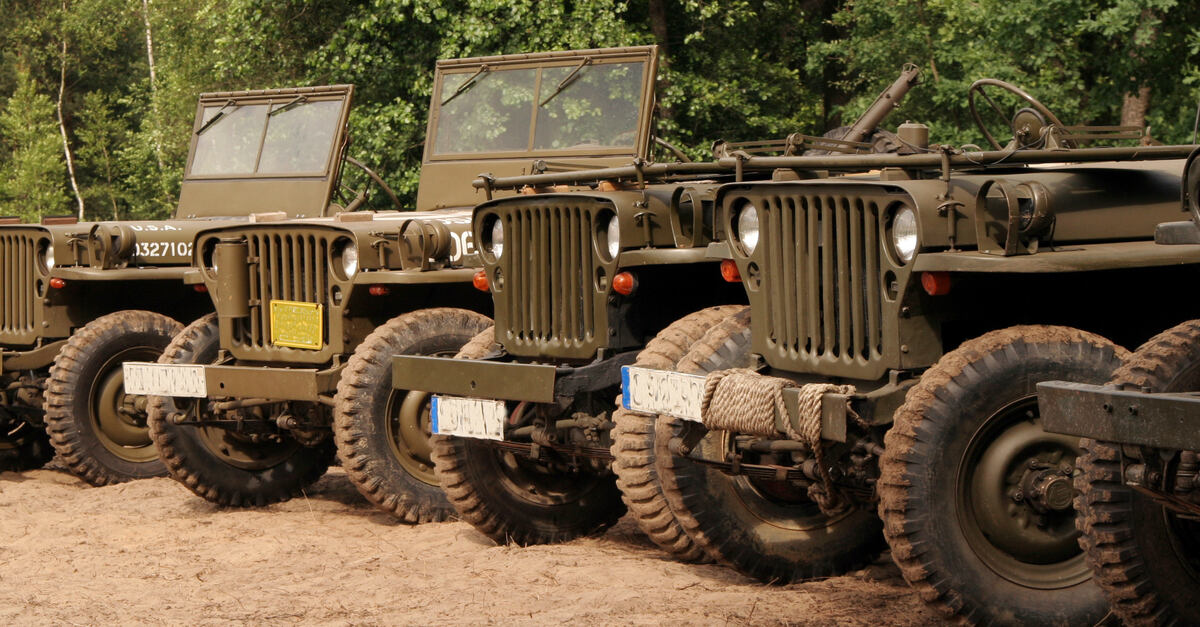
During WWII, the Jeep appeared in posters, newsreels, and magazines. Artists and journalists used the Jeep to show strength and determination.
It became a favorite subject for war reporters because it could go almost anywhere.
After the war, Jeep’s image shifted to civilian life. The Jeep CJ (Civilian Jeep) became a symbol of adventure and independence. Even today, Jeep vehicles are marketed as tough, reliable, and ready for anything.
| Year | Jeep in Pop Culture | Impact |
|---|---|---|
| 1943 | War Posters | Encouraged morale |
| 1945 | Newsreels | Showed liberation |
| 1946 | Jeep CJ Launch | Adventure marketing |
Non-obvious Insights
- Most people believe only the US Army used the Jeep, but it was also sent to British, Soviet, and Free French forces through the Lend-Lease program. This global reach made the Jeep a symbol of Allied cooperation, not just American strength.
- The Jeep’s nickname, “General Purpose” vehicle, is often thought to be the source of the word “Jeep.” However, it likely came from the cartoon character “Eugene the Jeep” in the Popeye comics, known for going anywhere and doing anything—just like the vehicle.
Why The Jeep’s Symbolism Still Matters
The Jeep’s role in WWII changed how people think about military vehicles. Its combination of practicality, reliability, and emotional impact made it a lasting symbol. Today, Jeep stands for freedom, adventure, and resilience. Modern Jeeps carry this legacy, connecting their owners to the spirit of WWII.
If you want to read more about Jeep’s history and impact, the official Jeep page offers a detailed timeline: Wikipedia.
Frequently Asked Questions
What Was The Jeep Originally Designed For?
The Jeep was made to meet the US Army’s need for a light, fast, and reliable vehicle. It was used for transporting soldiers, carrying supplies, and many other purposes on the battlefield.
How Many Jeeps Were Produced During Wwii?
Over 640,000 Jeeps were produced between 1941 and 1945. This made it the most common military vehicle of the war.
Did Other Countries Use The Jeep In Wwii?
Yes. The Jeep was supplied to the British, Soviet, Canadian, and other Allied forces under the Lend-Lease program. It became a symbol of Allied teamwork.
Why Is The Jeep Called “jeep”?
The name “Jeep” probably comes from the cartoon character Eugene the Jeep in Popeye comics, who could “go anywhere.” Some believe it stands for “General Purpose,” but this is less likely.
Is The Modern Jeep Connected To The Wwii Jeep?
Yes. The Jeep CJ (Civilian Jeep) was released after the war, and current Jeep models still use many design ideas from the original. The brand is proud of its military roots.
The Jeep’s story in WWII is more than history—it’s a lesson in creativity, courage, and hope. Its symbolism continues to inspire, proving that a simple design can change the world.