If you own a 2014 Jeep Grand Cherokee, choosing the right coolant is essential. Coolant keeps your engine from overheating and stops freezing in cold weather.
Using the wrong coolant can damage your vehicle, cause leaks, or even void your warranty. Many drivers feel confused about which coolant to buy, especially with so many types and colors in stores.
This article explains exactly what coolant your Jeep needs, how to check and change it, and what mistakes to avoid. You’ll find practical advice, comparisons, and answers to common questions.
Let’s make sure your Grand Cherokee stays safe and reliable.
Recommended Coolant For 2014 Jeep Grand Cherokee
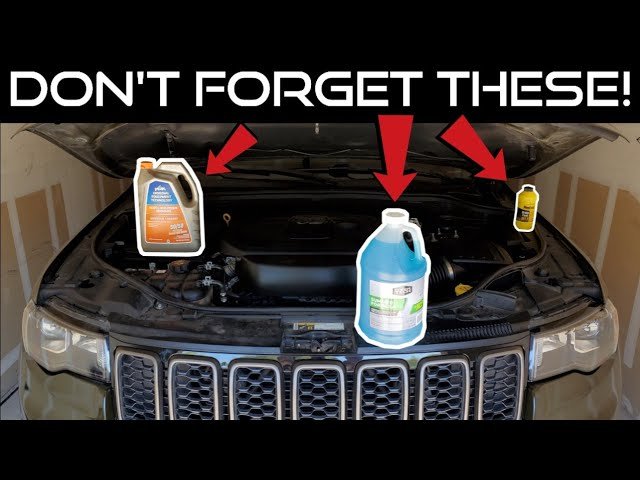
The 2014 Jeep Grand Cherokee needs a specific type of coolant called HOAT (Hybrid Organic Acid Technology). Jeep and Chrysler recommend Mopar Antifreeze/Coolant 10 Year/150,000 Mile Formula. This coolant is often purple or orange in color, but always check the label to be sure.
Some key facts:
- The Jeep’s cooling system holds about 14 quarts (3.5 gallons).
- Mopar HOAT coolant is designed for aluminum and mixed-metal engines.
- Using other coolants, like green or universal types, can cause corrosion or leaks.
If you’re buying aftermarket, look for coolants labeled HOAT or “compatible with Chrysler vehicles after 2013.” Always check the back of the bottle for Jeep compatibility.
Choosing the wrong coolant may not cause problems immediately, but over months or years, it can slowly eat away at gaskets, hoses, and the radiator.
This is because the chemical balance in HOAT coolant is made to match the metals and plastics in your Jeep’s engine.
For example, if you use a standard green coolant, it might react with aluminum parts and cause them to rust or pit. That’s why it’s important not to just pick coolant based on price or color.
How To Identify The Right Coolant
Many coolants in stores look similar. Here’s how to spot the correct one:
- Check the color: Mopar HOAT is usually purple or orange.
- Read the label: It should mention “10 Year/150,000 Mile” and “HOAT.”
- Look for compatibility: The bottle should list “Chrysler, Jeep, Dodge after 2013.”
Here’s a quick comparison between coolants:
| Coolant Type | Color | Recommended for 2014 Jeep Grand Cherokee? |
|---|---|---|
| HOAT (Mopar) | Purple/Orange | Yes |
| OAT | Orange | No |
| IAT (Traditional Green) | Green | No |
| Universal | Varies | No |
Buying the wrong coolant is a common mistake. Some universal coolants claim to fit all cars, but they do not protect your Jeep’s engine as well.
Many car owners think that coolant color is a sure way to identify compatibility, but that’s no longer true. Car makers sometimes change coolant colors for the same chemical type.
Also, “universal” coolants might say they work for all vehicles, but their formula may not have the additives your Jeep’s engine needs.
Always double-check the manufacturer’s recommendation, especially if you’re topping up coolant at a garage or shop that isn’t a Jeep specialist.
How To Change Coolant In Your Jeep Grand Cherokee
Changing coolant is simple if you follow steps carefully. Here’s how:
- Let the engine cool completely.
- Place a drain pan under the radiator.
- Open the radiator drain plug and let old coolant flow out.
- Close the plug, then fill with new HOAT coolant (mixed 50/50 with distilled water).
- Start the engine, let it warm up, and check for leaks.
- Check coolant level after driving a short distance.
Never mix old and new types of coolant. Mixing can cause sludge or blockages.
A few tips make the process easier: Always wear gloves, as coolant is toxic and can irritate your skin. Dispose of old coolant properly; never pour it down the drain or on the ground, because it’s harmful to pets and the environment. When filling, pour slowly to avoid air bubbles (called “airlocks”) in the system. After warming up the engine, check both the radiator and the overflow tank, since air can sometimes make the level drop after the first drive.
If you’re new to DIY car maintenance, consider watching a video guide for your Jeep model. Some Grand Cherokees have engine covers or shields you may need to remove first.
Take pictures of how parts fit before you start, so you can put everything back correctly.
How Often Should You Change Coolant?
Jeep recommends changing coolant every 10 years or 150,000 miles. However, if you drive in hot climates, tow heavy loads, or see leaks, change it sooner.
Here’s a quick table showing coolant lifespan:
| Coolant Type | Average Lifespan | Change Interval |
|---|---|---|
| Mopar HOAT | 10 Years / 150,000 Miles | Recommended |
| OAT | 5 Years / 100,000 Miles | Not Suitable |
| IAT | 2 Years / 24,000 Miles | Not Suitable |
Many drivers forget about coolant until there’s a problem. Regular checks help avoid engine damage.
Besides mileage and years, check coolant during routine oil changes. If you notice the coolant reservoir looks low or the liquid is no longer bright and clear, it’s a sign to inspect or change it.
Also, coolant can degrade faster if you drive in stop-and-go city traffic, make short trips, or park outside in extreme weather.
These small details often go unnoticed, but they make a real difference in the long-term health of your cooling system.
Common Mistakes To Avoid
- Mixing coolants: Don’t mix HOAT with OAT or IAT types.
- Using tap water: Only use distilled water to mix with concentrate.
- Ignoring leaks: Even small leaks can cause overheating.
- Buying based on color alone: Always check the label, as colors can change.
Most beginners miss that mixing coolants even “universal” types causes chemical reactions. This leads to deposits and engine trouble.
Another mistake is topping off coolant when the engine is hot. Opening the radiator cap while hot can cause dangerous steam or boiling liquid to spray out.
Always let the engine cool before opening the system. If you see white crusty residue around hoses or caps, it could mean there’s a slow leak or past overheating don’t ignore these warning signs.
Real-world Example
A Jeep owner once used green coolant from a local shop. Within six months, the radiator started leaking, and the heater stopped working. The repair cost over $500. Using the right HOAT coolant would have prevented this issue.
There are also cases where owners tried flushing the system without fully draining the old coolant, leaving a harmful mix inside. This often leads to brown sludge, which is difficult and expensive to clean.
Even experienced mechanics sometimes make this mistake when working on unfamiliar vehicles, so always double-check before you refill.
Where To Buy Mopar Hoat Coolant
You can buy Mopar HOAT at Jeep dealerships, auto parts stores, or online. Always compare prices and check for genuine products. Some stores sell compatible brands, but make sure they list Chrysler compatibility.
When shopping online, look for trusted sellers and read reviews to avoid counterfeit or expired coolant. If you’re ever unsure, buying directly from a Jeep dealership is safest, as they only stock the correct formula.
For more details, visit the official Jeep Mopar website.
Frequently Asked Questions
What Happens If I Use The Wrong Coolant In My Jeep Grand Cherokee?
Using the wrong coolant can cause corrosion, leaks, or engine overheating. It may also void your warranty and lead to expensive repairs.
Can I Mix Hoat Coolant With Other Types?
No, mixing HOAT with OAT, IAT, or universal coolants creates sludge. This can block your radiator and damage your engine.
How Do I Know If My Coolant Needs Changing?
Check for rusty color, low coolant level, or overheating. If your coolant looks dirty, it’s time to change it.
Is It Okay To Use Water Instead Of Coolant In Emergencies?
Never use plain water for long periods. Water lacks corrosion protection and can freeze or boil quickly. Use only in emergencies and switch to HOAT as soon as possible.
Where Can I Find Mopar Hoat Coolant?
You can buy it at Jeep dealerships, auto parts stores, or online. Always check for genuine Mopar branding and Chrysler compatibility.
Choosing the right coolant for your 2014 Jeep Grand Cherokee is essential for engine life and performance. Follow these tips, avoid common mistakes, and use Mopar HOAT coolant for best results. Regular checks and proper maintenance keep your Jeep reliable for years to come.