If you are searching for a rugged SUV that stands out both on the road and off it, the Jeep JK model is a name you will hear often. The JK has become famous among outdoor lovers, families, and car enthusiasts alike.
But what exactly is the Jeep JK? What makes it unique compared to other Jeep vehicles?
In this article, you will learn everything you need to know about the Jeep JK model—its history, features, differences, and why it is still popular today.
What Is The Jeep Jk Model?
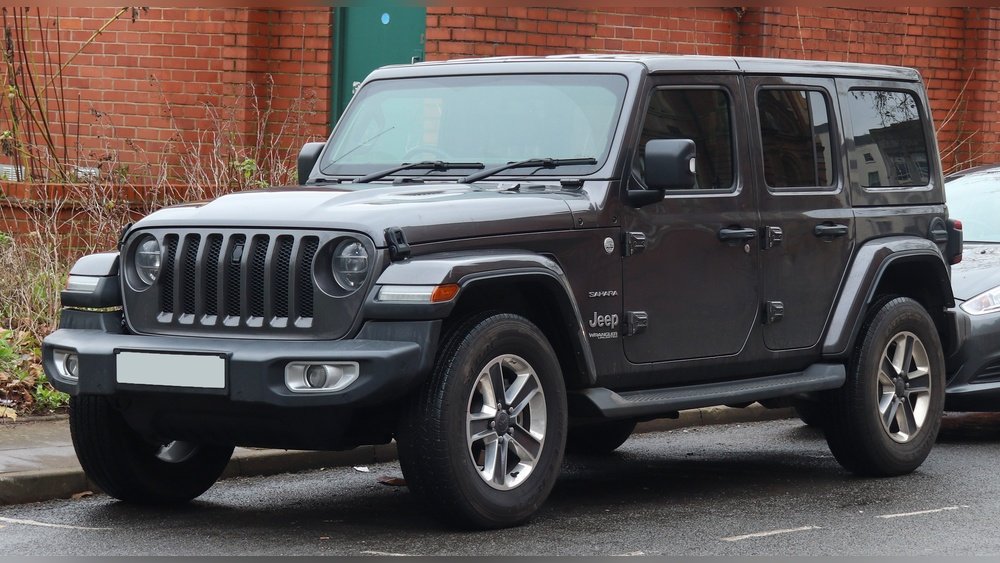
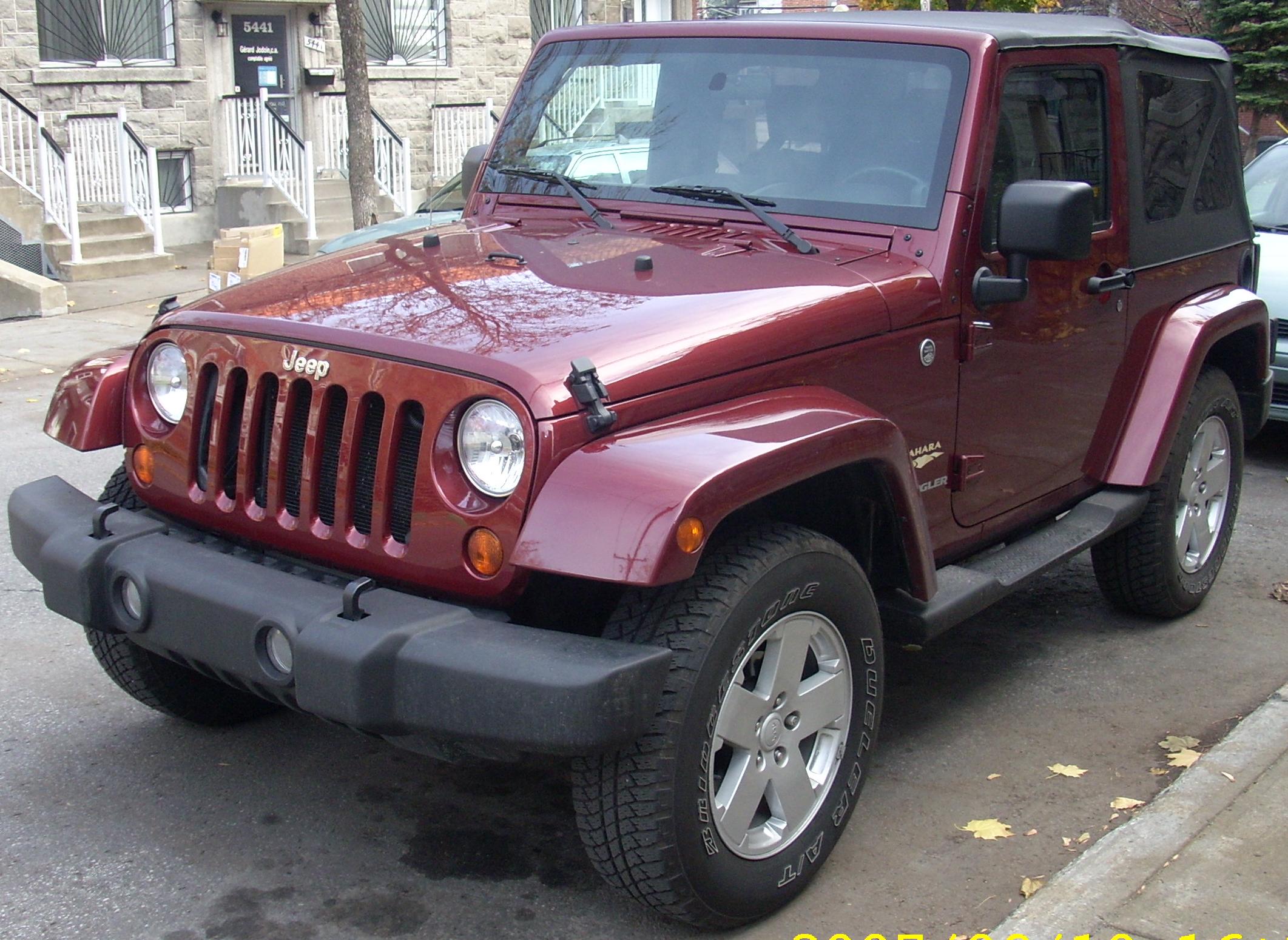
The Jeep JK refers to the third generation of the Jeep Wrangler, produced from 2007 to 2018. The JK replaced the older TJ model and brought many changes that made it more comfortable, safer, and better for everyday driving. This model was available in two main body styles: two-door and four-door (called Unlimited).
The JK was built at the Toledo, Ohio plant, and it quickly gained attention for its strong build, removable doors, and top, making it ideal for adventure.
Jeep created the JK to appeal to a wider audience, not just off-road fans but also families and people needing a reliable daily vehicle.
Key Features Of The Jeep Jk
When Jeep launched the JK, it included many new features that set it apart from previous Wranglers. Here are some of the most important ones:
- Improved Suspension: The JK uses a modern coil spring suspension, making the ride smoother on pavement and rough terrain.
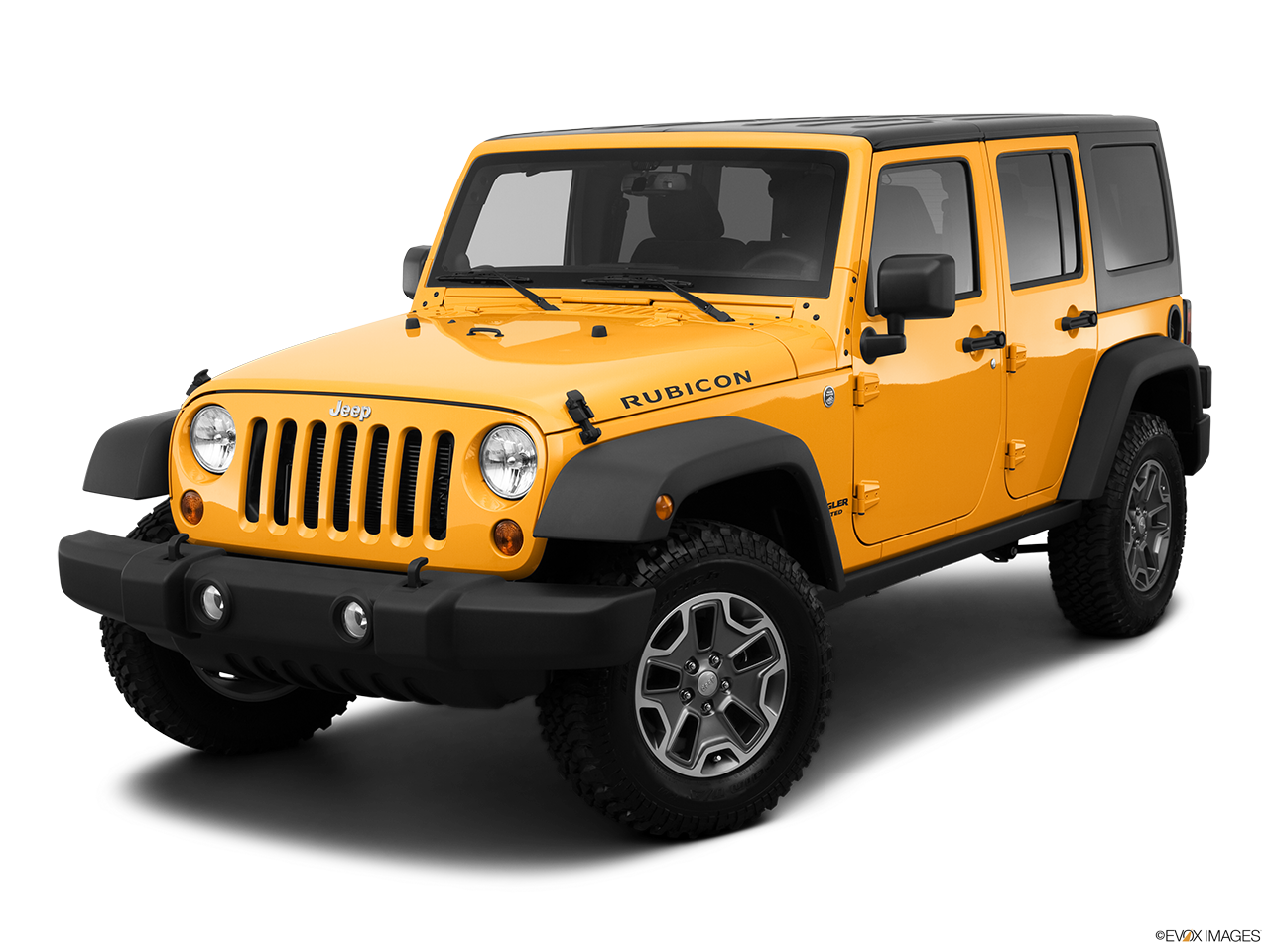
- Four-Door Option: For the first time, Jeep offered the Wrangler with four doors, called the Wrangler Unlimited, which became very popular.
- Larger Body: The JK has a wider and longer body compared to the TJ, giving more space inside and improving stability.
- Electronic Stability Control: This safety feature helps keep the JK stable during sharp turns or slippery conditions.
- Optional Hard and Soft Tops: Owners can choose between a sturdy hardtop or a flexible soft top, both of which are removable.
Engine Choices
The JK was available with two main engines during its production years:
- 3.8L V6 (2007–2011): Produces 202 horsepower and 237 lb-ft of torque.
- 3.6L Pentastar V6 (2012–2018): Offers 285 horsepower and 260 lb-ft of torque, improving both power and fuel economy.
Transmission Options
Drivers could pick either a 6-speed manual or a 4/5-speed automatic transmission, depending on the model year and trim.
Jeep Jk Vs Other Wrangler Generations
Understanding the JK means comparing it to other Wrangler generations, especially the TJ before it and the JL after it.
| Feature | TJ (1997–2006) | JK (2007–2018) | JL (2018–Present) |
|---|---|---|---|
| Body Style | 2-door only | 2-door & 4-door | 2-door & 4-door |
| Engine | 4.0L I6 | 3.8L V6 / 3.6L V6 | 2.0L I4 / 3.6L V6 / 3.0L Diesel |
| Safety | No ESC | ESC standard | Advanced airbags, ESC |
| Interior Space | Limited | More spacious | Even larger |
As you can see, the JK made the Wrangler more practical and safe, especially with its four-door option and standard safety features. It also improved comfort without losing the Jeep’s famous off-road ability.
Off-road Capabilities
One reason people love the JK is its off-road performance. It has a strong frame, high ground clearance, and solid axles. The JK can cross rocks, mud, and sand easily. Many models have Trail Rated badges, showing they meet Jeep’s tough standards for off-road ability.
Real-world Example
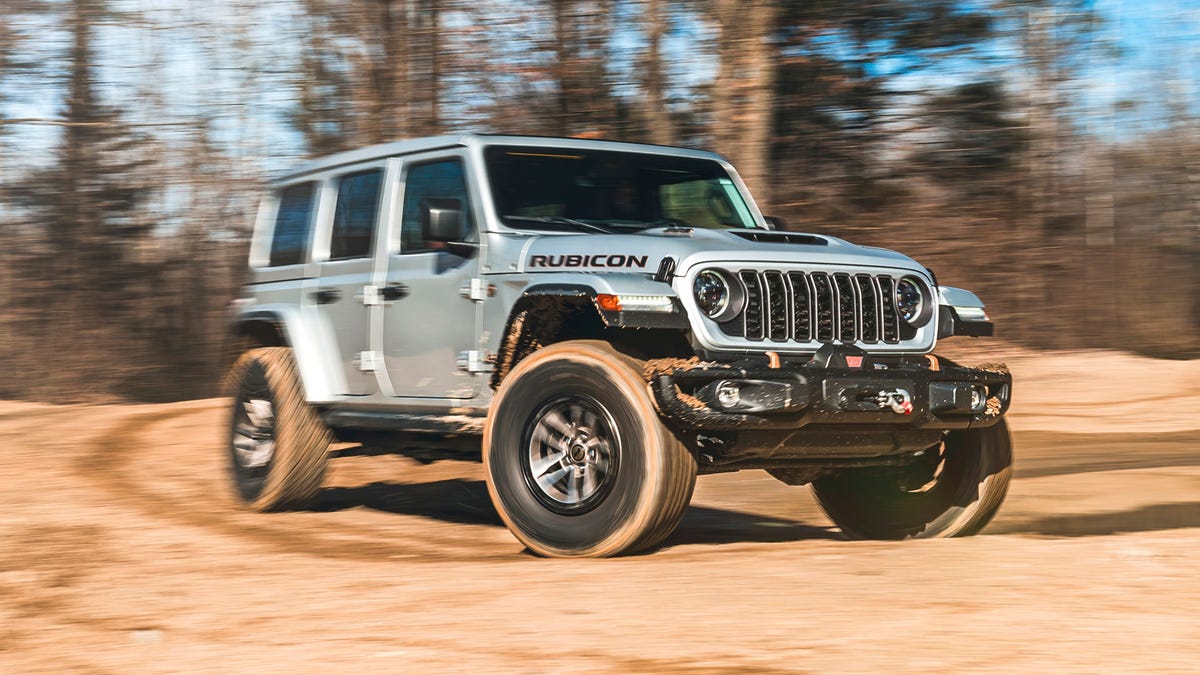
The Wrangler JK Rubicon is especially respected. It comes with locking differentials, disconnecting sway bars, and heavy-duty axles. These features allow the Rubicon to tackle tough trails like the famous Rubicon Trail in California.
Popular Jk Trim Levels
Jeep offered the JK in several trim levels, each with different features and prices. Here is a quick comparison:
| Trim | Main Features | Target Buyer |
|---|---|---|
| Sport | Basic, affordable, manual windows/locks | Budget-conscious, entry-level |
| Sahara | More comfort, power windows, upgraded interior | Daily drivers, families |
| Rubicon | Advanced off-road gear, heavy-duty axles | Off-road enthusiasts |
Common Mistakes When Buying A Jeep Jk
Many buyers make mistakes when shopping for a JK. Here are two often missed points:
- Ignoring Rust: Older JKs may have rust on the frame or underbody, especially in cold or wet areas. Always inspect before buying.
- Overlooking Model Year Differences: The 2012+ models have the better 3.6L engine. Many buyers do not realize the big improvement in power and reliability.
Why The Jeep Jk Is Still Popular
Even though production ended in 2018, the JK is still popular for several reasons:
- Strong aftermarket support: Many companies make parts for JKs, so customizing is easy.
- Good resale value: Used JKs often hold their price well compared to other SUVs.
- Community and clubs: Owners enjoy a strong Jeep community, with events and forums to share advice.
According to industry data, JKs often sell for 70 80% of their original value after five years, which is higher than most other vehicles in this class.
Frequently Asked Questions
What Does “jk” Stand For In Jeep Jk?
“JK” is just an internal code used by Jeep for this Wrangler generation. It does not stand for any specific words.
How Can You Tell If A Wrangler Is A Jk?
JKs have wider bodies, new grille designs, and a large dashboard screen (especially 2012+). The four-door Unlimited is also a clear sign.
Are Jeep Jks Reliable?
Yes, especially the 2012–2018 models with the 3.6L Pentastar engine. Regular maintenance is key for long life.
What Is The Difference Between Jk And Jl Wranglers?
The JL has more modern features, better engines, and advanced safety. The JK is simpler, but still very capable and popular.
Where Can I Find More Detailed Jeep Jk Specs?
You can get full specifications and data from the official Jeep site: Jeep Official Site.
The Jeep JK model remains a legend for those who love adventure, comfort, and style. Whether you plan to buy one or just want to know more, understanding the JK helps you see why it holds a special place in the world of SUVs.