If you drive a Jeep and hear a squeaking noise when you turn, it can be worrying and annoying. Many Jeep owners face this issue, especially as their vehicle gets older.
Squeaks can mean something simple, like a dry part, or something serious, like a failing component.
Understanding the cause is important for safety and comfort. This guide explains why your Jeep squeaks when turning, how to find the problem, and what you can do about it.
Common Causes Of Jeep Squeaking When Turning
Different problems can cause your Jeep to squeak when you turn the wheel. Here are the most frequent reasons:
- Worn Ball Joints: Ball joints connect the steering knuckles to the suspension. If they wear out, they can make a squeaking or creaking noise. This usually happens when turning or going over bumps.
- Dry Suspension Bushings: The suspension uses bushings to cushion metal parts. Over time, they dry out, crack, or lose lubrication. When turning, dry bushings rub together and squeak.
- Power Steering Issues: If your power steering system is low on fluid or has a leak, it can cause squeaks or groans. Sometimes, the power steering pump itself may be failing.
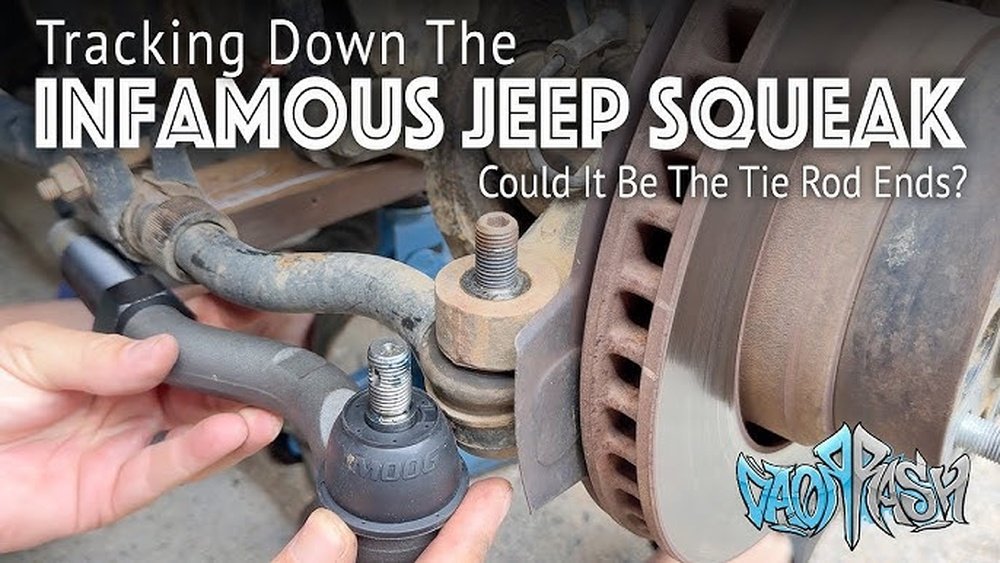
- Steering Components: Tie rods, steering rack, and other parts can wear out. Worn or loose tie rods often make squeaking noises when you turn the wheel.
- Wheel Bearings: Bad wheel bearings sometimes produce squeaks, especially when the Jeep leans into a turn.
- Brakes: Brake pads or hardware can squeak if they are worn, glazed, or dirty. This is more common when turning and braking at the same time.
- Rubber Parts: Weatherstripping, sway bar bushings, or other rubber components can squeak as they age.
Here’s a quick comparison of the most common causes:
| Component | Typical Noise | When Does It Happen? | Repair Cost (USD) |
|---|---|---|---|
| Ball Joints | Squeak/Creak | Turning, bumps | 150–350 |
| Bushings | Squeak | Turning | 100–250 |
| Power Steering | Groan/Squeal | Turning | 120–600 |
| Wheel Bearings | Whine/Squeak | Turning, speed | 200–400 |
How To Diagnose Squeaking In Your Jeep
Finding the exact source of the squeak is key to fixing it. Follow these steps:
Listen Carefully
Pay attention to when the squeak happens:
- Is it only when turning left or right?
- Does it happen at low or high speed?
- Is it louder over bumps?
This helps you narrow down which part is involved.
Inspect Under The Vehicle
Look for:
- Leaking fluid: Check for power steering leaks.
- Worn rubber: Examine bushings and ball joints for cracks or dryness.
- Loose components: Wiggle tie rods and sway bars.
Test Drive
Drive slowly in a parking lot. Turn the wheel fully left and right. Listen for changes in the noise. If the sound gets louder while turning sharply, it’s likely a steering or suspension issue.
Professional Diagnosis
If you cannot find the cause, a mechanic can use specialized tools and lifts to inspect the suspension. They can also test the power steering and brakes.
Here’s a table showing which symptoms often match which causes:
| Symptom | Likely Cause | DIY Fix? |
|---|---|---|
| Squeak on bumps | Ball joints or bushings | Possible |
| Squeak only when turning | Steering rack or bushings | Sometimes |
| Groan with squeak | Power steering | No |
| Squeak with brake | Brakes or wheel bearings | Possible |
How To Fix Squeaking When Turning
Once you know the cause, you can fix it. Here are practical solutions:
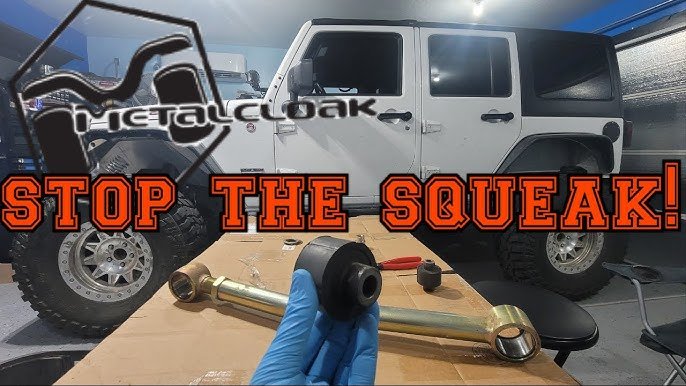
- Lubricate Bushings: Use silicone spray or white lithium grease on rubber bushings. Avoid oil-based products, which can damage rubber.
- Replace Worn Ball Joints: If the ball joints are bad, replace them. This is a common repair for Jeeps with over 50,000 miles.
- Check Power Steering Fluid: If fluid is low, top it off. If you see leaks, repair them. Replacing the pump may be needed if it is noisy.
- Replace Tie Rods or Steering Rack: Worn tie rods or rack parts need replacement. These parts are essential for safe steering.
- Wheel Bearing Replacement: If bearings are bad, change them soon. Driving with a bad bearing is dangerous.
- Brake Maintenance: Clean and replace brake pads if needed. Sometimes, hardware or calipers need attention.
- Weatherstripping Care: For squeaks from rubber, clean and condition weatherstripping. This is a quick fix.
Extra Tips
- Use high-quality parts for longer-lasting repairs.
- Regular maintenance, like greasing joints, prevents squeaks.
- Check your Jeep’s recall history; some models have issues with steering components.
Many Jeep owners miss the importance of lubricating bushings regularly. Another common oversight is not checking for recalls that affect steering parts. These non-obvious steps can save money and prevent bigger problems.
When To See A Mechanic
If the squeak doesn’t go away after basic checks, or if you notice vibration, loose steering, or difficulty turning, seek professional help. Some issues, like a failing steering rack or wheel bearing, can lead to unsafe driving. Mechanics have tools to inspect and fix these problems properly.
According to the Consumer Reports, ignoring worn ball joints can cause steering failure. Always prioritize safety if you are unsure.
Frequently Asked Questions
What Happens If I Ignore The Squeaking Noise?
Ignoring a squeak can lead to more serious damage. For example, a bad ball joint can break, making steering dangerous. Squeaks often get louder and signal that a part is failing.
Can I Fix Jeep Squeaking Myself?
Some fixes, like lubricating bushings or topping off power steering fluid, are DIY. But replacing ball joints or steering rack parts usually needs special tools and experience.
How Much Does It Cost To Fix Squeaking In A Jeep?
Cost depends on the cause. Simple lubrication costs under $20. Ball joint or bearing replacements range from $150 to $400. Steering rack repairs can cost $500 or more.
Are Squeaks Common In Older Jeeps?
Yes, older Jeeps often develop squeaks due to worn suspension and steering parts. Regular maintenance helps prevent this.
Is It Safe To Drive With A Squeaking Jeep?
It depends on the cause. If the squeak is from weatherstripping, it’s not dangerous. If it’s from ball joints, bearings, or steering, it can be unsafe. Always check the source.
Your Jeep is built for tough roads, but even tough vehicles need care. Squeaking when you turn may seem minor, but it often signals something that needs attention. By understanding the causes and fixing them early, you keep your Jeep safe, comfortable, and reliable.
Regular maintenance and quick action save money and trouble down the road.