If you drive a Jeep Wrangler, you know how important it is to keep your engine cool and protected. The antifreeze color you use in your Wrangler can make a big difference in performance, lifespan, and even warranty coverage. Many drivers get confused because different Jeep models use different antifreeze colors. Choosing the wrong one can lead to expensive repairs. Let’s clear up the confusion and help you pick the right coolant for your Jeep Wrangler.
Why Does Antifreeze Color Matter?
Antifreeze is not just about color—it’s about chemistry. The color helps you identify the type of coolant, but each color has its own formula and additives. Using the wrong coolant can cause corrosion, leaks, or damage to your cooling system. For Jeep Wranglers, following the manufacturer’s recommendations is essential.
Most Jeep Wranglers use either purple, orange, or green coolant. The color tells you about the technology and compatibility:
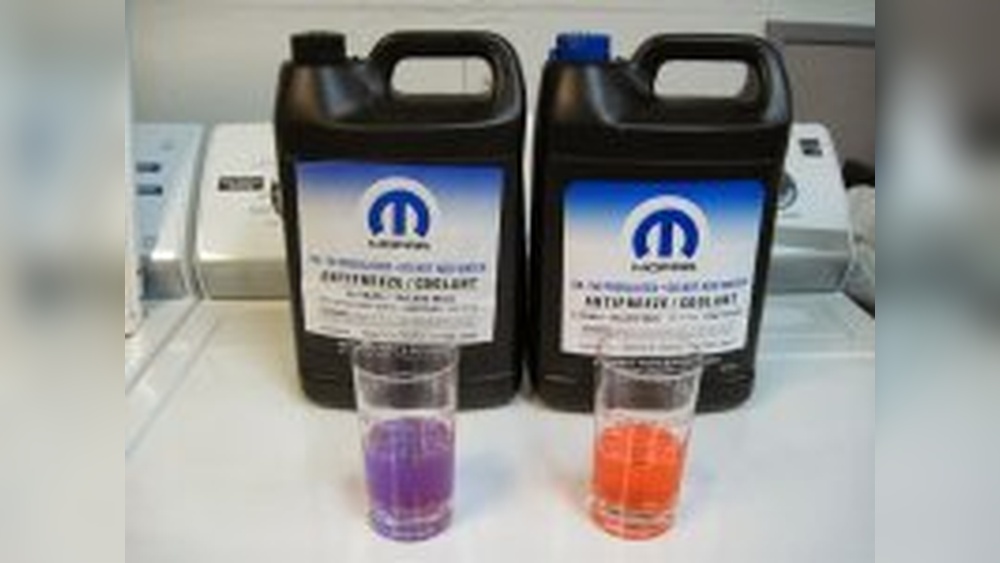
- Purple: OAT (Organic Acid Technology) coolant
- Orange: HOAT (Hybrid Organic Acid Technology) coolant
- Green: IAT (Inorganic Additive Technology) coolant
Each formula is designed for certain Jeep model years and engines.
Antifreeze Colors By Jeep Wrangler Model Year
Different Jeep Wrangler generations and engines require different antifreeze colors. Here’s a breakdown:
| Model Year | Antifreeze Color | Type |
|---|---|---|
| 2012–present | Purple | OAT |
| 1999–2011 | Orange | HOAT |
| Before 1999 | Green | IAT |
Purple OAT coolant is the most common for newer Wranglers. It offers long-lasting protection and is designed for aluminum radiators and parts. Orange HOAT coolant is used in many older Wranglers and mixes both organic and inorganic additives. Green IAT coolant is found in classic Jeep models and needs frequent replacement.
What’s Inside Each Antifreeze Color?
To understand why colors matter, it helps to look at what’s inside:
| Color | Main Additives | Typical Lifespan |
|---|---|---|
| Purple (OAT) | Organic acids | 5–10 years or 150,000 miles |
| Orange (HOAT) | Silicates + organic acids | 5 years or 100,000 miles |
| Green (IAT) | Silicates, phosphates | 2 years or 30,000 miles |
OAT coolants last longer and offer better protection against rust. HOAT coolants are a balance good for both aluminum and traditional parts.
IAT coolants are more old-fashioned and need frequent changes.
How To Check Which Antifreeze Your Jeep Wrangler Needs
Finding the right antifreeze isn’t just about looking at the color in your radiator. Follow these steps:
- Check your owner’s manual: Jeep lists the recommended coolant type and color.
- Read the label: Look for “OAT,” “HOAT,” or “IAT” on the coolant bottle.
- Look at the radiator cap: Some models list the correct coolant type.
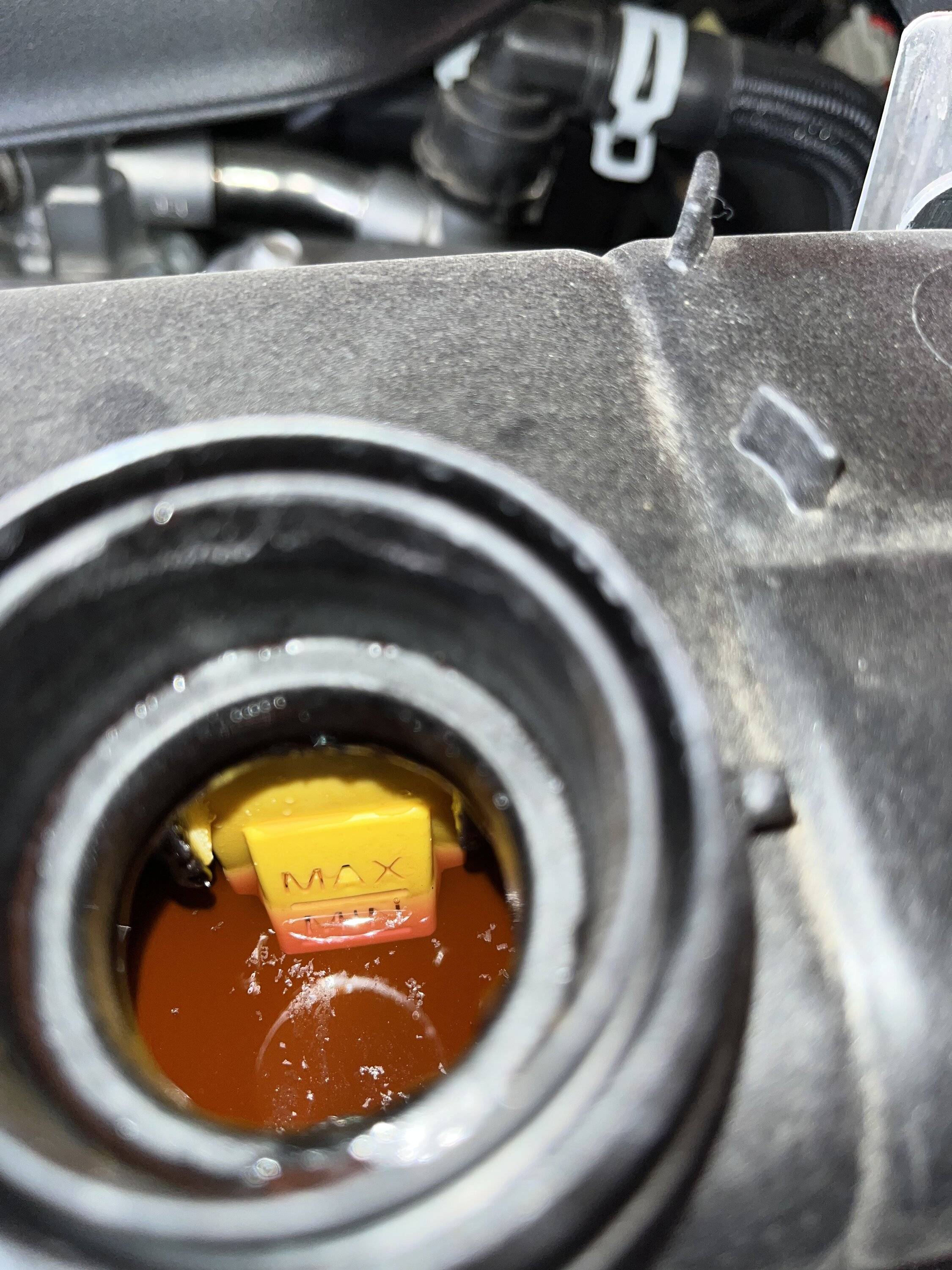
- Check the coolant reservoir: If the coolant is clear or faded, don’t rely on color alone—follow the manual.
Mixing different coolant types is a common mistake. For example, adding green IAT to a system that needs purple OAT can cause sludge and reduce performance.
If you’re unsure, flush the system and start fresh.
Real-world Examples And Mistakes To Avoid
Let’s say you own a 2018 Jeep Wrangler JK. The manual recommends purple OAT coolant. Using orange HOAT or green IAT can damage the water pump or heater core. Many drivers make this mistake because stores often sell universal coolants that claim to work for all vehicles. Jeep’s system is sensitive, so always use the recommended coolant.
Another example: A 2005 Jeep Wrangler TJ needs orange HOAT coolant. Some mechanics, trying to save money, use green IAT. This can cause leaks and may void your warranty.
Beginner insight: Antifreeze color can fade over time. Don’t rely only on color if your coolant is old—check the label and manual. Also, some brands tint their coolant differently, so always check compatibility.
Can You Mix Antifreeze Colors?
Mixing antifreeze colors is risky. For Jeep Wranglers, mixing OAT, HOAT, and IAT coolants can cause:
- Sludge or gel formation
- Reduced corrosion protection
- Overheating or water pump failure
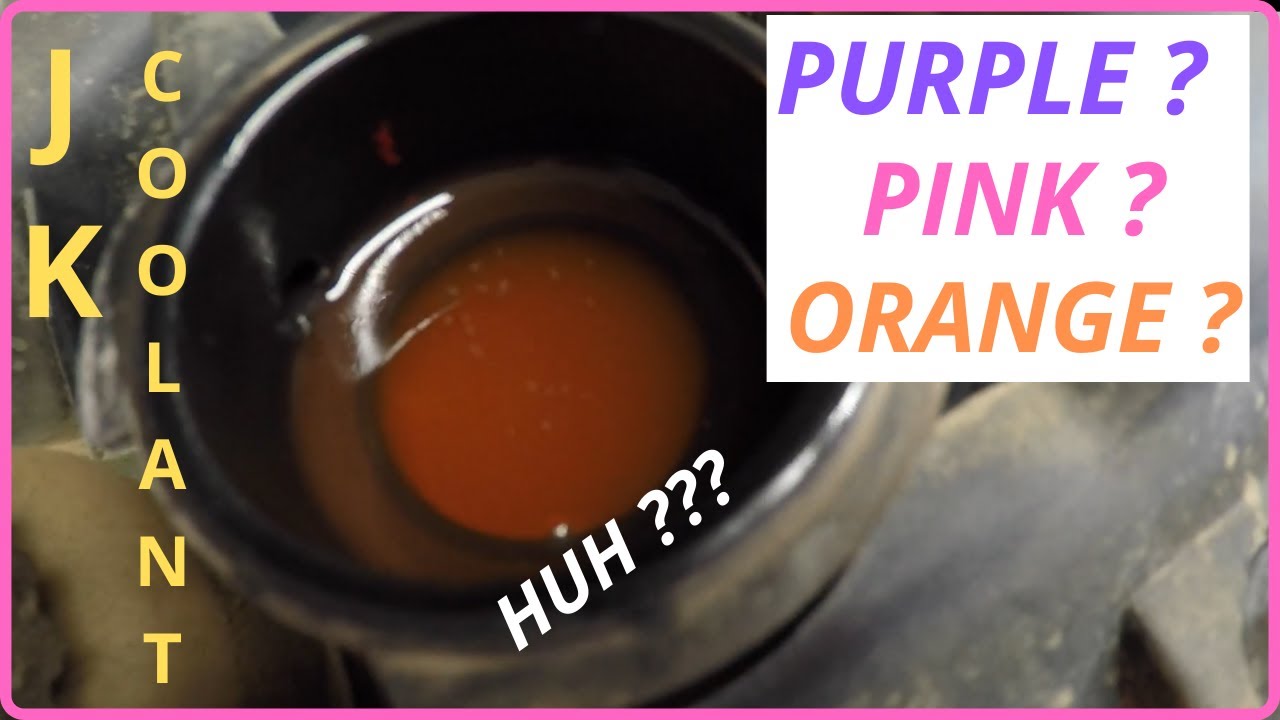
If you accidentally mix types, flush your cooling system completely. Never top off with a different color unless you know the chemistry matches.
How Often Should You Change Antifreeze?
Changing antifreeze depends on the type:
- OAT (Purple): Every 5–10 years or 150,000 miles
- HOAT (Orange): Every 5 years or 100,000 miles
- IAT (Green): Every 2 years or 30,000 miles
Most Jeep dealerships recommend checking coolant levels every oil change. If your coolant looks dirty, rusty, or faded, it’s time to replace.
Antifreeze Brands For Jeep Wrangler
Popular brands offer coolants for Jeep Wranglers. Here’s a quick comparison:
| Brand | Type | Compatible Years |
|---|---|---|
| Mopar | OAT, HOAT | 1999–present |
| Prestone | Universal | Check compatibility |
| Zerex | OAT, HOAT, IAT | All years |
Mopar is the official Jeep brand and guarantees compatibility. Universal brands can work but always check the label for OAT, HOAT, or IAT.
Where To Find Official Jeep Antifreeze Information
Jeep’s official site and owner’s manuals provide accurate coolant recommendations. For detailed technical specs, visit Jeep Owner’s Manuals.
Frequently Asked Questions
What Color Antifreeze Does A 2022 Jeep Wrangler Use?
A 2022 Jeep Wrangler uses purple OAT coolant. Always use Mopar OAT or a compatible brand.
Can I Use Green Antifreeze In A Newer Jeep Wrangler?
No. Green IAT coolant is only for older Wranglers (before 1999). Using it in newer models can cause damage.
How Can I Identify The Antifreeze Type If The Color Is Faded?
Check the owner’s manual or the coolant bottle for OAT, HOAT, or IAT. Color fades, but the chemistry stays the same.
What Happens If I Mix Antifreeze Colors?
Mixing coolants can cause sludge, reduce protection, and lead to overheating. Always use one type and flush the system if you switch.
Are Universal Coolants Safe For Jeep Wrangler?
Some universal coolants are compatible, but always check for OAT, HOAT, or IAT on the label. Mopar coolants are safest.
Choosing the right color antifreeze for your Jeep Wrangler protects your engine and saves money. Follow the manual, check labels, and avoid mixing types.
With the right coolant, your Wrangler will run cool and strong for years.


















