If you own a Jeep or are considering buying one, understanding the right antifreeze color is important for keeping your engine healthy. Antifreeze isn’t just about preventing freezing; it also protects your Jeep from overheating and corrosion.
Choosing the wrong type or color can cause damage, lead to expensive repairs, or void your warranty. Let’s break down the details about Jeep antifreeze colors, why they matter, and how to make the best choice for your vehicle.
Why Antifreeze Color Matters In Jeeps
Antifreeze color is not just for looks. The color signals the chemical makeup of the coolant and its compatibility with your engine. Jeep owners often notice green, orange, or purple antifreeze in their vehicles. Each color stands for a different formula:
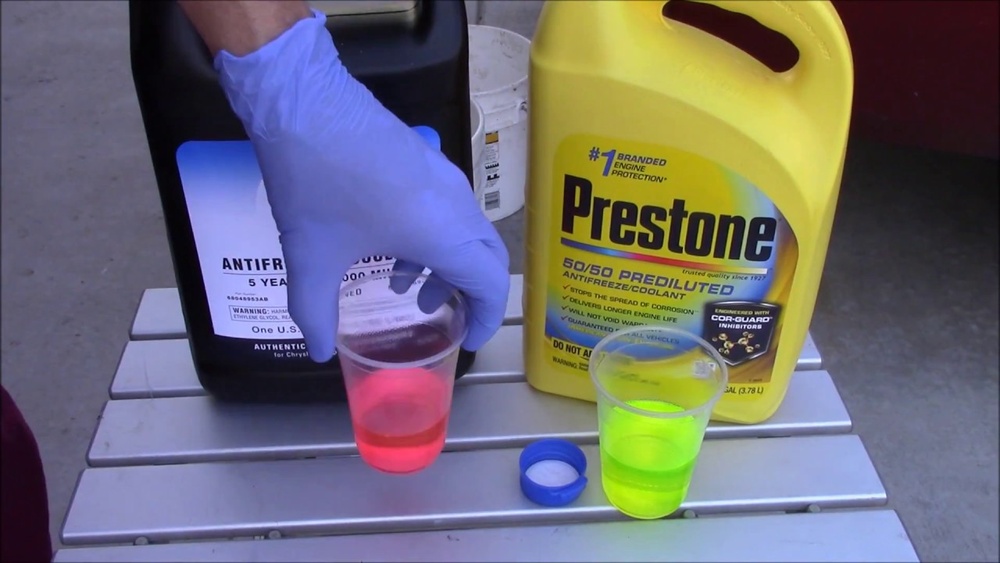
- Green: Older, traditional coolant.
- Orange: Extended-life coolant, often used in newer models.
- Purple: Newer formula, used in some Jeep models since around 2013.
Mixing the wrong colors can cause the coolant to gel or lose protection. This is why knowing your Jeep’s requirements is essential.
Jeep Antifreeze Colors Over The Years
Jeep models have changed their coolant formulas over time. Here’s how the color has shifted:
| Year Range | Common Antifreeze Color | Coolant Type |
|---|---|---|
| Before 1999 | Green | Inorganic Additive Technology (IAT) |
| 1999-2012 | Orange | Organic Acid Technology (OAT) |
| 2013-Present | Purple | HOAT / OAT (Hybrid/Organic Acid Technology) |
Most modern Jeeps (2013 and newer) use purple antifreeze. This coolant is designed for longer life and better protection. However, some Jeep models from the late 90s and early 2000s may still use orange coolant.
Comparing Jeep Antifreeze Types
Different antifreeze types have their own advantages and uses. Here’s a quick comparison:
| Type | Color | Protection | Change Interval |
|---|---|---|---|
| IAT | Green | Basic corrosion protection | 2 years / 24,000 miles |
| OAT | Orange | Better for aluminum parts | 5 years / 100,000 miles |
| HOAT | Purple | Long life, advanced protection | 5 years / 100,000 miles |
Most Jeep owners should use HOAT or OAT coolant. Always check your owner’s manual or consult your dealer before topping up.
How To Identify The Right Antifreeze For Your Jeep
If you’re unsure about which coolant to use, follow these steps:
- Check the owner’s manual. Jeep gives clear guidelines on which coolant to use.
- Look for the coolant cap label. Many Jeeps have a sticker or tag indicating the required type.
- Ask your dealership. Dealers have access to your Jeep’s service history and specs.
- Examine the coolant in your reservoir. If the fluid is purple, stick with HOAT. If it’s orange, use OAT.
Never mix coolant types or colors, as this can lower performance and harm your engine. Many beginners ignore this and end up with sludge in their radiator.

Jeep Antifreeze Brands And Specifications
Jeep recommends certain brands and formulas to keep your warranty valid. Mopar is the official brand for Jeep antifreeze, but there are alternatives.
| Brand | Recommended For | Color | Features |
|---|---|---|---|
| Mopar | All Jeeps | Purple | Factory-approved, long life |
| Peak | Older Jeeps | Green/Orange | Budget-friendly, good for older engines |
| Prestone | Some models | Orange/Purple | Widely available, compatible with OAT/HOAT |
Choose a brand that matches your Jeep’s requirements. Using off-brand or universal coolants might save money but can risk damage.
Practical Tips For Jeep Coolant Maintenance
Proper coolant maintenance keeps your Jeep running longer and avoids costly repairs. Here are some expert tips:
- Flush the system every five years (or 100,000 miles) for newer Jeeps.
- Check coolant levels monthly. Low coolant causes overheating.
- Inspect for leaks. Look for wet spots under the car or around the radiator.
- Never top off with water only. Always use the correct coolant mix.
Many Jeep owners forget to flush their system, leading to corrosion and overheating problems. Always use distilled water for mixing, not tap water, to prevent mineral buildup.
Common Mistakes When Choosing Jeep Antifreeze
Some mistakes are easy to avoid if you know what to look for:
- Mixing different coolant types. This can create sludge and block coolant flow.
- Ignoring manufacturer instructions. Always follow Jeep’s recommendations.
- Using tap water. Minerals in tap water can damage the cooling system.
- Buying universal coolant. Not all “universal” coolants are safe for Jeeps.
- Skipping coolant flushes. Old coolant loses its protective power.
Beginners often assume color doesn’t matter. In reality, the wrong color means the wrong formula for your engine. Always double-check before adding anything.
Frequently Asked Questions