Jeep owners love the sense of freedom and adventure their vehicles bring. But for some, that thrill turns to worry when they experience the Jeep death wobble—a violent shaking of the steering wheel that can feel like the vehicle is out of control. Understanding what causes the Jeep death wobble is crucial for both new and experienced drivers. With the right knowledge, you can prevent it and keep your ride safe.
What Is The Jeep Death Wobble?
The Jeep death wobble is not a myth or exaggeration. It’s a real and frightening event where the front wheels shake so hard that it feels like the Jeep might fall apart. It usually happens after hitting a bump at highway speeds, often above 45 mph. The steering wheel can jerk left and right, making it difficult to control the vehicle.
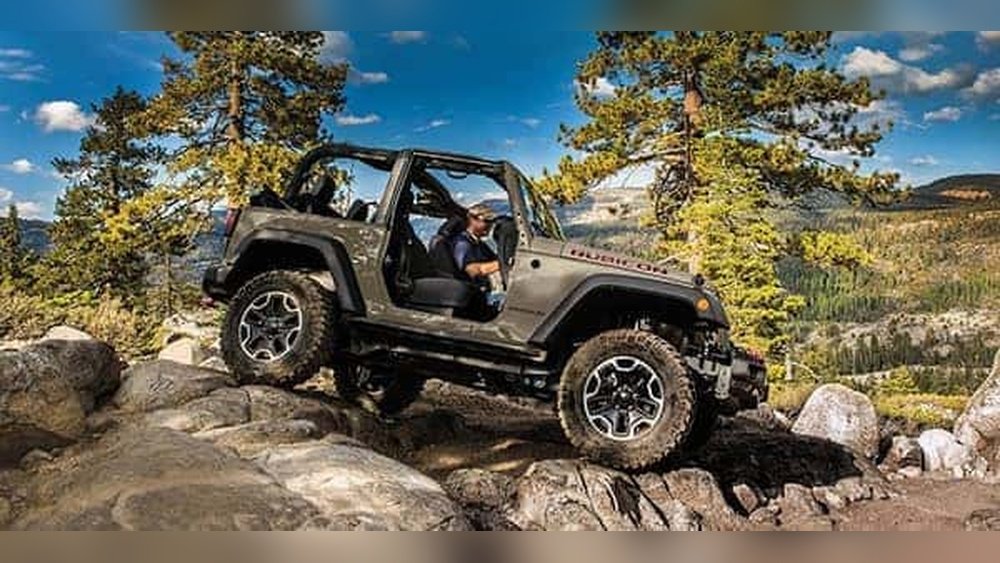
Death wobble is most common in solid front axle Jeeps, especially the Wrangler models (TJ, JK, JL) and sometimes XJ Cherokees. It’s not just uncomfortable—it can be dangerous if not handled correctly.
The Main Causes Of Jeep Death Wobble
Several issues can trigger the Jeep death wobble. Most are related to the steering and suspension systems. Here are the main causes:
1. Worn Or Loose Track Bar
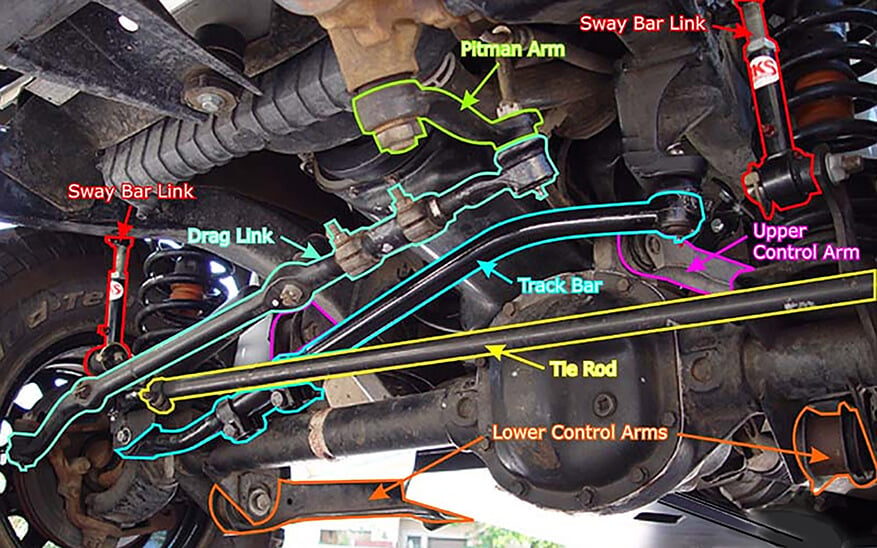
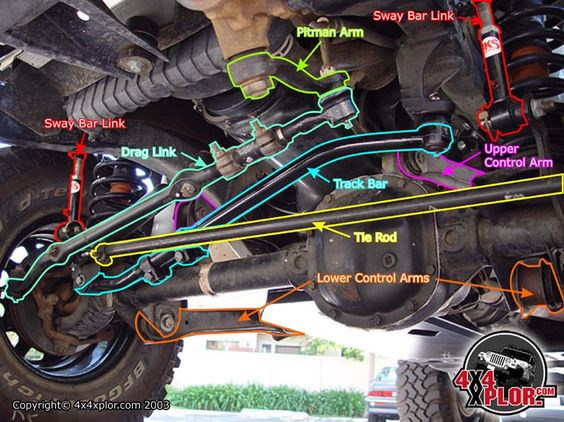
The track bar keeps the front axle centered under the Jeep. If the bushings or bolts become loose or worn, the axle shifts side-to-side, creating movement that leads to wobble. Even a small amount of play can cause big problems.
2. Failing Ball Joints
Ball joints connect the wheel hub to the axle and allow for smooth movement. When they wear out, they create slack in the steering. This slack can turn small bumps into uncontrollable shaking.
3. Bad Tie Rod Ends
Tie rod ends help link the steering wheel to the wheels. When these joints loosen, steering response suffers, and vibrations can grow into a severe wobble.
4. Worn Bushings
Bushings are rubber or polyurethane parts that cushion and connect suspension components. Over time, they crack or degrade, especially with off-road use. Weak bushings can’t hold the parts firmly, allowing movement that triggers wobble.
5. Unbalanced Or Misaligned Wheels
Wheels that are out of balance or misaligned make the steering wheel vibrate at higher speeds. If these vibrations match the natural frequency of the suspension, they can quickly build into a death wobble.
6. Improperly Installed Lift Kits
Many Jeep owners install lift kits for better clearance. However, a poorly installed lift can change suspension angles, stressing components and increasing the risk of death wobble.
7. Damaged Steering Stabilizer
The steering stabilizer (a type of shock absorber for the steering) can help control small vibrations. While it doesn’t cause death wobble, a bad stabilizer makes it easier for vibrations to get out of control.
How Common Is Jeep Death Wobble?
Death wobble is a well-known issue among Jeep owners. According to some estimates, about 1 in 4 Jeep Wranglers (especially those with modifications or high mileage) may experience it at some point. The National Highway Traffic Safety Administration (NHTSA) has received hundreds of reports, but it’s important to note that death wobble is not unique to Jeeps—any vehicle with a solid front axle can suffer from it.
Key Symptoms To Watch For
Knowing the signs can help you catch problems early:
- Sudden, violent shaking of the steering wheel after hitting a bump
- Rattling or clunking noises from the front end
- Loose or wandering steering
- Uneven or rapid tire wear
If you notice these symptoms, inspect your suspension and steering immediately.
Comparing Common Causes And Fixes
Understanding what part is most likely at fault helps you find solutions faster. Here’s a quick comparison:
| Cause | How Often It’s the Problem | Difficulty to Fix |
|---|---|---|
| Track Bar | Very Common | Medium |
| Ball Joints | Common | Hard |
| Tie Rod Ends | Common | Medium |
| Wheel Balance/Alignment | Occasional | Easy |
| Bushings | Common | Medium |
How To Diagnose The Death Wobble
Finding the root cause is not always simple. Here are steps that experienced mechanics use:
- Inspect the Track Bar: Wiggle it by hand—there should be no movement at the joints or bolts.
- Check Ball Joints and Tie Rod Ends: Lift the Jeep and rock the wheels by hand. Any play means parts are worn.
- Look for Worn Bushings: Examine all suspension bushings for cracks or softness.
- Balance and Align the Wheels: Unbalanced tires or misaligned wheels can add to the problem.
- Check for Bent or Damaged Parts: After off-road use, look for bent axles or tie rods.
A good tip: Always check the cheapest and easiest parts first. Many people replace the steering stabilizer, but that only hides the problem, not fixes it.
How To Prevent Death Wobble
Prevention is better than repair. Here’s how to reduce your risk:
- Maintain Suspension Regularly: Inspect and replace worn parts before they fail.
- Tighten Bolts: Jeep suspension bolts can loosen over time, especially after off-roading.
- Balance Tires: Have tires balanced at least once a year.
- Avoid Cheap Lift Kits: Use only quality parts and install them correctly.
- Don’t Ignore Small Vibrations: Small shakes can grow into big problems if left unchecked.
Cost Of Fixing Jeep Death Wobble
The cost can vary depending on the cause. Here’s a rough estimate:
| Repair Needed | Estimated Cost (Parts & Labor) |
|---|---|
| Track Bar Replacement | $150 – $400 |
| Ball Joints | $300 – $800 |
| Tie Rod Ends | $100 – $250 |
| Wheel Balance & Alignment | $80 – $150 |
| Bushing Replacement | $200 – $500 |
Keep in mind, fixing death wobble is not just about comfort—it’s about safety.
When To See A Professional
If you can’t find the cause, or if repairs don’t solve the problem, see a qualified mechanic. Some issues require special tools or expertise. Never ignore the death wobble, hoping it will go away—it won’t.
Non-obvious Insights
- Not Just a Jeep Problem: While Jeeps are famous for death wobble, any vehicle with a solid front axle (like some trucks and SUVs) can develop similar issues.
- Aftermarket Parts Matter: Some aftermarket suspension parts can increase the risk, especially if they’re not designed for your specific Jeep model.
- Weather and Terrain Impact: Rust and dirt from off-roading or winter roads can speed up wear, so inspection is extra important after tough trips.

Frequently Asked Questions
Why Do Only Some Jeeps Get Death Wobble?
Not all Jeeps experience death wobble. It usually happens in Jeeps with high mileage, suspension modifications, or worn parts. Proper maintenance greatly reduces the risk.
Is Death Wobble Dangerous?
Yes, death wobble can make it very hard to control your Jeep, especially at highway speeds. Always slow down safely and pull over if it happens.
Can A Steering Stabilizer Fix Death Wobble?
A steering stabilizer can help control minor vibrations but does not fix the root cause. It’s best to find and repair the worn or loose part.
Does Tire Size Affect Death Wobble?
Larger tires can make the suspension work harder and increase the risk, especially if the suspension isn’t upgraded to handle the extra weight.
Where Can I Learn More About Jeep Death Wobble?
You can read more at the official Wikipedia page on death wobble for technical details and history.
Jeep death wobble is scary, but it’s not unsolvable. With regular checks, quality repairs, and a little knowledge, you can keep your Jeep adventure-ready and safe for every drive.