If you own a Jeep, you may have heard about the death wobble—a sudden, violent shaking that can make your steering wheel and whole vehicle tremble. This problem scares many drivers and often leads to questions about safety and repairs. Understanding the causes behind Jeep death wobble is key to preventing it and keeping your vehicle safe on the road.
What Is Jeep Death Wobble?
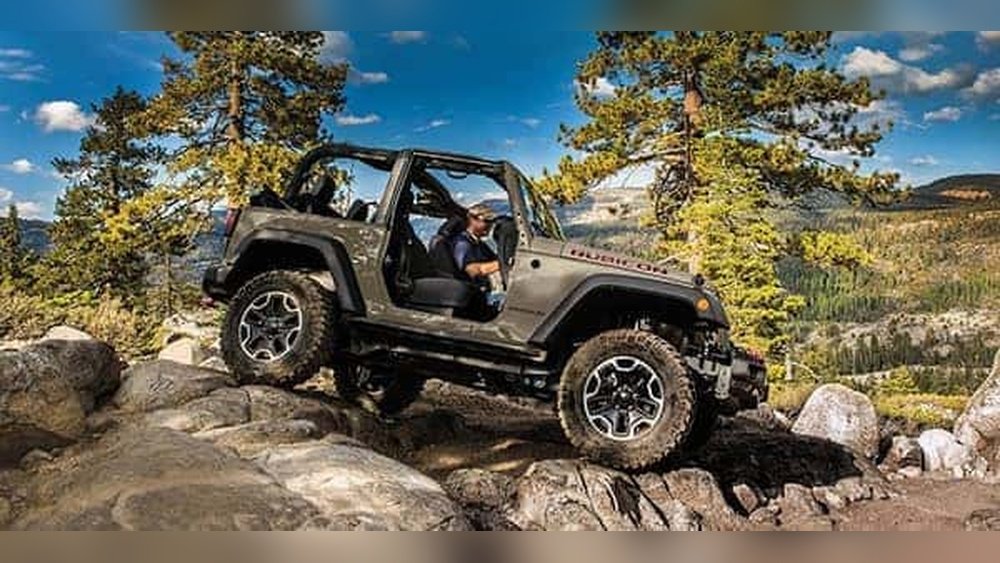
Jeep death wobble is not just a minor vibration. It’s a strong, uncontrollable shaking that usually happens at high speeds after hitting a bump. The steering wheel shakes rapidly from side to side, and the driver may lose control. Most often, death wobble affects Jeep Wrangler models, especially those with solid front axles.
This issue is more common in Jeeps that are lifted, have larger tires, or are used off-road. According to a National Highway Traffic Safety Administration report, over 600 complaints about death wobble were filed between 2012 and 2018 for Jeep Wranglers.
Main Causes Of Jeep Death Wobble
Death wobble is not caused by a single issue. Instead, it results from a combination of problems in your Jeep’s suspension and steering systems. Here are the most common causes:
1. Worn Track Bar Bushings
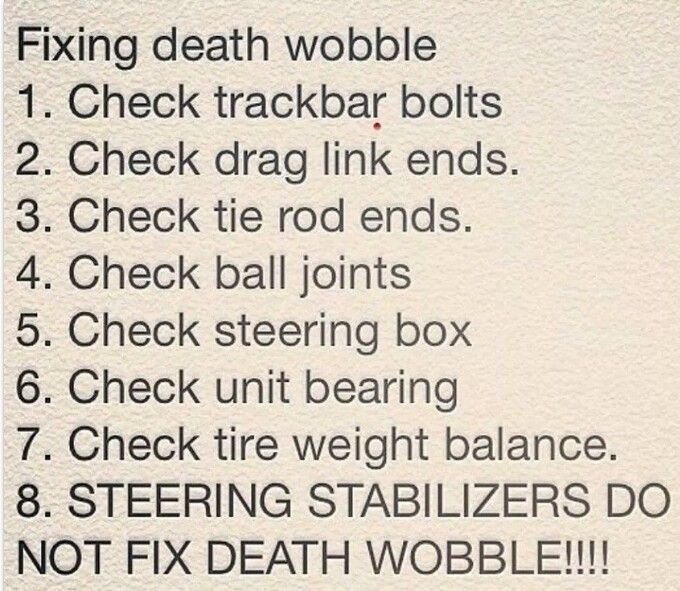
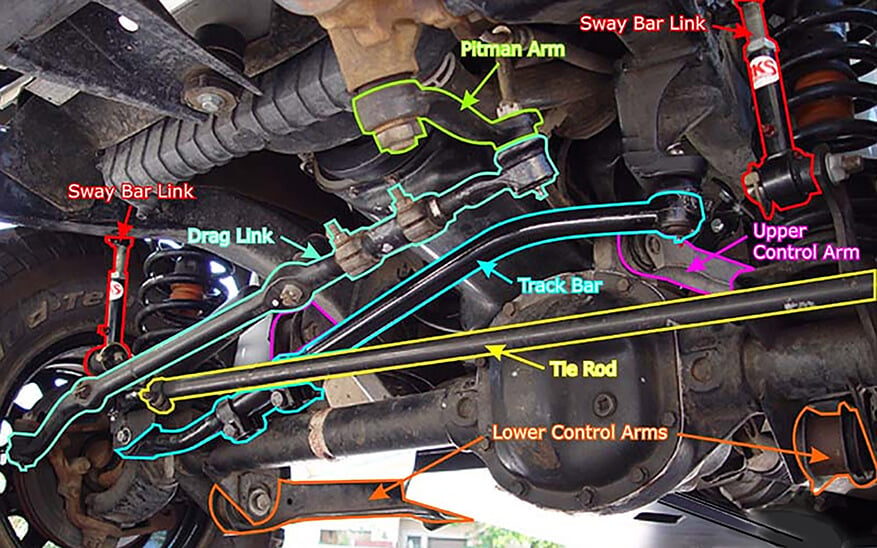
The track bar connects your axle to the frame, keeping the front wheels stable. If the bushings or bolts are worn out, the axle can shift, leading to wobble.
2. Loose Or Damaged Steering Components
Parts like tie rods, ball joints, and drag links control your steering. If they are loose or damaged, your Jeep can lose stability. Even a small amount of play in these parts can trigger death wobble.
3. Misaligned Or Unbalanced Tires
Tires that are out of balance or not aligned properly can cause vibrations. When combined with other issues, these vibrations can grow into a death wobble.
4. Worn Wheel Bearings
Wheel bearings support the weight of your Jeep and allow the wheels to rotate smoothly. If they are worn, they can cause excessive movement and vibrations.
5. Suspension Modifications
Lifting your Jeep or adding bigger tires changes the geometry of the suspension. If parts are not upgraded or adjusted properly, it can cause instability and make death wobble more likely.
6. Faulty Shocks And Bushings
Shocks absorb bumps and keep your Jeep steady. If shocks or bushings are worn, your suspension cannot control movement, leading to wobble.
How Death Wobble Starts
Death wobble usually starts with a trigger—a bump in the road, pothole, or uneven surface. If your Jeep’s suspension and steering parts are worn or loose, that sudden force creates a chain reaction. Vibrations grow quickly and the steering wheel shakes violently.
Drivers often have to slow down or stop to regain control.
Here’s a simple breakdown of how death wobble happens:
- Jeep hits a bump or pothole at speed.
- Weak suspension or steering parts fail to absorb the shock.
- Vibrations pass through the track bar, steering, and wheels.
- The shaking gets worse, causing the steering wheel to move side to side.
Jeep Models Most Affected
Some Jeep models are more likely to experience death wobble. The problem is most common in older Jeeps with solid front axles and lifted suspensions. Below is a comparison of models:
| Jeep Model | Death Wobble Risk | Notes |
|---|---|---|
| Wrangler TJ (1997–2006) | High | Solid axle, often lifted |
| Wrangler JK (2007–2018) | Very High | Common complaints, solid axle |
| Wrangler JL (2018–present) | Moderate | Improved design, but still at risk |
| Grand Cherokee | Low | Independent suspension |
Signs To Watch For
Detecting early signs can help you fix issues before death wobble occurs. Look for:
- Steering wheel feels loose or “wanders”
- Unusual tire wear
- Clunking or popping noises from the front end
- Vibration at certain speeds
Many drivers ignore these signs, thinking they are normal for Jeeps. In reality, these can be early warnings.
How To Prevent And Fix Jeep Death Wobble
Preventing death wobble involves regular maintenance and careful upgrades. Here are steps you can take:
- Inspect track bar bushings and bolts. Replace if worn.
- Check all steering components for looseness or damage.
- Balance and align your tires regularly.
- Upgrade suspension parts if you lift your Jeep.
- Replace shocks and bushings as needed.
Below is a comparison of common fixes and their effectiveness:
| Fix | Effectiveness | Estimated Cost |
|---|---|---|
| Track bar replacement | High | $100–$250 |
| Steering component upgrade | High | $200–$600 |
| Tire balance/alignment | Moderate | $80–$150 |
| Shock absorber replacement | Moderate | $150–$400 |
Non-obvious Insights
- Many drivers wrongly believe that adding a steering stabilizer will fix death wobble. While it can mask symptoms, it does not address the root cause. Fixing worn parts is more important.
- Death wobble can appear after installing lift kits—even if all parts are new. This happens because suspension geometry changes, putting extra stress on parts like track bars and tie rods.
Real-world Example
A Jeep Wrangler owner noticed wobble after installing 35-inch tires and a 3-inch lift. The shop added a new steering stabilizer, but the problem returned. After replacing the track bar and aligning the wheels, the death wobble stopped. This shows that fixing the base parts is more effective than “band-aid” solutions.

Safety And Legal Concerns
Death wobble is not just uncomfortable—it can be dangerous. Losing control at highway speeds can lead to accidents. The issue has led to lawsuits and recalls. For example, in 2019, Jeep offered free repairs to some Wrangler owners after many complaints. You can read more about Jeep recalls at Wikipedia.
Frequently Asked Questions
What Is The Jeep Death Wobble?
The death wobble is a violent shaking of the steering wheel, usually at high speeds, caused by loose or worn suspension and steering parts.
Which Jeep Models Are Most Affected?
Wrangler TJ, JK, and JL models are most at risk. Jeeps with solid front axles and lifted suspensions experience it more often.
Can A Steering Stabilizer Fix Death Wobble?
A steering stabilizer can reduce symptoms but does not fix the root cause. Replace worn parts for a real solution.
Is Death Wobble Dangerous?
Yes, it can cause loss of control and accidents, especially at highway speeds. It’s important to fix the problem quickly.
How Do I Prevent Death Wobble?
Regularly check and maintain track bars, steering parts, shocks, and tires. Upgrade components if you lift your Jeep or add large tires.
Jeep death wobble can be frightening, but understanding its causes and solutions helps you stay safe. Regular checks and quality repairs are the best defense. If you notice any signs, act quickly—your safety depends on it.