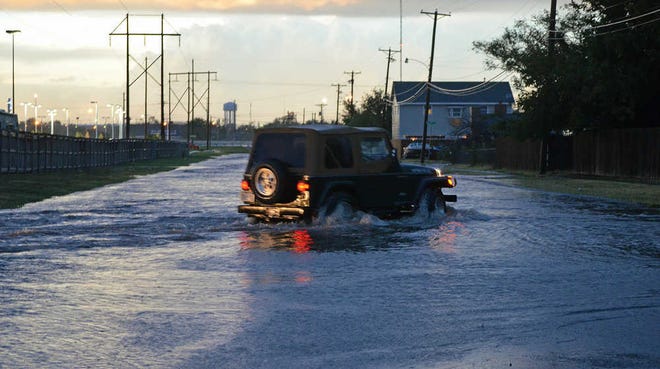
A Jeep is known for its ruggedness and off-road capability. But even tough vehicles can lose power, leaving drivers frustrated or worried.
When your Jeep suddenly feels slow or weak, it’s important to understand why. Power loss can come from many causes, some simple and others complex.
Knowing these reasons helps you fix the problem faster and keeps your Jeep running strong.
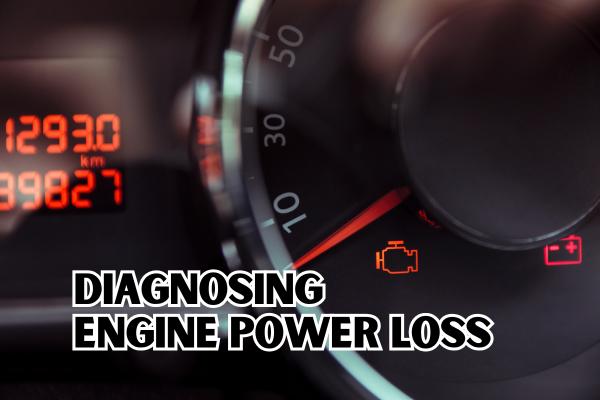
Common Reasons Why A Jeep Loses Power
Power loss in a Jeep can feel like slow acceleration, engine hesitation, or trouble climbing hills. Here are the most frequent causes:
1. Dirty Air Filter
A clogged air filter restricts air flow to the engine. This makes the engine work harder and reduces efficiency.
Jeep engines need clean air to burn fuel properly. If the filter is blocked by dust or debris, you’ll notice less power and worse fuel economy.
2. Faulty Spark Plugs
Spark plugs ignite the fuel in your engine. Worn or damaged plugs cause weak combustion, leading to rough idling and sluggish performance.
Replacing spark plugs every 30,000 to 50,000 miles keeps power consistent.
3. Fuel Delivery Problems
If the fuel pump or fuel injectors are dirty or failing, your Jeep won’t get enough fuel. Symptoms include sputtering, power loss under stress, and trouble starting. Using low-quality fuel can worsen these issues.
4. Exhaust Restrictions
A blocked catalytic converter or muffler prevents gases from escaping. This builds back pressure and reduces power.
Jeeps used off-road are more likely to have mud or debris blocking parts of the exhaust.
5. Transmission Issues
If the transmission slips, struggles to shift, or stays in low gear, engine power doesn’t reach the wheels efficiently. This is common in older Jeeps or those used for towing heavy loads.
6. Sensor Malfunctions
Modern Jeeps rely on sensors to manage fuel, air, and emissions. If the mass airflow sensor or oxygen sensor fails, the computer receives wrong data and changes engine performance. A check engine light often appears with sensor problems.
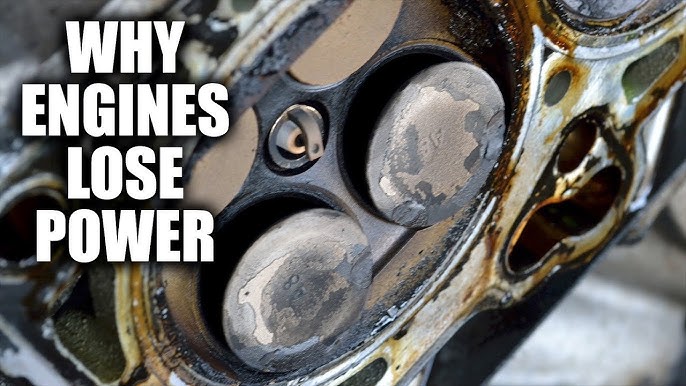
7. Low Compression
Compression is the pressure created when fuel and air mix in the engine. Low compression can result from worn piston rings or cylinder walls.
This causes severe power loss and usually needs expert repair.
Comparing Jeep Power Loss Causes
Different causes affect your Jeep’s performance in unique ways. This table shows how some issues compare:
| Cause | Symptoms | Repair Cost | Urgency |
|---|---|---|---|
| Dirty Air Filter | Slow acceleration, poor MPG | $20-$50 | Low |
| Faulty Spark Plugs | Rough idle, engine misfire | $50-$150 | Medium |
| Transmission Problems | Slipping, hard shifts | $500-$2,000+ | High |
| Sensor Failure | Check engine light, uneven power | $100-$300 | Medium |
How To Diagnose Power Loss In Your Jeep
Finding the root cause quickly can save time and money. Here are practical steps:
1. Listen And Observe
Notice any unusual sounds, smells, or dashboard lights. These clues help narrow down the issue.
2. Check Air Filter And Spark Plugs
Inspect the air filter for dirt and replace if needed. Look at spark plugs for wear or carbon buildup.
3. Scan For Error Codes
Use an OBD-II scanner to check for error codes. These codes identify faulty sensors or other problems.
4. Test Fuel Pressure
A mechanic can measure fuel pressure to see if the pump or injectors are working correctly.
5. Inspect Exhaust And Transmission
Look for signs of blockage or leaks in the exhaust. Check transmission fluid for proper level and color.
| Diagnostic Step | Tools Needed | Difficulty |
|---|---|---|
| Air Filter Inspection | Screwdriver | Easy |
| OBD-II Scanning | OBD-II Scanner | Medium |
| Fuel Pressure Test | Fuel Pressure Gauge | Hard |
| Transmission Check | Dipstick | Easy |
Preventing Power Loss In Your Jeep
Regular care keeps your Jeep powerful and reliable. Here are key tips:
- Change the air filter every 12,000 to 15,000 miles.
- Replace spark plugs as recommended by the manufacturer.
- Use high-quality fuel to prevent deposits in the system.
- Inspect the exhaust system after off-road trips.
- Check transmission fluid every 20,000 miles.
- Scan for error codes if the check engine light appears.
One insight many beginners miss: using cheap fuel can lead to deposits in the fuel system, causing power loss over time. Also, ignoring minor symptoms like slow acceleration can lead to bigger, more expensive problems later.
Jeep Models: Power Loss Risks
Different Jeep models may have unique risks based on their design and usage. For example, the Jeep Wrangler often faces exhaust blockages from off-road mud, while the Grand Cherokee can suffer from sensor failures due to complex electronics.
| Model | Typical Power Loss Cause | Special Notes |
|---|---|---|
| Wrangler | Exhaust blockage | Common after off-roading |
| Grand Cherokee | Sensor failure | Check electronics regularly |
| Compass | Dirty air filter | Frequent city driving risk |
Frequently Asked Questions
What Should I Do First If My Jeep Loses Power?
Start by checking the air filter and spark plugs. These are easy fixes and often cause power loss.
If the problem continues, use an OBD-II scanner to check for error codes.
Does Bad Fuel Cause Power Loss In Jeeps?
Yes, low-quality fuel can clog injectors and reduce performance. Always use fuel recommended by Jeep to avoid engine problems.
Can A Jeep Lose Power Because Of Weather?
Extreme cold or heat can affect engine sensors and fuel delivery. In winter, thick oil may slow engine parts. In summer, overheating can cause power loss.
How Often Should I Change My Jeep’s Air Filter?
Change the air filter every 12,000 to 15,000 miles. If you drive off-road or in dusty areas, change it more often.
Is It Safe To Drive A Jeep With Power Loss?
It depends on the cause. Minor issues like a dirty air filter are safe for short drives, but major problems like transmission failure can damage your Jeep or create safety risks.
When your Jeep loses power, act quickly to find the cause. Small steps like regular maintenance and listening to your vehicle help prevent bigger problems. If you’re unsure, seek help from a trusted mechanic or check reliable information at Consumer Reports. A well-maintained Jeep delivers the power and performance you expect, whether on city roads or tough trails.