The Jeep Grand Cherokee is a popular SUV known for its power and comfort. But even reliable vehicles can face trouble, especially with overheating.
Overheating is a serious issue—it can damage your engine and leave you stranded. Understanding what causes your Jeep Grand Cherokee to overheat is the first step to avoiding costly repairs and keeping your SUV running smoothly.
Key Causes Of Jeep Grand Cherokee Overheating
Many factors can make your Grand Cherokee run hotter than it should. Here are the main causes:
1. Coolant Leaks
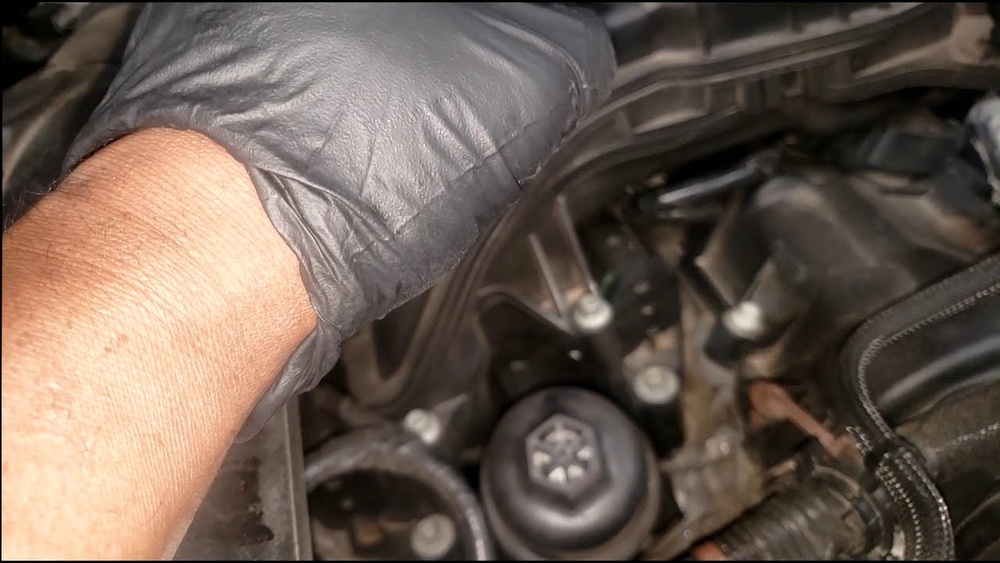
The most common reason for overheating is a coolant leak. If coolant escapes from the radiator, hoses, or water pump, there isn’t enough fluid to keep the engine cool. Even a small leak can lower coolant levels, making the engine run hotter.
2. Faulty Thermostat
The thermostat controls coolant flow. If it gets stuck closed, coolant can’t reach the engine, causing overheating. Symptoms include temperature spikes and sudden changes on your dashboard gauge.
3. Radiator Problems
A clogged radiator can’t transfer heat properly. Dirt, rust, or old coolant can block the radiator, reducing cooling power. Damaged radiator fins or leaks can also cause trouble.
4. Broken Water Pump
The water pump moves coolant through the engine. When it fails, coolant doesn’t circulate, and the engine overheats quickly. Signs include coolant puddles under the car and whining noises.
5. Cooling Fan Issues
The cooling fan pulls air through the radiator. If the fan motor or relay fails, the radiator can’t cool the engine, especially in traffic or hot weather.
6. Low Coolant Levels
Sometimes, there’s no leak just not enough coolant. Forgetting regular maintenance or not topping off fluid can make the engine overheat.
7. Air In The Cooling System
Air pockets block coolant flow and make the system less effective. After a repair or coolant refill, trapped air can lead to temperature spikes.
8. Head Gasket Failure
A blown head gasket allows coolant and oil to mix or lets combustion gases enter the cooling system. Overheating, white smoke, and milky oil are warning signs.
9. Drive Belt Problems
A worn or loose drive belt may not turn the water pump or fan efficiently, limiting cooling.
10. Overloaded Engine
Towing heavy loads or driving in extreme heat can overwork the engine, leading to overheating.
Comparing Key Components And Their Impact
Below is a look at how different cooling system parts affect engine temperature:
| Component | Function | Impact if Failed |
|---|---|---|
| Thermostat | Controls coolant flow | Rapid overheating |
| Radiator | Dissipates heat | Gradual temperature rise |
| Water Pump | Circulates coolant | Immediate overheating |
| Cooling Fan | Draws air through radiator | Overheats at low speed |
| Head Gasket | Seals engine block | Severe overheating |
Signs Your Jeep Grand Cherokee Is Overheating
Knowing the warning signs helps you act before major damage happens. Watch for:
- Steam from under the hood
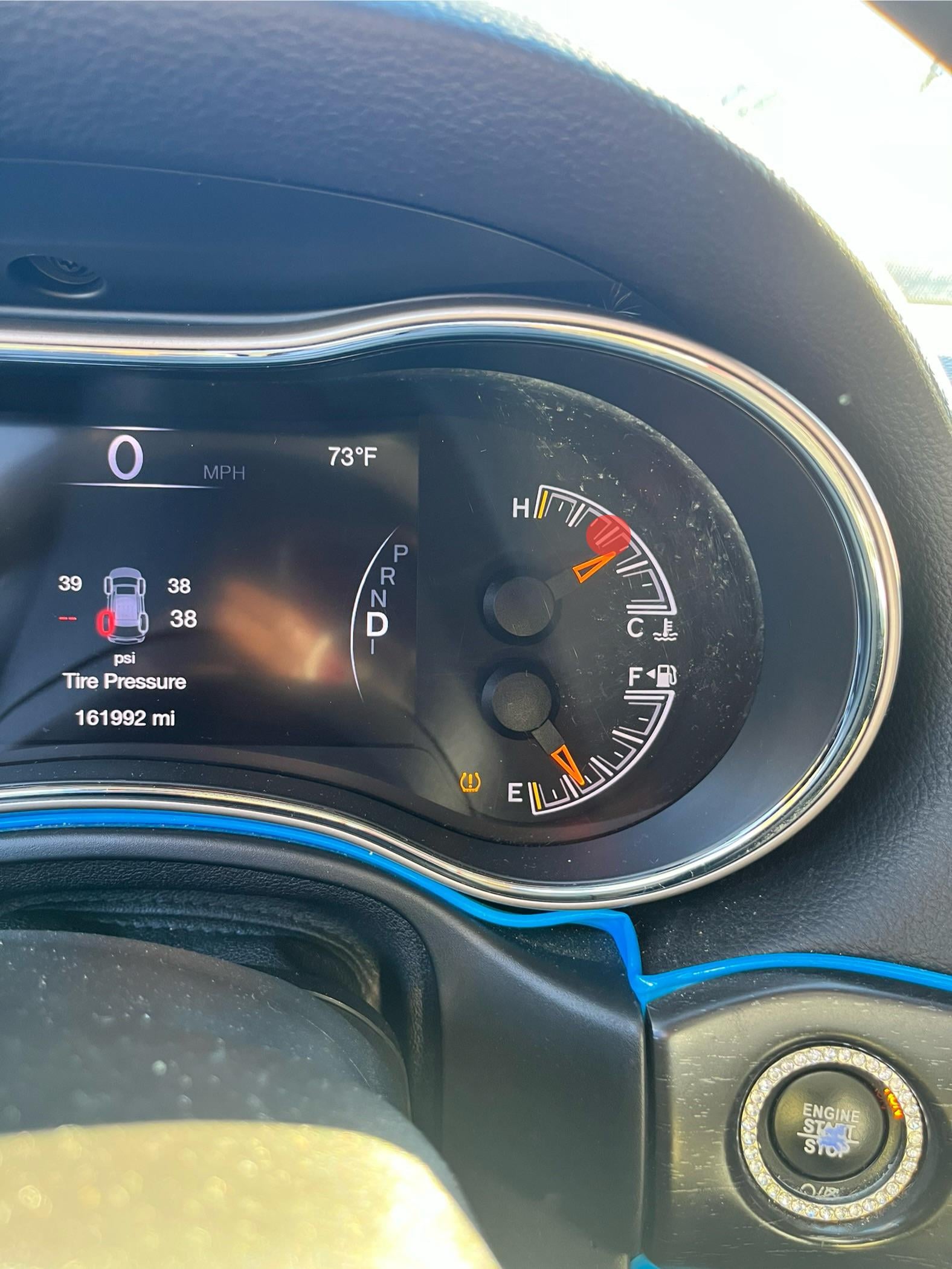
- High temperature gauge
- Coolant puddles under the vehicle
- Strange engine noises
- Sweet smell (antifreeze odor)
- Dashboard warning lights
How Driving Conditions Affect Overheating
Your driving habits and environment can change how likely your Grand Cherokee is to overheat. Here’s a comparison of different conditions:
| Driving Condition | Risk of Overheating | Reason |
|---|---|---|
| City Traffic | High | Less airflow, more idling |
| Highway Driving | Low | Constant airflow |
| Towing | Very High | Extra engine load |
| Hot Weather | High | Lower cooling efficiency |
Preventing Overheating In Your Grand Cherokee
Regular care can keep your Grand Cherokee cool, even in tough conditions. Here’s what you should do:
- Check coolant levels every month, especially before long trips.
- Inspect hoses and belts for cracks or leaks.
- Flush the radiator every 2 years to remove build-up.
- Test the thermostat and replace if needed.
- Watch for warning signs like temperature spikes.
- Clean radiator fins—dirt and bugs block airflow.
- Check fan operation—listen for the fan when the engine is hot.
- Don’t overload the vehicle or tow beyond recommended limits.
Many owners forget to check the coolant mix. Using only water or the wrong antifreeze can reduce cooling ability. Always use the mix recommended in your owner’s manual.
Real-world Example
A 2015 Jeep Grand Cherokee owner noticed the temperature gauge climbing during summer traffic. After checking, he found a small coolant leak in a radiator hose.
Fixing the hose and topping off coolant solved the overheating. This shows how even minor issues can lead to big problems if ignored.
Common Mistakes That Make Overheating Worse
Some mistakes make overheating worse:
- Ignoring leaks: Small leaks often go unnoticed.
- Skipping maintenance: Old coolant loses effectiveness.
- Using wrong coolant: Not all antifreeze types are the same.
- Delaying repairs: Waiting can turn minor fixes into major expenses.
Data: Jeep Grand Cherokee Cooling System Statistics
Below is a summary of average repair costs for cooling system problems:
| Issue | Average Repair Cost | Typical Repair Time |
|---|---|---|
| Coolant Leak | $150–$400 | 1–2 hours |
| Thermostat Replacement | $200–$350 | 1 hour |
| Radiator Replacement | $600–$900 | 2–3 hours |
| Water Pump Replacement | $500–$800 | 2–4 hours |
| Head Gasket Repair | $1,200–$2,000 | 6–10 hours |
For more technical details, check the official Jeep maintenance guide at Jeep Care.
Frequently Asked Questions
What Should I Do If My Grand Cherokee Overheats While Driving?
Pull over safely, turn off the engine, and let it cool. Open the hood to let heat escape, but do not touch the radiator until it’s cool.
Can I Drive With Low Coolant If The Engine Isn’t Overheating Yet?
No. Low coolant can cause sudden overheating and severe engine damage. Always refill before driving further.
How Often Should I Change The Coolant In My Jeep Grand Cherokee?
Change coolant every 2 years or 30,000 miles, whichever comes first. Always check your owner’s manual for specific advice.
Is Overheating Always Caused By A Coolant Leak?
Not always. Other causes include thermostat failure, water pump problems, and cooling fan issues.
What’s The Most Expensive Overheating Repair?
Head gasket repairs are usually the most expensive, costing over $1,200 due to labor and complexity.
Taking care of your Jeep Grand Cherokee’s cooling system prevents overheating and keeps your SUV reliable. With regular maintenance and attention to warning signs, you can avoid most overheating problems and enjoy smooth driving for years.