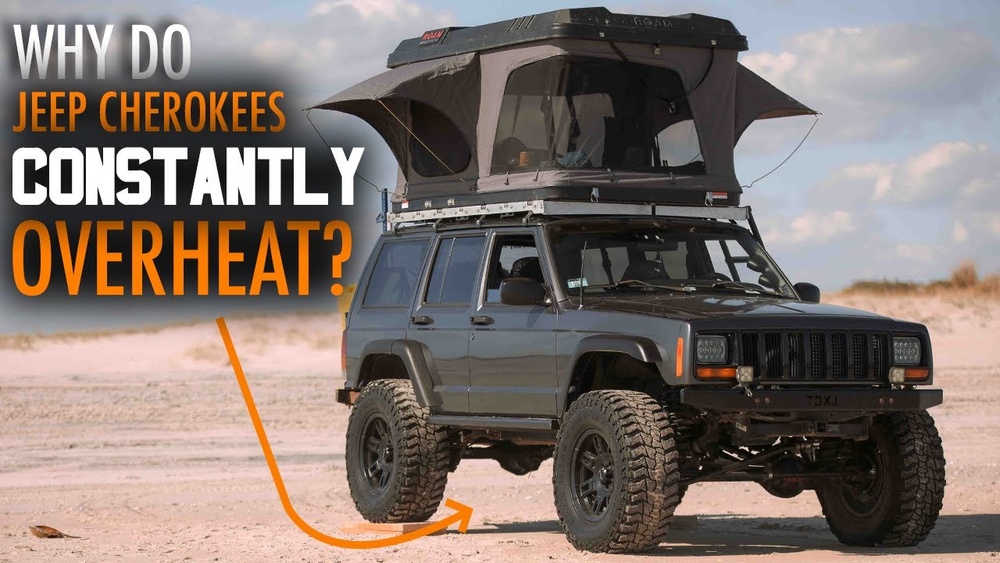
A Jeep Cherokee is known for its power and off-road capability. But even tough vehicles can face problems, and overheating is one of the most common issues Cherokee owners encounter.
Whether you drive in hot climates or deal with city traffic, an overheating engine can leave you stranded and even cause permanent damage. Understanding the real causes behind this problem can help you prevent costly repairs and keep your Cherokee running smoothly.
Common Causes Of Jeep Cherokee Overheating
Several factors can make a Jeep Cherokee’s engine overheat. Some are easy to fix, while others may require professional help. Let’s look at the main reasons.
Low Coolant Levels
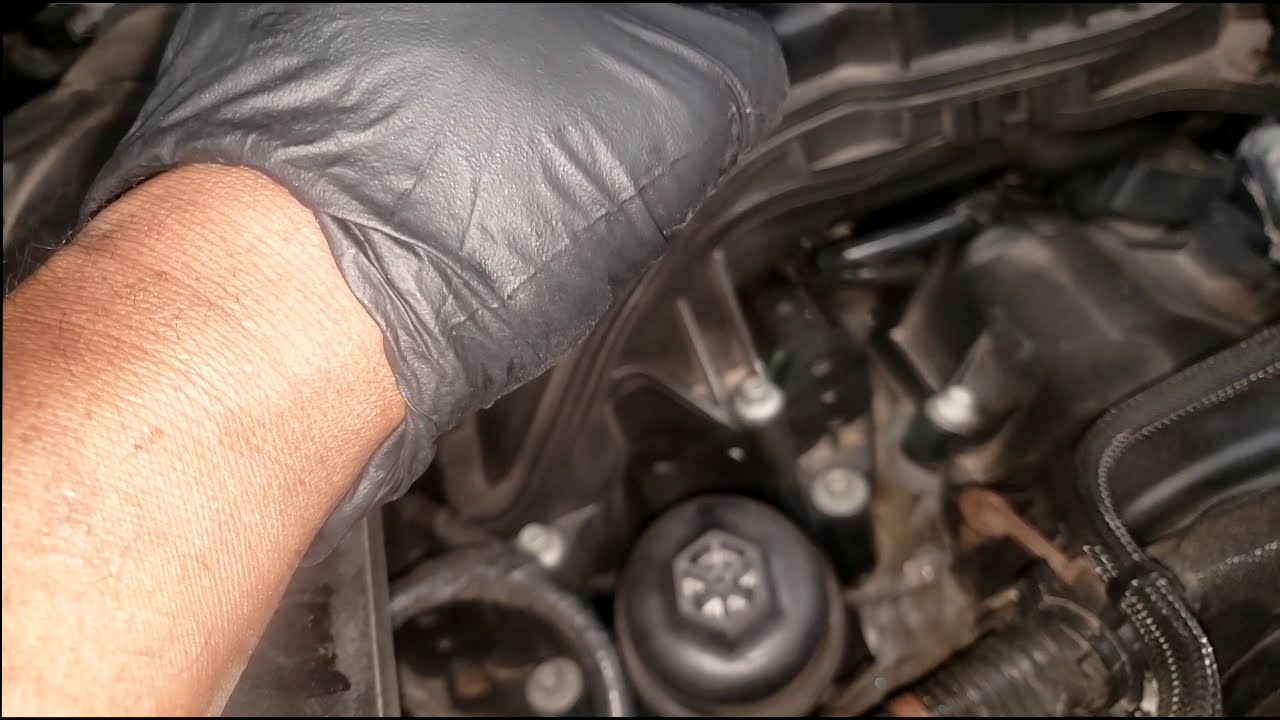
Coolant, also known as antifreeze, helps keep your engine at the right temperature. If the coolant level is too low, heat can’t escape properly, and the engine gets too hot. Leaks from the radiator, hoses, or water pump are the most common reasons for low coolant.
Faulty Thermostat
The thermostat controls when coolant moves from the engine to the radiator. If it sticks closed, the coolant stays inside the engine, causing it to heat up quickly. A stuck thermostat is a cheap part but a common source of overheating.
Broken Water Pump
The water pump pushes coolant throughout the engine. If it fails, coolant won’t circulate, and hot spots will form. Signs include coolant puddles under your Jeep or a whining noise from the engine bay.
Clogged Radiator
Over time, dirt, rust, or old coolant can block the radiator. This reduces its ability to cool the engine. A clogged radiator can cause slow but steady overheating, especially in heavy traffic or during summer.
Broken Radiator Fan
The radiator fan pulls air through the radiator when your Jeep is not moving fast enough for wind to cool it. If the fan motor or sensor fails, the radiator won’t get enough airflow, especially in stop-and-go traffic.
Air In Cooling System
If air gets trapped inside the cooling system, it forms bubbles that block coolant flow. This is often the result of improper coolant refilling after repairs or a leak.
Air pockets are tricky because they can cause random overheating episodes.
Failing Head Gasket
The head gasket seals the engine block and cylinder head. If it fails, exhaust gases can enter the coolant, causing overheating. This is a serious problem that often shows white smoke from the exhaust or coolant mixing with oil.
Less Obvious Causes And Insights
Some overheating issues are harder to notice but important to check.
- Old or wrong coolant – Using the wrong type or old coolant reduces its ability to absorb heat. Jeep Cherokees often require specific types of coolant (like HOAT or OAT), and mixing them can cause deposits or clogs.
- Blocked heater core – The heater core is like a small radiator inside the cabin. If it’s clogged, it can reduce coolant flow and affect engine temperature, even if your main radiator looks fine.
Quick Comparison: Common Vs. Rare Causes
Here’s a quick look at how often different issues cause overheating.
| Cause | Frequency | Repair Complexity |
|---|---|---|
| Low Coolant | Very Common | Easy |
| Thermostat | Common | Moderate |
| Water Pump | Moderate | Moderate |
| Clogged Radiator | Moderate | Moderate/Hard |
| Head Gasket | Rare | Very Hard |
How To Diagnose The Problem
Finding the real cause of overheating helps you fix it quickly and avoid bigger issues. Here’s how to start:
- Check coolant level – Open the coolant reservoir (when the engine is cool) and see if it’s low.
- Look for leaks – Check under the Jeep for puddles or stains. Green or orange fluid means coolant is leaking.
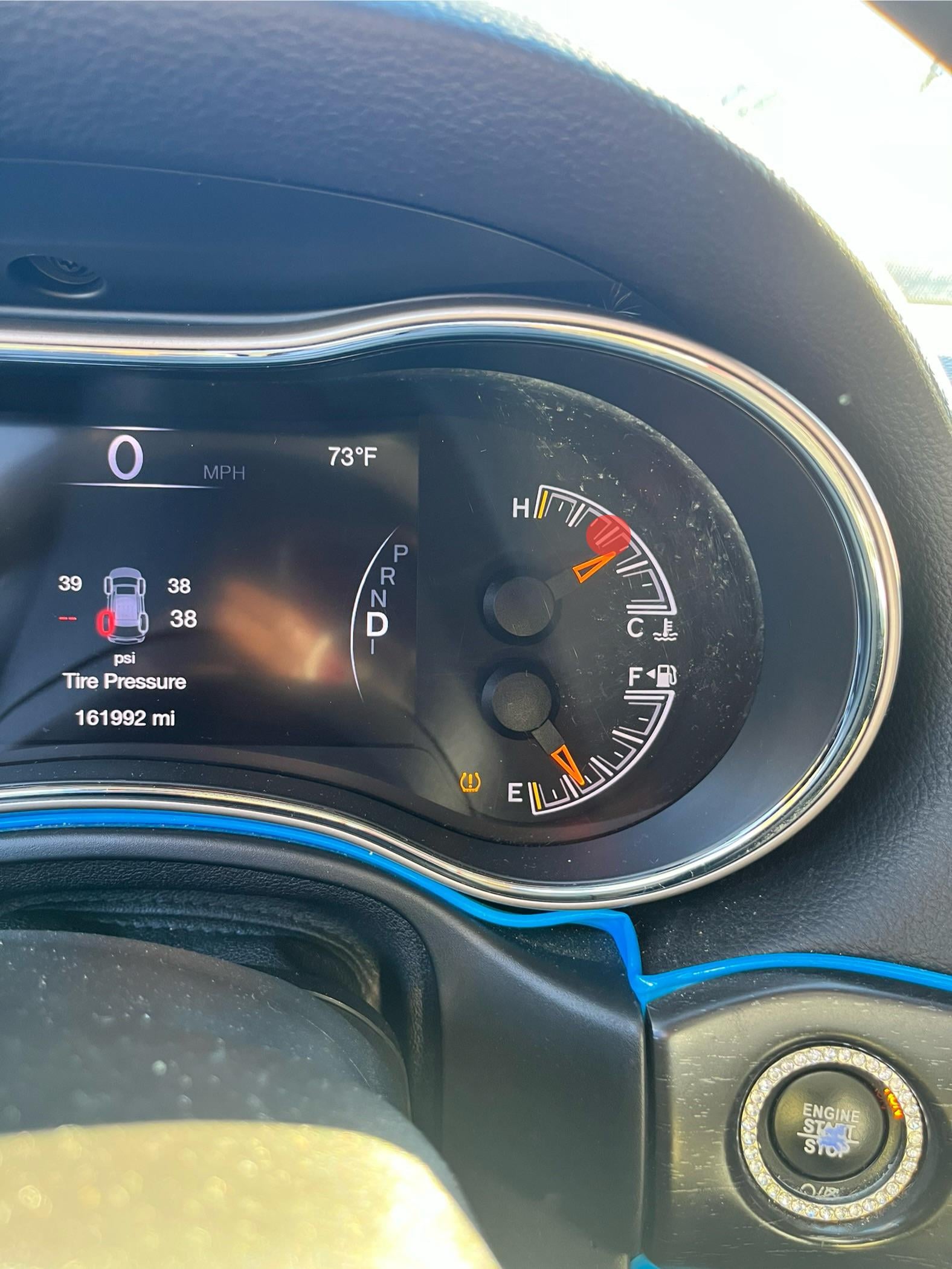
- Watch the temperature gauge – If the needle rises while driving slowly but drops at high speeds, the radiator fan or airflow is likely the problem.
- Check for white smoke – White smoke from the exhaust or milky oil means a head gasket problem.
When To Seek Professional Help
Some repairs are simple, but others need a mechanic. If you notice any of these signs, get professional help:
- Coolant keeps disappearing with no visible leaks.
- The temperature rises quickly after starting the engine.
- There are bubbling sounds from the radiator or coolant tank.
- There’s oil in the coolant or vice versa.
Preventing Overheating In Your Jeep Cherokee
Prevention is always better than repair. A few good habits can keep your Cherokee’s engine cool and healthy.
Regular Maintenance
- Check coolant levels at least once a month, especially before long trips.
- Flush the coolant system every 2-3 years, or as recommended by your owner’s manual.
- Inspect hoses and belts for cracks or leaks.
Use The Right Coolant
Jeep Cherokees often require specific coolant types. Always use what your manual suggests, and never mix colors or types.
Watch For Warning Signs
Don’t ignore the dashboard temperature warning. If the gauge climbs, stop and check right away.
Even a short drive with an overheating engine can cause expensive damage.
Jeep Cherokee Generations And Overheating Trends
Different Cherokee generations have their own common overheating issues. Here’s a breakdown:
| Generation | Years | Common Overheating Issues |
|---|---|---|
| XJ | 1984–2001 | Radiator clog, coolant leaks, faulty thermostat |
| KJ (Liberty) | 2002–2007 | Water pump failure, head gasket leaks |
| KL | 2014–present | Electric fan failures, sensor issues |
Cost Estimates For Repairs
Repair costs can vary depending on the cause. Here’s what to expect for common fixes.
| Repair | Typical Cost (USD) | DIY Possible? |
|---|---|---|
| Thermostat Replacement | $120–$300 | Yes |
| Radiator Flush | $90–$200 | Yes |
| Water Pump | $400–$700 | Maybe |
| Head Gasket | $1200–$2000 | No |
Final Thoughts
Overheating in a Jeep Cherokee can be caused by something as simple as low coolant or as serious as a failed head gasket. Catching the signs early and knowing where to look will save you money and stress. Regular checks, using the right coolant, and paying attention to warning lights go a long way. If you’re ever unsure, get your Cherokee checked by a professional. For more details, you can visit the official Jeep Cherokee Wikipedia page.
Frequently Asked Questions
<!– wp:rank-math/faq-block {"questions":[{"id":"faq-question-c77e7946182b","title":"What Should I Do If My Jeep Cherokee Starts To Overheat While Driving?","content":"Pull over safely and turn off the engine. Let it cool for at least 30 minutes before opening the hood.
Check coolant levels and look for leaks. Do not drive further if the problem isn’t clear.
“,”visible”:true},{“id”:”faq-question-c98a23a1bb9c”,”title”:”Can I Drive My Cherokee If It Is Overheating For A Short Distance?”,”content”:”No. Even a short drive with an overheating engine can cause serious damage.
It’s best to stop and fix the problem first.
“,”visible”:true},{“id”:”faq-question-3f0be2551ef9″,”title”:”How Often Should I Replace The Coolant In My Jeep Cherokee?”,”content”:”Most experts recommend every 2 to 3 years or as stated in your owner’s manual.
“,”visible”:true},{“id”:”faq-question-37efefd5b590″,”title”:”What Is The Most Common Cause Of Overheating In The Jeep Cherokee?”,”content”:”Low coolant due to leaks or evaporation is the most frequent cause, especially in older models.
“,”visible”:true},{“id”:”faq-question-718393a5a013″,”title”:”Why Does My Jeep Only Overheat In Traffic But Not On The Highway?”,”content”:”This often points to a faulty radiator fan or sensor, since at higher speeds, airflow cools the engine even if the fan is not working. In traffic, the fan is needed to keep the temperature down.
“,”visible”:true}]} –>What Should I Do If My Jeep Cherokee Starts To Overheat While Driving?
Pull over safely and turn off the engine. Let it cool for at least 30 minutes before opening the hood.
Check coolant levels and look for leaks. Do not drive further if the problem isn’t clear.
Can I Drive My Cherokee If It Is Overheating For A Short Distance?
No. Even a short drive with an overheating engine can cause serious damage.
It’s best to stop and fix the problem first.
How Often Should I Replace The Coolant In My Jeep Cherokee?
Most experts recommend every 2 to 3 years or as stated in your owner’s manual.
What Is The Most Common Cause Of Overheating In The Jeep Cherokee?
Low coolant due to leaks or evaporation is the most frequent cause, especially in older models.
Why Does My Jeep Only Overheat In Traffic But Not On The Highway?
This often points to a faulty radiator fan or sensor, since at higher speeds, airflow cools the engine even if the fan is not working. In traffic, the fan is needed to keep the temperature down.