If you own a Jeep XJ (Cherokee), you might wonder what axles are underneath your vehicle. Knowing your axles helps when upgrading parts, diagnosing problems, or planning off-road adventures.
Many Jeep XJ owners are unsure which axles they have, especially as there were several options across different years and trims. Let’s break down the details so you can confidently identify the axles in your Jeep XJ.
Understanding Jeep Xj Axles
The Jeep XJ was produced from 1984 to 2001. Over these years, Jeep used different axle types for the front and rear. The axle type affects strength, compatibility with larger tires, and upgrade options. Most XJs came with two main axles: the Dana 30 in the front and either a Dana 35 or Chrysler 8.25 in the rear.

Let’s look at these axles in more detail.
Front Axle: Dana 30
Almost every Jeep XJ uses a Dana 30 front axle. This axle is reliable for most daily driving and light off-roading. However, its strength has limits, especially if you plan serious off-road or want bigger tires.
- Years Used: 1984–2001
- Type: Solid axle, open or limited slip differentials
- Spline Count: Most XJs have 27-spline axles; later models (2000-2001) may have 29-spline.
- Common Weak Points: Axle shafts can twist or break with large tires and aggressive driving.
Rear Axle: Dana 35 Vs Chrysler 8.25
The rear axle is where things get more complicated. Jeep used two main axles: the Dana 35 and the Chrysler 8.25. Which one you have depends on your XJ’s year and trim.
| Year Range | Rear Axle Type | Notes |
|---|---|---|
| 1984–1996 | Dana 35 | Most common, some 8.25 in late years |
| 1997–2001 | Chrysler 8.25 | Standard on most, Dana 35 in some trims |
Dana 35
- Strength: Known as weaker, especially for heavy off-road use.
- Spline Count: 27-spline
- Common Issues: Axle tubes may bend, C-clips can fail, not recommended for large tires.
Chrysler 8.25
- Strength: Much stronger than Dana 35, handles bigger tires and tougher trails.
- Spline Count: Early models (1987-1996) have 27-spline; later ones (1997-2001) have 29-spline.
- Advantages: No C-clips (uses bolt-in axles), less prone to failure.
Identifying Your Jeep Xj Axles
You can find out which axles are in your Jeep XJ with a few simple methods:
- Check the build sheet: This lists original equipment.
- Look for axle tags: Metal tags attached to the axle cover bolts list the model and gear ratio.
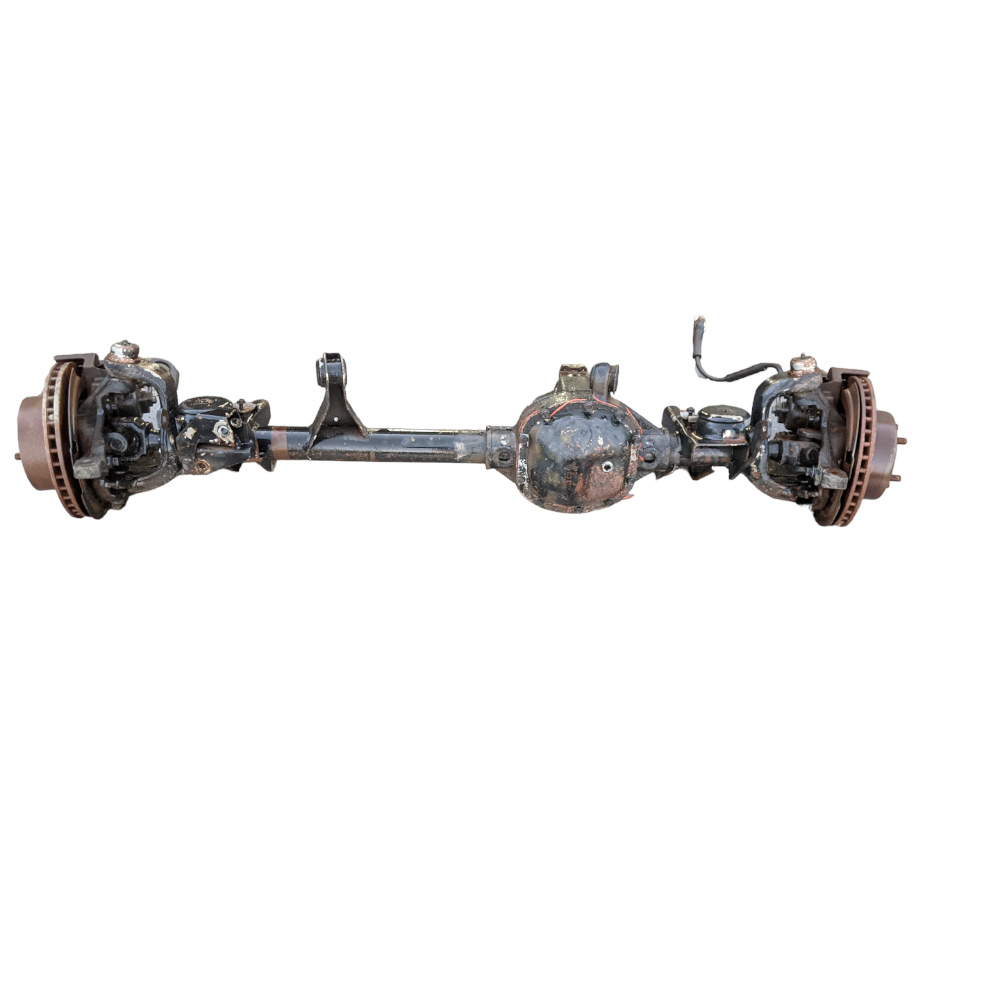
- Visual inspection: Shape and size of the axle housing can tell you which model you have.
Here’s a quick visual guide:
| Axle | Shape | Cover Bolts | Notes |
|---|---|---|---|
| Dana 30 | Oval cover | 10 bolts | Front axle, common |
| Dana 35 | Oval cover | 10 bolts | Rear axle, less desirable |
| Chrysler 8.25 | Round cover | 10 bolts | Rear axle, stronger |
Axle Variations And Special Cases
Some XJs, especially those with ABS brakes, may have different axles. For example, XJs with ABS often have the Dana 35 because Chrysler 8.25 did not support ABS until late production. If you have ABS, check carefully.
Another rare axle is the Dana 44, found in some 1987 Jeep XJs and special editions. The Dana 44 is much stronger than the Dana 35 and Chrysler 8.25, but it’s rare.
Factory Axle Ratios
Axle ratio affects your Jeep’s power and fuel economy. Most XJs have ratios between 3.
07 and 3. 55, but some came with 4.
10. To find your ratio, check the tag on the axle or the build sheet.
| Engine | Transmission | Axle Ratio |
|---|---|---|
| 4.0L I6 | Automatic | 3.55 |
| 4.0L I6 | Manual | 3.07 |
| 2.5L I4 | Manual | 4.10 |
Upgrading And Swapping Axles
If you want to run larger tires or hit tougher trails, upgrading your axles may be necessary. The Dana 35 is usually swapped out for a Chrysler 8.25 or Dana 44. Before upgrading, check compatibility:
- Width: Swapped axles should match the factory width for safe handling.
- Gear ratio: Must match front and rear for 4WD operation.
- Brake type: Some axles only fit certain brake systems.
A common mistake is mismatching gear ratios, which can cause drivetrain damage. Also, don’t forget about driveshaft length—different axles may require a new driveshaft.

Non-obvious Insights
- ABS Compatibility: Many owners miss that the Chrysler 8.25 rarely supports factory ABS. If your XJ has ABS, you likely have a Dana 35, which limits upgrade options unless you change the braking system.
- Spline Count Importance: Upgrading axle shafts to higher spline counts (from 27 to 29) increases strength and helps prevent failures. Most people overlook this detail when swapping axles.
Frequently Asked Questions