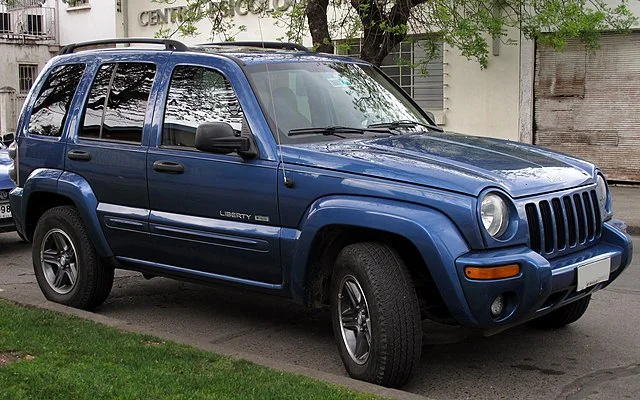
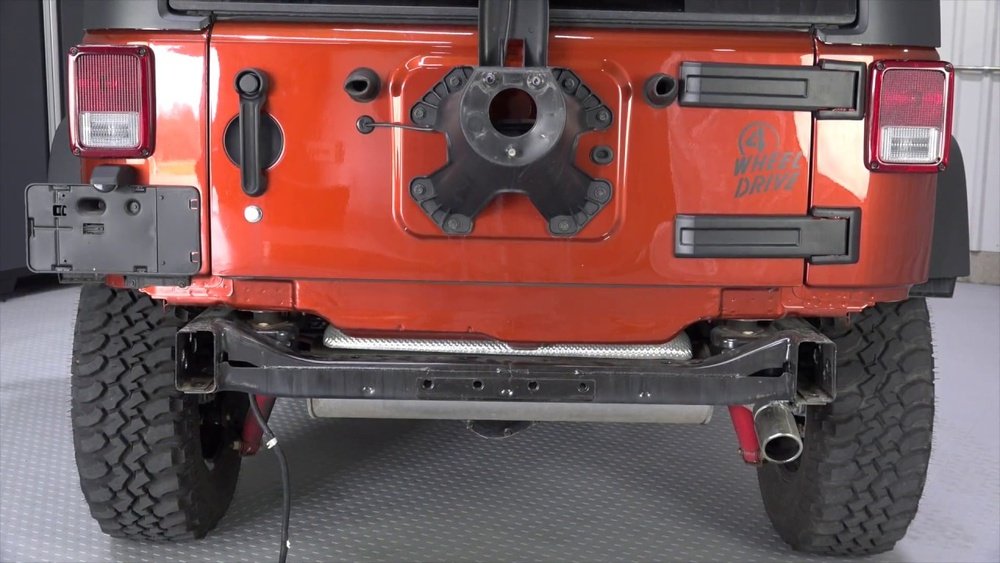
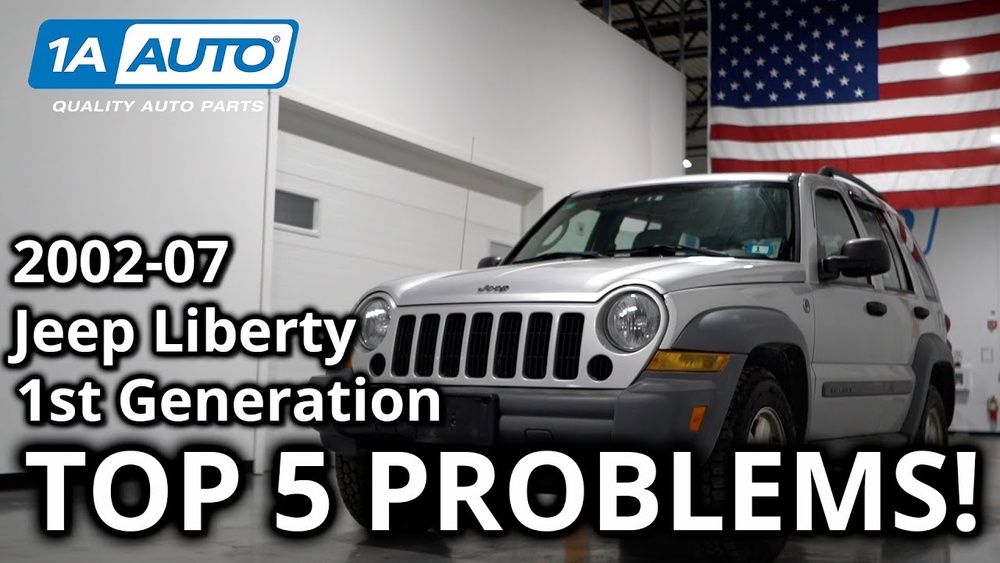
The Jeep Liberty is a compact SUV that attracted many buyers with its rugged styling and affordable price. While it offers decent off-road performance, the Liberty has earned a reputation for several common issues.
If you’re considering buying a used Jeep Liberty, understanding its problems is essential for making a smart decision and avoiding headaches down the road.
Common Mechanical Problems
The Jeep Liberty has faced multiple mechanical challenges. Some issues are minor, but others can lead to expensive repairs.
Engine Troubles
Liberty models, especially those from 2002–2007, often suffer from engine failures. Owners report head gasket leaks, stalling, and rough idling. The 3.7L V6 engine is prone to valve seat failure, which can cause catastrophic engine damage.
- In a survey, over 11% of Liberty owners reported engine failure before 100,000 miles.
- Repairing engine problems can cost between $1,500–$4,000, depending on severity.
Transmission Issues
Transmission failures are common in the Jeep Liberty. Many owners experience shifting problems, especially with the automatic transmission. Symptoms include slipping gears and delayed shifting.
- Liberty models from 2005–2012 are particularly prone to transmission issues.
- Replacing a transmission can cost $2,000–$3,500.
Suspension And Steering
The Liberty’s front suspension is known for premature wear. Ball joints and control arms tend to fail early, sometimes leading to dangerous situations.
- In 2006, Jeep recalled over 300,000 Liberty SUVs for front lower ball joint failure.
- Steering rack leaks and noisy steering are also frequent complaints.
Electrical System Faults
Electrical glitches are another concern. Owners often report:
- Window regulators failing, causing windows to drop unexpectedly.
- Faulty door locks and power seat switches.
- Problems with airbag sensors and dashboard warning lights.
These issues affect both convenience and safety.
Safety Concerns
Jeep Liberty’s safety record is mixed. Crash tests show that the vehicle offers average protection, but some issues raise concern.
Airbag And Recall Problems
The Liberty has been affected by several recalls related to airbags and fuel systems. In 2012, Jeep recalled nearly half a million Liberty SUVs to fix faulty airbag sensors that could prevent airbags from deploying during a crash.
Braking System
Brake failures and ABS warning lights are frequent. Some owners report poor braking performance, especially in wet conditions. Replacing brake components is necessary more often than average.
Crash Test Ratings
Here’s a quick comparison of crash test ratings for the Jeep Liberty versus a similar SUV:
| Vehicle | Front Crash Rating | Side Crash Rating | Rollover Rating |
|---|---|---|---|
| Jeep Liberty (2012) | 4 stars | 3 stars | 3 stars |
| Honda CR-V (2012) | 5 stars | 5 stars | 4 stars |
The Liberty performs below average in side and rollover tests.
Reliability And Maintenance Costs
Owning a Jeep Liberty often means higher maintenance costs compared to other compact SUVs.
Annual Repair Costs
According to industry data, the average yearly repair cost for the Jeep Liberty is about $600–$900. This is higher than the segment average.
| Model | Annual Repair Cost | Common Repairs |
|---|---|---|
| Jeep Liberty | $750 | Engine, transmission, suspension |
| Toyota RAV4 | $400 | Brakes, minor electrical |
| Ford Escape | $500 | Transmission, cooling system |
Rust And Body Problems
Liberty models are prone to rust, especially in the rear suspension and underbody. This is more common in cold climates with road salt use.
- Many owners notice rust within 7–10 years.
- Rust repairs can cost $500–$2,000.
User Experience And Practical Insights
While the Jeep Liberty offers good off-road capability, daily driving experience can be frustrating due to its problems.
- Fuel economy is poor, averaging 16–22 mpg.
- Interior materials wear quickly, with seats and trim showing age within a few years.
- Ride quality is rough compared to other compact SUVs.
Non-obvious insight: Many Liberty owners report that window regulator failures usually happen during cold weather, which can be inconvenient and costly.
Another overlooked issue is rear differential noise. Many drivers notice a whining sound from the rear axle after 80,000 miles. This often means expensive repairs or replacement.

Is Jeep Liberty A Good Buy?
If you want a budget SUV with strong off-road capability, the Liberty might appeal to you. But for everyday driving, its frequent problems and high repair costs are big drawbacks. Many experts recommend looking at alternatives like the Toyota RAV4 or Honda CR-V if reliability is your top priority.
If you decide to buy a used Liberty, always check for:
- Complete service records
- Signs of rust under the vehicle
- Smooth engine and transmission performance
- Functioning electrical components
Getting a professional inspection can save you from unexpected expenses.
Frequently Asked Questions