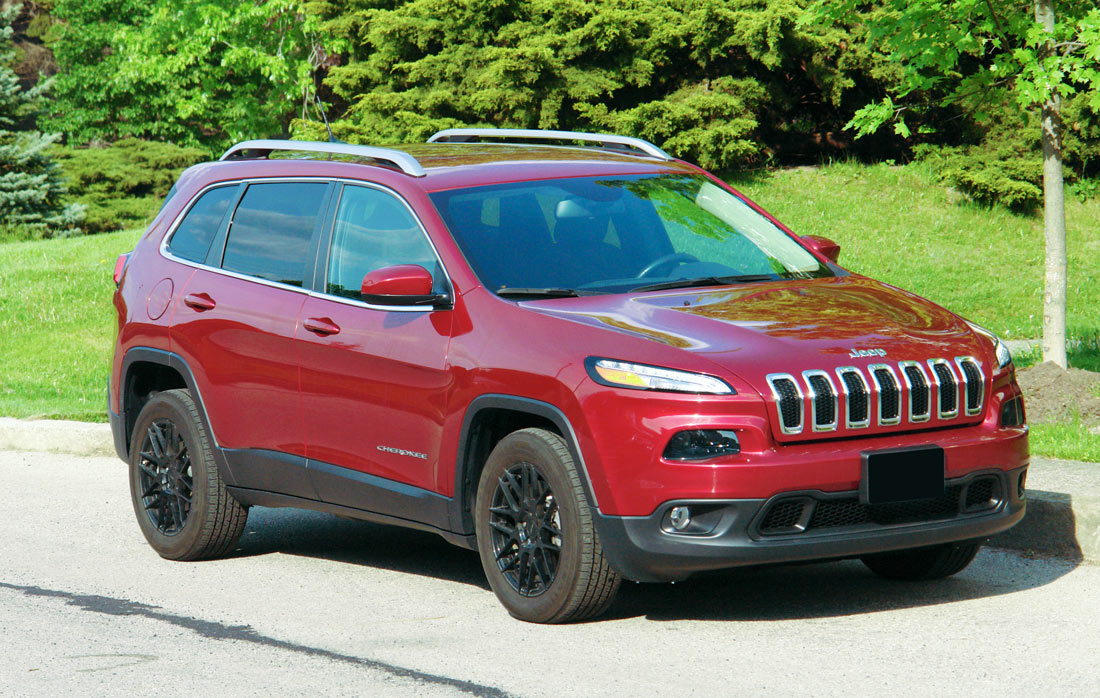
The Jeep Cherokee is known for its bold style and off-road ability. Many drivers love its unique look and performance.
But, like every vehicle, the Jeep Cherokee has faced its share of problems. Some issues are minor annoyances, while others are serious and costly.
If you are thinking of buying a Jeep Cherokee, or you already own one, it’s important to understand these common problems.
Common Mechanical Issues
One of the most discussed problems with the Jeep Cherokee is related to its transmission. Owners, especially of models from 2014 to 2016, often report rough shifting, hesitation, or sudden jerks. These automatic transmission issues can cause poor acceleration and even lead to safety concerns if the vehicle loses power while driving.
Another frequent issue is the engine stalling. Some Cherokee models have engines that unexpectedly shut off while driving or idling. This is not just frustrating—it can be dangerous in heavy traffic. In many cases, the problem is connected to faulty sensors or software bugs, requiring a dealer visit for repairs or updates.
Electrical And Technology Problems
Modern Cherokees are packed with technology, but this can sometimes cause headaches. The Uconnect infotainment system is a common source of complaints. Users report system freezes, screen blackouts, and problems with Bluetooth or navigation. While software updates can fix some issues, others need hardware replacement.
Electrical gremlins are also common. Some owners experience malfunctioning power windows, failing backup cameras, or dashboard warning lights that appear without reason. These small but annoying problems can add up over time, leading to repeated trips to the service center.
Here’s a quick comparison of reported technology issues by model year:
| Model Year | Main Tech Issues | Reported Frequency |
|---|---|---|
| 2014 | Uconnect freezes, radio failure | High |
| 2017 | Backup camera, sensor errors | Medium |
| 2020 | Minor screen glitches | Low |
Suspension And Ride Quality
The suspension system of the Jeep Cherokee is designed for off-road adventure, but it sometimes causes issues on regular roads. Some drivers complain about a stiff or bumpy ride, especially on uneven streets. Suspension parts like control arms and ball joints can wear out quickly, leading to noise and discomfort.
A less obvious problem is premature tire wear. Due to the Cherokee’s weight and suspension tuning, tires can wear unevenly, especially if wheel alignment is off. Checking alignment regularly and rotating tires helps, but some owners still face higher-than-average tire costs.
Reliability And Maintenance Costs
Reliability ratings for the Cherokee vary depending on the year and specific model. For example, 2014–2015 Cherokees have below-average reliability, while 2019 models show improvement. According to Consumer Reports, the average annual repair cost for a Jeep Cherokee is about $520, which is higher than some competitors.
Let’s compare the Cherokee’s reliability and maintenance costs with similar SUVs:
| Model | Average Annual Repair Cost | Reliability Rating (out of 5) |
|---|---|---|
| Jeep Cherokee | $520 | 2.5 |
| Toyota RAV4 | $429 | 4.0 |
| Honda CR-V | $407 | 4.5 |
Safety Concerns
Some Jeep Cherokee models have been involved in safety recalls. For example, the 2014 and 2015 versions were recalled for possible power loss due to faulty software in the transmission. Airbag problems, brake issues, and even fire risks have also appeared in certain recalls.
A less-known but important issue is water leaks. Some Cherokees have problems with water getting inside the cabin, especially near the windshield or doors. Over time, this can lead to mold, electrical shorts, or rust.
Real-world Owner Experiences
Many owners appreciate the Cherokee’s handling and comfort, but a few consistent complaints stand out:
- Frequent trips to the dealer: Some problems, especially with electronics, are hard to fix and may return after repairs.
- Lower resale value: Due to these reliability issues, Cherokees often have lower resale prices compared to rivals like the Honda CR-V or Toyota RAV4.
- Mixed experience with dealers: Repair quality and customer service can vary widely, making some owners frustrated.

Tips For Potential Buyers
If you are considering a used Jeep Cherokee, here are some steps to reduce your risk:
- Check the VIN for recall history and completed repairs.
- Test all electronics during your test drive—infotainment, windows, sensors.
- Ask for maintenance records to see if major problems have been addressed.
- Inspect for water damage under carpets and around doors.
- Consider a warranty if buying a model from problematic years.
Frequently Asked Questions