The Jeep Compass attracts attention with its rugged looks and off-road reputation. Many drivers see it as an affordable way to enjoy a compact SUV with the Jeep badge.
But every vehicle has downsides. If you’re thinking about buying a Jeep Compass, it’s smart to look beyond the marketing and understand the real drawbacks.
This article will help you see the less-talked-about cons—so you can make the best choice for your needs.
Performance Shortcomings
The Jeep Compass is designed for both city use and off-road adventures. But when it comes to engine power, many owners report disappointment. The base 2.4L four-cylinder engine produces around 177 horsepower. While this might sound good on paper, acceleration feels sluggish, especially when merging onto highways or carrying a full load.
A surprising insight for new buyers: the Compass’s engine can sound loud and strained during hard acceleration. Some compact SUVs, like the Mazda CX-5 or Honda CR-V, offer more responsive engines. This is important if you plan to drive in hilly areas or need confident overtaking power.
Another drawback is the automatic transmission. It sometimes shifts slowly or hesitates, which can make city driving less smooth. Test-driving in different conditions is essential to see if you notice this issue.
Fuel Economy Concerns
Compact SUVs are usually chosen for their mix of size and efficiency. The Jeep Compass, however, is less impressive on gas mileage. Most Compass models with front-wheel drive average about 22-25 mpg in the city and 30-32 mpg on the highway. All-wheel-drive versions often drop by 1-2 mpg.
Compare the Compass to leading rivals in this class:
| Model | City MPG | Highway MPG |
|---|---|---|
| Jeep Compass (AWD) | 22 | 30 |
| Toyota RAV4 (AWD) | 27 | 34 |
| Honda CR-V (AWD) | 27 | 32 |
For drivers who spend a lot of time commuting or taking road trips, the Compass’s fuel economy means more frequent stops and higher costs over time.

Interior Quality And Space
Step inside the Jeep Compass, and you may notice that it looks modern at first glance. But touch the surfaces and you’ll find hard plastics and cheaper materials, especially in lower trims. This can make the cabin feel less comfortable than rivals like the Subaru Forester or Hyundai Tucson.
Rear seat space is another issue. While front passengers enjoy decent room, adults sitting in the back may find legroom tight on longer journeys. Cargo space is also smaller compared to most competitors:
| Model | Cargo Space (cu ft) |
|---|---|
| Jeep Compass | 27.2 |
| Honda CR-V | 39.2 |
| Subaru Forester | 28.9 |
If you often carry luggage, sports gear, or groceries, limited cargo room could be a hassle.
Reliability And Repair Costs
One of the biggest concerns with the Jeep Compass is its reliability record. Consumer reports and owner surveys point out issues with electronics, the transmission, and even minor parts like door handles and window switches. Over the past five years, the Compass has scored lower than average in reliability compared to other compact SUVs.
A practical insight: Repairs can add up. Even though Jeep’s warranty is competitive, once the coverage ends, owners sometimes face higher than expected bills for parts and labor. This is especially true if you need dealership repairs or if your vehicle is out of warranty.
Ride Comfort And Noise
The Jeep Compass aims for a sporty, off-road-ready feel. But this comes at the cost of ride comfort. On rough or bumpy roads, the suspension can feel stiff, transmitting vibrations into the cabin. The Compass is also noisier than many rivals—wind and road noise are common complaints, especially at highway speeds.
For families or commuters who value a quiet, smooth ride, these drawbacks can become tiring over time. Even with higher trim levels, the Compass struggles to match the refinement of competitors.
Technology And Features
Modern drivers expect smart tech and safety systems, even in affordable SUVs. The Compass does include essentials like a touchscreen and Apple CarPlay/Android Auto. However, standard features can be limited on lower trims. Key safety options—such as adaptive cruise control or lane-keep assist—are sometimes only available on higher, more expensive versions.
Some users also report that the infotainment system can be slow to respond or occasionally glitchy. If you rely on advanced tech, it’s important to test all the features before you buy.

Resale Value
Depreciation is a real cost for any car owner. The Jeep Compass tends to lose value faster than some competitors. After three years, many Compasses are worth about 50% of their original price. This is lower than segment leaders like the Toyota RAV4, which often retain more value over time.
Here’s a simple comparison:
| Model | 3-Year Resale Value (%) |
|---|---|
| Jeep Compass | 50 |
| Toyota RAV4 | 60 |
| Subaru Forester | 58 |
If you trade in or sell your car every few years, this could mean a bigger financial loss.
Less Obvious Drawbacks
Two things new buyers often miss:
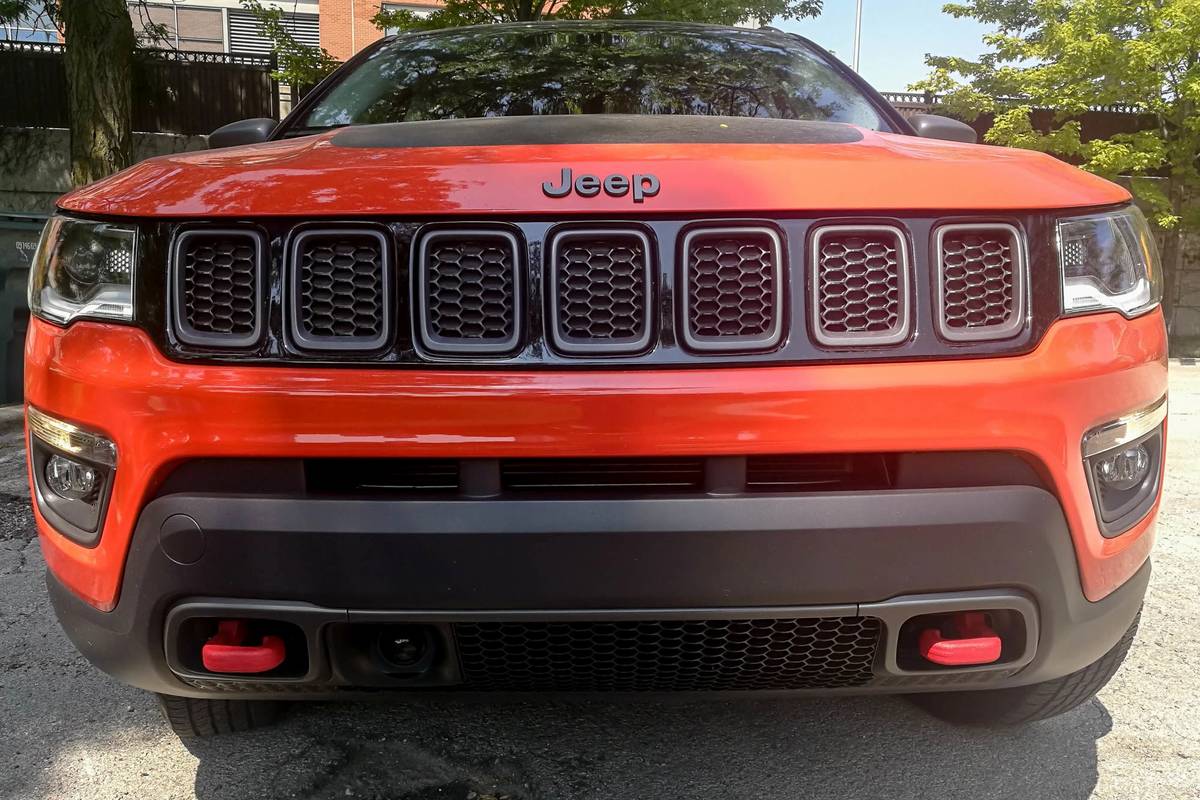
- Off-road image vs. reality: The Compass looks tough, but not all versions are built for serious off-roading. Only the Trailhawk trim has the ground clearance and hardware for real trails. Most models handle mild dirt roads, but struggle with tougher terrain. If you want true off-road ability, you’ll need to pay extra for specific versions.
- Insurance costs: Because of its reliability record and Jeep’s brand, insurance for the Compass can be slightly higher than for other compact SUVs. It’s smart to get a quote before buying.
Frequently Asked Questions
Is The Jeep Compass Expensive To Maintain?
The Compass can be more costly to maintain than some rivals, especially after the warranty ends. Parts and repairs for electronics or transmission issues are common reasons for higher bills.
How Does The Jeep Compass Handle In Snow?
With all-wheel drive, the Compass handles snow and slippery roads fairly well. However, it’s not the best in class models like the Subaru Forester offer better winter performance.
Does The Compass Have Good Safety Ratings?
The Jeep Compass scores well in most major crash tests. However, some advanced safety features are optional, not standard, on lower trims.
Check the trim level for specific safety equipment.
Is The Compass Comfortable For Long Drives?
Ride comfort can be an issue, especially on rough roads or highways. Noise and a firm suspension may make long trips less relaxing compared to smoother competitors.
Is The Jeep Compass A Good Value?
The Compass offers style and Jeep branding at a fair price, but drawbacks like lower resale value, fuel economy, and reliability reduce its overall value. Comparing it with rivals before buying is wise.
Owning a Jeep Compass has its appeal, especially if you love the brand’s rugged image. But understanding the cons of a Jeep Compass will help you make a smarter choice. Weigh these factors carefully and always compare with other compact SUVs. For more detailed specs and reviews, visit the official Jeep Compass site. A little research now can save you money and frustration in the long run.