Owning a Jeep means adventure. For many drivers, exploring off-road paths is part of the fun. But rough trails can be harsh on your vehicle. One part you may hear about is rock rails. If you’re new to Jeeps or off-roading, you might wonder what rock rails are, how they work, and whether you need them. Let’s break down everything you need to know about rock rails, using simple language and practical advice.
What Are Rock Rails?
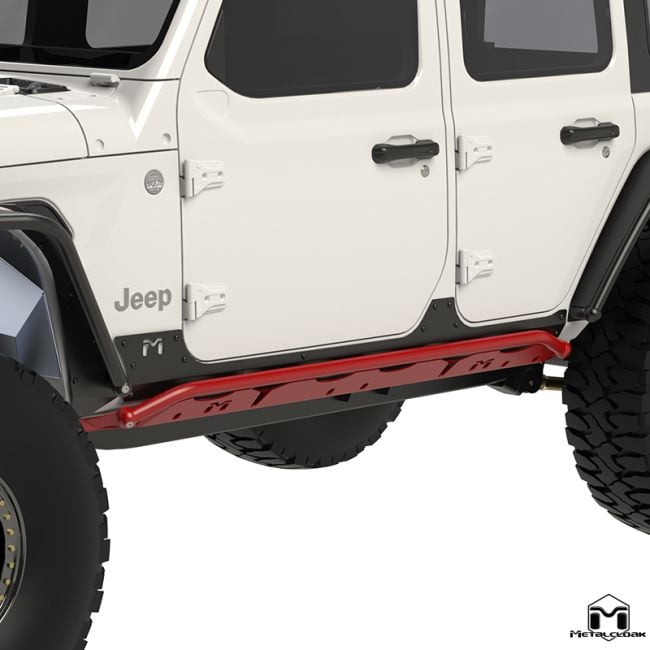
Rock rails are strong metal bars attached to the sides of a Jeep, usually under the doors and along the frame. Their main job is to protect the Jeep’s body from rocks, stumps, and other obstacles when driving off-road. Think of them as armor for your Jeep’s sides.
Most rock rails are made from thick steel tubing or plate steel. They are bolted or welded directly onto the Jeep’s frame, giving solid protection where it counts. Unlike side steps or running boards, rock rails are built for strength, not just for looks or convenience.
Key Features
- Made from heavy-duty steel
- Positioned below doors, along the frame
- Designed to withstand impacts
- Sometimes double as a step for entering/exiting
How Rock Rails Work
When you drive over rough terrain, rocks and debris can hit the Jeep’s sides. Without rock rails, these impacts can dent or scratch your doors and body panels.
With rock rails, the metal bars take the hit instead, keeping your Jeep safe.
Rock rails also help you “slide” over obstacles. If your Jeep’s tire slips off a rock, the rail lets you glide across without getting stuck or damaging the body.
This is especially useful on steep or rocky trails.
Rock Rail Vs. Side Steps
Many people confuse rock rails with side steps. Here’s a quick comparison:
| Feature | Rock Rails | Side Steps |
|---|---|---|
| Material | Heavy-duty steel | Lighter metal/plastic |
| Purpose | Protection | Convenience |
| Off-Road Use | Yes | No |
| Mounting | Frame | Body |
Side steps are good for getting in and out, but they can bend or break if you hit a rock. Rock rails are made to survive tough conditions.

Types Of Rock Rails
Jeep owners can choose from several types of rock rails. The best choice depends on your needs and budget.
1. Factory Rock Rails
Some Jeep models, like the Wrangler Rubicon, come with rock rails from the factory. These offer basic protection but may not be as strong as aftermarket options.
2. Aftermarket Rock Rails
These are made by brands like Rock-Slide Engineering or ARB. They are often thicker, stronger, and designed for serious off-roading.
3. Bolt-on Rails
Easy to install, using existing holes in the Jeep’s frame. Good for beginners.
4. Weld-on Rails
Require welding, but offer the strongest fit. Best for advanced off-roaders.
Price Range
The cost of rock rails varies. Factory rails might be included in the price of your Jeep.
Aftermarket rails can range from $250 to $900 per pair, depending on size, brand, and finish.
Installation: What To Expect
Installing rock rails is usually straightforward. Most bolt-on rails require basic tools and about 1-2 hours.
Weld-on rails are harder and should be done by a professional.
Here’s a quick look at installation difficulty:
| Type | Skill Level | Time Needed |
|---|---|---|
| Bolt-On | Beginner | 1-2 hours |
| Weld-On | Expert | 4-6 hours |
Always check instructions carefully. For weld-on rails, use a certified welder.

Benefits Of Rock Rails
Rock rails offer several advantages beyond just protection. Here are some key benefits:
- Protects body and paint: Prevents costly damage from rocks and branches.
- Improves resale value: Jeeps with rock rails often have fewer dents and scratches.
- Adds confidence: Drivers feel safer exploring tough trails.
- May help with insurance claims: Some companies prefer vehicles with added protection.
Non-obvious insight: Rock rails also strengthen your Jeep’s frame by distributing impact forces, reducing the chance of body flex or warping.
Common Mistakes When Choosing Rock Rails
Beginners often make these mistakes:
- Choosing side steps instead of real rock rails
- Ignoring the thickness of the steel
- Buying rails that don’t fit their Jeep model
- Not considering weight—heavier rails can affect fuel economy
It’s smart to check reviews and look for rails tested in real off-road conditions. Make sure they match your Jeep’s year and trim.
Another insight: Some rails block mud from spraying onto the sides, which keeps your Jeep cleaner after a trail ride.
When Do You Really Need Rock Rails?
If you drive only on city streets, rock rails may not be necessary. But if you:
- Plan to go off-road
- Visit rocky or forested areas
- Want extra protection
Rock rails are a smart investment. Even light off-roading can bring hidden risks, so having rails means you worry less about damaging your Jeep.
Real-world Example
A Jeep owner named Mark installed rock rails before a trip to Moab, Utah. His rails took several hits from rocks, preventing damage to his doors. After the trip, he saw only scratches on the rails—not a single dent on his Jeep’s body. Stories like Mark’s are common among off-roaders.
Frequently Asked Questions
What Materials Are Best For Rock Rails?
Steel is the top choice. It’s strong, resists bending, and lasts for years. Some brands use aluminum, but steel is better for heavy impacts.
Do Rock Rails Affect Fuel Economy?
Slightly. Rock rails add weight, which can reduce fuel efficiency by 1-2%.
The safety and protection usually outweigh this small drop.
Can Rock Rails Be Used As Steps?
Yes, many models let you step up. Some rails have textured surfaces for better grip.
Not all rails are comfortable for stepping, so check the design.
Are Rock Rails Easy To Install?
Bolt-on rails are simple for most people. Weld-on rails need professional help. Always follow the maker’s instructions.
Where Can I Learn More About Rock Rails?
You can find detailed guides and reviews at Jeep Official Accessories.
Rock rails are more than just cool accessories they’re practical, tough, and add real protection. If you care about your Jeep’s body and love exploring off-road, rock rails are worth considering.
Choosing the right rails means you can focus on adventure, not repairs.