Jeep owners often talk about hardtops, but not everyone knows what they’re really made of. If you’re planning to buy a Jeep or upgrade your current one, understanding the materials used in Jeep hardtops can help you make smart choices.
The right hardtop material affects not just looks, but also comfort, safety, and how long your Jeep stays in good shape. Let’s explore what goes into making Jeep hardtops, why it matters, and how different materials compare.
Main Materials Used In Jeep Hardtops
Most Jeep hardtops are made from three main materials: fiberglass, thermoplastic, and aluminum. Each has its own set of benefits and challenges.
Fiberglass
Fiberglass is the most common material for Jeep hardtops. It is made by combining thin glass fibers with plastic resin. This mixture is shaped in molds to fit Jeep models like the Wrangler and Gladiator.
- Durability: Fiberglass is strong and resists dents.
- Weight: Lighter than metal, but heavier than some plastics.
- Insulation: Offers good protection against heat and cold.
- Customization: Easy to paint or modify.
Thermoplastic (abs And Polycarbonate)
Some hardtops use advanced plastics like ABS (Acrylonitrile Butadiene Styrene) or polycarbonate. These are shaped using heat and pressure.
- Weight: Usually lighter than fiberglass.
- Impact resistance: Resists cracks and chips from stones or debris.
- Flexibility: Less likely to shatter, but can scratch easier.
- Cost: Often less expensive than fiberglass or aluminum.
Aluminum
A few premium or aftermarket hardtops use aluminum. This is less common but growing in popularity.
- Strength: Very strong and resists corrosion.
- Weight: Heavier than plastic, but lighter than steel.
- Lifespan: Can last many years, even in tough climates.
- Finish: Usually powder-coated for extra protection.
How Materials Affect Jeep Hardtops
The choice of material changes how your hardtop looks, feels, and works in daily life.
| Material | Weight | Durability | Insulation | Cost |
|---|---|---|---|---|
| Fiberglass | Medium | High | Good | $$ |
| Thermoplastic | Light | Medium | Fair | $ |
| Aluminum | Medium | Very High | Excellent | $$$ |
Fiberglass is the classic choice for a reason. It balances weight, strength, and insulation, making it a favorite for all-season driving.
Thermoplastic is best for drivers who want a lighter, more affordable option. Aluminum tops are premium and provide top-level protection, but at a higher price.
Non-obvious Insights: What Most Beginners Miss
Many new Jeep owners overlook how UV resistance and sound insulation play a part in comfort and long-term value.
UV resistance is especially important in sunny areas. Fiberglass and aluminum tops often have coatings that block UV rays. Thermoplastic can fade or become brittle if not treated properly.
Sound insulation varies by material. Fiberglass and aluminum block noise better than thin plastic. Some aftermarket hardtops come with extra liners or foam layers for quieter rides. If you plan to use your Jeep for long highway trips, consider insulation as much as strength.
Another detail: The seam design between panels matters. Poorly sealed seams can let water or dust inside, even if the material itself is strong. Always check the quality of seals and gaskets when choosing a hardtop.
Comparing Jeep Hardtops: Factory Vs Aftermarket
You can buy factory hardtops directly from Jeep or get aftermarket hardtops from third-party brands. The material often depends on the source.
| Type | Material | Fit & Finish | Warranty |
|---|---|---|---|
| Factory | Fiberglass | Excellent | Standard (often 3 years) |
| Aftermarket | Fiberglass, Thermoplastic, Aluminum | Varies | Depends on brand |
Factory hardtops are usually fiberglass and fit perfectly, but they cost more. Aftermarket tops offer more choices in material and price, but quality varies. Always research the brand before buying aftermarket.
Environmental Impact
Material choice also affects the environment. Fiberglass takes a lot of energy to produce and is hard to recycle.
Thermoplastics can be recycled more easily, but not all plastic is eco-friendly. Aluminum is highly recyclable and has a lower carbon footprint if reused.
If you care about the planet, look for brands that use recycled materials or have eco-friendly factories. Some companies now offer hardtops made from recycled plastics, which helps reduce waste.
Real-world Examples
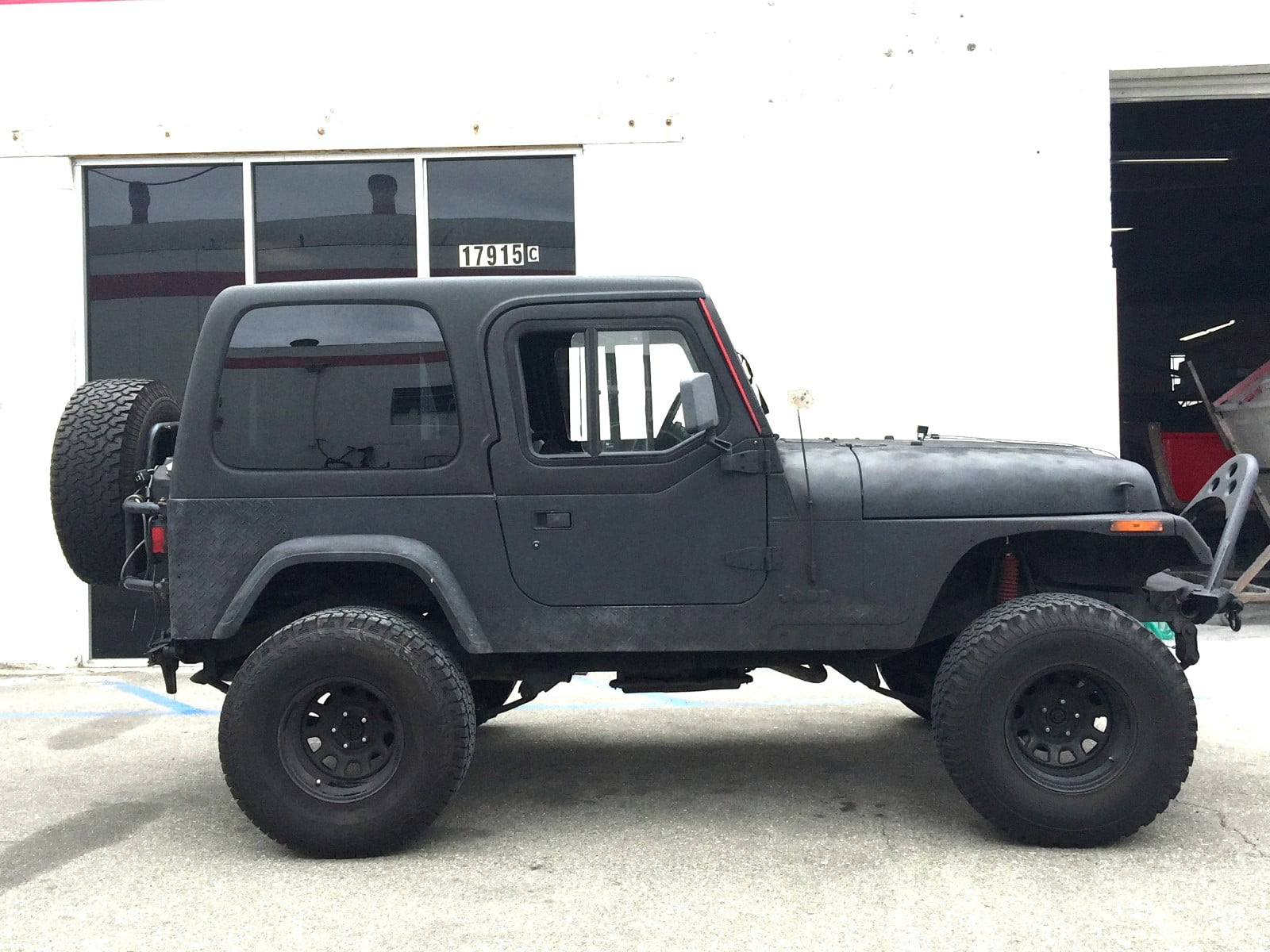
The Jeep Wrangler JL comes with a three-piece modular hardtop made from fiberglass. This design allows you to remove panels above the driver and front passenger for an open-air feel, while keeping the rest of the roof in place.
Some aftermarket brands like Rugged Ridge and Bestop sell aluminum or ABS plastic hardtops. These are popular with off-roaders who want a lighter or tougher option. Prices can range from $1,500 for basic plastic tops to over $3,000 for custom aluminum builds.
Care And Maintenance Tips
Taking care of your hardtop helps it last longer, no matter the material.
- Wash regularly with mild soap and water. Avoid strong chemicals that can damage coatings.
- Wax fiberglass or aluminum tops twice a year to protect against UV rays.
- Check seals after every off-road trip or storm. Replace any cracked or worn gaskets.
- Store panels indoors if you remove them for summer. Sun and rain can age plastic or fade paint.
A common mistake is ignoring small cracks or chips. These can grow quickly, especially in hot or cold weather.
Repair damage early to save money and trouble.
Frequently Asked Questions