Jeep hard tops are much more than just a roof for your vehicle they are a key part of what makes Jeeps so versatile and durable. Hard tops help keep you safe, dry, and comfortable when driving through tough conditions.
If you’re curious about what Jeep hard tops are made of, and why their materials matter, this article breaks everything down in clear, simple language.
Main Materials Used In Jeep Hard Tops
The most common materials for Jeep hard tops are fiberglass, plastic composites, and steel. Each material offers unique advantages and drawbacks. Understanding these differences helps you make the best choice for your Jeep’s performance and longevity.

Fiberglass
Most Jeep hard tops today use fiberglass. This material is lightweight yet strong. Fiberglass is made from glass fibers mixed with resin, then shaped into panels.
- Pros:
- Lightweight—easy to remove and install
- Good insulation—keeps out noise and heat
- Resistant to rust
- Cons:
- Can crack if hit hard
- Repairs may require special tools
Fiberglass is popular because it balances strength and weight. For most Jeep owners, it’s a practical choice.
Many aftermarket hard tops also use fiberglass for flexibility in design and color.
Plastic Composites
Plastic composites, such as ABS plastic and polycarbonate, are found in some newer Jeep hard tops. These materials are made by combining plastic with other elements for extra toughness.
- Pros:
- Very durable—resistant to dents and scratches
- Lighter than steel
- Easy to mold into complex shapes
- Cons:
- Less heat insulation than fiberglass
- Can fade from sunlight if not treated
Plastic composites are often used for modular or two-piece hard tops. These tops are easier to handle and store, making them ideal for users who frequently remove their hard top.
Steel
Steel was more common in older models and specialty Jeeps. Today, it’s rare, but some custom or heavy-duty hard tops still use steel.
- Pros:
- Extremely strong—great for protection
- High resistance to impacts
- Cons:
- Heavy—hard to lift or remove
- Can rust without proper care
Steel tops are best for Jeeps used in extreme conditions, like off-roading in rocky areas. If you need maximum strength, steel may be worth the extra weight.
How Hard Top Materials Affect Performance
The material in your Jeep hard top affects how your vehicle handles, how comfortable you feel, and how easy it is to maintain.
| Material | Weight | Insulation | Durability |
|---|---|---|---|
| Fiberglass | Medium | High | Good |
| Plastic Composite | Low | Moderate | Very Good |
| Steel | High | Moderate | Excellent |
Weight
Fiberglass and plastic composite tops weigh less than steel. This makes them easier to remove, especially for one person.
Heavy steel tops may require two people or special equipment.
Insulation
Fiberglass tops provide better insulation against heat and sound. If you drive in cold or noisy environments, fiberglass is usually the best choice.
Durability
Steel tops are the most durable, but fiberglass and plastic composites also last a long time if cared for. Plastic composites resist dents and scratches better than fiberglass.
Manufacturing Process
Jeep hard tops are created using advanced techniques that improve strength and fit.
| Material | Manufacturing Method | Key Benefit |
|---|---|---|
| Fiberglass | Hand Lay-Up / Vacuum Molding | Custom fit, lightweight panels |
| Plastic Composite | Injection Molding | Precise shapes, high durability |
| Steel | Stamping & Welding | Strong, rigid structure |
Fiberglass hard tops are often molded by hand or with machines that use vacuum pressure. This ensures smooth, strong panels.
Plastic composites are shaped using injection molding, which creates detailed designs and consistent quality. Steel tops are stamped and welded, making them extremely tough.
Real-world Examples And Data
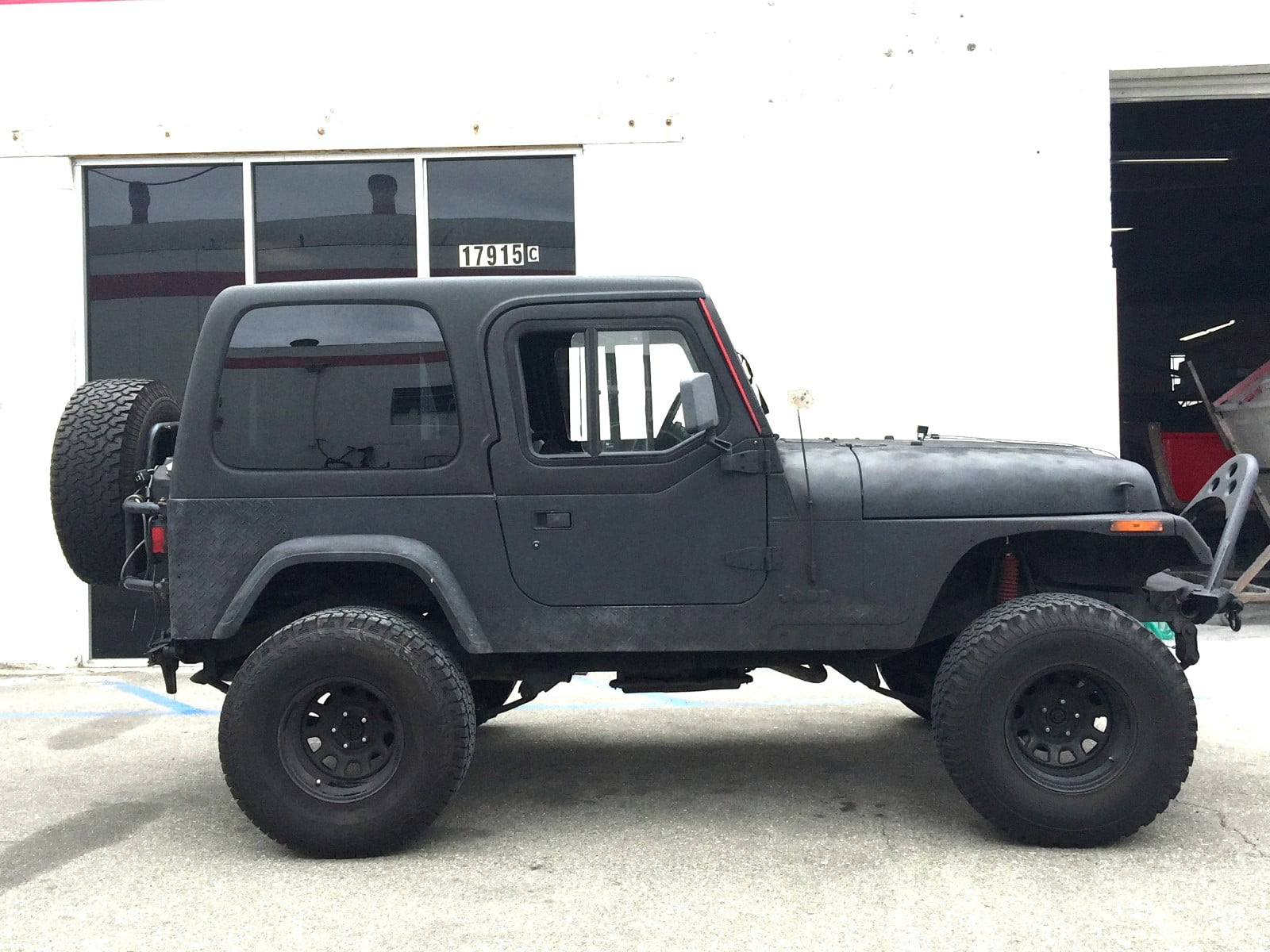
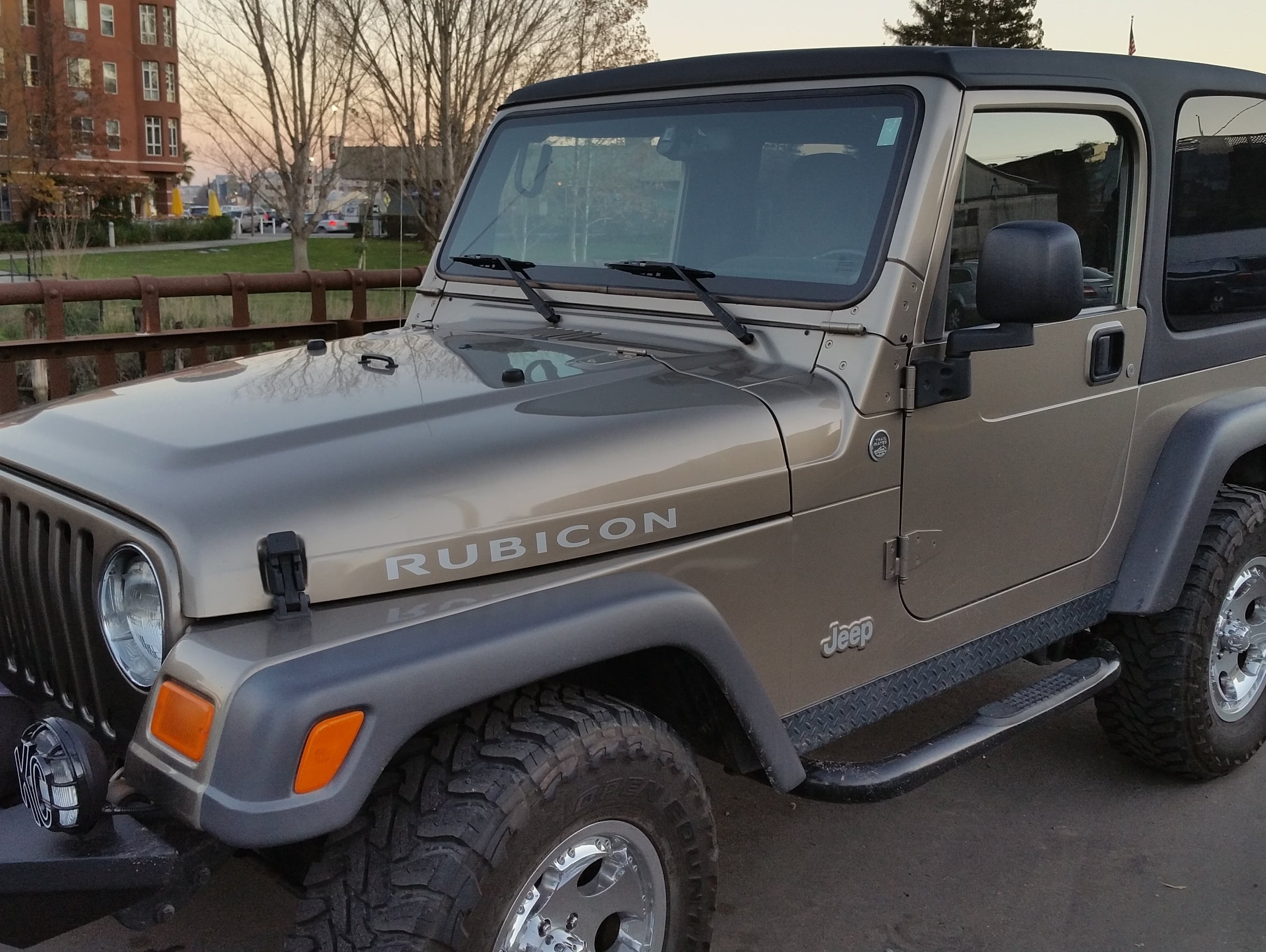
Jeep models like the Wrangler and Gladiator mostly use fiberglass and plastic composites. The hard top for a Jeep Wrangler weighs about 150 pounds (fiberglass), while a steel top can weigh up to 250 pounds. Fiberglass tops last up to 10 years with proper care, while plastic composites can last even longer due to their resistance to UV damage.
An interesting insight: Jeep hard tops are often tested for impact resistance and weatherproofing. Manufacturers simulate heavy rain, snow, and even falling branches to make sure the tops protect you in real life. Another detail many beginners miss is that hard tops usually include a layer of insulation or foam inside, which helps with comfort and soundproofing.
Key Things To Know Before Choosing A Hard Top
If you’re thinking about buying or replacing your Jeep’s hard top, keep these points in mind:
- Weight: Can you remove it yourself, or will you need help?
- Climate: Fiberglass is better for cold, noisy places. Plastic composites are good for hot, sunny regions.
- Budget: Fiberglass is often more affordable than steel, but plastic composite tops can cost more if they have special features.
- Maintenance: Steel needs regular checks for rust. Fiberglass and plastic composites mostly need cleaning and UV protection.
- Customization: Fiberglass and plastic composites are easier to paint or modify.
If you want deeper technical data about materials, check the official Jeep website or refer to AutoEvolution for manufacturing details.
Frequently Asked Questions
What Is The Most Common Material For Jeep Hard Tops?
Fiberglass is the most widely used material in Jeep hard tops, offering a balance of strength, insulation, and weight.
Are Plastic Composite Hard Tops Stronger Than Fiberglass?
Plastic composites are more resistant to dents and scratches, but fiberglass generally provides better insulation.
How Long Does A Jeep Hard Top Last?
With proper care, a fiberglass Jeep hard top can last 8-10 years. Plastic composites may last even longer, especially with UV protection.
Can I Paint My Jeep Hard Top?
Yes, both fiberglass and plastic composite hard tops can be painted. Make sure to use automotive-grade paint and follow preparation steps.
Is A Steel Hard Top Worth The Extra Weight?
Steel hard tops are best for extreme use and heavy protection. For most drivers, fiberglass or plastic composite is enough, unless you need maximum durability.
Jeep hard tops are a smart investment if you want safety, comfort, and style. By understanding what they’re made of and how each material performs, you can make the right choice for your needs.
Choose wisely, and your Jeep will be ready for any adventure.