Every Jeep enthusiast knows that off-roading is about more than just big tires and a lifted suspension. When the trail turns rough or slippery, traction becomes the main challenge.
This is where air lockers come into play. These clever devices can make the difference between powering over an obstacle or being stuck.
But what exactly are air lockers on a Jeep, and why do so many off-roaders swear by them?
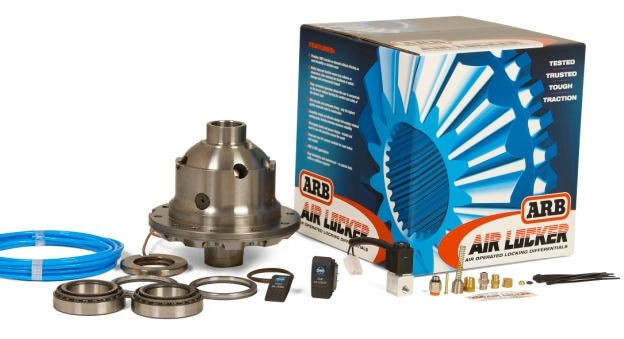
Understanding Air Lockers
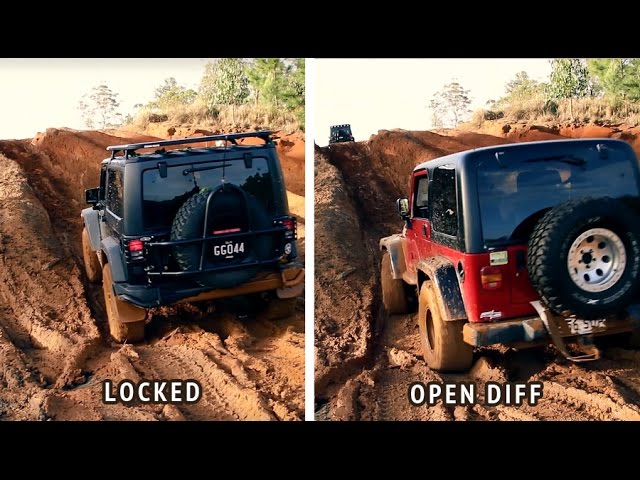
Air lockers are a type of differential locker that use compressed air to lock the differential. In simple terms, a differential lets your Jeep’s wheels turn at different speeds—essential for smooth cornering on pavement. But off-road, this feature can limit traction. If one wheel loses grip, power goes to the path of least resistance, leaving you spinning.
With an air locker, you can choose when to “lock” the differential. Press a button inside your Jeep, and compressed air engages the locker, forcing both wheels on the axle to turn together.
This dramatically improves traction in mud, sand, rocks, or snow.
How Air Lockers Work
An air locker uses a compact air compressor to send pressurized air through a tube to the differential. Inside, a mechanism shifts, locking the side gears together. When you turn the locker off, the air releases and the differential returns to normal operation.
Here’s a quick look at the basic operation:
- Driver presses the locker switch.
- Compressor sends air to the differential.
- Locker engages; wheels turn together.
- Turn the switch off, and normal function returns.
This “on-demand” feature sets air lockers apart from automatic lockers, which always lock when traction changes.
Why Use Air Lockers On A Jeep?
Air lockers are especially popular with Jeep owners who love serious off-roading. Here’s why:
- Maximized Traction: Both wheels drive together, pulling you through tough spots.
- Driver Control: Engage or disengage lockers exactly when you need them.
- Versatility: Ideal for rock crawling, mud, snow, or sand.
- Reduced Tire Wear: Locker is off during regular driving, so tires last longer.
Many Jeep models, like the Wrangler Rubicon, even offer factory air lockers for front and rear axles. Aftermarket kits are also available for older Jeeps or those without factory lockers.
Air Lockers Vs. Other Lockers
Jeep owners may wonder how air lockers compare to other types. Here’s a side-by-side look:
| Type | Activation | On-Road Comfort | Traction Control |
|---|---|---|---|
| Air Locker | Driver-controlled, on-demand (air) | Excellent (open when off) | Full (when engaged) |
| Automatic Locker | Engages automatically | Fair (may affect cornering) | Full (when needed) |
| Limited Slip | Automatic, torque-sensitive | Very good | Partial (never fully locked) |
| Spool | Always locked | Poor (not for street use) | Full, always |
Air lockers offer a unique mix of daily driving comfort and serious off-road grip. That’s why they’re a top choice for Jeepers who use their vehicles both on and off the trail.
Key Components Of An Air Locker System
A typical Jeep air locker system includes:
- Differential locker unit (installed inside axle)
- Air compressor (mounted under hood or inside)
- Air lines and fittings
- Switch and wiring harness
- Manifold (sometimes for dual lockers)
Installation should be done by a professional or experienced DIYer, since it requires opening the axle and running air lines.
Here’s a quick comparison between factory and aftermarket air locker kits:
| Feature | Factory Air Locker | Aftermarket Air Locker |
|---|---|---|
| Warranty | Covered by Jeep | Varies by brand |
| Fit & Integration | Perfect fit, all wiring included | May need custom install |
| Compressor Included | Yes (usually) | Sometimes extra |
| Cost | Higher (part of trim) | Varies, often less expensive |
Common Myths And Realities
Some Jeep owners worry that air lockers are unreliable or hard to maintain. In reality, modern air lockers are built to handle tough conditions.
The key is proper installation and regular checks for leaks in the air system.
Another myth is that lockers are only for extreme rock crawlers. In truth, air lockers help in many situations—deep snow, muddy trails, or steep climbs.
Even overlanding Jeeps can benefit from the extra traction.
A hidden advantage: air lockers can reduce the risk of breaking an axle. Since you can engage the locker only when needed, you avoid unnecessary stress during daily driving.
Air Locker Brands For Jeeps
Several companies make air lockers for Jeep vehicles. The most famous is ARB, known for its robust design and global support network.
Eaton, Yukon, and Ox also offer air locker systems for various Jeep models.
When choosing, consider:
- Compatibility with your Jeep’s axle
- Compressor size and power needs
- Warranty and support
- Real-world reviews from Jeep owners
Always check fitment guides, as not all lockers fit every Jeep or axle type.
Real-world Example
Imagine your Jeep Wrangler is climbing a muddy hill. With an open differential, one tire spins and you go nowhere.
Press the air locker switch, and both rear tires dig in together. Now, your Jeep climbs right over the obstacle.
This control can give you confidence in remote areas, where getting stuck could mean a long walk out.
Maintenance Tips For Air Lockers
A few simple habits keep your air locker working well:
- Inspect air lines for leaks or damage every oil change.
- Listen for air compressor cycling when lockers are off—a sign of a small leak.
- Keep electrical connections dry and clean.
- Cycle the locker (engage/disengage) monthly, even if you don’t off-road often.
These small steps can add years to your system’s life and prevent problems on the trail.