Jeep vehicles are known for their ruggedness and reliability, but to keep them running smoothly, it’s important to use the right fluids. One fluid that often gets overlooked is antifreeze, also known as coolant. Choosing the correct antifreeze for your Jeep can help prevent engine damage, overheating, and expensive repairs. But with so many types and colors of antifreeze on the market, it’s easy to get confused. Let’s clear up what antifreeze Jeep uses, why it matters, and how to make the best choice for your vehicle.
What Is Antifreeze And Why Does It Matter?
Antifreeze is a special liquid added to your Jeep’s cooling system. Its main job is to keep the engine from freezing in cold weather and from overheating in hot temperatures. Without antifreeze, your engine could crack, seize, or develop leaks. Most antifreeze fluids are a mix of ethylene glycol or propylene glycol with water and special additives.
Modern engines are built with different metals and materials, so they need specific types of antifreeze to protect against rust, corrosion, and buildup. Using the wrong antifreeze can actually damage your Jeep’s cooling system and shorten the life of engine parts.
Which Antifreeze Does Jeep Recommend?
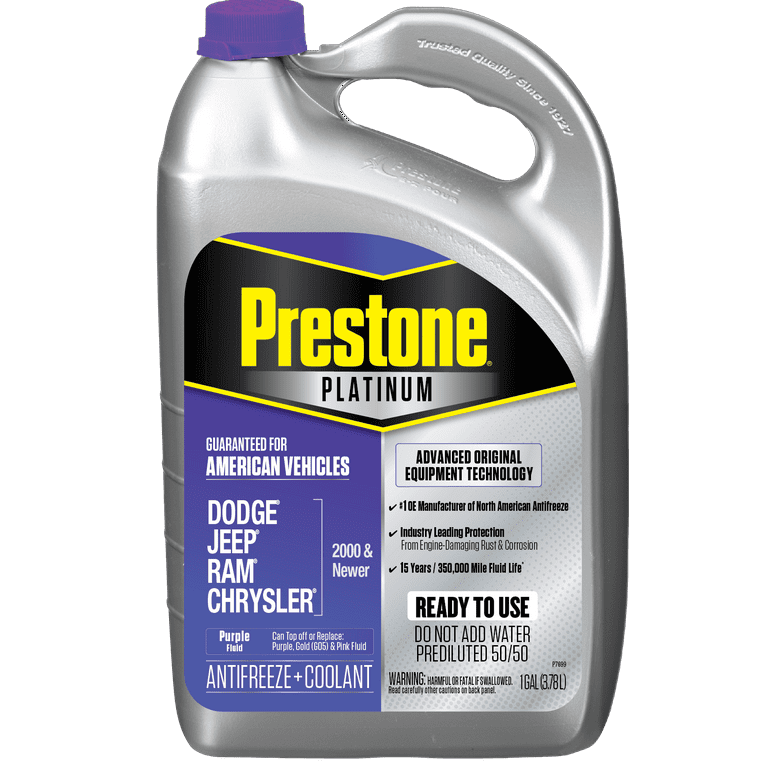
Jeep, as part of the Stellantis group (previously Fiat Chrysler Automobiles), recommends specific antifreeze formulas for its vehicles. The type you need depends on your model year and engine.
| Model Year | Recommended Antifreeze | Color |
|---|---|---|
| 1990s – Early 2000s | HOAT (Hybrid Organic Acid Technology) | Orange or Yellow |
| Mid-2000s – 2012 | HOAT (Mopar 10 Year/150,000 Mile) | Orange |
| 2013 – Present | OAT (Organic Acid Technology, Mopar 10 Year/150,000 Mile) | Purple |
For most 2013 and newer Jeeps, the factory fill is a purple OAT coolant. Older Jeeps (1990s to early 2010s) typically use orange or yellow HOAT coolant. Always check your owner’s manual or the label under your hood for the exact type.

Key Differences: Oat Vs Hoat Antifreeze
It’s easy to mix up OAT and HOAT coolants, but they are not the same. Here’s how they compare:
| Type | Main Ingredients | Service Life | Common Color |
|---|---|---|---|
| OAT | Organic acids, no phosphates or silicates | 10 years / 150,000 miles | Purple |
| HOAT | Hybrid mix: organic acids + some silicates | 5 years / 100,000 miles | Orange, Yellow |
A common mistake is to mix OAT and HOAT coolants. Mixing them can cause thick sludge, reduce cooling performance, and possibly void your Jeep’s warranty.
If you’re unsure, drain the system and refill with the recommended type.
How To Identify The Right Antifreeze For Your Jeep
Finding the correct antifreeze for your Jeep is simple if you follow these steps:
- Check the owner’s manual – This is your most reliable guide.
- Look for stickers under the hood – Many Jeeps have a label that states the required coolant type.
- Read the antifreeze bottle – Mopar-branded coolants specify OAT or HOAT and mention Jeep compatibility.
- Don’t trust color alone – Some brands use different dyes. Always confirm the chemical type.

How To Change Or Top Up Your Jeep’s Antifreeze
If your Jeep’s coolant level is low, or it’s time to replace it, here’s what you should do:
- Let the engine cool – Never open a hot radiator cap.
- Locate the coolant reservoir – Usually a translucent plastic tank.
- Check the fill level – There are “Min” and “Max” lines.
- Add the correct antifreeze – Use a 50/50 mix with distilled water, unless the bottle says “pre-diluted.”
- Replace the cap and run the engine – This helps remove air bubbles.
For a full coolant flush, follow your manual or get a professional’s help. Always dispose of old antifreeze safely it’s toxic to people and animals.
Mistakes To Avoid With Jeep Antifreeze
Most Jeep owners make at least one of these errors:
- Mixing different antifreeze types – This can cause clogs or chemical reactions.
- Using tap water – Hard water can cause mineral deposits; use only distilled water.
- Ignoring service intervals – Even “lifetime” coolants break down over time.
- Trusting color only – Always check the chemical type, not just the color.
One insight many miss: even a small amount of mixed coolant (HOAT into OAT, for example) can lead to expensive repairs over time. Also, some aftermarket “universal” coolants may not fully protect aluminum engine parts in modern Jeeps.
Cost And Where To Buy Jeep Antifreeze
Genuine Mopar antifreeze is available at Jeep dealerships, auto parts stores, and online. Prices range from $18 to $30 per gallon for OAT or HOAT formulas.
Aftermarket brands can be cheaper, but always check compatibility.
For more details on coolant types and their chemistry, visit the Wikipedia page on antifreeze.
Quick Comparison: Jeep Antifreeze Types
Here’s a summary for quick reference:
| Jeep Model Year | Type | Color | Change Interval |
|---|---|---|---|
| 2013–Present | OAT | Purple | 10 years / 150,000 miles |
| 1990s–2012 | HOAT | Orange, Yellow | 5 years / 100,000 miles |
Frequently Asked Questions
What Color Is The Recommended Antifreeze For A 2020 Jeep Wrangler?
The 2020 Jeep Wrangler uses a purple OAT coolant. Always check your owner’s manual to be sure.
Can I Mix Green Coolant With My Jeep’s Oat Or Hoat Coolant?
No, never mix different types of coolant. Mixing can cause chemical reactions and damage your engine.
How Often Should I Change My Jeep’s Antifreeze?
For OAT, change every 10 years or 150,000 miles. For HOAT, every 5 years or 100,000 miles. Replace sooner if the coolant looks dirty or rusty.
Is Mopar Antifreeze The Only Option For My Jeep?
While Mopar is recommended, some brands make compatible coolants. Always look for “meets Jeep OAT/HOAT spec” on the label and avoid “universal” coolants unless they match the required standard.
What Happens If I Use The Wrong Antifreeze In My Jeep?
Using the wrong antifreeze can cause cooling system clogs, leaks, or corrosion, and may void your warranty. Always use the type specified for your Jeep.
Choosing the right antifreeze helps your Jeep run better, last longer, and avoid costly repairs. When in doubt, check your manual or ask a trusted mechanic.