Finding the right transmission fluid for your 2011 Jeep Patriot is more important than many drivers think. The right fluid helps your transmission shift smoothly, keeps temperatures down, and extends the life of your vehicle.
Using the wrong fluid can cause expensive damage and even void your warranty. If you want your Patriot to last and perform its best, understanding transmission fluid is a smart move.
Why Transmission Fluid Matters
Transmission fluid does more than just lubricate moving parts. It also:
- Cools the transmission
- Cleans internal parts
- Provides the hydraulic pressure needed for shifting gears
For the 2011 Jeep Patriot, the continuously variable transmission (CVT) or automatic has different needs than a manual transmission. Each type requires a specific fluid, and using the wrong one can cause slipping, overheating, or even complete failure.
Recommended Transmission Fluid Types
For the 2011 Jeep Patriot, there are two main transmission options:
- CVT (Continuously Variable Transmission)
- 6-speed automatic or 5-speed manual
The correct fluid depends on your transmission type.
Cvt Transmission
Jeep recommends Mopar CVT+4 fluid for the Patriot’s CVT. This fluid is specially designed to handle the unique needs of a CVT, like constant gear changes and higher operating temperatures.
Automatic Transmission
If your Patriot has a traditional automatic transmission, use Mopar ATF+4. This is a synthetic fluid that resists breakdown, provides smooth shifts, and works well in hot or cold weather.
Manual Transmission
Manual versions use Mopar Manual Transmission Lubricant. Always check your owner’s manual to confirm the exact specification.

Transmission Fluid Capacity
How much fluid you need depends on the transmission type and whether you’re just draining and refilling, or doing a full flush.
| Transmission Type | Fluid Capacity (Drain & Fill) | Fluid Capacity (Full Flush) |
|---|---|---|
| CVT | ~4.2 quarts | ~7.4 quarts |
| 6-speed Automatic | ~4.1 quarts | ~8.8 quarts |
| 5-speed Manual | ~1.8 quarts | Same as above |
Always measure what you remove and refill slowly to avoid overfilling.
When To Change Transmission Fluid
Changing transmission fluid on time is crucial. Jeep recommends:
- CVT: Every 60,000 miles (or sooner if you tow or drive in harsh conditions)
- Automatic: Every 60,000 miles
- Manual: Every 60,000 miles
If you drive in hot climates, tow, or do a lot of city driving, change it more often.
How To Check Transmission Fluid
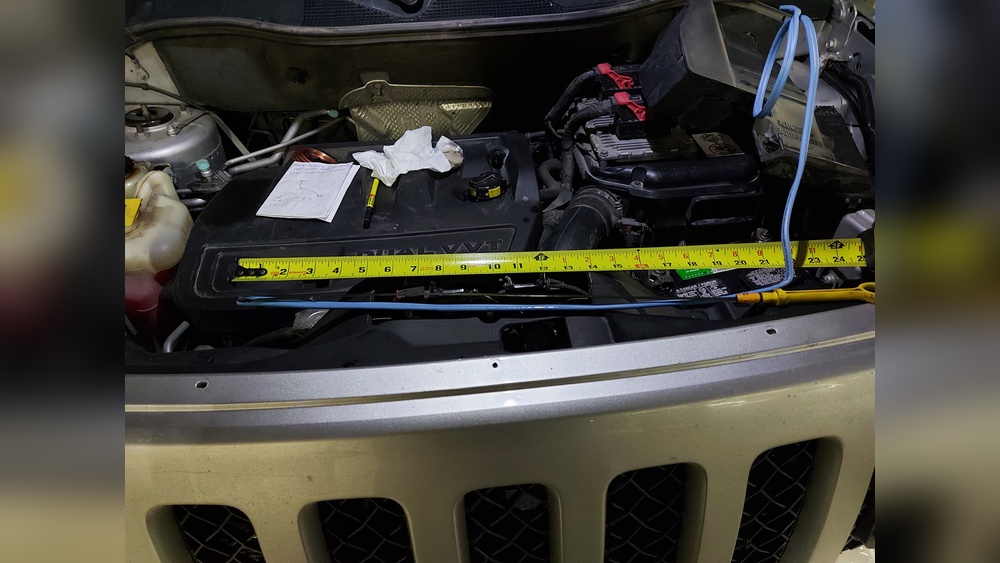
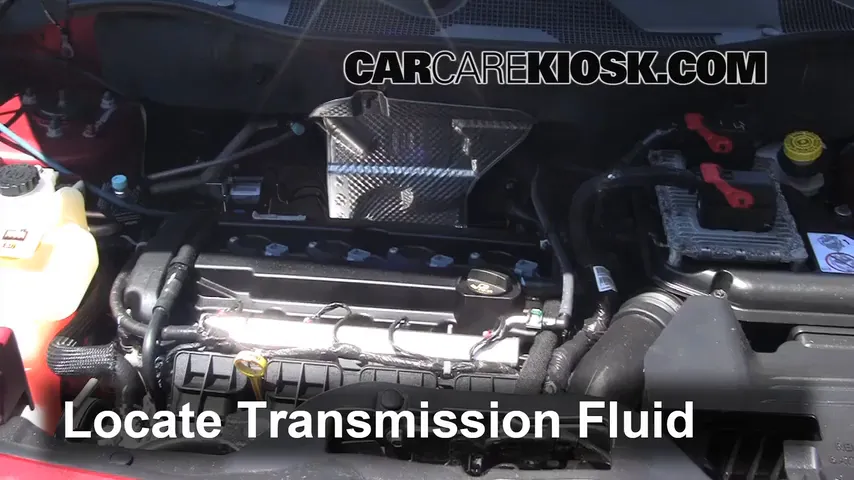
Most modern Patriots do not have a traditional dipstick. Instead, you check the level using a special tool at your mechanic or dealership.
If you have a manual transmission, check the fill plug on the side of the transmission.
Steps To Change Transmission Fluid
If you’re comfortable with basic car maintenance, you can change the fluid yourself. Here’s a quick overview for a CVT:
- Warm up the vehicle by driving 10–15 minutes.
- Lift the car and secure it with jack stands.
- Remove the drain plug under the transmission.
- Drain the old fluid into a pan.
- Replace the drain plug.
- Refill with new fluid through the fill plug using a funnel.
- Check the level (if possible) and look for leaks.
If you’re unsure, have a mechanic do the job. CVT fluid changes are more complex than regular automatics.
Signs Your Transmission Fluid Needs Attention
Watch for these symptoms:
- Rough or delayed shifting
- Unusual noises when driving
- Transmission overheating
- Fluid leaks under your car
- Burnt smell from the transmission area
Catching these signs early can save your transmission.
Oem Vs. Aftermarket Fluid
Some shops offer aftermarket CVT or ATF+4 fluids. While these can save money, they may not meet Jeep’s standards. Using genuine Mopar fluid is safest, especially for CVT.
Here’s a quick comparison:
| Fluid Type | Pros | Cons |
|---|---|---|
| OEM (Mopar) | Guaranteed compatibility, protects warranty | Usually more expensive |
| Aftermarket | Lower cost, more choices | Risk of poor compatibility, may void warranty |

Common Mistakes To Avoid
- Using the wrong fluid type. This can quickly damage your transmission.
- Not changing the fluid on time. Old fluid breaks down and loses protection.
- Overfilling or underfilling. Both can cause shifting problems.
- Skipping the filter. Some transmissions have a filter that should be replaced during fluid changes.
Cost Of Transmission Fluid Change
A professional fluid change for a 2011 Jeep Patriot usually costs:
- CVT: $200–$400
- Automatic: $150–$300
- Manual: $80–$150
DIY can save money but requires care, especially with CVT.
Practical Tips And Insights
- Always use a new drain plug washer to prevent leaks.
- If your transmission is acting up, a fluid change may not solve all issues—sometimes repairs are needed.
- Do not mix old and new fluid types. Always flush thoroughly if you switch brands.
Where To Buy Transmission Fluid
You can find Mopar CVT+4 and ATF+4 fluid at:
- Jeep dealerships
- Major auto parts stores
- Online retailers
Always check the bottle for the correct specs. Look for “Mopar CVT+4” or “ATF+4” on the label.
For more technical information, see the official Mopar Parts Site.
Frequently Asked Questions
What Happens If I Use The Wrong Transmission Fluid?
Using the wrong fluid can cause slipping, overheating, or permanent damage to your transmission. Always use the type Jeep recommends.
How Do I Know Which Transmission I Have?
Check your owner’s manual or the sticker inside the driver’s door. You can also ask your dealer with your VIN.
Is It Safe To Mix Old And New Fluid?
It’s best to avoid mixing. Old fluid may have contaminants or different additives. Always use fresh, correct fluid for the best protection.
Can I Change The Transmission Fluid Myself?
Yes, but it’s more complex for CVT. If you’re not experienced, have a professional do the job.
How Often Should I Check My Transmission Fluid?
Check at every oil change if possible, or follow your owner’s manual. Most newer Patriots require a shop visit for a proper check.
Taking care of your 2011 Jeep Patriot’s transmission fluid is one of the simplest ways to keep your SUV running strong for years. Small steps today can prevent big repairs tomorrow.