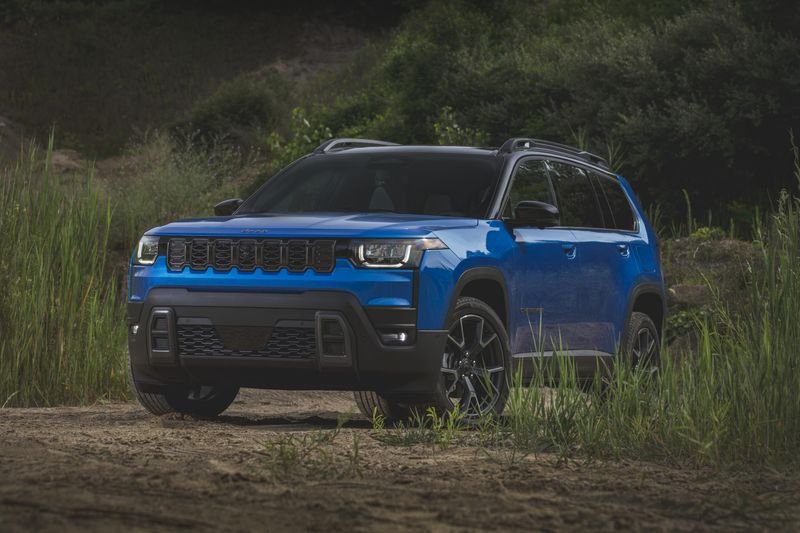
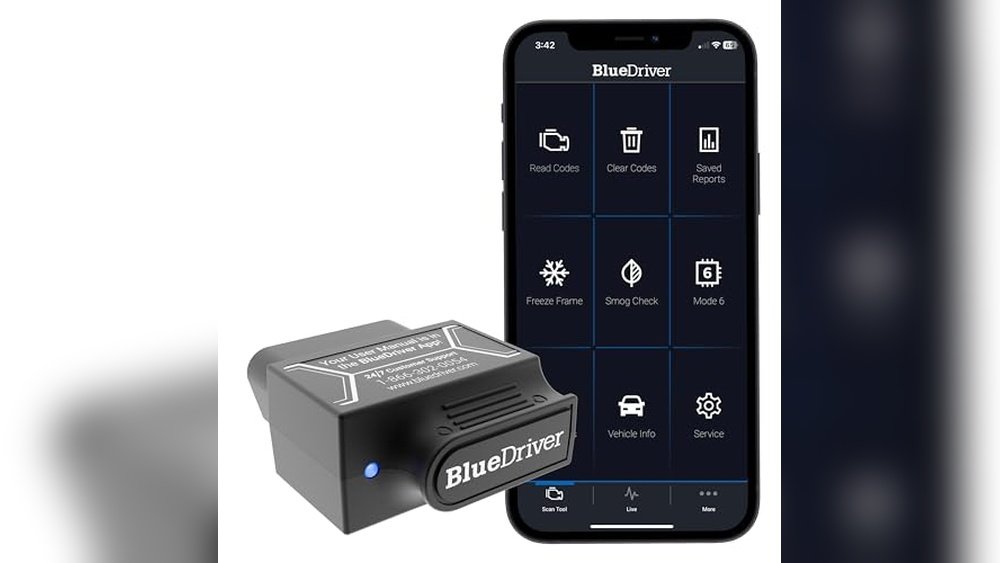
If you love adventure with your Jeep Wrangler, you’ve probably thought about a tow bar. Whether you want to bring your Wrangler behind an RV or need to move it across the country, a tow bar makes things much easier. But choosing, installing, and using a tow bar isn’t as simple as it sounds. A wrong decision can damage your Jeep, or even risk your safety on the road. This guide will help you understand tow bars for Jeep Wranglers, how to pick the best one, and what you need to know before you hit the road.
What Is A Tow Bar For Jeep Wrangler?
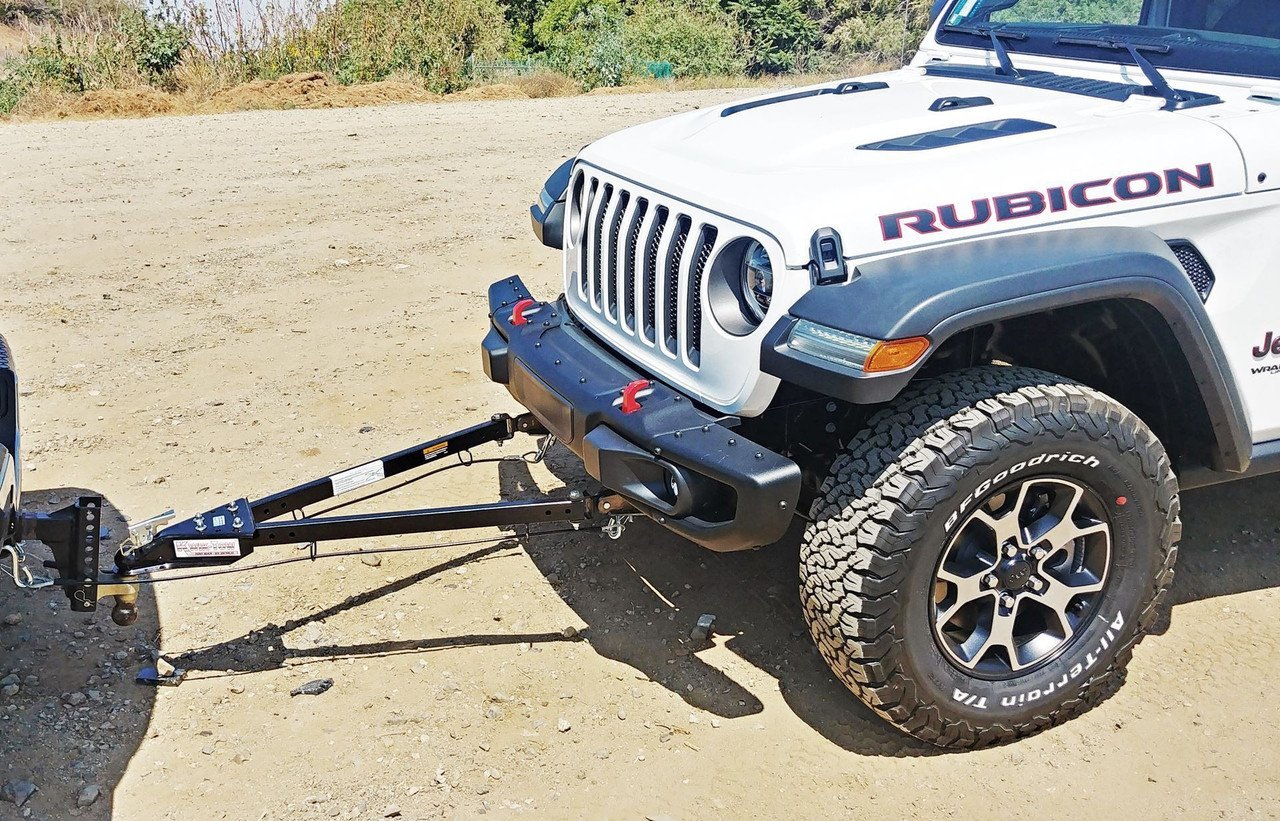
A tow bar is a device that connects your Jeep Wrangler to another vehicle, usually for towing behind an RV or truck. Unlike a trailer, a tow bar lets all four wheels of your Jeep stay on the ground—this is called “flat towing.” The main parts of a tow bar system are:
- The tow bar itself (the metal arm connecting vehicles)
- Base plates (mounted on your Wrangler)
- Safety cables
- Lighting and wiring
With the right setup, you can safely and legally tow your Wrangler for long distances.
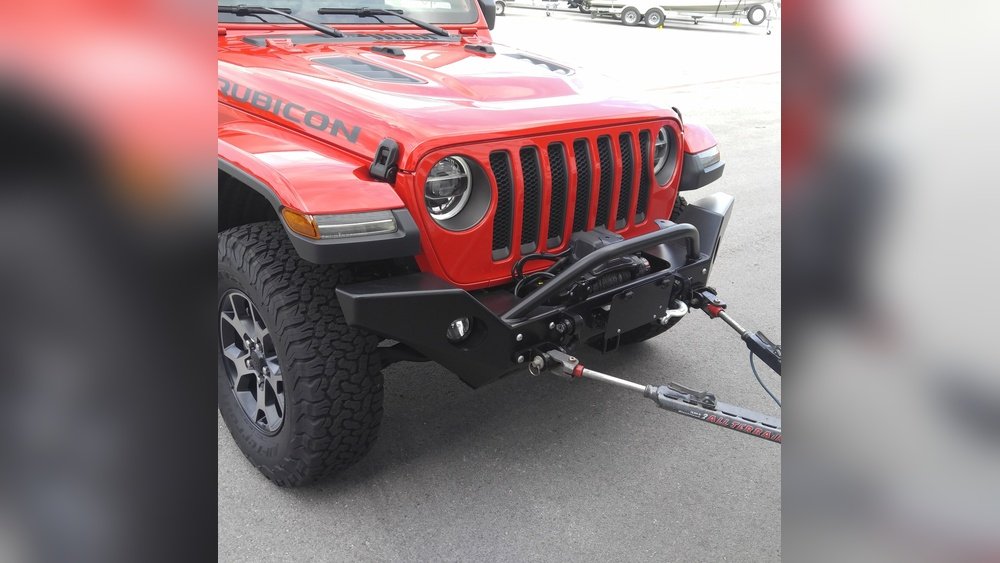
Why Flat Tow A Jeep Wrangler?
Many vehicles can’t be flat towed because of their transmission, but the Jeep Wrangler is different. Most Wranglers (especially those with 4WD and a neutral transfer case) are designed for this. Here’s why people choose to flat tow:
- Convenience: No need for a trailer or dolly.
- Off-road trips: Take your Jeep on adventures after parking your RV.
- Saves space: Towing with a bar means you don’t need a big trailer.
- Less hassle: Hooking up and unhooking is usually fast.
Non-obvious insight: Always check your Wrangler’s owner’s manual—some models or trims may have special instructions or limits for flat towing.
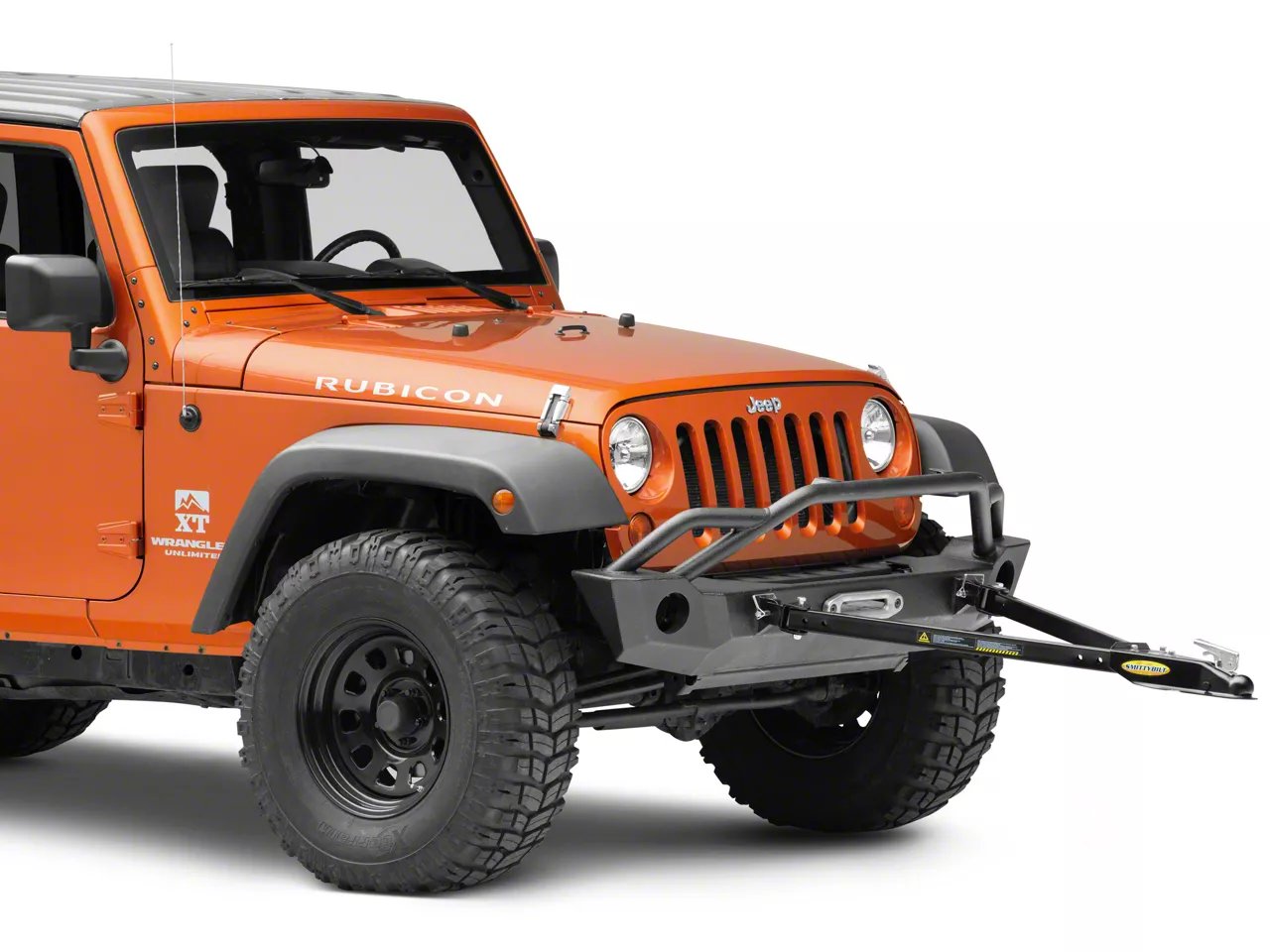
Types Of Tow Bars For Jeep Wrangler
There are several types of tow bars, and not all are equal. Here’s a quick overview:
| Type | How It Works | Typical Use | Pros | Cons |
|---|---|---|---|---|
| Car-Mounted (A-Frame) | Bolts directly to Jeep’s front | Occasional towing | Low cost | Can be less stable |
| RV-Mounted | Attaches to RV, connects to Jeep | Frequent towing | More stable, easier hookup | More expensive |
| Self-Aligning | Automatically lines up as you move | Solo drivers | Very easy to connect | Usually pricier |
Experience-based tip: Most Jeep owners prefer RV-mounted, self-aligning tow bars for regular use—they’re much easier to connect and disconnect, especially if you’re alone.
Key Factors When Choosing A Tow Bar
Not all tow bars fit all Jeeps, and not every bar meets every need. Here’s what matters most:
1. Weight Capacity
Your tow bar must handle the weight of your Jeep Wrangler. Most Wranglers weigh between 3,900 and 4,500 pounds. Always choose a tow bar rated for at least 5,000 pounds, just to be safe.
2. Compatibility
Check that the bar works with your Wrangler’s model year and whether you have a JL, JK, TJ, or YJ. Some tow bars need special base plates, which must match your Jeep’s frame.
3. Base Plates
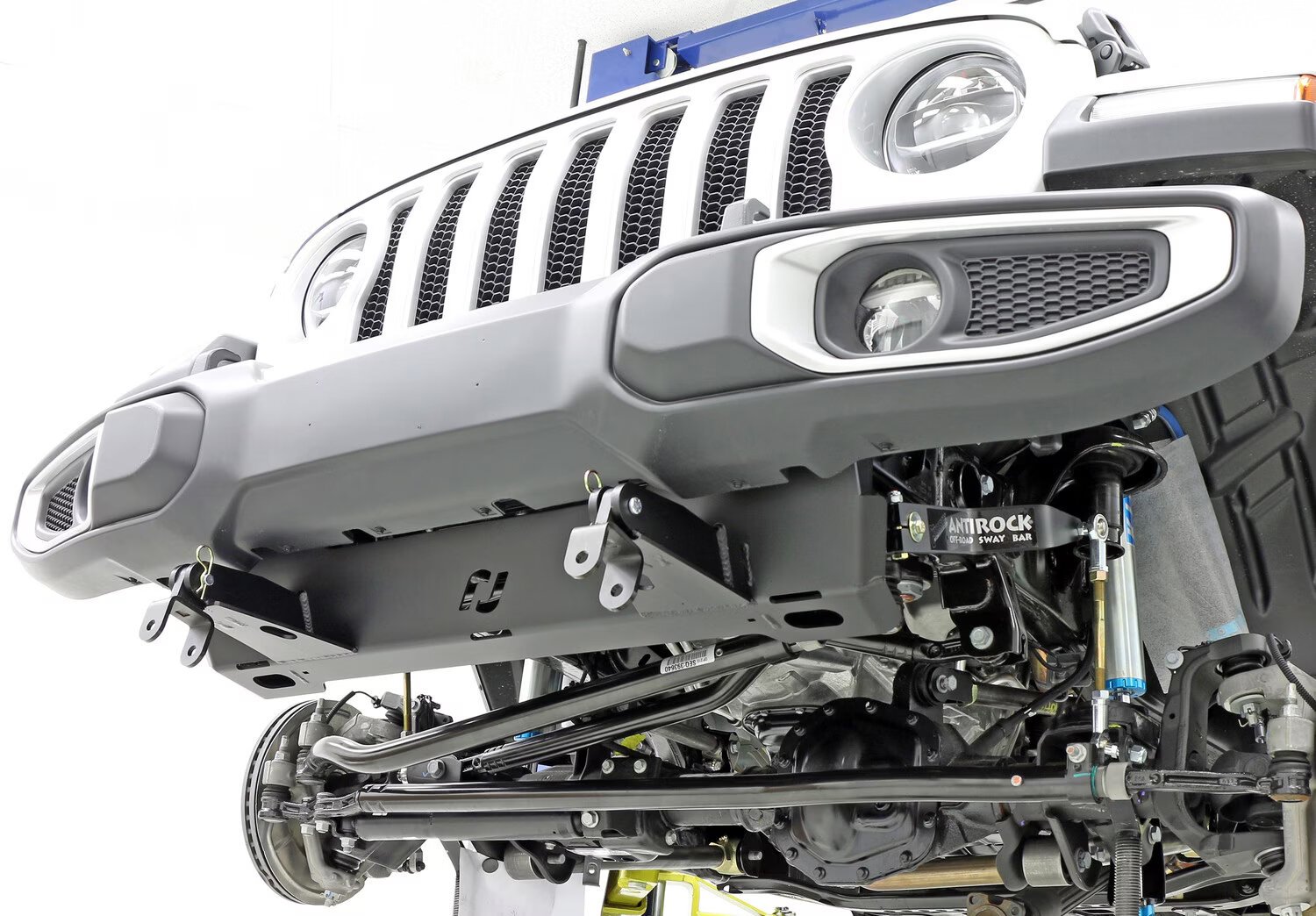
Base plates are custom brackets that attach to the Jeep’s frame. The tow bar then connects here.
Make sure the base plate and tow bar are compatible. Mixing brands isn’t always possible.
4. Ease Of Use
Look for features like quick-release pins or self-aligning arms. These save time and frustration, especially if you tow often or travel alone.
5. Durability And Weather Resistance
Choose a tow bar with high-quality steel and good rust protection. Your tow bar will face rain, snow, and road salt.
6. Safety Features
Don’t skip on safety cables (required by law) and check that the tow bar has sturdy locking mechanisms. Accidents happen if parts fail.
7. Price And Warranty
Prices range from $200 for basic bars to $1,000+ for premium, easy-to-use models. A good warranty shows the company stands by its product.
Popular Tow Bar Brands For Jeep Wrangler
Many brands make tow bars, but a few stand out for quality and support. Some top choices include:
- Blue Ox: Known for strong, easy-to-use self-aligning bars.
- Roadmaster: Offers a variety of bars and base plates for all Wranglers.
- CURT: Good for budget buyers, but may need extra parts.
- Demco: Makes durable bars with helpful features.
Non-obvious insight: Stick with brands that make both base plates and tow bars for your Jeep. Compatibility is much easier, and you can often get better support if you have questions.
Tow Bar Installation: What To Expect
Installing a tow bar system is a job you can do at home, but it’s not always simple. Here’s what’s usually involved:
- Install base plates: This can take 2-4 hours and may mean removing the Wrangler’s bumper.
- Attach tow bar: Most bars use quick pins for fast hookup.
- Run wiring: Your Jeep needs working tail lights when towed. Kits are available that plug into factory wiring.
- Safety cables and breakaway switch: Most states require these for safety.
If you’re not comfortable with tools or don’t want to drill into your Jeep, a professional installer is a smart choice. Expect to pay $200 $500 for installation.
Jeep Wrangler Tow Bar Setup: Step-by-step
Here’s how to set up a typical tow bar system for a Jeep Wrangler:
- Park both vehicles: Line up your RV or tow vehicle with the Jeep.
- Attach base plates: Confirm they’re tight and secure.
- Connect the tow bar: Use the quick pins or bolts.
- Hook up safety cables: Cross them under the bar for extra safety.
- Plug in wiring: Make sure lights work (test turn signals and brakes).
- Check everything: Walk around, look for loose parts.
- Set Jeep transfer case to neutral: Follow your owner’s manual exactly.
Straight-to-the-point tip: Don’t skip the walk-around check. A loose pin or cable can lead to a crash.
Top Features To Look For
Not all tow bars are created equal. Here’s what makes a great tow bar for the Jeep Wrangler stand out:
| Feature | Benefit | Why It Matters |
|---|---|---|
| Self-Aligning Arms | Easy, fast hookup | No need to be perfectly lined up |
| Non-Binding Latches | Simple disconnect | Prevents stuck pins |
| Adjustable Length | Flexible fit | Works with different vehicles |
| Weather Protection | Rust resistance | Longer product life |
| Integrated Safety Cables | Cleaner look | Less to forget or lose |
Common Mistakes When Using A Tow Bar
Even experienced Jeep owners sometimes get things wrong. Watch out for these common errors:
- Wrong transfer case setting: Not shifting into true neutral can destroy your transmission.
- Forgetting safety cables: These aren’t optional—they protect you if the bar fails.
- Improper lighting: Your Jeep must have working tail, brake, and turn signals when towed.
- Overloading the tow bar: Never tow more than the rated capacity.
- Ignoring regular checks: Bolts and pins can loosen over long trips. Check them at every stop.
Legal And Safety Considerations
Towing laws vary by state. In the US, you’ll usually need:
- Safety cables (crossed under tow bar)
- Working lights on the Jeep
- Breakaway switch (required in many states if towing over 3,000 lbs)
- License plate visibility
Pro tip: Always check the rules for every state you’ll travel through. Some require extra reflectors or special equipment. A good source for up-to-date rules is the Family Motor Coach Association.
Maintenance And Longevity
Tow bars take a beating from weather, road salt, and vibration. Here’s how to keep yours safe:
- Rinse off salt and mud after every trip
- Check pins and bolts for tightness regularly
- Lubricate moving parts as the manual recommends
- Store indoors if possible to avoid rust
A quality tow bar can last 5 10 years or more if cared for.
Real-world Example: Towing A Jeep Wrangler Behind An Rv
Let’s say you own a 2021 Jeep Wrangler Unlimited (about 4,400 lbs). You decide to buy a Blue Ox self-aligning tow bar (rated for 10,000 lbs) and matching base plates.
After installing the plates (about three hours, some basic tools needed), you connect the tow bar with quick pins, attach safety cables, and use a plug-and-play wiring kit for the Jeep’s lights.
On your first trip, it takes just five minutes to hook up and check everything. After 2,000 miles, you notice the pins are still tight, and the bar moves smoothly.
Because you used a quality, compatible system, towing your Jeep is simple and stress-free.
Frequently Asked Questions
Do All Jeep Wranglers Support Flat Towing With A Tow Bar?
Most Jeep Wranglers with a two-speed transfer case (4WD with a true neutral) can be flat towed. Always check your owner’s manual for your model year. Some special editions or 2WD models may not allow flat towing.
Can I Use Any Tow Bar On My Jeep Wrangler?
No. Your tow bar and base plates must fit your Jeep’s year and model. Using the wrong parts can cause unsafe towing or even damage your Jeep’s frame. Always buy parts designed to work together.
Is It Legal To Tow A Jeep Wrangler With A Tow Bar?
Yes, but you must follow state laws. This usually means using safety cables, working lights, and sometimes a breakaway switch. Rules change by state, so check before you travel.
How Hard Is It To Install A Tow Bar On A Jeep Wrangler?
Installation can be done at home with basic tools, but base plates can be tricky. You may need to remove the bumper and drill holes. If you’re not confident, paying a pro is wise.
How Much Does A Jeep Wrangler Tow Bar Setup Cost?
A full setup (tow bar, base plates, cables, wiring, and installation) usually costs $800–$2,000. High-end bars with self-aligning arms and quick-release features are more expensive but worth the investment for frequent towing.
Bringing your Jeep Wrangler along for the ride opens up new adventures. With the right tow bar system, you can tow safely, quickly, and with peace of mind.
Choose a system that fits your Jeep, meets your needs, and don’t cut corners on installation or safety.
A little planning goes a long way for stress-free travels.