Driving a Jeep Grand Cherokee is about confidence, comfort, and safety. One often overlooked feature that adds to this experience is the Tire Pressure Monitoring System (TPMS).
This system quietly works in the background, alerting drivers to tire issues before they become dangerous. For many, the details of how TPMS works, why it matters, and how to handle common problems are not always clear.
This guide explains everything you need to know about TPMS in the Jeep Grand Cherokee, using simple words and practical advice.
What Is Tire Pressure Monitoring System (tpms)?
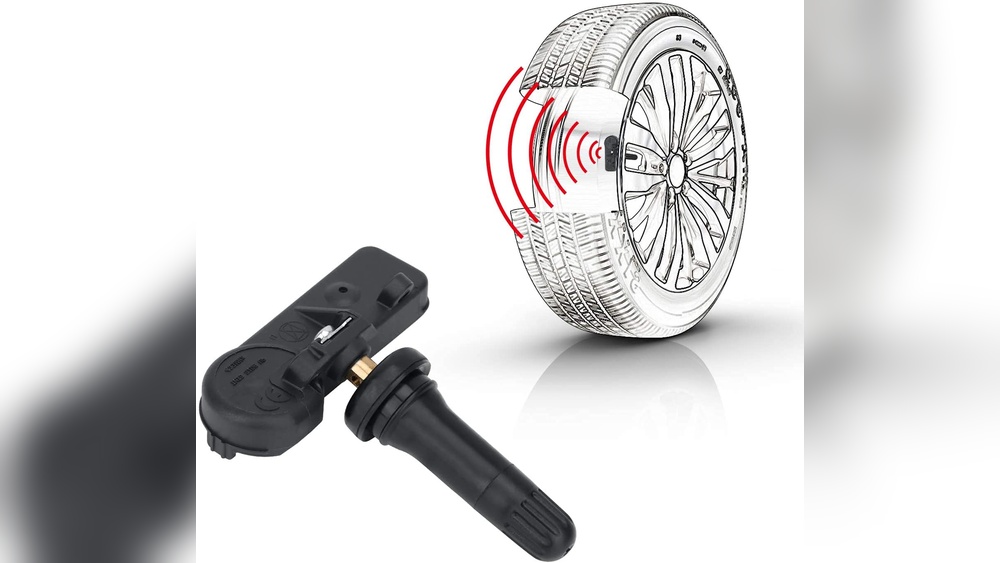
The TPMS is an electronic system that checks the air pressure inside your tires. When a tire’s pressure drops below a safe level, the system alerts you with a warning light on the dashboard. For the Jeep Grand Cherokee, TPMS is standard in most models from 2007 onwards.
There are two main types:
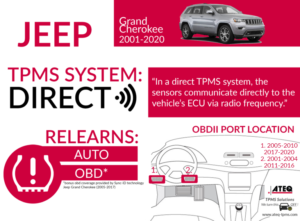
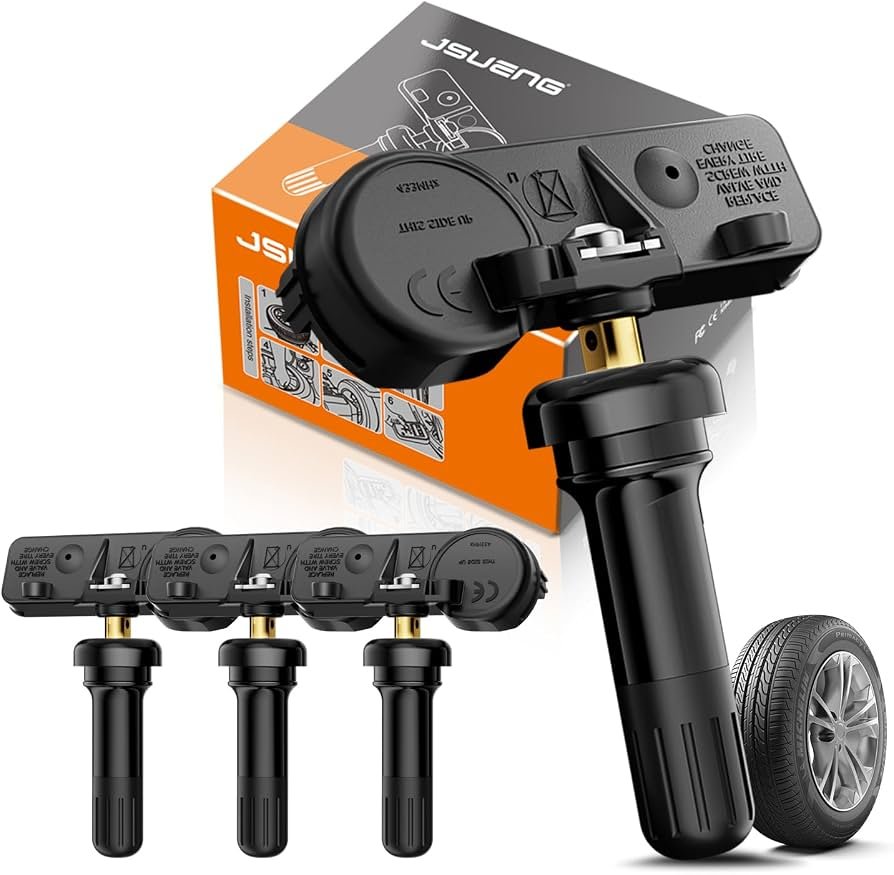
- Direct TPMS: Sensors inside each tire measure air pressure and send the data wirelessly to the car.
- Indirect TPMS: Uses wheel speed sensors to estimate pressure but is less common in Jeep Grand Cherokee.
Most Jeep Grand Cherokees use direct TPMS, which is more accurate.
Why Tpms Matters For Your Jeep Grand Cherokee
Tire pressure affects many things:
- Safety: Under-inflated tires can cause accidents by making handling worse and increasing stopping distance.
- Fuel Efficiency: Low tire pressure makes your engine work harder, using more gas.
- Tire Life: Proper pressure helps tires last longer.
According to the National Highway Traffic Safety Administration (NHTSA), about 11,000 tire-related accidents happen each year in the U.S. Many could be prevented by keeping tires properly inflated.
How Tpms Works In Jeep Grand Cherokee
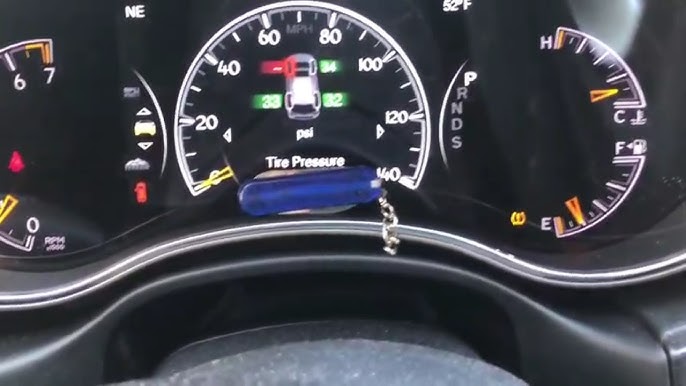
When you start your Jeep Grand Cherokee, the TPMS checks each tire’s pressure. If any tire is too low or too high, you’ll see a yellow symbol on the dashboard.
This symbol looks like a horseshoe with an exclamation mark.
Typical Tpms Warning Scenarios
- Low Pressure Warning: Tire pressure drops below 75% of recommended level.
- Sensor Failure: If a sensor battery dies, the warning light will blink before staying on.
- Seasonal Changes: Cold weather can lower pressure; TPMS may alert even if nothing is wrong.
Here’s a quick comparison of TPMS warning types:
| Warning Type | Symbol Behavior | Action Needed |
|---|---|---|
| Low Pressure | Steady light | Add air to tire |
| Sensor Failure | Blinking then steady | Replace sensor |
| Seasonal Drop | Steady light | Check and adjust |
Recommended Tire Pressure For Jeep Grand Cherokee
Different Jeep Grand Cherokee models may have slight variations, but most recommend 33 PSI for all four tires. Always check the sticker inside the driver’s door for the exact number.
Here’s a comparison table for recent models:
| Model Year | Front Tires (PSI) | Rear Tires (PSI) |
|---|---|---|
| 2026 | 33 | 33 |
| 2020 | 33 | 33 |
| 2018 | 33 | 33 |
Common Tpms Problems And Solutions
TPMS is reliable, but issues can still happen. Here are some common problems and how to solve them:
- False Alerts: Sometimes the system warns about low pressure, but the tires look fine. This often happens during cold mornings. Always check with a manual gauge before adding air.
- Sensor Battery Failure: TPMS sensors have batteries that last about 5–7 years. When they die, the warning light blinks. You’ll need to replace the sensor at a tire shop.
- After Tire Change: If you get new tires, make sure the TPMS sensors are transferred or replaced. Otherwise, the system won’t work.
- Ignoring the Light: Driving with the TPMS warning light on is risky. It could mean a slow leak or a bigger problem. Always check your tires right away.
How To Reset Tpms On Jeep Grand Cherokee
If you fix your tire pressure and the warning light stays on, you may need to reset the TPMS. Here’s how:
- Drive for 10 Minutes at 30 mph or above: The system will often reset itself after driving.
- Manual Reset: Some models have a reset button under the steering wheel. Check your owner’s manual.
- Professional Help: If the light won’t turn off, visit a dealership or tire shop.
It’s important not to ignore persistent warning lights. Sometimes, they signal sensor or system failure.
Practical Tips For Maintaining Tpms
- Check Tire Pressure Monthly: Use a handheld gauge to double-check, even with TPMS.
- Rotate Tires Regularly: This helps sensors stay accurate and extends tire life.
- Avoid Cheap Sensors: Quality sensors last longer and are less likely to fail.
Many drivers miss that TPMS sensors need replacement every 5–7 years. Also, using aftermarket wheels can sometimes interfere with sensor signals.
Jeep Grand Cherokee Tpms Vs. Other Suvs
Some SUVs have less accurate systems or only alert for one tire. Jeep Grand Cherokee’s direct TPMS monitors all four tires individually.
Here’s a quick comparison:
| Vehicle | TPMS Type | Alerts for Each Tire? |
|---|---|---|
| Jeep Grand Cherokee | Direct | Yes |
| Honda CR-V | Indirect | No |
| Ford Explorer | Direct | Yes |