Replacing a tie rod bushing is a task that often goes unnoticed until a car starts handling poorly or makes unusual noises. For many drivers, the tie rod bushing sounds like a small, simple part. In reality, it plays a big role in steering safety and overall vehicle stability. Ignoring a worn bushing can lead to more expensive repairs, so understanding how and when to replace it is important for anyone who wants to keep their car running smoothly.
What Is A Tie Rod Bushing?
The tie rod bushing is a small rubber or polyurethane component that sits between the tie rod and other steering parts. Its main job is to absorb vibrations and reduce friction in the steering mechanism. In simple terms, it helps keep your steering precise while reducing the amount of shock you feel in the steering wheel.
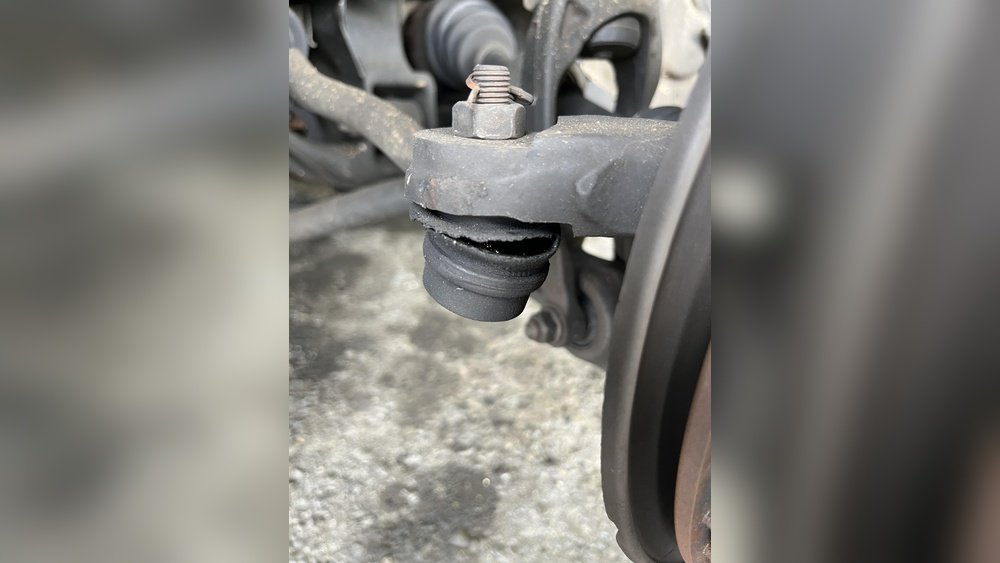
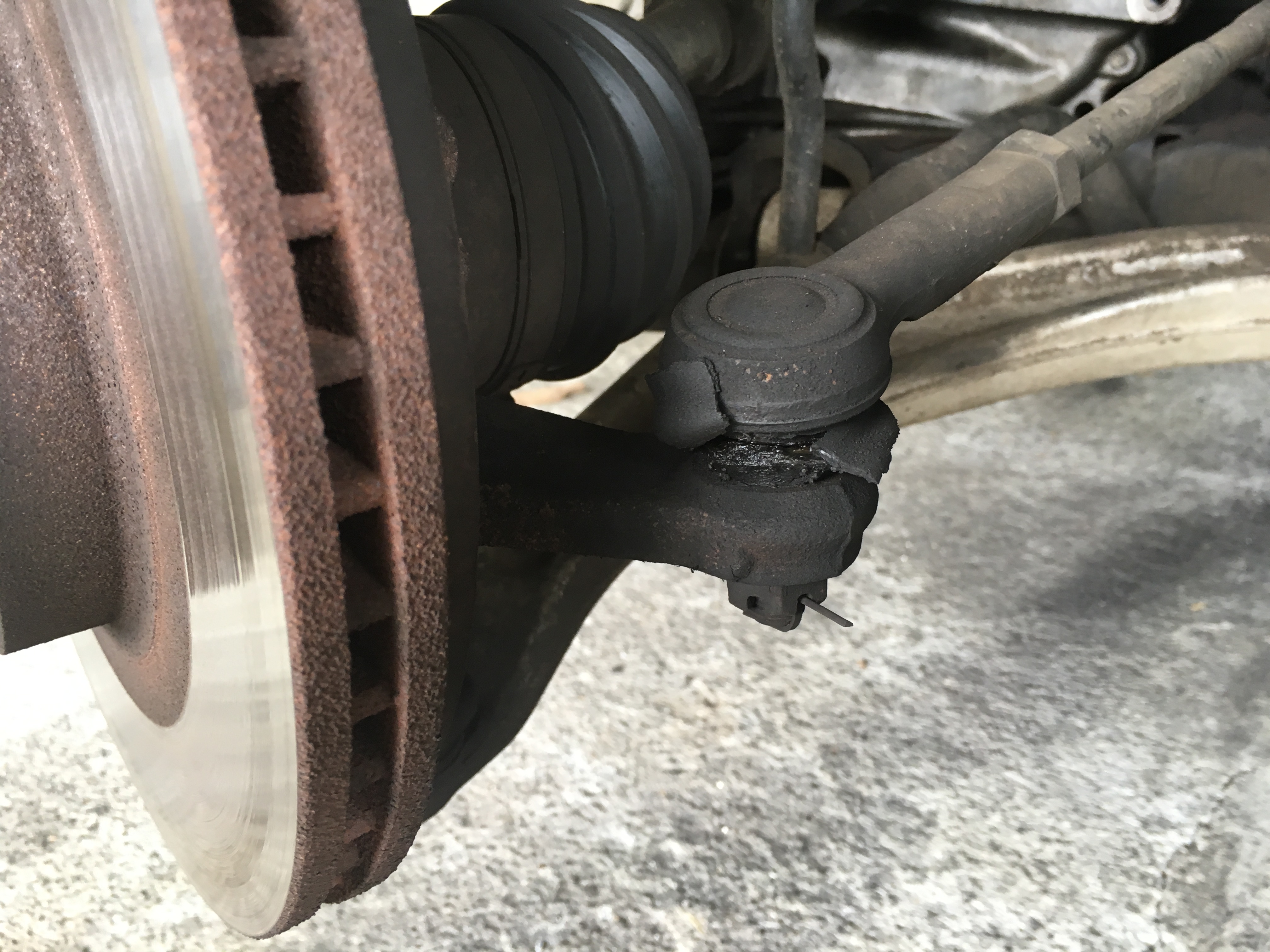
When a bushing wears out, steering can feel loose, and the car may wander on the road. In some cases, you may hear clunking noises, especially when driving over bumps. Ignoring these signs can eventually cause uneven tire wear or even steering failure.
Signs You Need Tie Rod Bushing Replacement
Recognizing when your tie rod bushing is failing can save you from bigger problems down the line. Here are some common symptoms:
- Loose steering – If the steering wheel feels less responsive, it can be due to worn bushings.
- Unusual tire wear – Worn bushings can cause the wheels to misalign, leading to uneven tire tread.
- Clunking or knocking noises – These sounds, especially when turning or going over bumps, often point to a loose or damaged bushing.
- Vibration in the steering wheel – Excessive vibration while driving is a common sign.
Many drivers overlook these symptoms, thinking they are minor issues. However, delaying replacement can increase repair costs and reduce driving safety.
Tools And Parts Needed
Before starting the replacement, gather the following:
- Jack and jack stands
- Lug wrench
- Wrench set
- Tie rod puller or separator
- Replacement tie rod bushing (make sure it matches your car’s model)
- Grease or lubricant
- Safety gloves and eye protection
Using the correct tools prevents damage to the steering system and ensures your safety.
Step-by-step Tie Rod Bushing Replacement
Replacing a tie rod bushing can be done at home with basic tools and some patience. Here’s a clear step-by-step guide:
1. Park And Secure The Car
Park on a flat surface, engage the parking brake, and place wheel chocks behind the rear wheels.
2. Lift The Vehicle
Use a jack to lift the front of the car. Secure it on jack stands for stability.
3. Remove The Wheel
Use the lug wrench to take off the wheel, giving you clear access to the tie rod.
4. Locate The Tie Rod And Bushing
Find the tie rod connected to the steering knuckle. The bushing is usually at the inner or outer end.
5. Remove The Tie Rod From The Knuckle
Use a wrench to loosen the nut. A tie rod puller helps separate the tie rod end without damaging threads.
6. Take Out The Old Bushing
Slide out or press out the worn bushing. Some may need a special press tool or careful prying.
7. Install The New Bushing
Apply a bit of grease to the new bushing. Slide it into place, making sure it’s seated properly.
8. Reattach The Tie Rod
Secure the tie rod back to the steering knuckle and tighten the nut to the manufacturer’s specifications.
9. Reinstall The Wheel
Put the wheel back, tighten the lug nuts, and lower the car.
10. Test Drive And Alignment
Take a short drive to check for noise or loose steering. It’s wise to get a professional alignment afterward.
Common Mistakes To Avoid
- Skipping alignment after replacement can lead to poor handling.
- Using the wrong bushing type (rubber vs polyurethane) can affect ride quality.
- Over-tightening or under-tightening the tie rod nut may damage parts or create unsafe conditions.
Tie Rod Bushing Vs. Tie Rod End
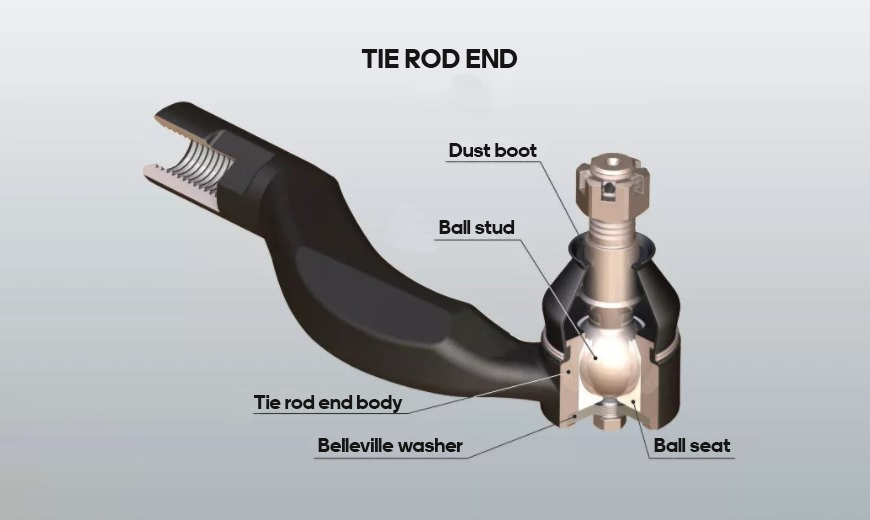
Drivers often confuse the tie rod bushing with the tie rod end. Here’s a comparison to clarify their roles:
| Part | Function | Symptoms When Worn |
|---|---|---|
| Tie Rod Bushing | Absorbs vibrations, reduces friction | Loose steering, clunking noise |
| Tie Rod End | Connects tie rod to steering knuckle | Wheel misalignment, steering play |
Replacing the wrong part won’t solve steering problems. Always confirm which component is causing trouble before starting repairs.
Cost And Time Estimates
Tie rod bushing replacement is usually affordable, but costs can vary. Here’s what you can expect:
| Type of Vehicle | DIY Cost (USD) | Professional Cost (USD) | Time Required |
|---|---|---|---|
| Compact Car | $20–$60 | $100–$200 | 1–2 hours |
| SUV/Truck | $30–$80 | $150–$300 | 2–3 hours |
Labor charges make up most of the professional cost. Doing it yourself saves money but requires careful work.
Non-obvious Insights For First-timers
Many beginners don’t realize how much heat and road salt can shorten bushing life, especially in northern climates. Regular inspection during oil changes can catch early wear.
Also, some aftermarket bushings (especially polyurethane) may cause slightly stiffer steering. This isn’t always bad—some drivers prefer the improved road feel—but it’s not ideal for everyone.
When To Seek Professional Help
If you lack proper tools or the tie rod is severely corroded, it’s safer to visit a mechanic. Incorrect installation can cause steering failure, so don’t risk it if you’re unsure. Many shops can replace bushings quickly and check for other steering problems at the same time.

Frequently Asked Questions
How Often Should Tie Rod Bushings Be Replaced?
Most bushings last 60,000 to 100,000 miles, but check them every oil change. Rough roads or harsh weather can wear them out faster.
Can I Drive With A Bad Tie Rod Bushing?
It’s possible for a short time, but it’s not safe. Worn bushings can cause unpredictable steering and increase accident risk.
Do I Need An Alignment After Replacing The Bushing?
Yes. Alignment ensures the wheels point straight and the tires wear evenly. Always check alignment after steering repairs.
Are Aftermarket Bushings Better Than Oem?
Aftermarket bushings (like polyurethane) may last longer and offer tighter steering, but can make the ride stiffer. OEM bushings match factory comfort and noise levels.
Where Can I Learn More About Tie Rod Bushings?
You can read more details at Wikipedia for a deeper understanding of tie rod components.
Replacing a tie rod bushing is a smart way to keep your steering safe and your car feeling new. With the right tools and knowledge, it’s a manageable task for many car owners. Regular inspection and timely repairs can prevent bigger problems and keep you driving confidently.