Should Jeep Be Capitalized
Have you ever noticed the word Jeep written in different ways? Sometimes you see Jeep, other times jeep. This small detail can make a big difference, especially if you are writing for school, work, or the internet. Many people are unsure about the right way to write it. Is it always a brand name, or can it be a general term? This article will help you understand when to capitalize Jeep, why it matters, and how to avoid common mistakes.
What Is Jeep?
The word Jeep has two main meanings. First, it is a famous brand name. The company Jeep produces popular SUVs and off-road vehicles. Second, some people use “jeep” as a common word for any rugged, four-wheel-drive vehicle, especially in countries like India or the Philippines.
The origin of Jeep goes back to World War II. The US Army needed a tough vehicle, and the Willys MB was nicknamed “jeep.” Later, the brand Jeep became official. Today, Jeep is owned by Stellantis, a global car company.
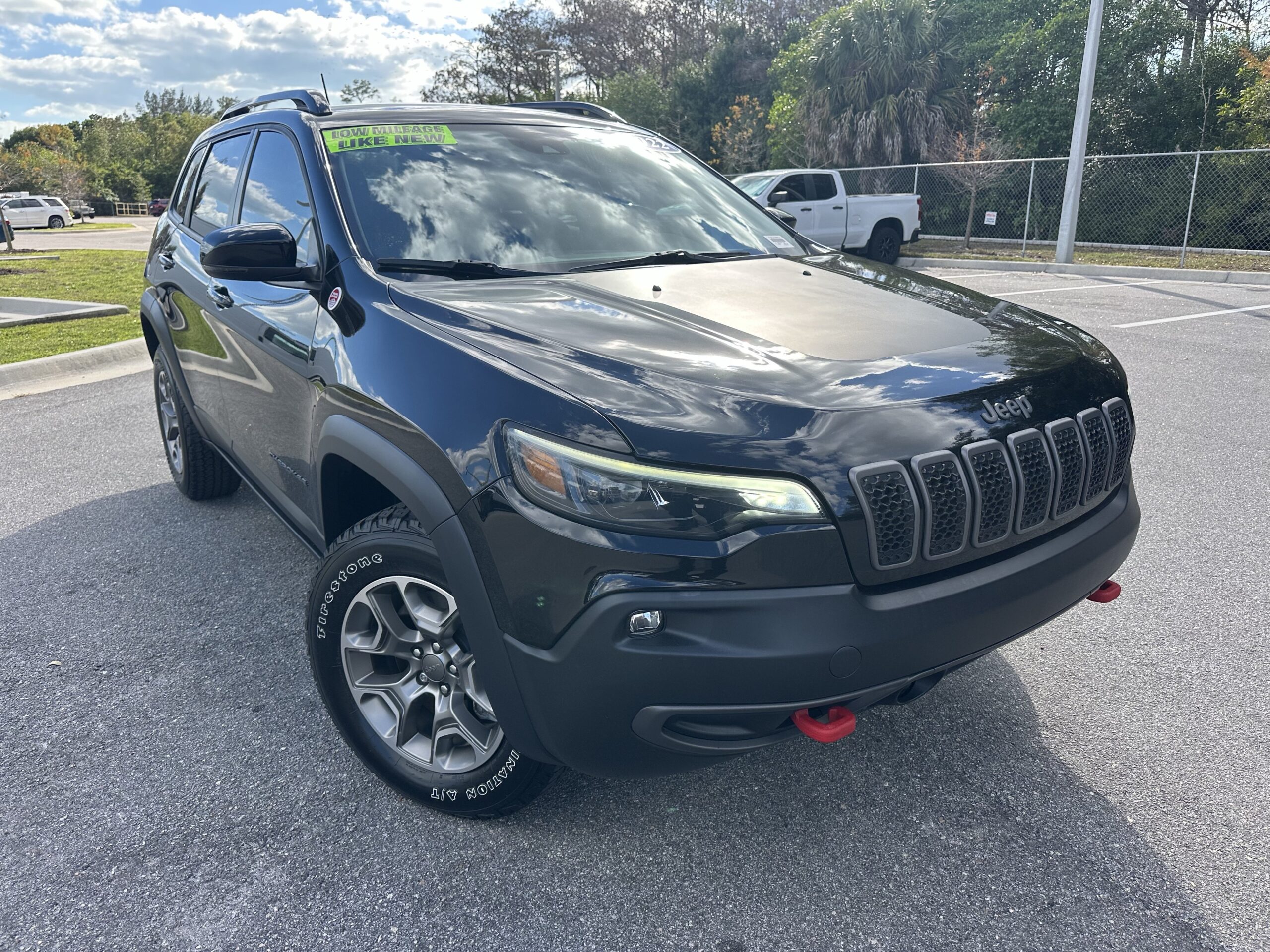
Here is a comparison of the two uses:
| Use | Capitalization | Example |
|---|---|---|
| Brand Name | Jeep | I bought a Jeep Wrangler. |
| Generic Term | jeep | We rented a jeep for the safari. |
When Should Jeep Be Capitalized?
The answer depends on context. If you are talking about the brand, you should always write Jeep with a capital “J”. It is a proper noun, like Nike or Toyota.
If you are using “jeep” to describe a general vehicle, the lowercase is correct. This is similar to words like “xerox” (for photocopies) or “google” (for searching), but these words started as brand names.
Here are some examples:
- Jeep (Brand): “My friend drives a Jeep Grand Cherokee.”
- Jeep (Generic): “The farmers use jeeps to reach the fields.”
To make it clearer, check this simple rule:
| Situation | Should Capitalize? |
|---|---|
| Talking about the company or brand | Yes (Jeep) |
| Referring to any similar vehicle | No (jeep) |

Why Capitalization Matters
Correct capitalization shows that you know the difference between a brand and a general item. This is important in writing, marketing, and even legal documents. Using the wrong capitalization can confuse readers or even cause copyright problems.
For example, if you write “I bought a jeep,” people may wonder if it is a Jeep brand vehicle or another brand like Suzuki or Mahindra. If you write “I bought a Jeep,” it is clear you mean the famous Jeep brand.
Brand names are protected by law. Using them incorrectly can lead to misunderstandings or legal issues.
Companies want their names to stand out, so they protect their trademarks.
Common Mistakes And How To Avoid Them
Many people make mistakes with capitalization because they are not sure about the rules. Here are some common errors:
- Using “jeep” instead of “Jeep” when talking about the brand
- Writing “Jeep” for every off-road vehicle
- Mixing up brand and generic terms in the same sentence
To avoid mistakes, remember these points:
- Brand names are always capitalized.
- Generic terms are lowercase.
- If you are not sure, check the official website or trusted sources.
For example, the official Jeep website always uses a capital “J”. You can see the correct usage at Wikipedia.

Jeep In Different Countries
In the US, Jeep means the brand. But in some countries, “jeep” is used for any 4×4 vehicle. For example, in India, many people say “jeep” for any rural vehicle, even if it is not a Jeep brand.
Here is a comparison:
| Country | Common Use | Capitalization |
|---|---|---|
| United States | Brand name only | Jeep |
| India | Generic 4×4 vehicle | jeep |
| Philippines | Public transport (“jeepney”) | jeep |
This shows how culture and language can change the way we write and understand words.
Two Insights Many Beginners Miss
- Trademark rules matter: If you use “Jeep” incorrectly in business, you risk trademark issues. Always check if you are using the brand or a generic word.
- Not all jeeps are Jeeps: Many vehicles look like a Jeep, but only those made by the company should be capitalized. For example, a Land Rover is not a Jeep.
How To Check Your Usage
If you are writing and unsure, follow these steps:
- Ask yourself: Am I talking about the brand or a type of vehicle?
- Search for the vehicle’s official name.
- Read trusted articles or websites to see how they use the word.
- When in doubt, capitalize if it’s a brand, use lowercase for generic use.
Frequently Asked Questions
Should I Always Capitalize Jeep?
No. Capitalize Jeep when you mean the brand. Use lowercase “jeep” for general vehicles.
Is Jeep A Common Noun?
Yes, in some countries, “jeep” is used as a common noun for any off-road vehicle. In the US, it is usually a proper noun.
Can I Use Jeep To Describe Other Brands?
No. Jeep should only be used for the vehicles made by the Jeep company. Other brands should be called by their own names.
What Happens If I Use The Wrong Capitalization?
Using the wrong capitalization can confuse readers and may cause problems in business or legal writing. It is best to follow the correct rules.
Where Can I Find Official Information?
You can visit the official Jeep website or check trusted sources like Wikipedia for guidance.
Knowing when to capitalize Jeep is a small detail, but it shows you understand language and branding. If you remember the simple rules, your writing will be clear and professional. Whether you are talking about the famous brand or a general vehicle, paying attention to capitalization will help you avoid mistakes and communicate better.


















