Thinking about lifting your Jeep? You’re not alone.
Many Jeep owners want better off-road performance, a tougher look, or more ground clearance. But is a lift right for you?
The answer depends on how you use your Jeep, your budget, and your future plans.
Let’s break down what lifting a Jeep really means, what you gain and lose, and help you decide if it’s the smart move.
What Does “lifting” A Jeep Mean?
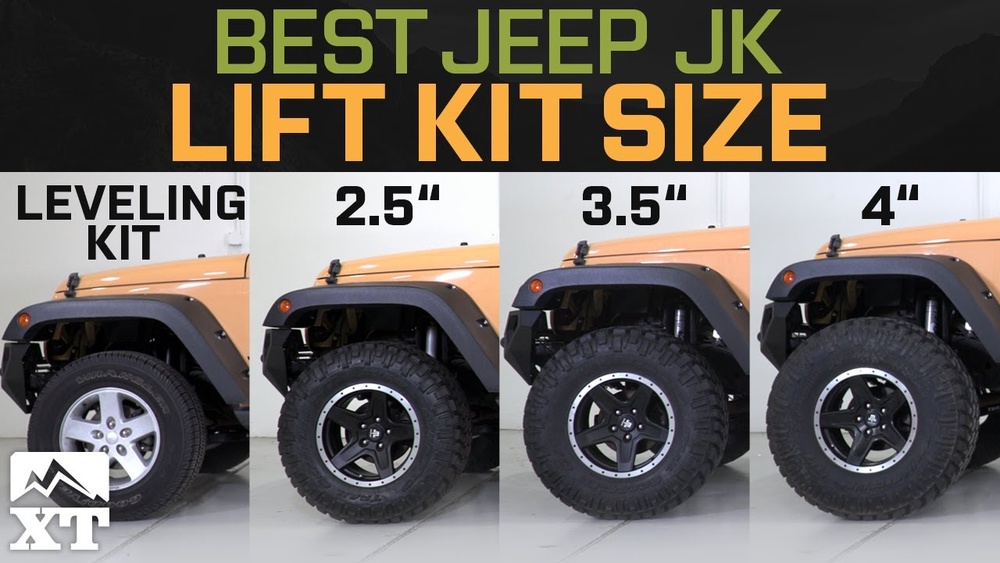
A lift kit increases the height between your Jeep’s frame and the ground. There are two main types:
- Suspension lift: Raises the whole suspension, giving more room for big tires and better off-road handling.
- Body lift: Adds spacers between the frame and body, raising the body but not changing suspension travel.
Most Jeep owners pick a suspension lift for serious off-roading. Body lifts are cheaper but offer less performance. Lifts range from 1 inch (for mild upgrades) to over 4 inches (for extreme terrain).
Why Do People Lift Their Jeep?
Here are the most popular reasons:
- Off-road capability: A lift lets you clear rocks, mud, and deeper water.
- Bigger tires: You can fit tires up to 33–37 inches, which improves traction.
- Appearance: Many drivers love the aggressive, high look.
- Towing and hauling: Some lifts help with heavy loads, but not all.
But lifting isn’t just about looks. It changes how your Jeep drives and handles.
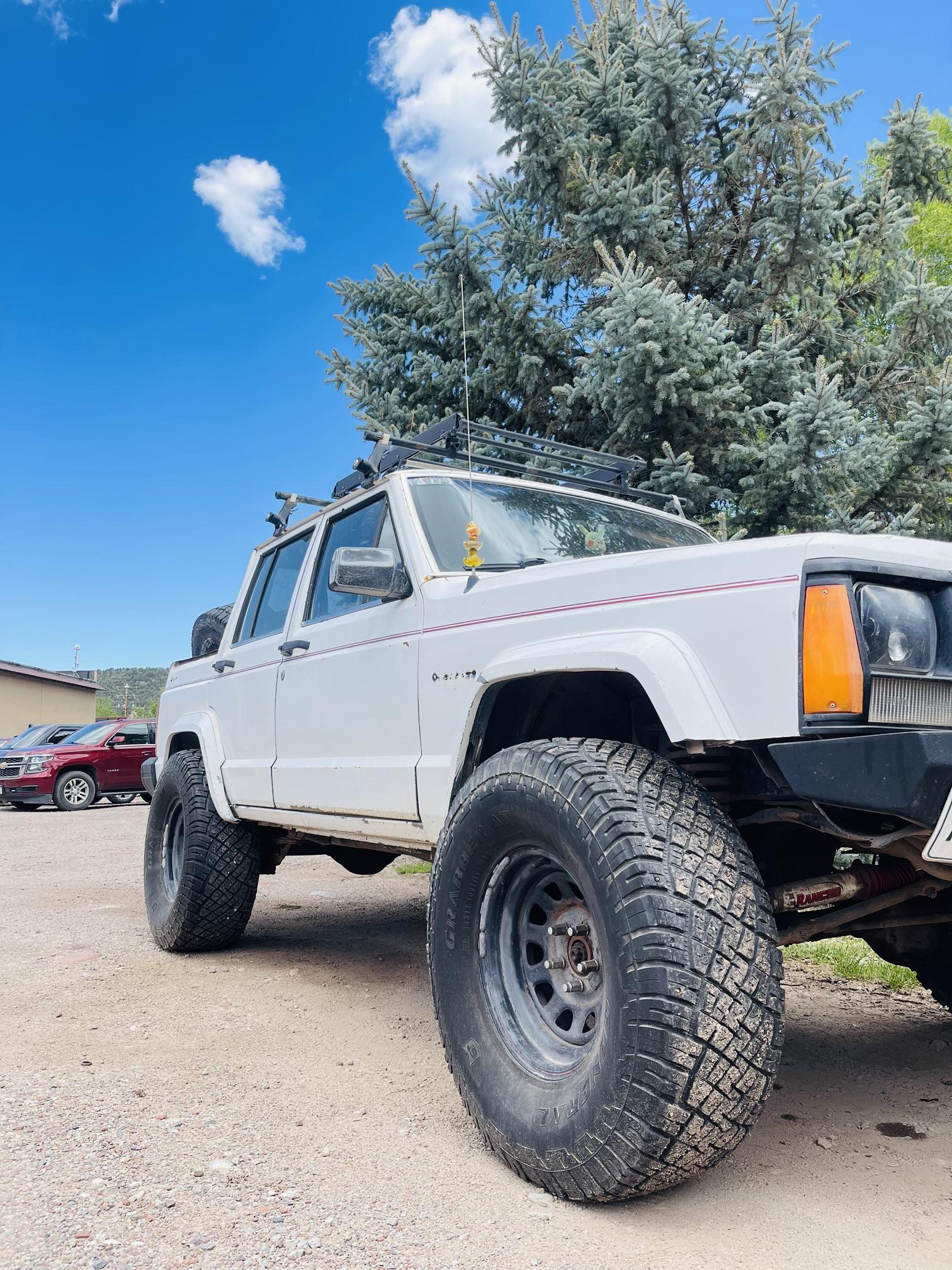
Pros And Cons Of Lifting Your Jeep
Let’s compare the benefits and drawbacks. Here’s a quick overview:
| Benefit | Drawback |
|---|---|
| More ground clearance | Higher center of gravity |
| Better off-road performance | Reduced stability on pavement |
| Fits larger tires | Possible alignment issues |
| Improved appearance | May void warranty |
| Customizable ride height | Added maintenance costs |
Key Insights Most Beginners Miss
- Insurance changes: Some insurers charge higher premiums for lifted vehicles. Always check before upgrading.
- Legal restrictions: States like California and Texas have lift height limits. If you go too high, your Jeep could fail inspection.
How Much Does A Jeep Lift Cost?
Costs vary by kit and installation. Here’s a rough breakdown:
| Lift Type | Kit Price | Installation Cost |
|---|---|---|
| Body Lift (1-2”) | $200–$400 | $300–$500 |
| Suspension Lift (2-4”) | $800–$2,000 | $1,000–$2,500 |
| Extreme Lift (4+”) | $2,500+ | $2,500+ |
Prices depend on the shop, location, and Jeep model. DIY installation saves money, but it’s not easy.
Most owners pay a professional to avoid mistakes.
How Lifting Changes Your Jeep
Lifting affects more than just height. Here’s what to expect:
- Ride quality: A high lift may feel rougher. Some kits improve ride, others make it worse.
- Steering and handling: Your Jeep may sway more, especially in turns. You might need new shocks or stabilizers.
- Fuel economy: Bigger tires and more weight can lower your miles per gallon by 10–15%.
- Maintenance: More moving parts means more upkeep. You’ll check bolts, joints, and suspension more often.
It’s wise to test-drive a lifted Jeep before committing. Notice how it feels on highways and rough roads.
Should You Lift Your Jeep?
Ask yourself these questions:
- How often do you off-road? If you drive trails every weekend, a lift makes sense. If you stay on pavement, you might not need it.
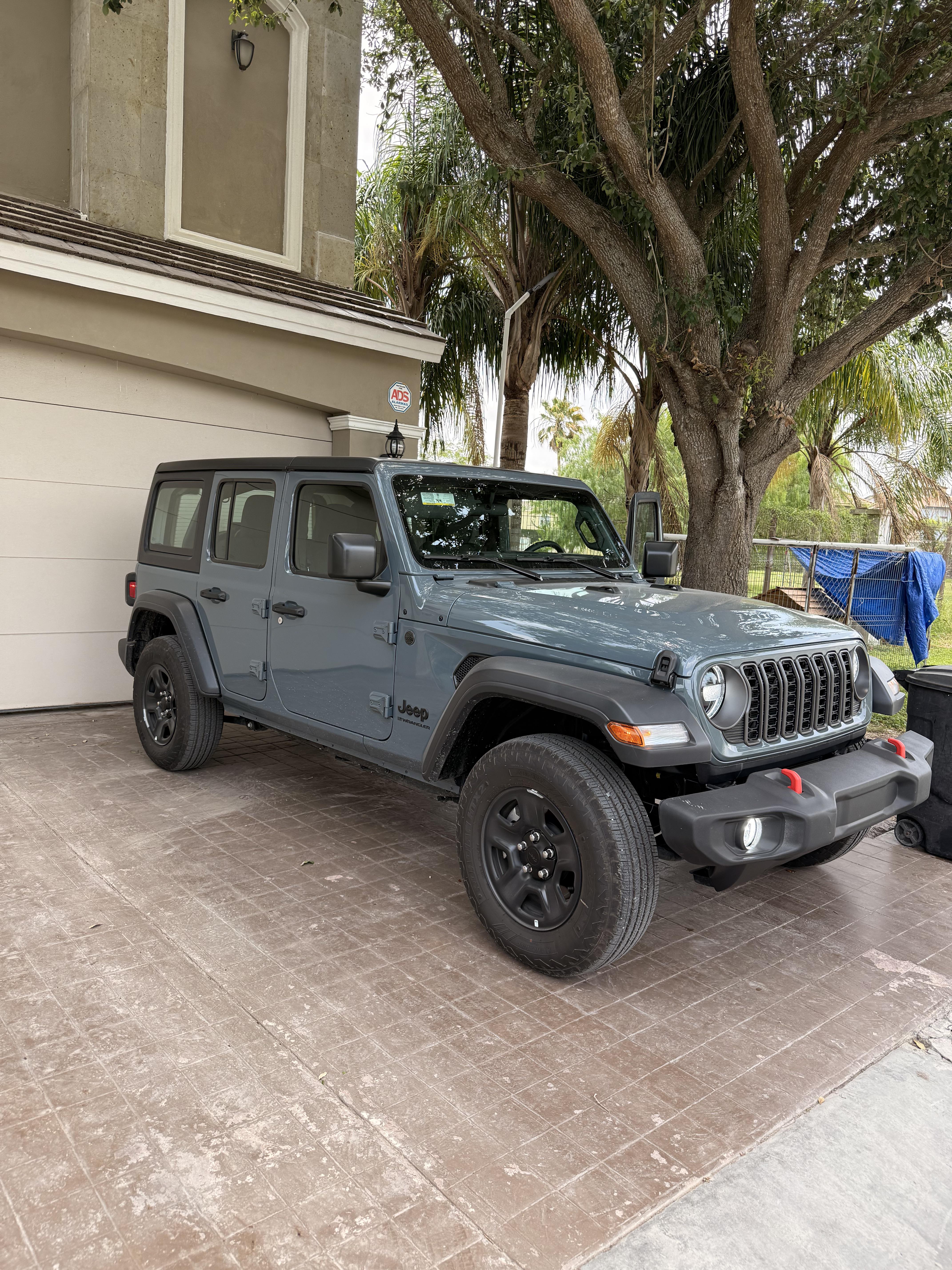
- Do you want big tires? Without a lift, tires over 31 inches can rub against your Jeep’s body.
- Are you ready for extra costs? Lifting isn’t just the kit. You may need new wheels, gears, and alignment.
- Is your Jeep still under warranty? Some lifts void manufacturer warranties.
Here’s a comparison of when a lift is a good idea vs. when it’s not:
| Good Reasons to Lift | Reasons to Avoid |
|---|---|
| Frequent off-road driving | Mostly city/highway use |
| Want larger tires | Don’t like rougher ride |
| Need extra ground clearance | Concerned about warranty |
| Enjoy customizing vehicles | Budget is tight |
Practical Tips Before Lifting Your Jeep
- Research kits: Read reviews and forums. Some brands have better quality and support.
- Check local laws: Make sure your lift meets state rules.
- Think long-term: Will you keep your Jeep for years? Lifts make resale harder sometimes.
- Upgrade other parts: Steering, brakes, and driveshaft may need attention after a lift.
- Get a professional alignment: After lifting, your wheels need precise adjustment.
If you want more details, visit Motor Trend’s Jeep Lift Kit Guide for expert advice.
Frequently Asked Questions
How High Can I Lift My Jeep Legally?
Each state sets limits. Most allow up to 4 inches, but always check your local laws before lifting.
Will A Lift Kit Void My Jeep’s Warranty?
Some lifts void the warranty on suspension and drivetrain parts. Ask your dealer to confirm before installing.
Can I Install A Lift Kit Myself?
Yes, but it’s difficult. You need special tools and experience.
Mistakes can damage your Jeep’s steering or suspension.
Does Lifting Affect Fuel Economy?
Yes. Most lifted Jeeps lose 10 15% fuel efficiency due to bigger tires and extra weight.
What Other Upgrades Should I Consider After Lifting?
You may need new shocks, steering stabilizer, brake lines, and gears to handle the changes from lifting.
Thinking about lifting your Jeep is a big decision. If you love off-roading, want bigger tires, and are ready for the costs, a lift can transform your Jeep.
But if you mainly drive on city streets, the downsides may outweigh the benefits.
Take your time, ask questions, and make the choice that fits your style and needs.