Deciding between a Jeep and a truck is a big choice for many drivers. Each offers unique benefits and fits different lifestyles.
The right vehicle depends on your daily needs, hobbies, and budget. Let’s look at the most important factors to help you make a confident decision.
Understanding Jeeps And Trucks
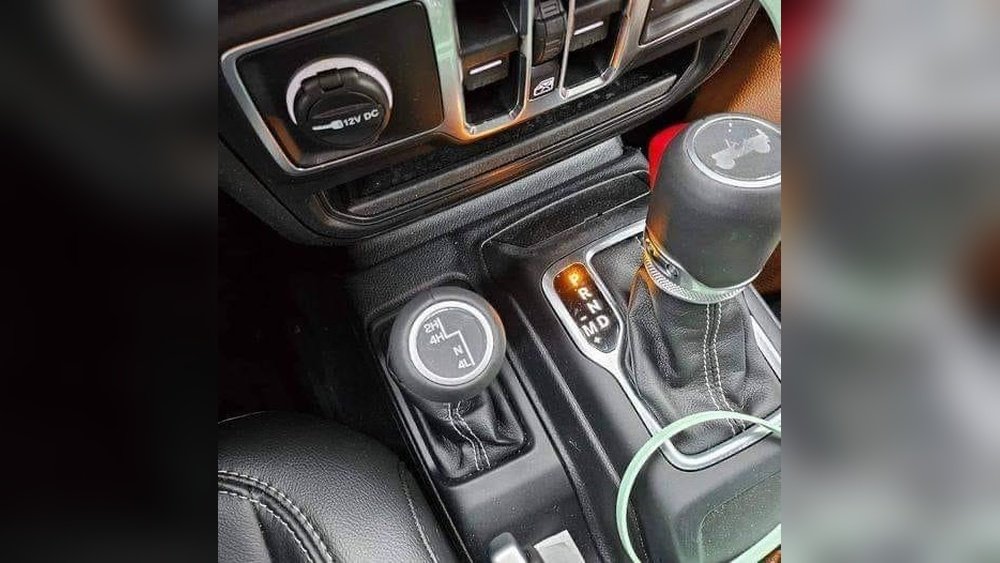
Jeeps are known for their off-road abilities and rugged style. The most popular model, the Jeep Wrangler, is famous for tackling tough trails and rough roads. Many Jeeps have four-wheel drive and removable tops, giving a fun, open-air experience.
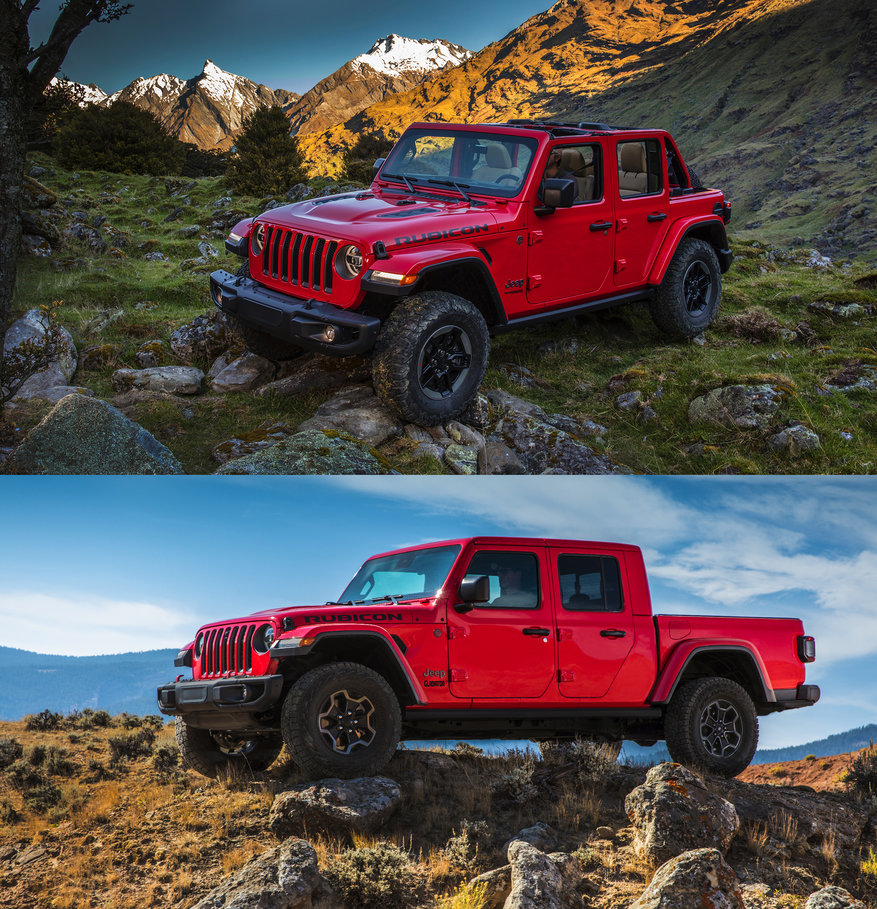
Trucks—like the Ford F-150 or Chevrolet Silverado—are built for strength and hauling power. They have open beds for carrying large items, higher towing capacities, and often come with advanced safety features.
Comparing Everyday Use
Choosing a vehicle depends a lot on your routine. Here’s how Jeeps and trucks compare in daily life:
| Feature | Jeep | Truck |
|---|---|---|
| Parking | Easy in cities | Harder in tight spots |
| Ride Comfort | Bumpy on highways | Smoother on-road |
| Cabin Space | Compact | Roomy (crew cabs) |
| Visibility | Excellent | High driving position |
If you spend most of your time in the city, a Jeep’s smaller size makes parking and turning easier. Trucks, especially full-size models, are better if you need more interior space or often drive with several passengers.
Off-road And Adventure
Do you love exploring nature? Jeeps are built for adventure. Their short wheelbase and high ground clearance help them handle rocks, mud, and deep snow.
- Jeeps have more aftermarket options for lifts, tires, and gear.
- Removable roofs and doors bring you closer to the outdoors.
- Trucks can go off-road, but most are heavier and less agile on tight trails.
If you want a vehicle that’s ready for trails right from the showroom, a Jeep is hard to beat.
Towing And Hauling
Trucks are the leaders when it comes to carrying and towing heavy loads. Many full-size pickups can tow over 10,000 pounds. That’s perfect for boats, trailers, or work equipment.
| Model | Max Towing (lbs) | Bed Size (ft) |
|---|---|---|
| Jeep Wrangler | Up to 3,500 | N/A |
| Ford F-150 | Up to 14,000 | 5.5–8 |
| Chevy Silverado | Up to 13,300 | 5.8–8.2 |
| Jeep Gladiator | Up to 7,650 | 5 |
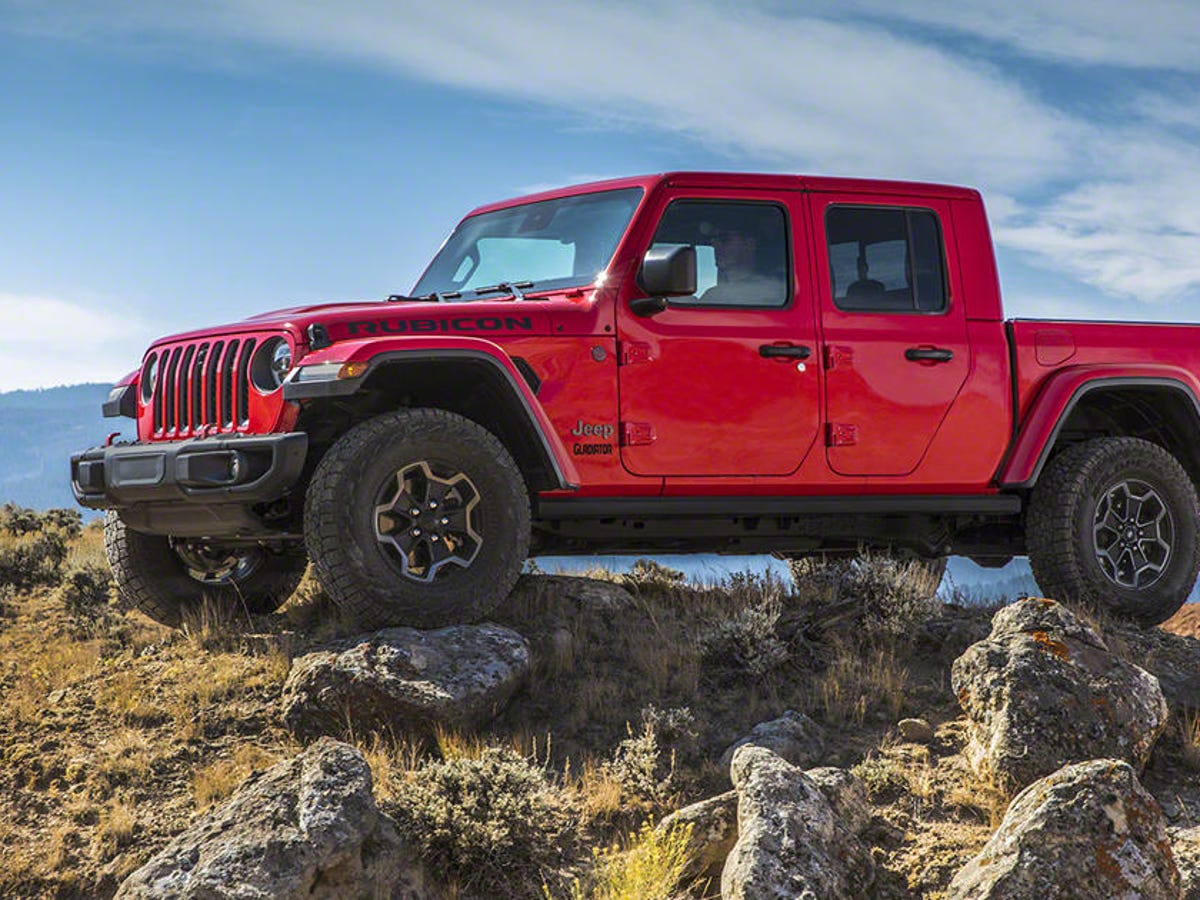
Notice the Jeep Gladiator is a special case—it’s a Jeep pickup with a bed and better towing than a Wrangler, but still less than most full-size trucks.
Cost And Value
Both Jeeps and trucks have a wide price range. Entry-level Wranglers start around $32,000, while a basic Ford F-150 begins near $34,000. However, options and trim levels can push prices much higher.
- Trucks usually cost more to insure, especially if used for work.
- Jeeps often hold value well, especially Wranglers.
- Fuel economy is often better in smaller Jeeps, but trucks offer diesel options for savings on long trips.
The total cost isn’t just the sticker price—think about insurance, fuel, and resale value.
Maintenance And Reliability
Jeeps and trucks are both built tough, but they have different reputations:
- Jeeps need more frequent maintenance if used for off-roading.
- Trucks (especially Toyota and Ford) are known for long life if serviced well.
- Replacement parts for Jeeps are often cheaper and widely available.
One insight: Many people forget to check local dealership support. In some areas, it’s easier to find qualified mechanics for certain brands.
Lifestyle Fit
Ask yourself these questions:
- Do you need to carry tools, bikes, or building materials often?
- Will you be driving in snow or mud?
- Is style, comfort, or practicality most important?
Trucks are best for those who move cargo or tow trailers. Jeeps are for those who seek fun, adventure, and unique style.
It’s smart to rent both types for a weekend before buying. This real-world test often reveals what feels right for your routine.
Common Mistakes When Choosing
Many buyers focus only on looks or brand loyalty. Here are two mistakes to avoid:
- Ignoring payload and towing needs. Buying a Jeep for heavy-duty work leads to frustration.
- Overestimating off-road use. Most people rarely leave paved roads, so a truck’s comfort and utility may be a better fit.
Which Is Right For You?
If your week involves city driving and weekend adventures, a Jeep offers flexibility and fun. If you need to tow, haul, or carry a team, a truck is the clear winner.
To see how these vehicles compare in one more way, look at typical fuel economy:
| Vehicle | City MPG | Highway MPG |
|---|---|---|
| Jeep Wrangler | 17 | 25 |
| Ford F-150 (V6) | 20 | 24 |
| Chevy Silverado (V8) | 16 | 21 |
While trucks can match Jeeps in highway mileage, city driving is often less efficient for larger pickups.
The best choice is the one that matches your lifestyle, not just your dreams. Think about your needs, test drive both, and don’t rush.
Frequently Asked Questions
Is A Jeep Or A Truck Better For Snow?
Both handle snow well if equipped with four-wheel drive and good tires. Trucks are heavier, which can help traction, but Jeeps are nimble and easy to control on slippery roads.
Which Costs More To Maintain: A Jeep Or A Truck?
Maintenance costs are similar for basic care. Jeeps may need more repairs if used hard off-road.
Trucks can be expensive if you choose heavy-duty models or tow large loads often.
Can A Jeep Tow A Camper?
Most Jeeps can tow small campers, but their towing capacity is lower than full-size trucks. For larger campers or boats, a truck is safer and more capable.
Are Trucks More Comfortable For Families?
Yes, especially crew cab models. Trucks have more cabin space and often include comfort features like rear air vents, larger seats, and more storage.
Where Can I Learn More About Jeep And Truck Specs?
For detailed specs and reviews, visit the official websites or trusted sites like Kelley Blue Book.
Choosing between a Jeep and a truck is personal. Take your time, think about your daily life, and remember either can be the right choice if it fits your needs.