Thinking about buying a used Jeep? You’re not alone. Jeeps are famous for their rugged style and off-road power. But, a used Jeep can be a smart buy—or a big headache—depending on what you look for. Let’s break down what matters, common mistakes, and how to make the right choice.
Why People Love Jeeps
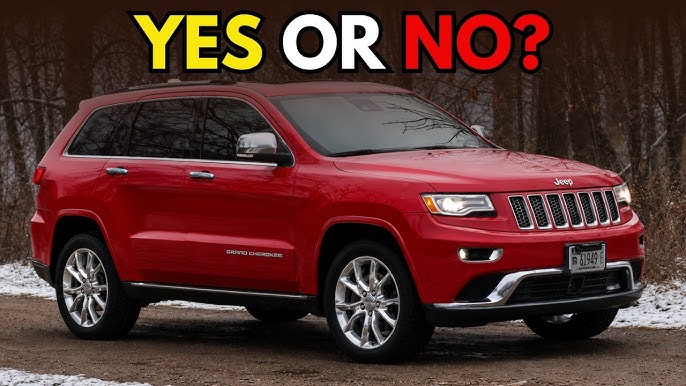
Jeeps are more than just vehicles. Many drivers see them as a lifestyle. The Jeep Wrangler is famous for its off-road ability, while models like the Grand Cherokee offer comfort and power for daily driving.
Key reasons people choose used Jeeps:
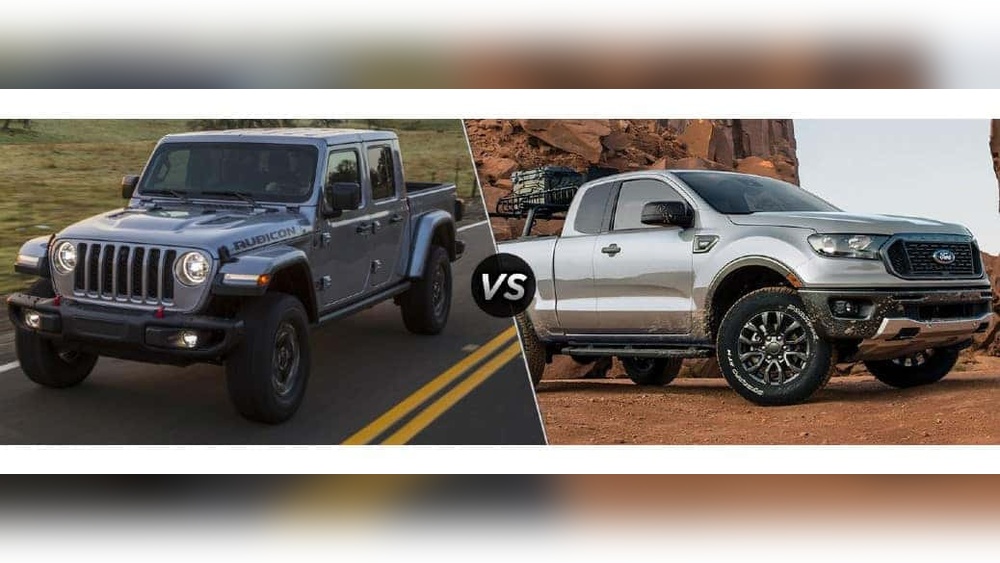
- Iconic design: Jeeps have a classic, tough look.
- Strong resale value: Many Jeeps keep their value well.
- Customization: Owners love to add lifts, tires, and gear.
- 4×4 capability: Great for snow, trails, and adventure.
But not every Jeep is the same. Some years and models are better than others, especially if you’re buying used.
Key Factors To Consider Before Buying
Buying a used Jeep is not just about picking your favorite color. Here are the most important points:
1. Model And Year
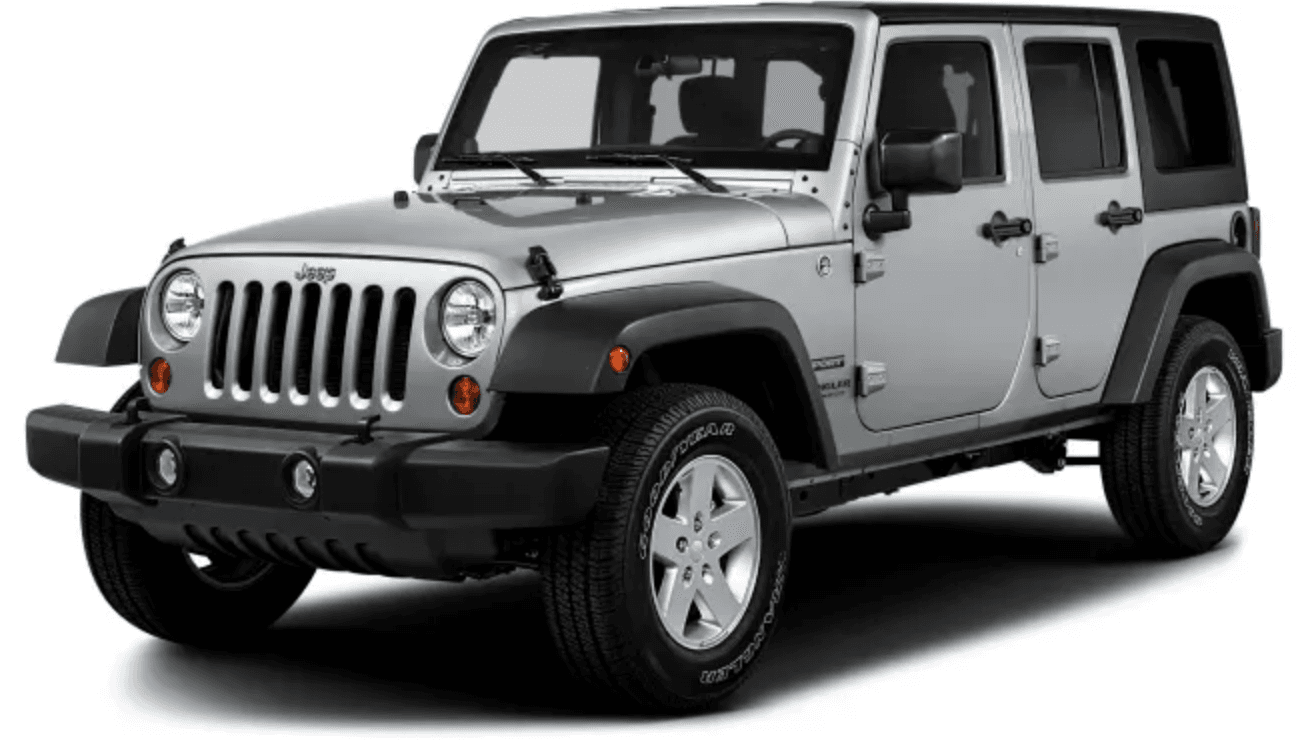
Some Jeep models have strong reputations, while others have known issues. For example, the Wrangler TJ (1997-2006) is loved for its simple design, but some older Grand Cherokees have electrical problems.
2. Mileage And Usage
Jeeps are often used off-road, which is harder on parts. Check if the Jeep was mostly driven on highways or off-road.
Lower mileage is good, but maintenance is more important.
3. Maintenance History
Ask for service records. Jeeps need regular care oil changes, suspension checks, and tire rotation. Lack of records can mean future problems.
4. Rust And Frame Condition
Jeeps, especially Wranglers, can rust. Pay close attention to the frame, underbody, and door sills.
5. Modifications
Many Jeeps are modified. Some mods, like a lift kit or big tires, can stress the drivetrain or suspension. Make sure any upgrades were done professionally.
Here’s a quick comparison of popular used Jeep models:
| Model | Best Years | Common Issues |
|---|---|---|
| Wrangler (TJ) | 1997-2006 | Rust, oil leaks |
| Wrangler (JK) | 2007-2018 | Transmission, electrical |
| Grand Cherokee | 2011-2019 | Electrical, air suspension |
| Cherokee | 2014-2019 | Transmission, engine sensors |
Pros And Cons Of Buying A Used Jeep
Every vehicle has trade-offs. Let’s look at what makes a used Jeep a good or risky choice.
| Pros | Cons |
|---|---|
| Strong off-road performance | Some models have reliability issues |
| Good resale value | Poor fuel economy |
| Classic look and community | Potential for rust or wear |
| Lots of aftermarket parts | Can be noisy and rough on-road |
Non-obvious insight: Many buyers focus on the engine and exterior but forget to check the soft top or hardtop seals on Wranglers. Worn seals can mean water leaks and costly repairs.
What To Look For During Inspection
Before you buy, a careful inspection is vital. Here’s what to check:
- Undercarriage: Look for rust, damage, or oil leaks.
- Suspension: Test for unusual noises or loose steering.
- 4WD System: Make sure it shifts smoothly and engages.
- Transmission: Automatic Jeeps should shift cleanly; manuals should not grind.
- Interior: Check for water damage, especially in Wranglers.
- Tires: Uneven wear can signal alignment or suspension issues.
Many used Jeeps have been off-road. Mud and dirt in odd places (like above the fuel tank or deep under the seats) can be a clue.
Don’t be afraid to walk away from a Jeep with too many red flags.
Cost Of Ownership: What To Expect
Used Jeeps are not always cheap to own. Repairs can add up, especially for older or heavily-used models.
Insurance rates are often higher than average, especially for young drivers.
Here’s a rough breakdown of common costs:
| Item | Estimated Yearly Cost |
|---|---|
| Routine Maintenance | $600 – $1,200 |
| Insurance | $1,100 – $1,800 |
| Fuel (avg. 18 mpg) | $1,500 – $2,000 |
| Unexpected Repairs | $500 – $2,000 |
Another insight: While Jeep parts are easy to find, labor can be expensive due to the design—some repairs take extra time, especially on Wranglers.
Who Should (and Should Not) Buy A Used Jeep
A used Jeep is a great fit if you:
- Love outdoor adventures or off-roading
- Want a vehicle with a strong community and easy upgrades
- Are comfortable with higher maintenance and fuel costs
But it may not suit you if you:
- Want a quiet, smooth ride
- Drive mostly in cities and care about gas mileage
- Need low-cost repairs and simple upkeep
If you’re unsure, renting a Jeep for a weekend trip can help you decide if the ride and style fit your needs.
Frequently Asked Questions
How Many Miles Is Too Many For A Used Jeep?
Most Jeeps can last over 150,000 miles with good care. But, once over 100,000 miles, expect more repairs. Always check maintenance records.
Are Used Jeeps Expensive To Insure?
Yes, usually. Jeeps are often seen as higher risk by insurance because of off-roading and theft rates. Compare quotes before buying.
Which Jeep Model Is Best For Daily Driving?
The Jeep Grand Cherokee is a strong choice for comfort, features, and reliability on the road. It’s less noisy than the Wrangler.
Are Jeep Wranglers Good In Winter?
With proper tires, Wranglers handle snow and ice well. The 4×4 system is a big help, but older models may have fewer safety features.
Where Can I Find More Detailed Jeep Reliability Data?
You can find detailed data on Jeep reliability and owner reviews at Consumer Reports.
Buying a used Jeep is about knowing what you want and what to avoid. With careful inspection and the right expectations, a used Jeep can be a fun, lasting investment.
But if you want worry-free daily driving, it might be better to look elsewhere.
Choose wisely and you’ll enjoy every mile, both on and off the road.