Thinking about buying a Jeep Cherokee? This is a popular question for many people who want a mix of comfort and off-road ability.
The Cherokee has a strong history, but it also faces tough competition. If you want an SUV that is both practical and adventurous, the Cherokee may be on your list.
Let’s look at what makes this vehicle stand out, where it might fall short, and who it’s really for.
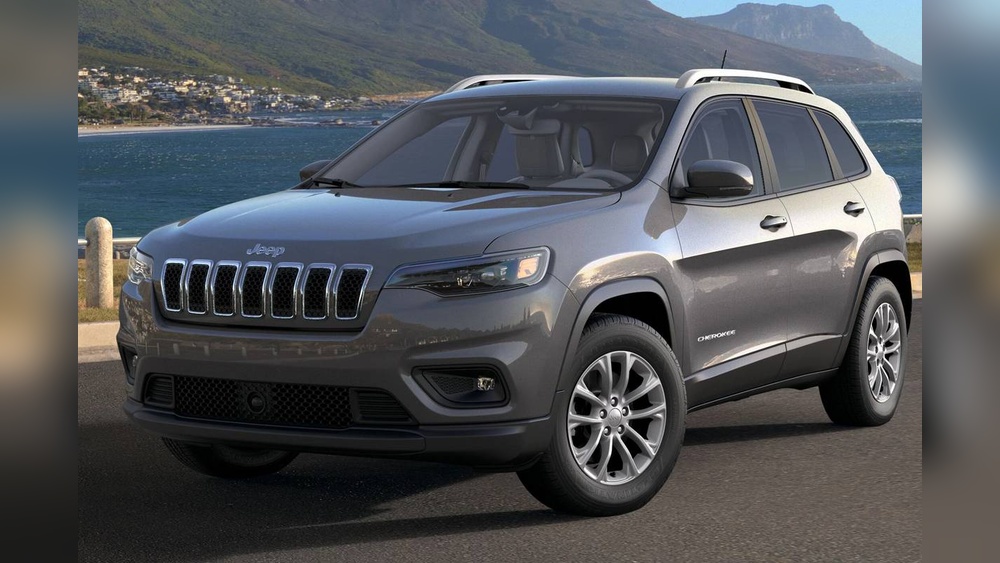
What Makes The Jeep Cherokee Special?
The Jeep Cherokee is known for its off-road capability and classic Jeep style. Since the 1970s, it has been a favorite for people who want to drive both in the city and on rougher roads. Recent models offer a smooth ride, modern technology, and safety features.
Key Features
- 4×4 Systems: Most Cherokees have strong four-wheel drive options. This makes them better for snow, mud, and rocky trails.
- Comfortable Interior: Newer Cherokees have soft seats, user-friendly controls, and enough space for families.
- Towing Power: With the right engine, it can tow up to 4,500 pounds—enough for small boats or campers.
Not all SUVs in this class can handle off-road driving as well as the Cherokee. If you often travel on dirt roads or need a car for camping trips, this is a major advantage.
Performance And Engine Choices
Performance is important for any car buyer. The Cherokee offers a few engine choices to match different needs.
| Engine | Horsepower | Mileage (MPG, city/hwy) | Towing Capacity (lbs) |
|---|---|---|---|
| 2.4L I4 | 180 | 22/31 | 2,000 |
| 3.2L V6 | 271 | 20/29 | 4,500 |
| 2.0L Turbo I4 | 270 | 23/31 | 4,000 |
The V6 and turbo engines give you more power for towing and faster driving. The base engine is better for saving gas but may feel a bit slow. Think about what you need—daily commute, road trips, or hauling gear?
Interior, Tech, And Cargo Space
Inside, the Cherokee gives you a mix of comfort and technology. The touchscreen system (Uconnect) is easy to use, and Apple CarPlay/Android Auto are standard on most trims.
There’s plenty of headroom and legroom in the front, but the back seats can be tight for adults on long trips.
Cargo space is a bit less than some rivals. With rear seats up, you get around 25.8 cubic feet—enough for groceries or luggage. Fold them down, and it grows to almost 55 cubic feet. For bigger families or those with lots of gear, this may be a downside.
Safety And Reliability
Safety is a key point for SUV buyers. The Cherokee scores well in many crash tests.
| Safety Feature | Standard | Available |
|---|---|---|
| Automatic Emergency Braking | ✔️ | – |
| Lane Departure Warning | ✔️ | – |
| Blind Spot Monitoring | – | ✔️ |
| Adaptive Cruise Control | – | ✔️ |
Reliability is where some buyers have doubts. RepairPal rates the Cherokee as “average” for repairs.
Some years, especially older models, have had problems with the transmission or electronics. If you buy used, check for recalls and get a mechanic’s opinion.

Comparing The Cherokee To Competitors
How does the Jeep Cherokee stack up against other compact SUVs? Here’s a quick comparison with the Toyota RAV4 and Honda CR-V.
| Model | Off-Road Ability | Fuel Economy | Reliability | Cargo Space |
|---|---|---|---|---|
| Jeep Cherokee | Excellent | Average | Average | Below Average |
| Toyota RAV4 | Good | Good | Excellent | Above Average |
| Honda CR-V | Fair | Excellent | Excellent | Excellent |
The Cherokee wins for off-road trips and towing, but the RAV4 and CR-V are better for city drivers who want more space and fewer repairs.
What Buyers Often Miss
- Resale Value: Cherokees usually lose value faster than Toyota or Honda SUVs. If you plan to trade in after a few years, this can matter.
- Maintenance Costs: Jeep parts and repairs can cost more, especially after the warranty ends. Many first-time buyers are surprised by this.
- Real-World MPG: The Cherokee’s gas mileage can be lower than advertised, especially with the V6 or 4×4. If you drive mostly in the city, fuel stops will be more frequent.
Who Should (and Shouldn’t) Buy A Jeep Cherokee
Buy a Jeep Cherokee if:
- You want to go off-road or drive in tough weather.
- You need to tow a small trailer or boat.
- You like the Jeep style and history.
Skip the Cherokee if:
- You want the best fuel economy or cargo space.
- You care most about low long-term repair costs.
- You mostly drive on city streets and highways.
Final Thoughts
The Jeep Cherokee is a good choice for adventure lovers, small families, and people who want a car that stands out. It’s not the cheapest or most reliable SUV, but its off-road skills are hard to beat. Before you buy, test-drive the Cherokee and its main rivals. Check real owner reviews, and see which features you use most. For more details on Jeep’s history and models, you can visit the Jeep Cherokee Wikipedia page.

Frequently Asked Questions
Is The Jeep Cherokee Good For Daily Driving?
Yes, the Cherokee is comfortable and quiet on city roads. However, its fuel economy is only average compared to other compact SUVs.
How Much Does A New Jeep Cherokee Cost?
A new Cherokee usually costs between $35,000 and $42,000 in the US, depending on the trim and options.
Is The Cherokee Expensive To Maintain?
Maintenance costs are higher than some rivals. Expect to pay more for repairs after the warranty period.
How Long Do Jeep Cherokees Last?
With good care, many Cherokees last over 150,000 miles. Some older models have had issues, so regular maintenance is key.
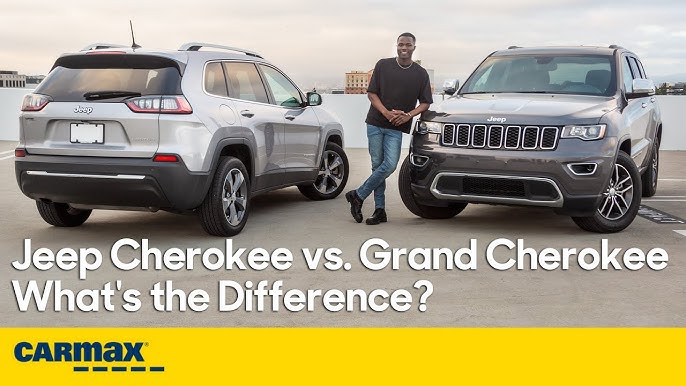
What Is The Difference Between The Cherokee And Grand Cherokee?
The Grand Cherokee is larger, more luxurious, and offers more powerful engines. The regular Cherokee is smaller and costs less.