Seeing “Service Air Suspension System Immediately” on your dashboard means the vehicle has detected a serious problem in the air suspension system. The issue may involve an air leak, a weak compressor, a faulty height sensor, a valve block problem, low voltage, or a control module fault.
Do not ignore this warning. If the vehicle is leaning, sitting very low, riding harshly, or handling poorly, stop driving and arrange an inspection as soon as possible.
A small air leak or sensor fault can turn into compressor failure, uneven tire wear, poor handling, or a vehicle that cannot maintain safe ride height.
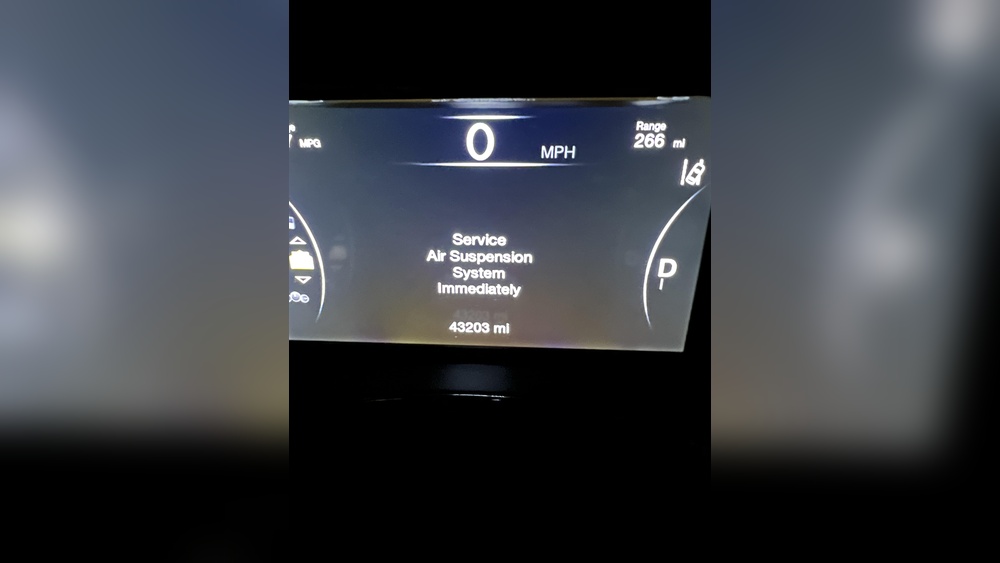
This guide explains what the warning means, when it is safe to drive, what to check first, common causes, repair costs, reset limits, prevention tips, and how to choose the right repair shop.
What Is An Air Suspension System?
An air suspension system replaces traditional coil or leaf springs with air springs, also called air bags. These rubber air springs hold compressed air and support the vehicle’s weight.
Most air suspension systems use:
- Air springs or air struts
- Air compressor
- Air lines
- Valve block
- Ride height sensors
- Suspension control module
- Fuses, relays, wiring, and connectors
The system adjusts ride height based on load, speed, drive mode, and road conditions. Many luxury cars, SUVs, trucks, and RVs use air suspension because it improves comfort, leveling, towing stability, and ground clearance control.
What Does “Service Air Suspension System Immediately” Mean?
The warning means the suspension control module has detected a fault that needs quick attention. The system may no longer be able to raise, lower, or level the vehicle correctly.
Common causes include:
- Air leaking from a spring, strut, fitting, or line
- Weak or failed compressor
- Faulty ride height sensor
- Stuck or leaking valve block
- Low battery voltage
- Blown fuse or bad relay
- Damaged wiring or a connector
- Control module or calibration error
The message is more serious than a normal maintenance reminder. It usually means the system has already seen abnormal pressure, height, voltage, or communication data.
Can You Drive With This Warning?
Sometimes you can drive a short distance to a repair shop, but only if the vehicle still sits level and handles normally.
Do not keep driving if:
- One corner or one side is sitting low
- The vehicle is very low at the front or rear
- Steering feels unstable
- Braking feels different
- The ride is extremely harsh
- The compressor runs constantly
- You hear a loud air leak
- The suspension warning keeps returning immediately
In these cases, towing is the safer choice. Driving with a failed air suspension can damage tires, shocks, sensors, air springs, and the compressor.
It can also reduce control during braking, turning, or highway driving.
Quick Action Checklist
Use this checklist before you decide what to do next:
- Park on level ground.
- Check whether the vehicle sits level.
- Look for one low corner or a dropped front/rear end.
- Listen for hissing air leaks.
- Listen for a compressor that runs too long or too often.
- Check battery voltage with a 12V car battery tester if you have one.
- Inspect visible air lines and air springs.
- Scan the suspension module for codes with a capable OBD2 scan tool if you have one.
- Avoid repeated height adjustments if the system is struggling.
- Call a qualified shop if the warning stays on.
This order helps you avoid guessing. A reset may clear a temporary logic issue, but it will not repair a leak, a bad compressor, a broken sensor, or a faulty valve block.
Signs Your Air Suspension Needs Service
Besides the dashboard warning, watch for these symptoms:
| Symptom | What It Usually Means |
|---|---|
| Vehicle leans to one side | Air spring leak, valve leak, or height sensor issue |
| Vehicle drops overnight | Slow leak in air spring, line, fitting, or valve block |
| Compressor runs constantly | Air leak or weak compressor |
| Compressor does not run | Fuse, relay, wiring, module, or failed compressor |
| Slow height adjustment | Weak compressor, leak, clogged valve, or low voltage |
| Harsh ride | Low air pressure or failed air spring/strut |
| Random height changes | Faulty height sensor or valve block issue |
| Warning returns after reset | Physical or electrical fault still exists |
If the vehicle shows more than one symptom, inspect the system before replacing parts.
Main Parts That Fail
| Component | Job | Common Failure |
|---|---|---|
| Air spring | Supports the vehicle with air pressure | Cracks, leaks, dry rubber |
| Air compressor | Pumps air into the system | Overheating, weak output, no operation |
| Valve block | Sends air to each spring | Internal leaks, stuck valves, moisture damage |
| Air lines | Carry pressurized air | Cracks, loose fittings, leaks |
| Height sensors | Measure ride height | Broken arms, bad readings, poor calibration |
| Control module | Controls system logic | Stored faults, communication errors |
| Battery/fuses/relay | Power the system | Low voltage, blown fuse, failed relay |
How To Diagnose The Warning
1. Check Ride Height First
Stand back and compare all four corners. If one corner is clearly lower, suspect an air spring leak, line leak, valve leak, or height sensor issue.
If the entire vehicle is low, the compressor may not be building pressure, the system may be locked out, or there may be a larger leak.
2. Listen For The Compressor
Turn the ignition on and listen near the compressor area.
- Runs constantly: the system may be trying to replace leaking air.
- Runs loudly: the compressor may be worn or overworked.
- Does not run: check fuse, relay, wiring, voltage, or compressor failure.
Do not let the compressor run repeatedly for long periods. Continuous operation can overheat and destroy the pump.
3. Look For Air Leaks
Inspect air springs, fittings, and visible air lines. Cracked rubber, wet-looking fittings, or damaged lines can point to leaks.
You can spray soapy water or an air suspension leak detector spray on suspected areas. Bubbles usually mean air is escaping. A leak must be repaired before a reset or recalibration will last.
4. Check Battery Voltage
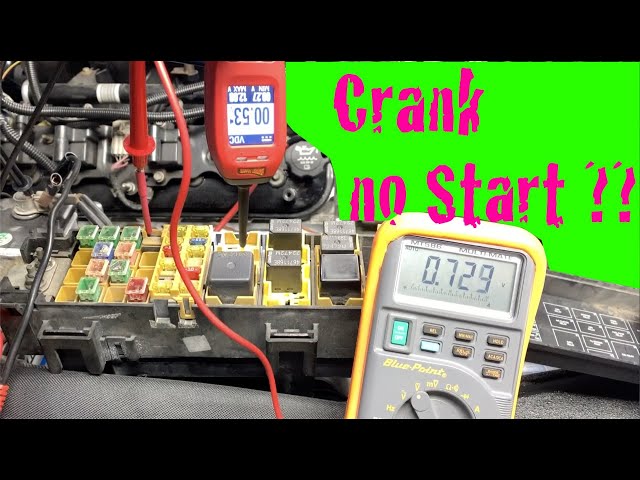
Low voltage can cause air suspension faults because the compressor needs strong electrical power. A weak battery can trigger slow lifting, incomplete calibration, or communication errors.
If the battery is old, weak, or recently discharged, test it with a 12V battery tester before replacing suspension parts.
5. Scan The Suspension Module
A basic engine-code reader may not show air suspension faults. Use a scan tool that can access body, chassis, or suspension modules for your vehicle. A bi-directional diagnostic scanner with suspension functions is more useful than a basic code reader for this job.
Useful scan data includes:
- Ride height sensor readings
- Compressor commands
- Valve block commands
- Stored and active suspension codes
- Calibration or relearn status
Codes help separate a sensor issue from a compressor, leak, voltage, or valve block problem.
Can A Reset Fix The Warning?
A reset can help only when the warning comes from a temporary communication, calibration, or stored logic fault. It may restore normal operation after low voltage, a recent repair, or a brief system glitch.
A reset will not fix:
- Leaking air springs
- Cracked air lines
- Weak compressor
- Stuck valve block
- Broken height sensor
- Bad wiring
- Blown fuse or failed relay
If the warning returns after a reset, the system still has an active problem. Diagnose the fault instead of repeating the reset.
Safe Basic Reset Steps
Only try a basic reset if the vehicle sits level, the system is not leaking badly, and the vehicle is safe to operate.
- Park on level ground.
- Close all doors, hood, and trunk.
- Start the engine and let it idle.
- Allow system voltage to stabilize.
- Select normal ride height if your vehicle allows it.
- Wait for the system to finish adjusting.
- Turn the vehicle off for a few minutes.
- Restart and check whether the warning returns.
- Drive slowly for a short distance only if ride height and handling are normal.
Some vehicles require a scan tool calibration after repairs. Follow the service procedure for your exact make and model.
Helpful Tools And Parts To Check
The right product depends on your exact vehicle, so confirm year, make, model, trim, suspension type, and VIN fitment before ordering parts.
Typical Repairs And Cost Ranges
Actual repair cost depends on vehicle brand, model year, part quality, labor rate, and whether calibration is needed.
| Repair | Typical Cost Range |
|---|---|
| Air spring or air strut replacement | $400-$1,500+ |
| Compressor replacement | $500-$1,800+ |
| Height sensor replacement | $150-$600 |
| Valve block replacement | $300-$1,000+ |
| Air line or fitting repair | $100-$500 |
| Electrical diagnosis or repair | $100-$700+ |
| Full air suspension overhaul | $2,000-$6,000+ |
Luxury European vehicles, high-end SUVs, and dealer-only parts usually cost more. Always diagnose first, because replacing the wrong part can become more expensive than the original repair.
Common Mistakes To Avoid
- Ignoring a leaning vehicle
- Driving long distances with the warning active
- Replacing parts without scanning codes
- Repeatedly forcing height changes
- Letting the compressor run nonstop
- Installing cheap, incompatible parts
- Forgetting calibration after sensor or height repairs
- Assuming a reset fixes air leaks
The biggest mistake is treating the warning like a simple reminder. Air suspension faults often get worse when the compressor keeps trying to compensate for a leak.
How To Prevent Air Suspension Problems
Regular checks reduce the chance of major repair bills.
- Inspect air springs and lines every 6-12 months.
- Listen for new compressor noise.
- Fix small leaks early.
- Keep ride height sensors clean.
- Avoid overloading the vehicle.
- Replace weak batteries before they cause voltage faults.
- Service the system according to the owner’s manual.
- After suspension repairs, confirm calibration is completed.
Air suspension is not a “set and forget” system. It gives better comfort and leveling, but it needs periodic inspection.
Air Suspension Vs. Traditional Suspension
| Feature | Air Suspension | Traditional Suspension |
|---|---|---|
| Ride comfort | Usually smoother | Good but less adjustable |
| Ride height control | Adjustable | Fixed |
| Load leveling | Often automatic | Limited or none |
| Maintenance cost | Higher | Lower |
| Complexity | More complex | Simpler |
| Repair difficulty | Often needs scan tools | Usually easier |
Air suspension is worth it for comfort, towing, load leveling, and adjustable height. Traditional suspension is better for owners who want lower repair costs and simpler long-term maintenance.
When To Replace The Whole System
A full replacement or conversion may make sense when:
- Multiple air springs are leaking
- The compressor and valve block are both failing
- The system is older than 8-10 years
- The same warning keeps returning after repairs
- Parts are expensive or hard to find
- The vehicle is used for work, towing, or long trips
Some vehicles can be converted from air suspension to coil springs. This usually lowers future repair costs, but you lose automatic ride height, load leveling, and some ride comfort.
How To Choose A Qualified Repair Shop
Not every shop is equipped for air suspension work. Before booking, ask:
- Do you diagnose air suspension systems on my make and model?
- Can your scan tool access the suspension module?
- Do you perform height calibration or relearn after repairs?
- Do you pressure-test the system for leaks?
- What parts do you recommend and why?
- Is there a warranty on parts and labor?
Choose a shop that diagnoses before replacing parts. Good air suspension repair starts with codes, live data, leak checks, voltage checks, and height measurements.
FAQ
What should I do first when the warning appears?
Park safely and check whether the vehicle is leaning or sitting low. If handling feels unsafe, stop driving and arrange a tow.
If the vehicle sits level and drives normally, go directly to a repair shop or scan the suspension module.
Can I drive with a faulty air suspension system?
Only for a short distance if the vehicle remains level and handles normally. Do not drive if the vehicle is low, leaning, unstable, or if the compressor runs constantly.
Does a reset fix the air suspension warning?
Only sometimes. A reset may clear temporary logic or calibration faults.
It will not fix leaks, weak compressors, faulty sensors, valve block problems, or electrical failures.
Why does my vehicle drop overnight?
Overnight sag usually means air is escaping from an air spring, air line, fitting, or valve block. The leak should be found and repaired before the compressor is damaged.
Why does the compressor keep running?
The system is usually losing air or failing to reach the target pressure. A constantly running compressor can overheat, so inspect for leaks and diagnose the compressor before continuing to drive.
How much does air suspension repair cost?
Small repairs may cost a few hundred dollars. Major repairs such as compressors, air struts, or full system overhauls can cost much more.
The exact price depends on the vehicle, parts, labor, and calibration needs.
Conclusion
The “Service Air Suspension System Immediately” warning means your vehicle needs attention now, not later. Start by checking ride height, handling, compressor behavior, leaks, battery voltage, and suspension codes.
If the vehicle is leaning, sitting low, riding harshly, or handling poorly, avoid driving and arrange professional service. A reset may help with minor logic faults, but physical problems like leaks, weak compressors, damaged sensors, and valve block failures must be repaired.
Fast diagnosis protects the compressor, prevents extra damage, and keeps the vehicle safer to drive.