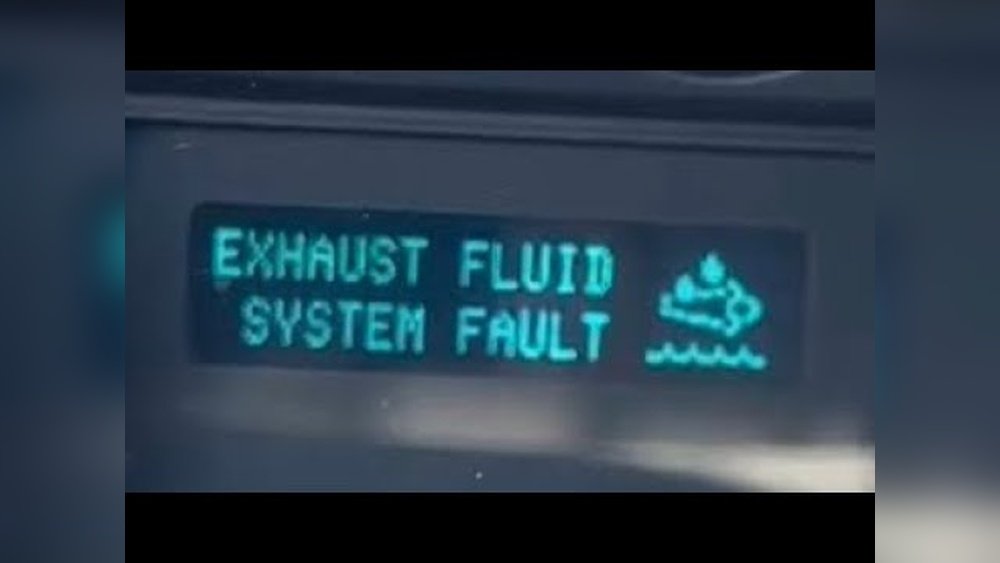
If you drive a Jeep Grand Cherokee, you know how reliable and powerful this SUV can be. But even the toughest vehicles need proper maintenance.
One of the most important parts under your hood is the serpentine belt. This small but vital component keeps your engine accessories running smoothly.
Whether you're a new Jeep owner or you've had your Grand Cherokee for years, understanding the serpentine belt is essential for your vehicle’s health and performance.
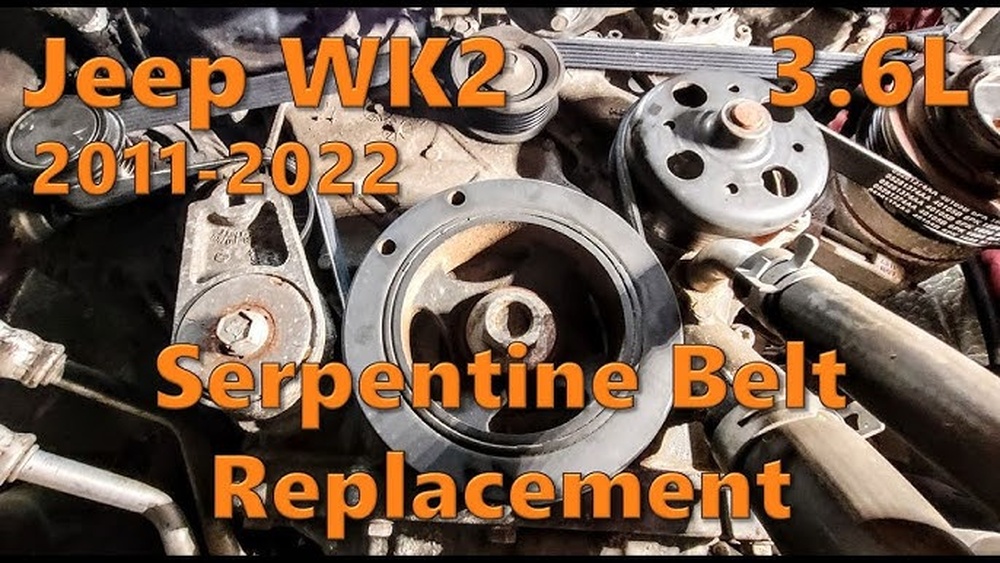
What Is A Serpentine Belt?
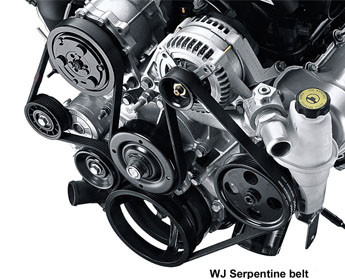
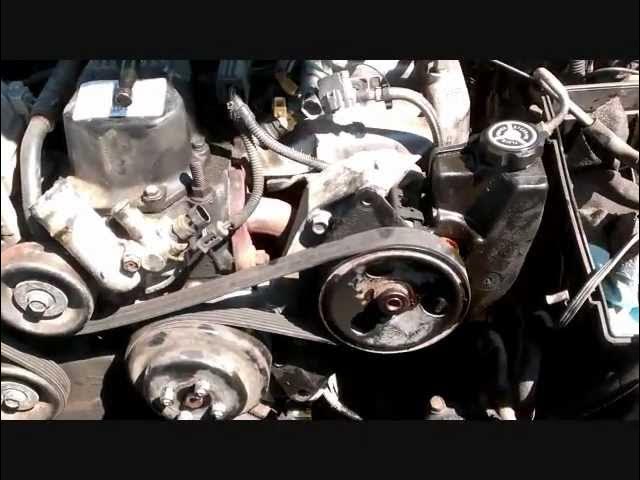
The serpentine belt is a long, continuous belt that winds through several pulleys on the front of your engine. It powers critical systems, including:
- Alternator (charges the battery)
- Power steering pump
- Air conditioning compressor
- Water pump (on some models)
Unlike older vehicles that used multiple belts, modern cars like the Jeep Grand Cherokee use just one serpentine belt to drive all these accessories. This design simplifies maintenance and improves efficiency.
Why The Serpentine Belt Matters
If the serpentine belt fails, your Grand Cherokee will lose power to key systems. This can lead to:
- Battery drain (alternator stops working)
- Loss of power steering
- Overheating (if the water pump is affected)
- No air conditioning
A broken belt can leave you stranded and may even cause engine damage. That’s why regular inspection and timely replacement are so important.
Signs Of A Worn Serpentine Belt
Spotting problems early can save you time and money. Look for these signs:
- Squealing noise: High-pitched sounds, especially on startup, often mean the belt is slipping or misaligned.
- Visible cracks or fraying: Check the belt for cracks, missing chunks, or splits.
- Loss of power steering: If steering suddenly becomes hard, the belt may be loose or broken.
- Overheating engine: If your temperature gauge rises quickly, your water pump may not be working.
- Accessory failure: Dim lights, dead battery, or weak air conditioning are also warning signs.
Many Jeep Grand Cherokee owners overlook the belt until there’s a serious problem. But checking the belt every oil change helps you avoid expensive repairs.
How Often Should You Replace The Serpentine Belt?
Most experts recommend changing the serpentine belt every 60,000 to 100,000 miles. However, this depends on driving conditions, climate, and your vehicle’s model year. Check your owner’s manual for the exact schedule.
Some drivers in hot, dry areas may need to replace the belt sooner. Heat and dust can speed up wear.
Also, if you often drive off-road or tow heavy loads, inspect the belt more frequently.
Serpentine Belt Replacement: Step-by-step
Changing the serpentine belt on a Jeep Grand Cherokee is a common DIY job. Here’s a quick overview:
- Locate the belt routing diagram: Usually found under the hood or in the manual.
- Release tension: Use a wrench to rotate the tensioner and relieve tension on the belt.
- Remove the old belt: Carefully slip the belt off each pulley.
- Check pulleys and tensioner: Spin pulleys by hand and listen for noise. Replace worn parts if needed.
- Install the new belt: Route the belt according to the diagram.
- Reapply tension: Let the tensioner hold the belt in place.
- Double-check alignment: Make sure the belt sits properly on each pulley.
- Start the engine: Listen for noise and watch the belt move.
Most people can finish this task in 30–60 minutes with basic tools.
Jeep Grand Cherokee Serpentine Belt Specifications
Different model years and engines use different belt sizes. Here’s a summary for popular engines:
| Engine | Model Years | Belt Length (inches) | Number of Ribs |
|---|---|---|---|
| 3.6L V6 | 2011–2026 | 96.5–98.0 | 6 |
| 5.7L V8 | 2005–2026 | 104.0–105.0 | 7 |
| 6.4L V8 | 2012–2026 | 110.0 | 7 |
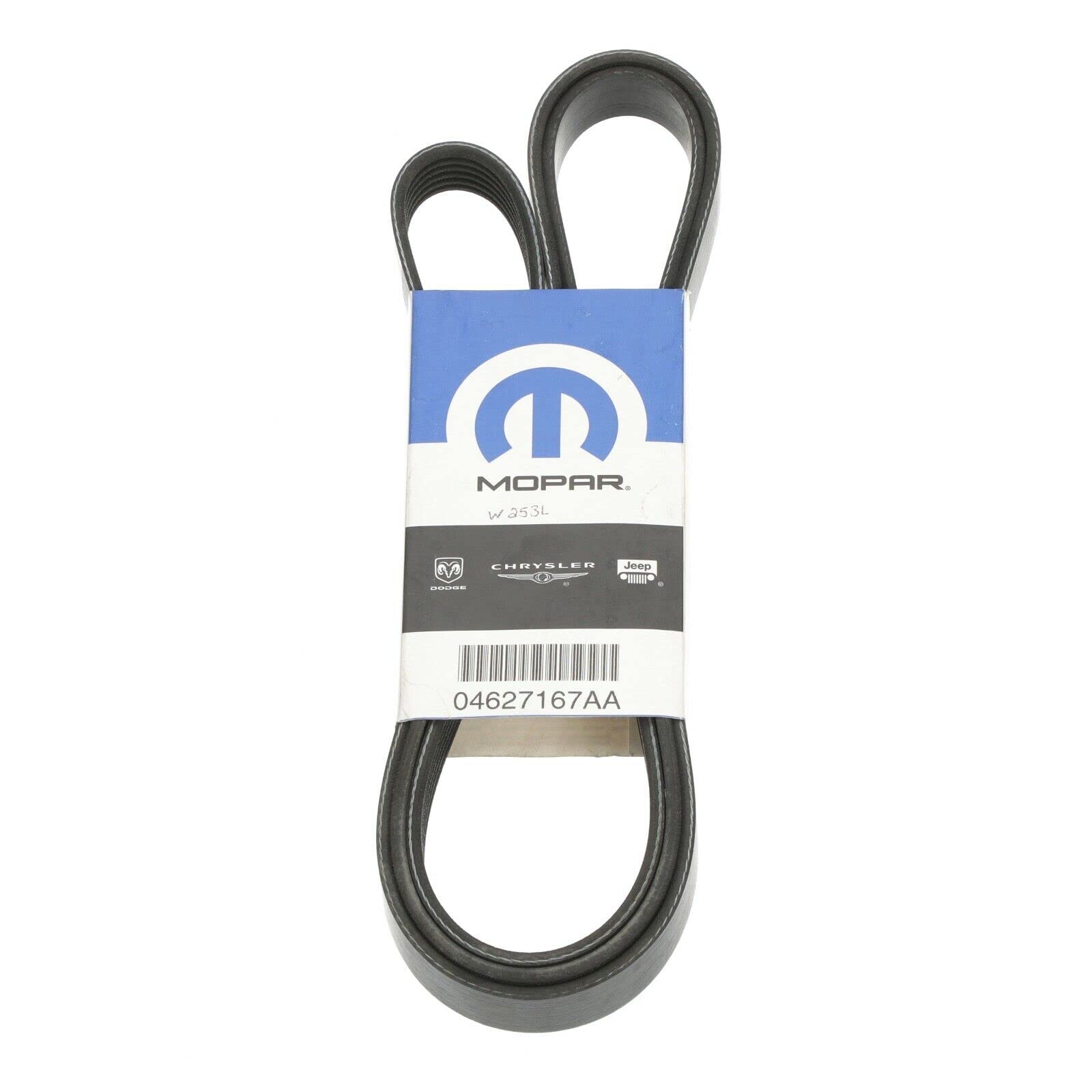
Always verify the exact part number for your specific year and trim before buying a replacement.
Cost Of Serpentine Belt Replacement
The price for a new serpentine belt ranges from $25 to $60, depending on brand and quality. Labor adds another $70 to $120 at most repair shops.
Here’s a simple comparison:
| Replacement Option | Estimated Cost (Parts + Labor) | Time Required |
|---|---|---|
| DIY | $25–$60 | 30–60 min |
| Mechanic | $100–$180 | 1–2 hours |
| Dealership | $130–$250 | 1–2 hours |
Doing it yourself saves money, but only if you’re comfortable with basic tools.
Common Mistakes And How To Avoid Them
Many beginners make these errors when changing the serpentine belt:
- Forgetting the routing diagram: Putting the belt on incorrectly can damage your engine.
- Ignoring the tensioner: Worn or stuck tensioners can ruin a new belt quickly.
- Not checking pulleys: Bad bearings or misaligned pulleys cause premature belt wear.
- Using cheap belts: Low-quality belts may not last as long, even if they fit.
If you’re unsure, ask for help or have a mechanic double-check your work.
Non-obvious Tips For Jeep Owners
- Carry a spare belt and tool: If you drive off-road or far from help, a spare belt and the right wrench can save your trip.
- Inspect after water crossings: Deep water can splash the belt and cause it to slip. Always check for noise or belt damage after off-roading.
- Replace tensioner with the belt: Many pros recommend replacing the tensioner and idler pulleys at the same time for best reliability.
Where To Learn More
For more detailed diagrams and part numbers, the official Jeep Owner Site is a great resource.
Jeep forums and YouTube channels also offer step-by-step videos for your specific model and year.
Frequently Asked Questions
How Do I Know If My Serpentine Belt Is Bad?
Look for squealing noises, cracks, fraying, or loss of power to engine accessories. If you see visible damage or hear strange sounds, check the belt right away.
Can I Drive With A Broken Serpentine Belt?
No. Your Jeep Grand Cherokee will quickly lose power steering, battery charging, and possibly overheat. Driving further can cause serious engine damage.
How Much Does It Cost To Replace A Serpentine Belt On A Jeep Grand Cherokee?
DIY costs $25–$60 for the belt. Professional replacement is usually $100–$180. Dealerships may charge more.
How Long Does A Serpentine Belt Last?
Most last 60,000 to 100,000 miles, but check your owner’s manual and inspect the belt regularly for early signs of wear.
What Tools Do I Need To Replace The Serpentine Belt?
You usually need a socket wrench (often 15mm or 16mm) to move the tensioner. Some models need a special serpentine belt tool for tight spaces.
Taking care of your Jeep Grand Cherokee’s serpentine belt is a small job that makes a big difference in reliability. Regular checks and timely replacement keep your SUV ready for any adventure.