Looking for new ways to level up your Jeep adventures? Overlanding and camping are more popular than ever, and rooftop tents are changing the way Jeep owners explore the outdoors. If you crave comfort, flexibility, and a fast setup, a rooftop tent might be the ultimate upgrade for your next trip. Let’s dive into why these tents are so popular, what to consider before buying, and how they compare to other camping solutions.
Why Rooftop Tents Are Perfect For Jeeps
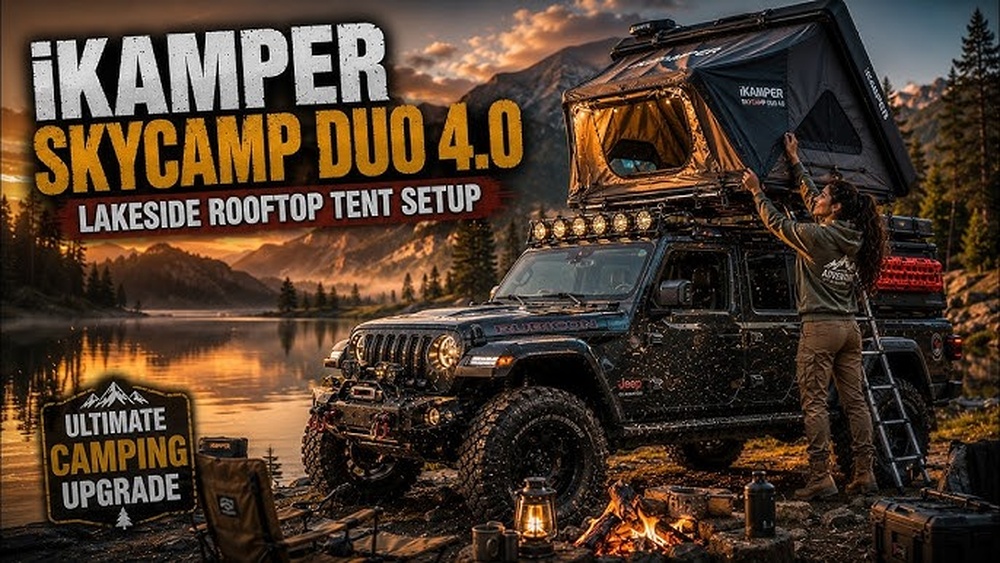
Jeeps are built for rugged terrain and off-road travel. But after a long day on the trail, finding a clean, flat spot for traditional camping can be a hassle. A rooftop tent solves this instantly—just park, unfold, and your bed is ready in minutes.
These tents fit securely on your Jeep’s roof rack, keeping you elevated above mud, rocks, and ground critters. Many models include built-in mattresses, windows, and even rainfly covers. With a rooftop tent, you can sleep almost anywhere your Jeep can go—mountains, deserts, forests, or even a beach.
Key Benefits Of Rooftop Tents
- Quick setup: Most rooftop tents open in under five minutes, saving time and energy.
- Comfort: Thick foam mattresses and flat sleeping surfaces beat uneven ground.
- Safety: Being off the ground protects you from wildlife, insects, and wet weather.
- Mobility: Move your camp simply by driving, no need to pack and unpack each time.
- Space-saving: Free up cargo space inside your Jeep for gear and supplies.
Here’s a quick comparison of rooftop tents vs. ground tents:
| Feature | Rooftop Tent | Ground Tent |
|---|---|---|
| Setup Time | 5 minutes | 15-30 minutes |
| Comfort | High (mattress included) | Varies (pads needed) |
| Weather Protection | Elevated, drier | Possible water entry |
| Cost | Higher | Lower |
What To Look For When Choosing A Rooftop Tent
Not all rooftop tents are the same, and Jeeps have unique needs. Here’s what matters most:
1. Weight And Roof Capacity
Every Jeep has a roof weight limit. Most rooftop tents weigh 100–175 lbs. Before buying, check your model’s dynamic and static roof ratings. Dynamic is for when you’re driving; static is when parked (it’s higher, to support your weight at night).
2. Tent Size And Sleeping Capacity
Most rooftop tents sleep two adults, but some fit three or four. Consider your group size and the space you need for comfort.
3. Hard Shell Vs. Soft Shell
- Hard shell tents: Faster to set up, more aerodynamic, better weather protection, but pricier.
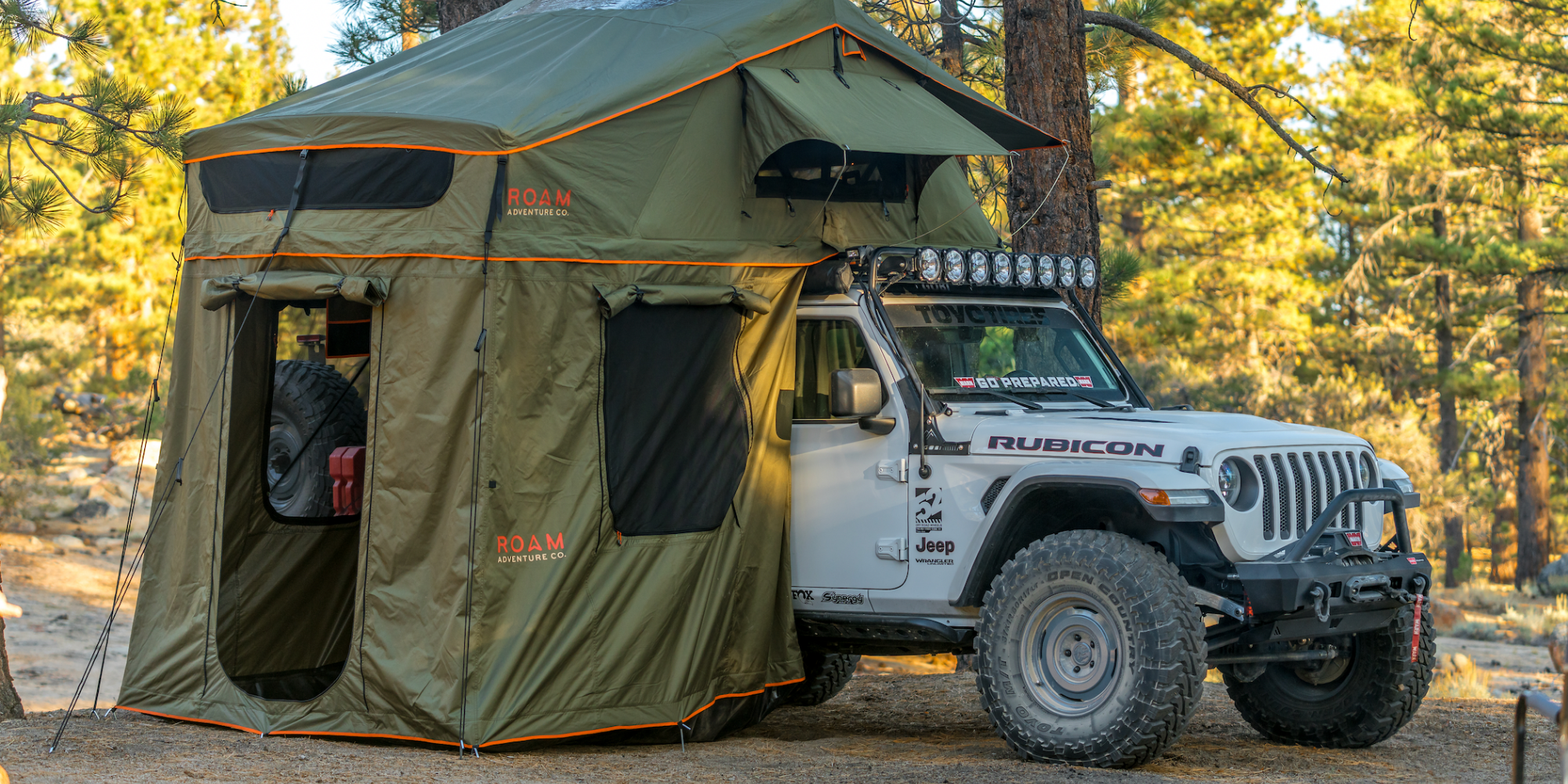
- Soft shell tents: Lighter, more affordable, can have annex rooms, but take longer to set up and may flap in strong wind.
Comparison of hard shell vs. soft shell tents:
| Type | Setup Time | Durability | Cost |
|---|---|---|---|
| Hard Shell | 60-90 seconds | High | $$$ |
| Soft Shell | 3-5 minutes | Medium | $$ |
4. Ladder And Access
Check the ladder’s length and strength. Some models offer telescoping ladders for higher lifted Jeeps. The ladder should support your weight and offer stable footing, even in mud or rain.
5. Weatherproofing
Look for features like waterproof canvas, UV resistance, and a sturdy rainfly. Poor weatherproofing is a common beginner mistake—water leaks can ruin a trip.
6. Additional Features
Some tents come with LED lighting, USB ports, or annex rooms for changing or extra storage. Think about which extras matter for your camping style.
How To Install A Rooftop Tent On Your Jeep
Mounting a rooftop tent is straightforward but requires attention to detail:
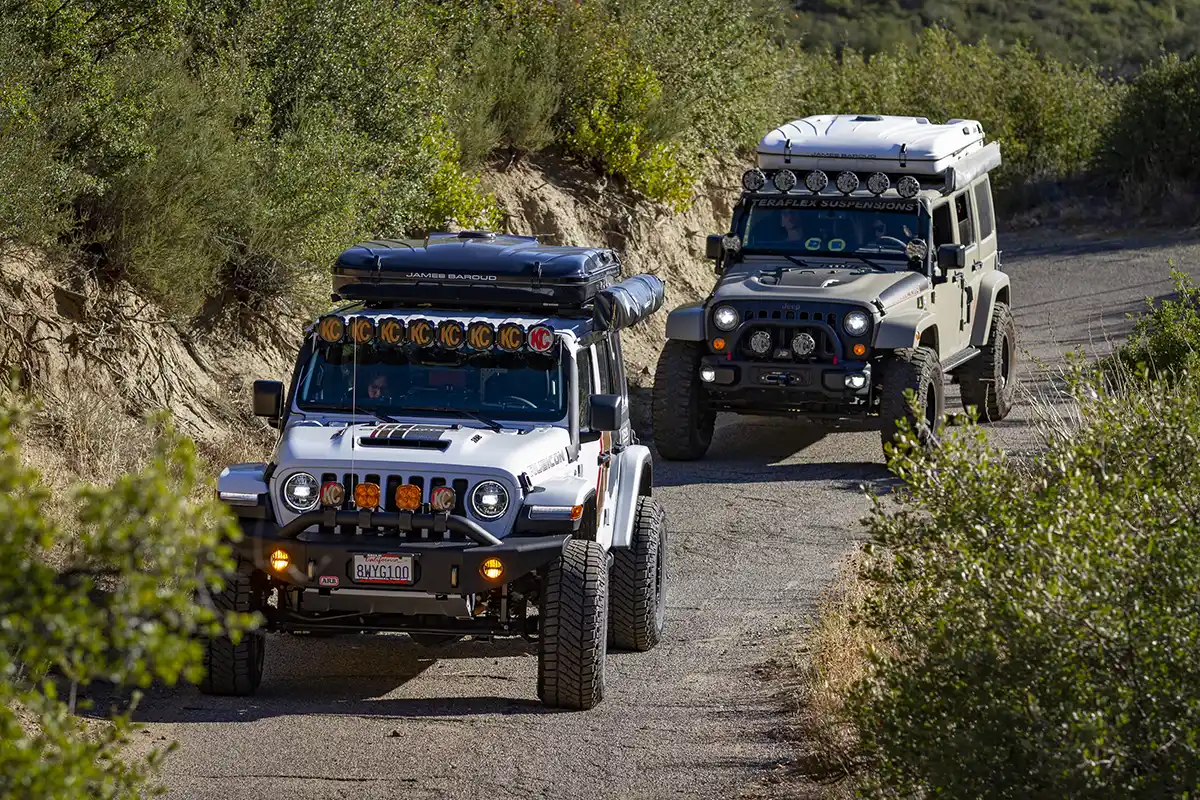
- Choose a strong roof rack: Your Jeep’s factory rack might not be enough. Use racks rated for both the tent and your body weight.
- Lift with help: Most tents are heavy. Use two people to lift and align it safely.
- Secure all bolts: Tighten mounting brackets and check them before every trip.
- Test the ladder: Make sure it’s stable on uneven ground.
- Practice opening/closing: Do a dry run at home before your first adventure.
A non-obvious tip: If you live in a wet climate, air out your tent after each trip to prevent mildew.

Real-world Examples: Top Rooftop Tents For Jeeps
Several brands make excellent Jeep-compatible rooftop tents. Here are three popular options:
- IKamper Skycamp Mini: Hard shell, fits most 2-door and 4-door Jeeps, setup in under one minute, sleeps two adults.
- Tepui Explorer Kukenam: Soft shell, three-person capacity, waterproof, affordable.
- Roofnest Sparrow: Hard shell, one-person setup, built-in mattress and storage, aerodynamic for highway driving.
Each model has strengths and trade-offs. For example, the iKamper is fast and durable but pricey. Tepui is affordable and roomy but heavier. Roofnest is easy for solo travelers but smaller inside.
Here’s a quick side-by-side:
| Model | Type | Setup Time | Weight | Price |
|---|---|---|---|---|
| iKamper Skycamp Mini | Hard shell | 1 min | 125 lbs | High |
| Tepui Explorer Kukenam | Soft shell | 5 min | 130 lbs | Medium |
| Roofnest Sparrow | Hard shell | 1 min | 130 lbs | High |
Common Mistakes And Smart Tips
Beginners often make two mistakes:
- Ignoring the weight limits of their Jeep’s roof or rack.
- Forgetting to check tent fit with roof accessories like light bars or racks.
Another tip: Practice setting up in daylight. At night, it’s easy to miss steps or damage zippers.
Seasoned Jeep campers often use a cargo net or tie-downs inside the tent for organizing small items. This keeps headlamps, phones, and snacks close by.
Final Thoughts
A rooftop tent is more than just a place to sleep—it’s a game changer for Jeep adventures. The right model can open up a world of remote camping with comfort and speed. Focus on weight, setup time, and weatherproofing when you choose.
Remember, every Jeep and camper is different. Test your setup before your first big trip, and enjoy the freedom only a Jeep with a rooftop tent can provide.
For more technical details on rooftop tents, check out this Wikipedia guide.
Frequently Asked Questions
How Much Weight Can My Jeep’s Roof Handle?
Most Jeeps support 150–165 lbs dynamic (while driving) and up to 600 lbs static (parked). Always check your manual and roof rack specs.
Do Rooftop Tents Affect Gas Mileage?
Yes, rooftop tents add wind resistance and weight, usually reducing mileage by 1–3 mpg, especially at highway speeds.
Can I Keep My Rooftop Tent On Year-round?
You can, but it’s best to remove it in winter or rainy seasons if not in use. Long-term exposure can cause wear and reduce lifespan.
Are Rooftop Tents Safe From Bears And Wildlife?
While they keep you above ground animals, bears can still reach a tent. Always follow local guidelines and store food away from your Jeep.
What’s The Best Way To Clean And Maintain A Rooftop Tent?
Sweep dirt out after each trip, let it dry before storage, and use mild soap for spot cleaning. Lubricate zippers and check for small tears regularly.