The Jeep Grand Cherokee is one of America’s most popular SUVs. Many buyers want to know if this rugged vehicle holds its value over time. If you plan to buy or sell a Grand Cherokee, understanding its resale value is important. Let’s explore how well the Grand Cherokee retains its worth, what affects its depreciation, and how it compares to other SUVs.
How Depreciation Works For Suvs
Depreciation is how much a car’s value drops after you buy it. Most vehicles lose value quickly in the first few years. The average car loses about 20%–30% of its value after the first year and around 50% after five years. SUVs and trucks often do a bit better because they are in high demand.
But not all SUVs are the same. The Jeep Grand Cherokee has a strong reputation, but does it really keep its value better than others?
Jeep Grand Cherokee Resale Value: Real Data
Let’s look at recent data for the Grand Cherokee. According to industry sources like Kelley Blue Book and Edmunds, the Grand Cherokee’s depreciation rate is slightly better than average for midsize SUVs.
Here’s a quick comparison of average five-year depreciation rates:
| Model | 5-Year Depreciation |
|---|---|
| Jeep Grand Cherokee | ~43% |
| Toyota 4Runner | ~38% |
| Ford Explorer | ~46% |
| Honda Pilot | ~44% |
So, the Grand Cherokee holds its value reasonably well, but some rivals—like the Toyota 4Runner—are even stronger. Still, the Grand Cherokee is ahead of many other midsize SUVs.
What Makes The Grand Cherokee Hold Its Value
Several factors help the Grand Cherokee keep its value:
- Strong Brand Reputation: Jeep is known for off-road capability and durability. Buyers trust the brand.
- Popular Features: The Grand Cherokee offers advanced safety, tech, and luxury options, making it attractive in the used market.
- Wide Appeal: Families, adventurers, and commuters all like this SUV.
- Good Reliability: While not perfect, Grand Cherokee reliability scores are solid compared to some competitors.
However, there are things that can lower its value:
- High mileage: Grand Cherokees with over 100,000 miles often lose value quickly.
- Poor maintenance: Skipping oil changes or repairs hurts resale.
- Accidents or damage: Any history of crashes lowers price.
Grand Cherokee Vs. Other Jeeps
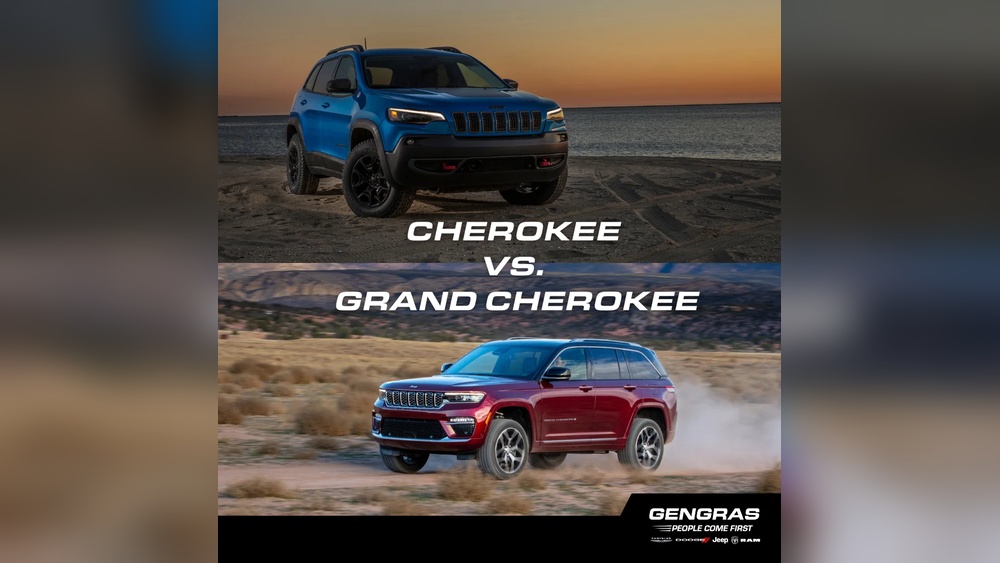
How does the Grand Cherokee compare to other Jeeps, like the Wrangler or Cherokee? Here’s a side-by-side look:
| Jeep Model | 5-Year Depreciation |
|---|---|
| Grand Cherokee | ~43% |
| Wrangler | ~31% |
| Cherokee | ~49% |
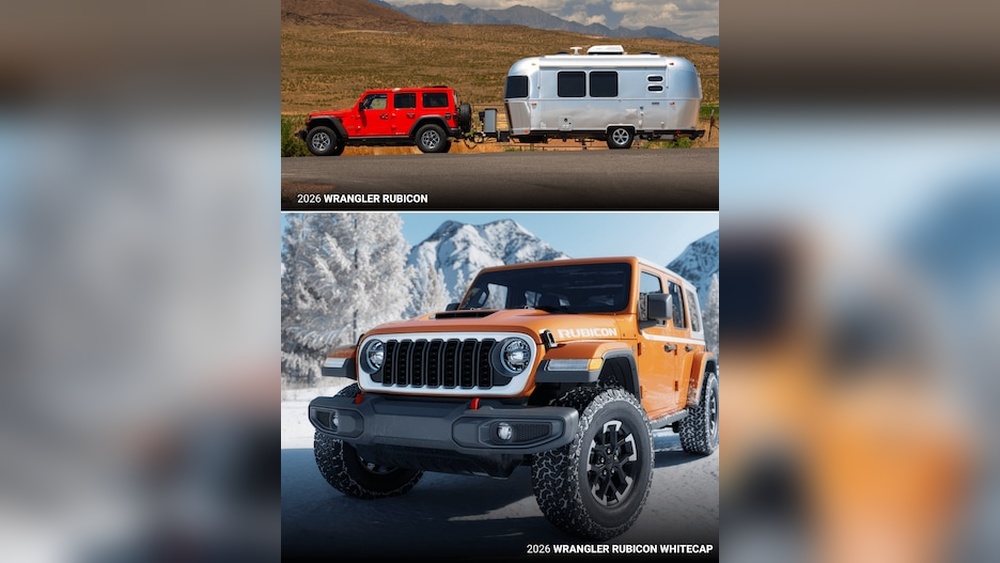
The Wrangler is famous for holding its value best. The Grand Cherokee comes in second, beating the smaller Cherokee.
Tips To Maximize Your Grand Cherokee’s Value
If you want your Grand Cherokee to keep its value, follow these tips:
- Keep maintenance records: Show proof of regular service.
- Avoid modifications: Changes like lift kits or custom wheels can lower resale.
- Choose popular trims: Models like Limited and Laredo sell faster.
- Protect the interior and exterior: Clean and fix minor issues.
- Watch the mileage: Lower miles mean higher resale.
A non-obvious tip is to avoid buying rare trims or colors. While unique, these models can be harder to sell later. Stick with common colors and features buyers want.
Common Mistakes When Selling
Many sellers make mistakes that hurt their price:
- Ignoring market trends: Sell when demand is high, not during slow months.
- Not fixing small issues: Buyers notice scratches and worn tires.
- Overpricing: Price too high, and your car sits unsold.
Another mistake is skipping a professional detail. Clean cars sell better and faster, often for a few hundred dollars more.
Real Example: Used Grand Cherokee Prices
To see how well the Grand Cherokee holds its value, let’s look at actual used prices. For a 2018 Grand Cherokee (5 years old), average prices range from $22,000–$29,000 depending on trim and mileage. If you paid about $40,000 new, that’s a loss of around 43%—matching the data above.
Compared to a Ford Explorer of the same age, which often sells for $19,000–$25,000, the Grand Cherokee keeps its value slightly better.
When To Buy Or Sell For Best Value
The best time to buy a Grand Cherokee is usually after the first two years, when the biggest depreciation has happened. You still get a modern vehicle, but pay much less. Selling before your SUV hits 100,000 miles also helps you get a higher price.
Many buyers overlook seasonal trends. SUVs sell for more in fall and winter, when people need better traction and safety.
Should You Worry About Value Holding?
If you’re looking for a family SUV or an adventure vehicle, the Grand Cherokee is a safe bet. It holds its value well enough that you won’t lose too much money compared to other midsize SUVs. However, if keeping value is your top concern, the Toyota 4Runner and Jeep Wrangler are even better choices.
For more detailed statistics, you can check sources like Edmunds.
Frequently Asked Questions
How Much Does The Jeep Grand Cherokee Depreciate After 3 Years?
The Grand Cherokee loses about 30–35% of its value in the first three years. This is close to average for midsize SUVs.
Does The Grand Cherokee Hold Value Better Than The Ford Explorer?
Yes, the Grand Cherokee usually holds its value a bit better than the Ford Explorer, based on five-year depreciation rates.
Which Grand Cherokee Trim Has The Best Resale Value?
Popular trims like Limited and Laredo hold value best. Rare trims may be harder to sell and lose value faster.
Is The Jeep Grand Cherokee A Good Choice For Resale?
The Grand Cherokee is a solid choice. It keeps its value reasonably well, especially if you maintain it and keep mileage low.
Are Jeep Grand Cherokees Expensive To Maintain?
Maintenance costs are average for this class. Keeping up with service helps protect resale value and avoids expensive repairs later.
If you’re thinking about buying or selling a Jeep Grand Cherokee, knowing how it holds its value can help you make the best decision. The Grand Cherokee is not the absolute best for resale, but it’s above average and reliable.
Buyers who care about value and performance often find it a smart investment.