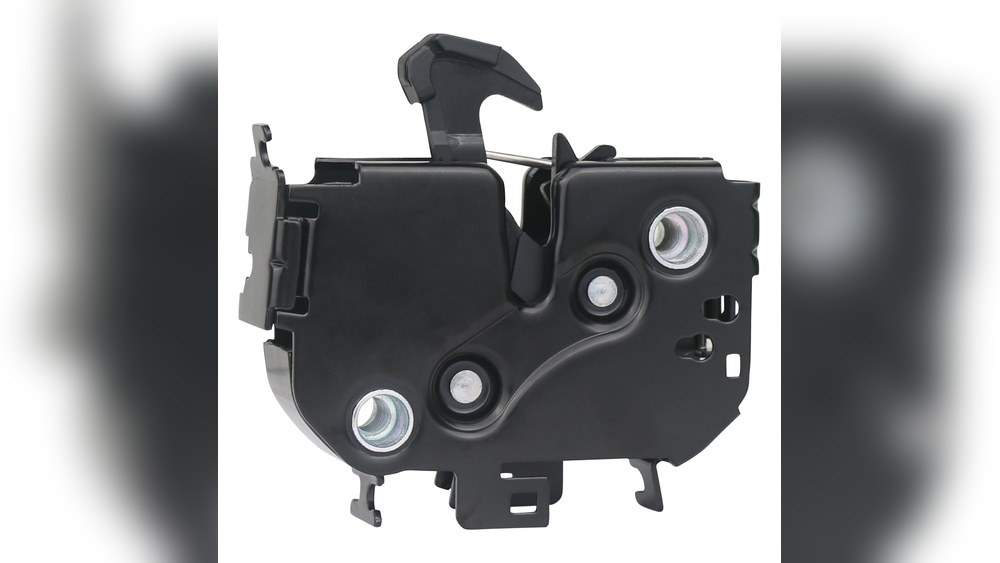
Replacing the hood latch on a Jeep Wrangler is a task many owners face, whether after years of use or following an off-road adventure.
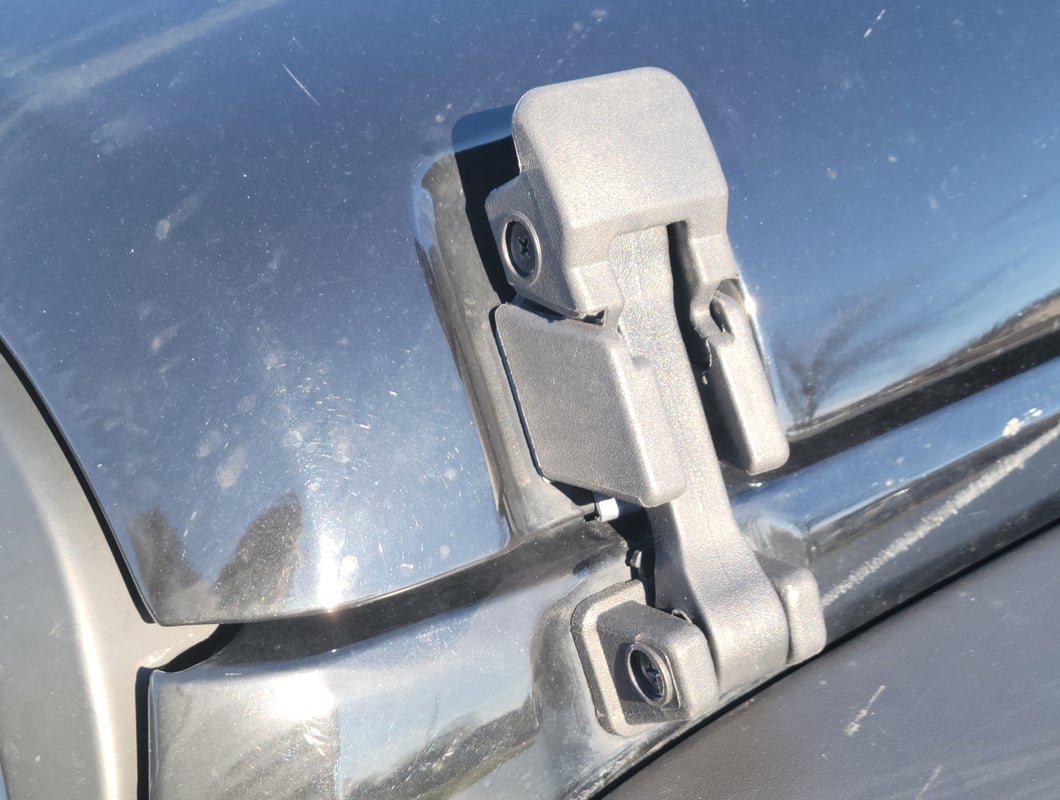
The hood latch isn’t just a simple piece it holds your hood securely, prevents rattling, and keeps the engine compartment safe.
But if your latch breaks, wears out, or becomes loose, it’s important to fix it quickly.
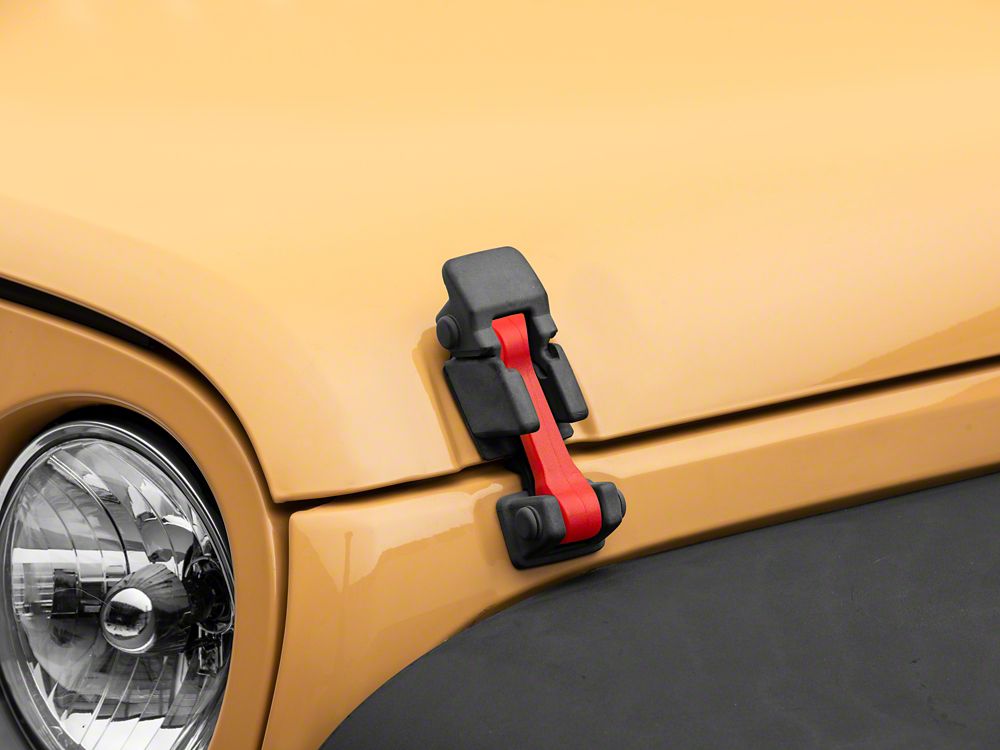
In this guide, you’ll learn everything you need to confidently replace the hood latch on your Jeep Wrangler, from spotting the signs of failure to choosing the right replacement and installing it yourself.
Why The Hood Latch Matters
A hood latch might seem small, but it’s an essential safety feature. The Jeep Wrangler is often driven off-road, which means the hood faces extra stress. If the latch fails, the hood could pop open while driving. This can block your view and damage the hood or windshield. Even a weak latch can cause annoying rattling noises or let water and dirt into your engine bay. Keeping your hood latch in good shape isn’t just about looks—it’s about keeping your vehicle safe.
Signs Your Hood Latch Needs Replacement
Knowing when to replace the hood latch can prevent bigger problems. Here are the most common signs:
- Difficulty Opening or Closing: If the hood doesn’t open smoothly or feels stuck, the latch might be failing.
- Rattling Noises: A loose latch lets the hood shake and rattle, especially on bumpy roads.
- Visible Damage: Cracks, rust, or bent parts on the latch are clear signs it’s time to replace it.
- Hood Pops Open Unexpectedly: If your hood unlocks on its own, even a little, don’t ignore it.
- Latch Won’t Secure: If the latch doesn’t hold the hood down tightly, it’s unsafe.
Many Jeep owners overlook early warning signs. For example, a latch that only sticks occasionally is still a problem. Ignoring these signs can lead to expensive damage, especially if the hood flies open while driving.
Choosing The Right Hood Latch For Jeep Wrangler
The market offers several types of hood latches. Picking the right one depends on your model year, driving habits, and preference for style or durability.
Oem Vs Aftermarket
OEM (Original Equipment Manufacturer) latches are made by Jeep or its approved partners. Aftermarket latches are made by other companies and offer more styles and sometimes better materials.
| Type | Pros | Cons |
|---|---|---|
| OEM | Perfect fit, reliable, keeps warranty | Usually more expensive |
| Aftermarket | Variety of styles, often cheaper, some are more durable | Fit can vary, may affect warranty |
Material Choices
Most latches are made from plastic, rubber, or metal. Metal latches last longer and handle off-road stress better, while plastic ones can be lighter and cheaper. Rubber latches are flexible but may wear out faster in extreme heat or cold.
Compatibility
Always check the latch’s compatibility with your Jeep’s model year. The most common models are JK (2007–2018) and JL (2018–present), but older models like TJ and YJ have different latch styles and mounting points.
Style Features
Some latches come with locking mechanisms for extra security. Others are designed to be more aerodynamic or have a unique look. If you drive off-road often, consider reinforced latches for better strength.
Many beginners forget to check compatibility or overlook material differences, which can lead to wasted money and time. Double-check before buying.
Tools And Materials Needed
Before you start, gather these tools and materials:
- Replacement hood latch (OEM or aftermarket, matched to your model)
- Socket wrench set
- Screwdrivers (flathead and Phillips)
- Pliers
- Protective gloves
- Cleaning cloth
- Rust remover (optional)
- Lubricant spray
Having everything ready saves time and avoids frustration. For some aftermarket latches, you might need extra hardware check the package.
Step-by-step Guide To Replacing The Hood Latch
Preparation
- Park the Jeep on a flat surface and turn off the engine.
- Let the hood cool down if you’ve just driven.
- Wear protective gloves to avoid cuts.
Removing The Old Latch
- Open the hood and locate the latch mechanism. There are usually two latches: One main latch in the center, and two side catches.
- Use a socket wrench to remove the bolts holding the latch. Some models use screws or clips instead.
- Carefully disconnect any attached cables or springs. Take a photo before disconnecting—this helps with reassembly.
- Remove the old latch. Clean the area with a cloth and check for rust or damage.
Installing The New Latch
- Align the new latch with the mounting holes. If the latch is adjustable, set it to the recommended position.
- Attach cables and springs as needed, following your photo or the instructions.
- Secure the latch with bolts or screws. Do not overtighten—this can crack plastic parts.
- Test the latch by closing the hood gently. It should lock firmly and open smoothly.
- Spray a little lubricant on moving parts to keep them working smoothly.
Final Checks
- Make sure the hood closes tightly and doesn’t wobble.
- Check for any leftover tools or parts.
- Test the latch several times before driving.
Installing a hood latch is a simple job for most Jeep owners. But some models may have hidden bolts or tricky cable placements. Take your time and be patient.
Common Mistakes To Avoid
Even experienced Jeep owners make mistakes when replacing the hood latch. Here are some to watch out for:
- Buying the Wrong Latch: Double-check the model year and latch style before ordering.
- Forgetting Cable Connections: Some latches have safety cables or springs—don’t miss them during installation.
- Omitting Lubrication: A dry latch wears out faster and can stick.
- Overtightening Bolts: This can break plastic parts or damage threads.
- Skipping Final Testing: Always test the latch before hitting the road.
Many beginners overlook the importance of proper alignment. If the latch isn’t lined up exactly, the hood may not close right. Always check alignment before tightening bolts.
Upgrading Vs Simple Replacement
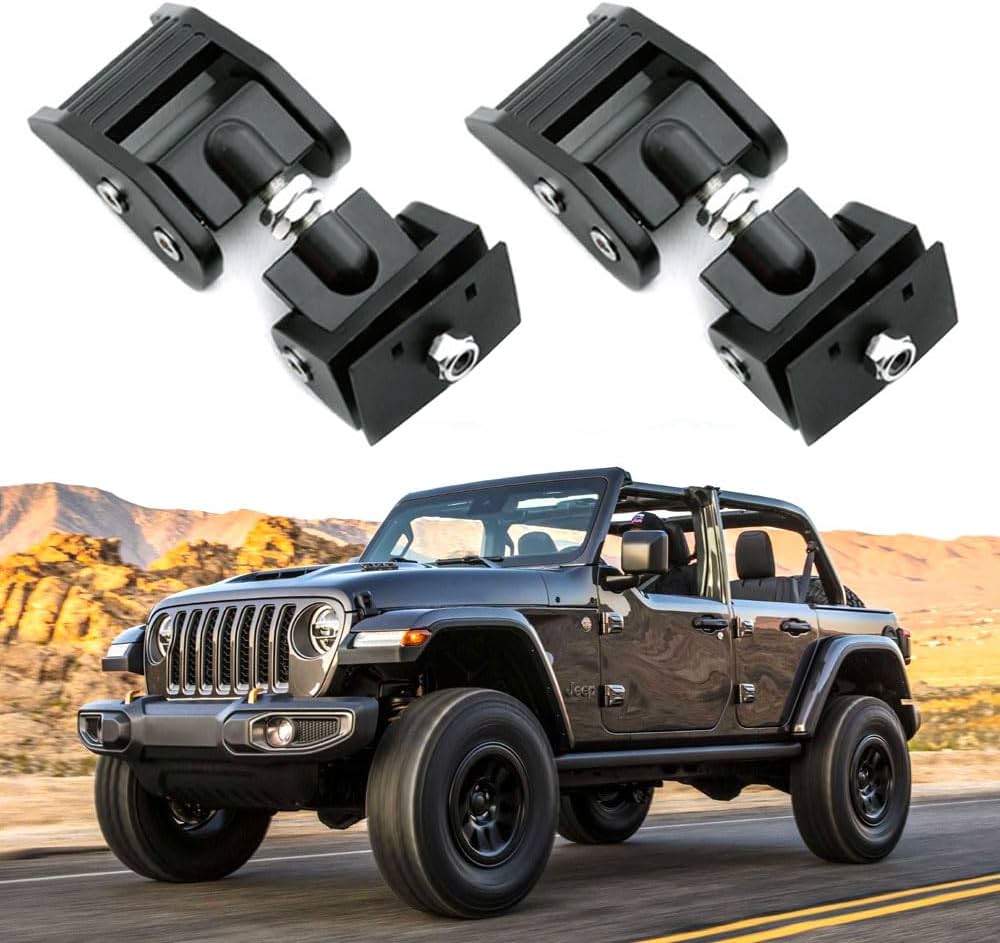
Some Jeep owners choose to upgrade their hood latch instead of just replacing it. Upgrades can add security, style, or durability.
Popular Upgrades
- Locking latches: Prevent theft or unwanted access to the engine.
- Heavy-duty latches: Made of reinforced metal, ideal for off-roading.
- Aerodynamic latches: Reduce wind noise at high speed.
Upgrading can cost more but is worth considering if you drive in tough conditions or want extra protection.
| Upgrade Type | Benefits | Typical Cost |
|---|---|---|
| Locking latch | Extra security | $40–$100 |
| Heavy-duty latch | Improved durability | $50–$150 |
| Aerodynamic latch | Reduced noise | $30–$90 |
Cost Of Replacing Hood Latch
The total cost depends on the type of latch, labor, and whether you do it yourself. Here are average prices:
- OEM latch: $25–$70
- Aftermarket latch: $20–$90
- Professional installation: $60–$120
DIY replacement is cheaper and takes about 30 60 minutes. Many Jeep owners save money by doing it themselves.
Maintenance Tips For Longer Hood Latch Life
Keeping your hood latch in good shape helps avoid future problems:
- Clean the latch area regularly to prevent dirt buildup.
- Spray lubricant every few months to keep it moving smoothly.
- Check for rust or wear during oil changes.
- Inspect after off-road trips, as mud and water can damage the latch.
Most owners forget that regular maintenance is as important as replacement. A neglected latch wears out quickly, leading to repeated repairs.
Real-world Example: Jeep Wrangler Jk Owner
Mike, a Jeep Wrangler JK owner, noticed his hood rattling after a long off-road weekend. At first, he ignored it, but soon the hood wouldn’t open smoothly.
He found his latch had cracked from repeated stress. Mike bought a heavy-duty aftermarket latch for $65 and replaced it himself in about 45 minutes.
He made sure to check cable connections and lubricate the moving parts. After installation, his hood felt solid, and the rattling stopped. Mike’s story shows how a small fix can make a big difference in safety and comfort.
Jeep Wrangler Hood Latch Comparison
If you’re choosing a latch, here’s a quick comparison of popular options:
| Latch Model | Material | Fits | Average Price | User Rating |
|---|---|---|---|---|
| OEM JK Latch | Plastic | JK (2007–2018) | $40 | 4.5/5 |
| Locking Metal Latch | Metal | JK/JL | $65 | 4.7/5 |
| Rubber Aftermarket Latch | Rubber | TJ/YJ | $25 | 4.2/5 |
Frequently Asked Questions
How Long Does It Take To Replace A Hood Latch On A Jeep Wrangler?
Most replacements take 30–60 minutes. If you’re new to car repairs, plan for an hour. Some models may take longer if the latch is hard to reach.
Can I Replace The Hood Latch Myself, Or Do I Need A Mechanic?
Yes, most Jeep owners can do the job themselves. The process is straightforward if you have basic tools and follow instructions. If you’re unsure, ask a friend or check detailed guides online, like those on Jeep’s official site.
Are Aftermarket Latches Safe For Off-roading?
Many aftermarket latches are designed for off-road use and may be stronger than OEM. Look for reinforced metal or heavy-duty products. Always check reviews and ratings before buying.
Will A New Hood Latch Affect My Jeep’s Warranty?
Using OEM latches usually keeps your warranty safe. Aftermarket latches might void some parts of the warranty, especially if they cause damage. Always check with your dealer first.
What Should I Do If The New Latch Doesn’t Fit?
If the latch doesn’t fit, double-check the model year and compatibility. Sometimes aftermarket latches need minor adjustments. If you’re stuck, contact the seller or check Jeep forums for advice.
Replacing your Jeep Wrangler’s hood latch is a simple job that offers big benefits for safety and performance. With the right tools and careful steps, you can fix rattles, prevent accidents, and keep your Jeep ready for adventure.
Remember to check compatibility, avoid common mistakes, and consider upgrading if you need extra strength or security.
Whether you’re a first-time DIYer or a seasoned Jeep owner, this guide gives you everything you need to get the job done right.