A “No Bus” message is a communication warning, not a diagnosis. The right repair order begins with voltage and network checks before expensive modules are replaced.
Quick Answer
A “No Bus” message means electronic modules are not communicating normally. Do not replace the PCM first.
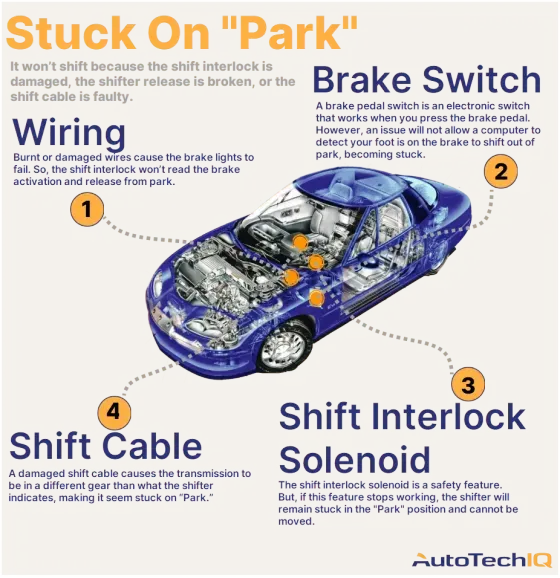
Begin with battery voltage, terminals, main grounds, fuses and a scan of every module that still responds, then use the correct wiring diagram for the exact Jeep.
What the Warning Actually Means
Older Jeep models may use CCD or PCI communication networks, while later vehicles use newer network designs. The message identifies a communication failure, not one guaranteed bad part.
A weak battery, corroded ground, open circuit, shorted data wire, failed cluster or module fault may create similar symptoms.
Use the Symptom Pattern
Write down whether the Jeep cranks, starts, stalls, loses gauges or shows several warning lamps together. If most modules disappear from the scan tool, suspect a shared power, ground or network issue.
If one module is missing while others respond, inspect that module and its local circuit.
Inspect Recent Electrical Work
Accessory wiring, stereo installation, battery replacement, water intrusion and repairs behind the cluster may disturb connectors or harnesses. Save the first scan report before clearing codes because the original communication pattern helps diagnosis.
Start With the Symptom Pattern
Write down whether the engine cranks, starts, stalls or runs normally while the message appears. Note whether gauges drop to zero and whether several warning lamps illuminate together.
Those details help separate a cluster-only problem from a wider communication failure. A scan tool that checks multiple modules is more useful than a basic engine-code reader.
Inspect Power and Grounds Before Replacing Modules
Low voltage and poor grounds can interrupt module communication. Test the battery, inspect the terminals and check the main engine and body grounds.
Use a test light or multimeter on related fuses instead of relying on a visual glance. If the Jeep recently received stereo, alarm or remote-start work, inspect those areas for harness damage or poor splices.
Harness Areas Worth Inspecting
Look behind the instrument cluster, near the steering column, around the battery tray and fuse box, and anywhere aftermarket electronics were installed. Water leaks and previous repairs deserve attention.
Do not probe random wires without the correct diagram because an accidental short can create a second problem.
When Professional Diagnosis Saves Money
Network faults consume time when testing is unstructured. A technician with the correct diagram, scan tool and scope can compare bus activity and isolate a shorted module.
That is often cheaper than replacing a PCM, cluster and sensors one at a time.
Use Scan Results to Narrow the Search
Record which modules respond and which do not. If the powertrain module communicates while the cluster disappears, the next steps differ from a case where almost every controller is offline.
Save communication codes and freeze-frame information when available. Clearing codes too early removes clues.
Cluster Problems and Total Network Failure Are Different
A failed cluster connector may cause gauge problems while the engine still runs. A larger network fault may create a no-start, several warning lamps and broad scan-tool communication loss.
Identify the pattern before removing trim or ordering a module.
Confirm the Repair Before Returning to Normal Use
After the fault is corrected, reconnect every component, scan all available modules and verify gauge operation during a controlled drive. Recheck battery voltage and watch for returning warnings.
A temporary recovery after moving a connector is a clue, not proof of a durable repair.
Battery Voltage Is a Starting Point, Not the Whole Diagnosis
A resting battery reading may look acceptable while voltage collapses during cranking. Inspect terminal condition and use a load test when needed.
Confirm charging output after the engine starts. Stable voltage matters because multiple controllers must wake up and communicate during key-on and starting.
Module Isolation Requires a Plan
A shorted controller can pull a network down, but disconnecting random modules may create misleading results. Use the wiring diagram and service sequence for the exact Jeep.
Follow airbag-system precautions and avoid disturbing connectors that are unrelated to the fault pattern.
Intermittent No Bus Faults Need Patience
When the warning appears only after bumps, rain or temperature changes, recreate the condition carefully. Move accessible harness sections gently while monitoring communication.
Look for corrosion, loose pins and water intrusion. An intermittent recovery after touching a connector is valuable evidence, but the connection still needs a durable repair.
Information to Bring to a Service Visit
Bring the model year, engine, recent battery history and a list of symptoms. Explain whether the warning follows rain, bumps, cold starts or accessory installation.
A clear timeline helps a technician choose the right connector, ground and network checks first.
Avoid Replacing Parts From Forum Lists
A crank sensor, cluster or PCM may appear in online discussions, but none should be replaced only because another Jeep had the same display message. Test the circuit and communication pattern on your vehicle. Similar warnings can come from different faults.
Record Connector Work Carefully
If a connector is cleaned or reseated, photograph the area and record the outcome. A warning that disappears temporarily may return when vibration or moisture changes.
Clear notes help the next diagnosis avoid repeating the same steps.
Key Details to Check
| Item | What to verify | Why it matters |
|---|---|---|
| Battery and terminals | Test resting and cranking voltage; inspect both terminals | Low or unstable voltage may interrupt module communication |
| Grounds | Inspect main battery, body and engine grounds | Resistance in a ground path may mimic a failed module |
| Fuses and feeds | Test the related fuses with a meter or test light | A module without power cannot communicate |
| Network scan | Record which modules respond | The pattern narrows the next wiring or module check |
Step-by-Step Review
- Record the warning lights, gauge behavior and start condition.
- Test battery voltage and cable condition.
- Check fuses and module power feeds.
- Scan every available module and save the report.
- Inspect accessible connectors and recent repair areas.
- Use the wiring diagram before isolating modules.
- Confirm stable communication after the repair.
Common Mistakes to Avoid
- Replacing the PCM before testing power and grounds
- Clearing the first scan report too early
- Probing random wires without a diagram
- Driving when gauges, charging or safety systems are unreliable
Frequently Asked Questions
Can a weak battery trigger a No Bus warning?
Yes. Low voltage and poor connections should be checked before expensive parts are ordered.
Can an instrument cluster fault cause the message?
It can on some vehicles, but scan-tool communication and wiring checks should guide the decision.
Should I keep driving?
Stop driving when the Jeep stalls, critical gauges fail or safety-related warnings appear.
- How To Change Gear Ratio In Jeep Wrangler A Step By Step Guide
- What Does Ducking A Jeep Mean
- What Does Jk Jeep Mean
Final Takeaway
Treat “No Bus” as a network problem until testing proves otherwise. Start with battery voltage, grounds, fuses and module communication before replacing parts.