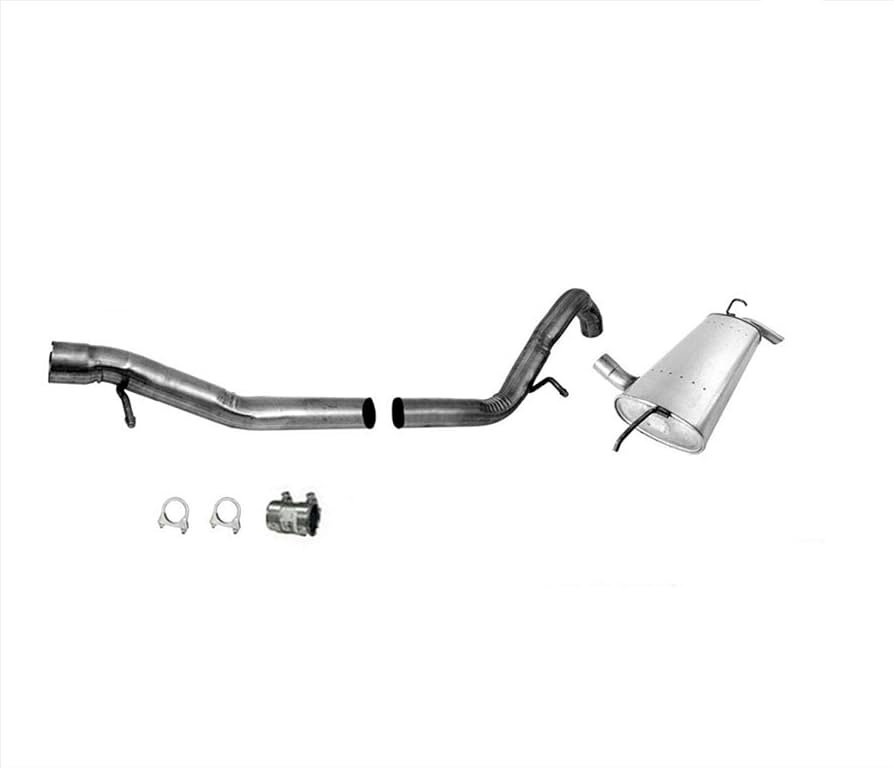
Replacing the exhaust system on a 2010 Jeep Wrangler is a project many owners consider as their vehicle ages. Maybe your Wrangler is getting louder, or perhaps you want to improve performance or fuel efficiency. Whatever the reason, understanding the process, parts, and what to watch out for can save you time and money. Let’s break down what you need to know to replace the exhaust system on your 2010 Jeep Wrangler with confidence.
Why Replace The Exhaust System?
Over time, exhaust systems wear out from heat, moisture, and road salt. A damaged exhaust can cause loud noises, poor performance, and even dangerous fumes entering the cabin. For the 2010 Wrangler, replacing the system can:
- Restore proper engine performance
- Improve fuel economy
- Pass emissions testing
- Eliminate rattling or rusted parts
Some drivers also upgrade their exhaust for a deeper sound or better off-road clearance.
What Parts Make Up The Exhaust System?
The 2010 Jeep Wrangler’s exhaust system includes several key parts:
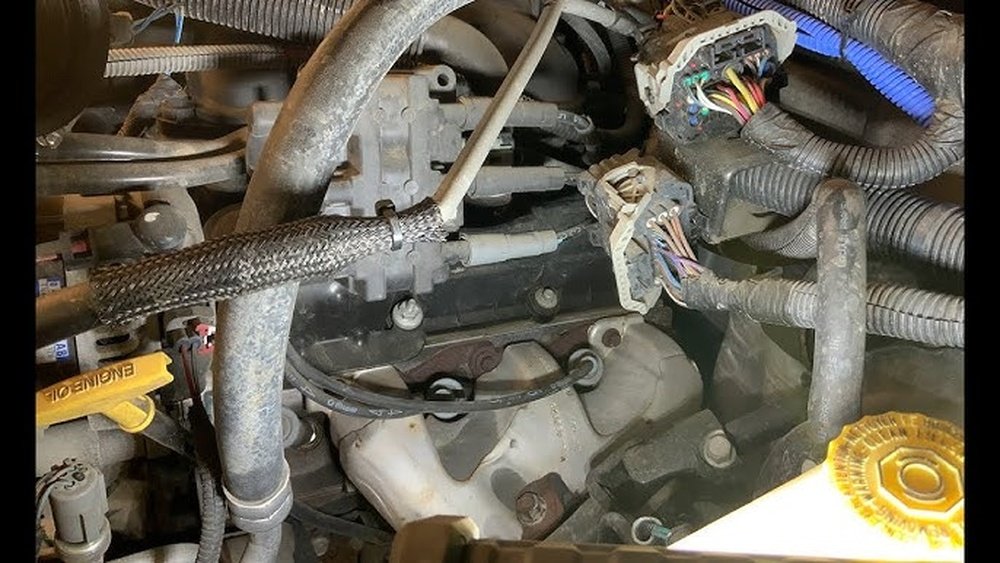
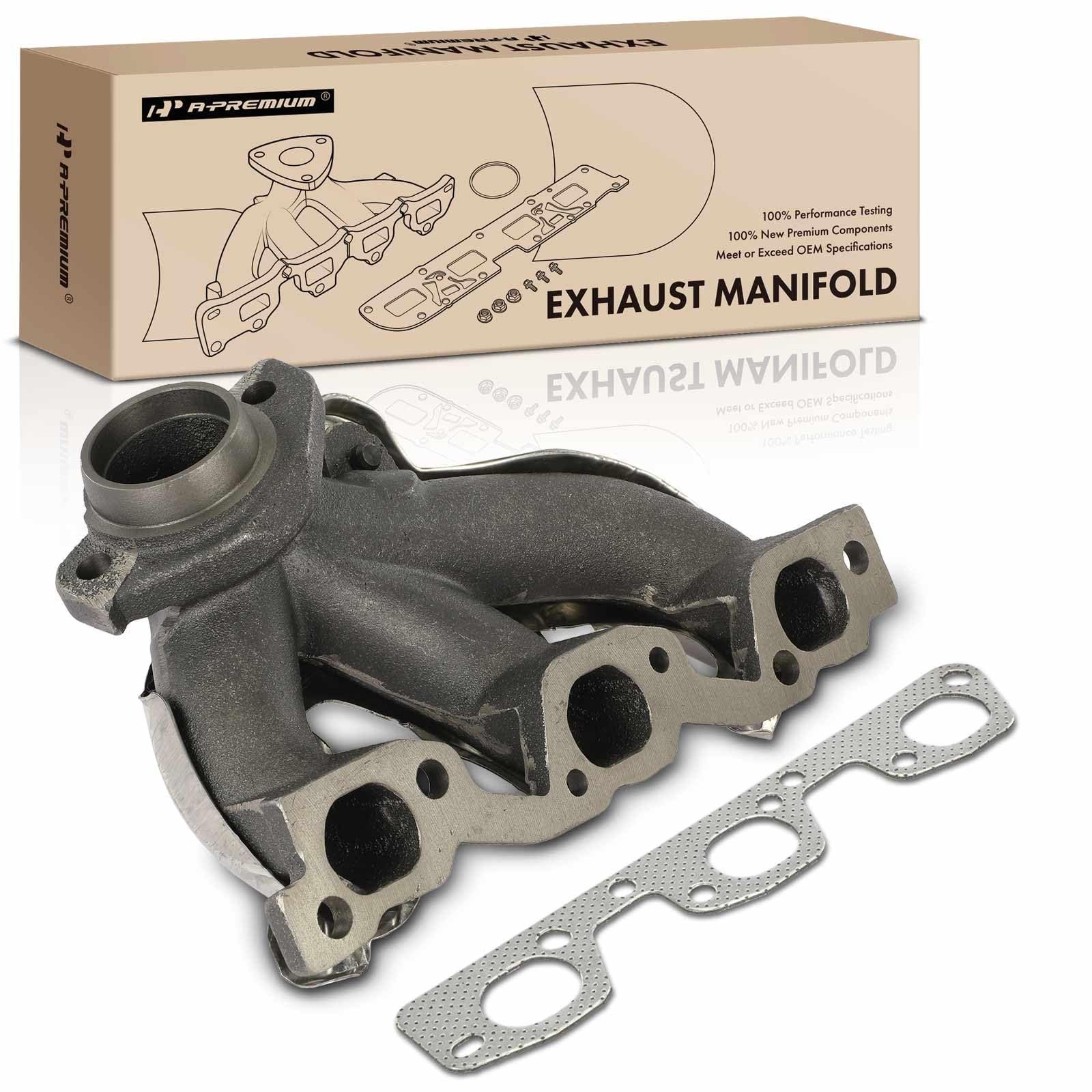
- Exhaust manifold – connects to the engine, channels gases to the rest of the system.
- Catalytic converter – reduces harmful emissions.
- Resonator (if equipped) – smooths exhaust sound.
- Muffler – quiets the exhaust noise.
- Tailpipe – directs gases out the rear.
Each part has a specific job. Replacing just one damaged part can sometimes fix problems, but rust often affects multiple sections.
Here’s a quick comparison of OEM (factory) parts vs aftermarket options:
| Feature | OEM | Aftermarket |
|---|---|---|
| Fitment | Guaranteed | May vary |
| Price | Higher | Often lower |
| Performance | Standard | Can be improved |
| Warranty | Usually included | Varies |
Tools And Supplies You’ll Need
Before starting, gather these items:
- Jack and jack stands
- Socket set and wrenches
- Penetrating oil (for rusty bolts)
- Replacement exhaust parts
- Exhaust clamps or gaskets
- Safety glasses and gloves
It’s smart to spray all bolts and joints with penetrating oil a day before you begin. This helps loosen stubborn, rusted hardware.
Step-by-step: Replacing The Exhaust
1. Lift And Secure The Jeep
Use a jack to raise the Wrangler and secure it with jack stands on solid ground. Never work under a vehicle supported only by a jack.
2. Remove The Old Exhaust
Start from the rear and work forward. Loosen the tailpipe clamps and remove the hangers.
Some bolts may be very rusted use penetrating oil and patience.
3. Take Out The Muffler And Catalytic Converter
These parts can be heavy and awkward. Support them as you unbolt.
If your system is welded, you may need a saw or cutting tool.
4. Remove The Exhaust Manifold (if Needed)
This connects directly to the engine. Remove the heat shield first, then the bolts. Some may be hard to reach.
5. Install New Parts
Start at the front (manifold or catalytic converter) and work back. Use new gaskets and clamps.
Don’t tighten everything fully until all parts are in place.
6. Align And Tighten
Make sure the system doesn’t touch the frame or suspension. Tighten all bolts and clamps evenly.
7. Check For Leaks
Start the engine and listen for leaks. You can also feel for escaping air around joints.
Here’s a table to help estimate time and skill level:
| Task | Time (approx.) | Skill Level |
|---|---|---|
| Remove old system | 1-2 hours | Intermediate |
| Install new parts | 1-2 hours | Intermediate |
| Leak check and final torque | 30 mins | Easy |
Tips For A Smooth Replacement
- Soak all bolts in advance to avoid breaking them.
- Have extra clamps and gaskets on hand. Old hardware may not be reusable.
- Consider a high-flow catalytic converter if you want better performance (but make sure it’s street legal in your area).
- Inspect hangers and rubber mounts—replace if cracked or worn.
- If your Jeep is lifted, some aftermarket systems offer better fitment.
Many beginners don’t realize that a small exhaust leak can affect your engine computer’s oxygen sensor readings. This can cause poor idle or check engine lights even after the new exhaust is installed.
Cost Breakdown
Costs can vary based on brand and how much of the system you replace.
- Full OEM exhaust system: $700–$1,200 (parts only)
- Aftermarket cat-back system: $350–$700
- Labor at a shop: $300–$600
- DIY tools and supplies: $40–$100
If your catalytic converter is clogged or failing, that’s usually the most expensive part.
Is Diy Or Professional Installation Better?
If you have basic tools, mechanical experience, and patience, replacing the exhaust system yourself can save hundreds of dollars. However, rusted bolts, tight spaces, and the need for precise alignment can frustrate beginners.
A professional shop has lifts and specialized tools, making the job faster and often guaranteeing their work.
For most 2010 Jeep Wrangler owners, starting with a cat-back system (everything after the catalytic converter) is an easier project. Full system replacement, including the manifold and cat, is more challenging.
For more on vehicle maintenance, check the official Jeep maintenance page.
Frequently Asked Questions
How Do I Know If My Exhaust System Needs Replacement?
If you hear loud noises, smell exhaust inside the Jeep, see visible rust holes, or fail an emissions test, it’s time for a replacement.
Can I Upgrade My Wrangler’s Exhaust For More Power?
Yes, aftermarket exhausts with wider pipes or high-flow mufflers can improve performance and sound, but the difference is usually small (5–10 horsepower).
Do I Need To Replace The Whole Exhaust Or Just Parts?
If only one section is rusty or leaking, you can replace just that part. However, rust often spreads, so inspect everything before deciding.
Will A New Exhaust Help Fuel Economy?
A new, leak-free exhaust can restore lost fuel economy. Performance systems may help slightly, but expect only a small gain.
Is It Legal To Install Any Exhaust System?
No. Your system must meet local emissions laws. Removing or bypassing the catalytic converter is illegal in most places.
Replacing the exhaust system on your 2010 Jeep Wrangler is a rewarding project if you’re prepared. With the right parts, tools, and patience, you can restore your Jeep’s performance and sound, and keep it running smoothly for years to come.