Putting your Jeep in 4 wheel drive can make a huge difference when roads get rough or weather turns bad. Many Jeep owners, especially those new to off-roading or living in areas with snow and mud, wonder how and when to use this essential feature. Using 4 wheel drive (also called 4WD or four-wheel drive) the right way keeps you safer and helps protect your vehicle from damage. But with different types of Jeep 4WD systems and controls, it’s easy to get confused. This guide explains exactly how to put your Jeep into 4WD, why it matters, and how to avoid common mistakes.
Why Use 4 Wheel Drive?
Four-wheel drive gives your Jeep power to all four wheels instead of just two. This extra traction is important for:
- Driving on snow, ice, or mud
- Climbing steep hills or rocky roads
- Pulling heavy loads on slippery surfaces
- Getting unstuck when wheels spin
When only two wheels have power, it’s easy to lose control or get stuck. 4WD makes your Jeep more capable and safer in tough conditions.
But it’s not meant for dry pavement using it the wrong way can damage your vehicle.
Understanding Jeep 4wd Systems
Not all Jeeps use the same 4WD system. The most common types are:
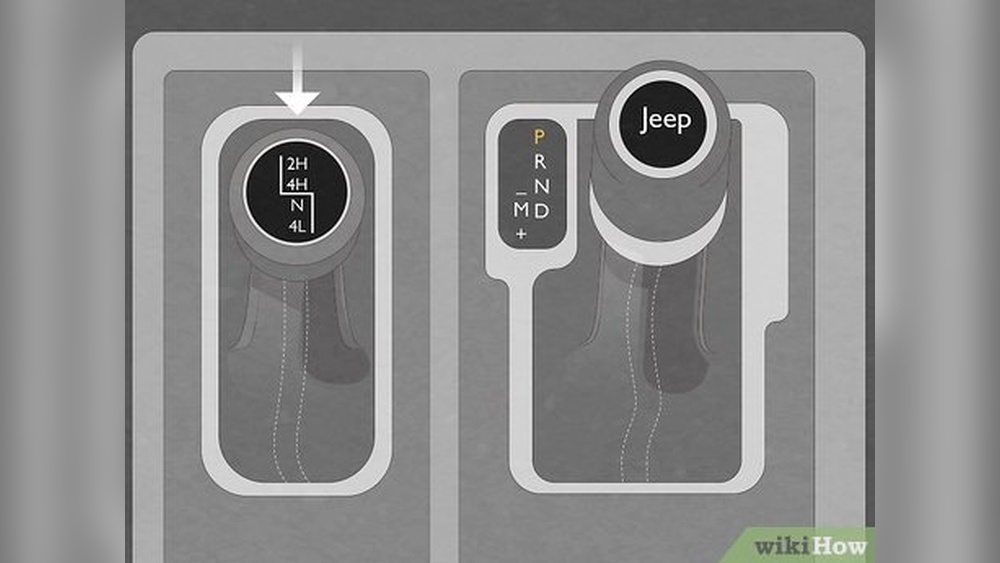
- Part-Time 4WD: You choose when to turn on 4WD, usually with a lever or switch. Use only on slippery or loose surfaces.
- Full-Time 4WD (or AWD): Always active, automatically sends power where it’s needed. Can be used on any surface.
- Selectable 4WD: Lets you choose between 2WD, 4WD High, and 4WD Low for different conditions.
Knowing your system is the first step. For example, a Jeep Wrangler usually has part-time 4WD, while a Grand Cherokee may offer both full-time and part-time modes.
The Four Key Modes: How And When To Use Each
Every Jeep 4WD system offers four main driving modes. Each mode serves a different purpose. Here’s how to use each one properly.
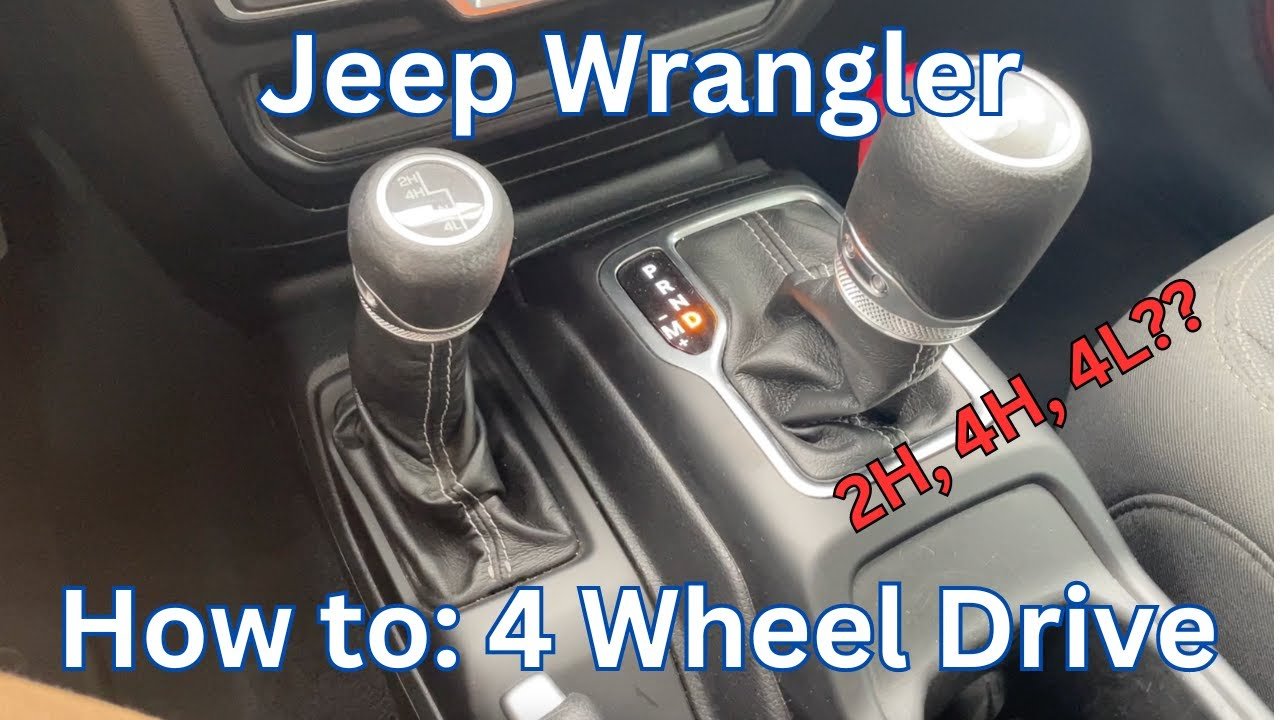
1. 2h (two-wheel Drive High)
2H is the normal driving mode for most conditions. In this mode, only the rear wheels receive power. It’s ideal for:
- Daily driving on dry pavement
- City streets and highways
- Clear, smooth roads
How to use:
Most Jeeps start in 2H by default. There’s no need to change anything unless you need extra traction.
Beginner insight: Some drivers mistakenly think using 4WD all the time is safer, but using 2H on dry roads improves fuel economy and reduces wear on parts.
2. 4h (four-wheel Drive High)
4H sends power to all four wheels. It’s designed for higher speeds (up to 55 mph or as recommended by your manual) and moderate off-road conditions, such as:
- Snow and ice on paved roads
- Muddy or gravel roads
- Wet grass or sand
How to shift into 4H:
- Slow down to under 55 mph.
- For most Jeeps, you can shift from 2H to 4H while moving (called “shift-on-the-fly”). Just pull the lever or turn the switch to 4H.
- You might hear a soft “click” or feel the Jeep engage.
Tip: Always check your owner’s manual for your model’s exact instructions. Some older Jeeps require you to stop before switching.
Common mistake: Many drivers forget to take their Jeep out of 4H after leaving slippery roads. Driving in 4H on dry pavement can cause drivetrain binding and damage.
3. N (neutral)
Neutral (N) in a Jeep 4WD system is not the same as the neutral in your transmission. It disconnects the engine from the wheels, so no power goes to any of them. This mode is rarely used but is critical for:
- Towing your Jeep with all four wheels on the ground (“flat towing”)
- Certain recovery situations
How to shift into N:
- Bring your Jeep to a complete stop.
- Put the transmission in neutral.
- Move the 4WD lever or switch into Neutral (N).
Warning: Never try to drive in this mode—your Jeep will not move under its own power.
Non-obvious insight: Many new owners confuse transmission neutral with 4WD neutral. Always double-check you’re using the correct neutral for towing.
4. 4l (four-wheel Drive Low)
4L gives you maximum torque and control at low speeds. It’s used for serious off-roading or when you need extra pulling power, such as:
- Deep mud, sand, or snow
- Climbing or descending steep hills
- Rock crawling
- Pulling out of ruts
How to shift into 4L:
- Stop your Jeep completely.
- Put the transmission in neutral.
- While pressing the brake, move the 4WD lever or switch to 4L.
- Shift the transmission back to drive and go slowly.
Important: Never use 4L at speeds above 25 mph. It’s only for slow, controlled movement.
Practical tip: If you hear grinding or have trouble shifting into 4L, try rolling forward an inch in neutral while shifting.
Step-by-step: Putting Your Jeep In 4 Wheel Drive
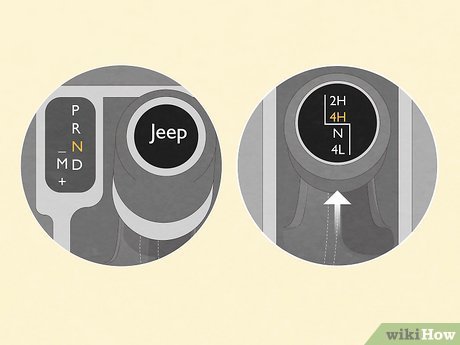
Switching to 4WD is simple, but the exact steps depend on your Jeep’s system—manual lever, electronic switch, or button. Here’s a basic guide:
- Know your system: Check your owner’s manual for special instructions.
- Slow down: For 4H, reduce speed below 55 mph. For 4L, come to a full stop.
- Shift transmission: For 4L or N, always shift the main transmission to neutral first.
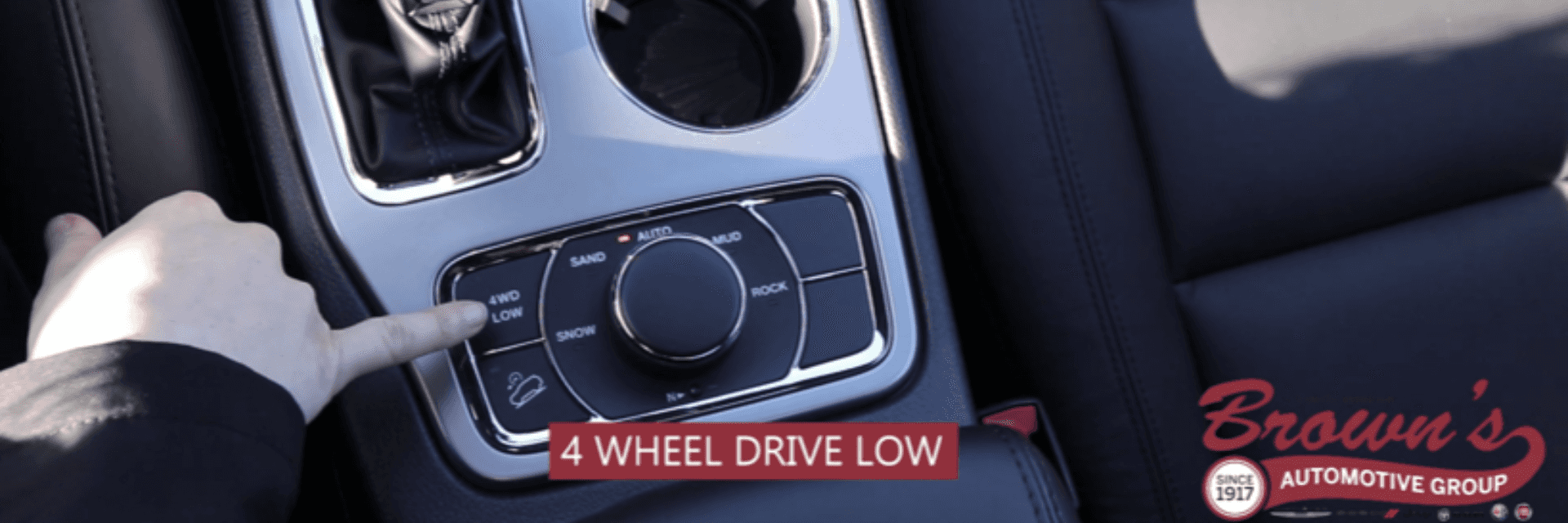
- Move the 4WD control: Pull the lever, turn the switch, or press the button to the desired mode.
- Wait for engagement: Look for a dashboard light or message confirming 4WD is active.
- Drive appropriately: Use lower speeds in 4L, avoid sharp turns in 4H on dry roads.
Example: Shifting A Jeep Wrangler From 2h To 4l
- Stop the vehicle.
- Shift the transmission to neutral.
- Firmly pull the 4WD lever from 2H through 4H and then to 4L.
- Wait for the “4WD Low” light.
- Shift the transmission to drive and proceed slowly.
When (and When Not) To Use Each 4wd Mode
Choosing the right 4WD mode depends on road conditions and speed. Here’s a quick comparison:
| Mode | Best For | Max Speed | Common Mistake |
|---|---|---|---|
| 2H | Dry pavement, normal roads | Any | Using 4WD when not needed |
| 4H | Snow, mud, gravel | 55 mph | Leaving it on after returning to dry roads |
| N | Towing, recovery | 0 mph | Trying to drive in this mode |
| 4L | Deep mud, steep hills | 25 mph | Shifting at high speed |
Jeep 4WD controls come in different forms. Here’s how they compare:
| Control Type | How It Works | Pros | Cons |
|---|---|---|---|
| Manual Lever | Physical lever you move | Reliable, gives a “feel” of engagement | Can be stiff or hard to shift |
| Electronic Switch | Turn a knob or press a button | Easy, quick, less effort | Relies on electronics, possible delay |
| Push Button | Simple button press | Very fast, modern | Less feedback, may confuse new users |
Many drivers prefer the manual lever for its mechanical feel, but modern switches are just as effective.
Best Practices For Using Jeep 4wd
- Shift before you need it: If you see mud or snow ahead, shift to 4WD before entering—don’t wait until you’re stuck.
- Don’t use 4WD on dry pavement: It can cause unnecessary wear and even damage your drivetrain.
- Turn off 4WD after leaving slippery areas: Go back to 2H as soon as you’re back on clear roads.
- Check dashboard lights: Make sure your Jeep shows the correct 4WD light after shifting.
- Practice: If you’re new, practice shifting modes in an empty parking lot so you’re ready when you need it.
Common Jeep 4wd Mistakes To Avoid
- Using 4L at high speeds: This can damage gears. Only use 4L when moving slowly.
- Shifting into 4WD while tires are spinning: Always stop wheel spin before shifting to avoid drivetrain shock.
- Driving long distances in 4H on dry roads: This creates “driveline binding,” which leads to expensive repairs.
- Forgetting to check tire pressure: Uneven tires can make 4WD hard to engage or cause extra wear.
- Ignoring odd noises: Clicking, grinding, or delayed engagement are signs something needs attention.
Advanced Tips For Jeep Owners
- Engage 4WD monthly: Even if you rarely use it, shift into 4WD for a few minutes each month. This keeps parts lubricated and working smoothly.
- Use 4H for deep puddles: Not just for mud or snow—4H can help cross water by keeping all wheels moving if one loses grip.
- Know your terrain: Sand requires momentum in 4H, while rocks need slow, steady power in 4L.
- Check your manual: Different Jeep models (Wrangler, Cherokee, Compass, etc.) Have unique systems. Don’t guess—always check for your exact model.
Jeep 4wd: Quick Facts And Stats
- Over 85% of Jeep Wranglers sold in the US have 4WD as standard.
- A 4WD Jeep can climb slopes up to 30 degrees in 4L mode.
- Using 4WD in snow increases traction by up to 50% compared to 2WD.
- The average Jeep transfer case lasts over 100,000 miles with proper maintenance.
Maintaining Your Jeep’s 4wd System
Good maintenance keeps your 4WD system reliable:
- Change transfer case fluid every 30,000–60,000 miles.
- Inspect CV joints and U-joints for wear or leaks.
- Listen for odd noises when shifting 4WD modes.
- Keep tires matched: All four tires should be the same size and wear pattern.
Neglecting maintenance is a top reason 4WD systems fail often at the worst possible time.
Frequently Asked Questions
How Do I Know If My Jeep Is In 4 Wheel Drive?
Most Jeeps show a 4WD indicator light on the dashboard when 4WD is engaged. You may also feel a slight change in the way your Jeep drives, especially during turns.
Can I Switch To 4wd While Driving?
Yes, you can usually shift from 2H to 4H while moving (below 55 mph). For 4L or Neutral, you must stop and put the transmission in neutral before switching.
What Happens If I Use 4wd On Dry Pavement?
Using 4H or 4L on dry roads can cause drivetrain binding, leading to noise, vibration, and possible damage to your Jeep’s transfer case or axles.
Is 4wd The Same As Awd?
No. 4WD is designed for off-road and tough conditions, often with selectable modes. AWD is always active and better for light snow or rain. Some Jeeps offer both.
Where Can I Learn More About Jeep 4wd Systems?
A good resource for more details is the official Jeep Life page, which covers Jeep history, models, and driving tips.
Using 4 wheel drive the right way keeps your Jeep ready for anything from snowy highways to muddy trails. With a little practice and the right knowledge, you’ll feel confident using every mode.
Take care of your 4WD system, and your Jeep will handle tough roads for years to come.