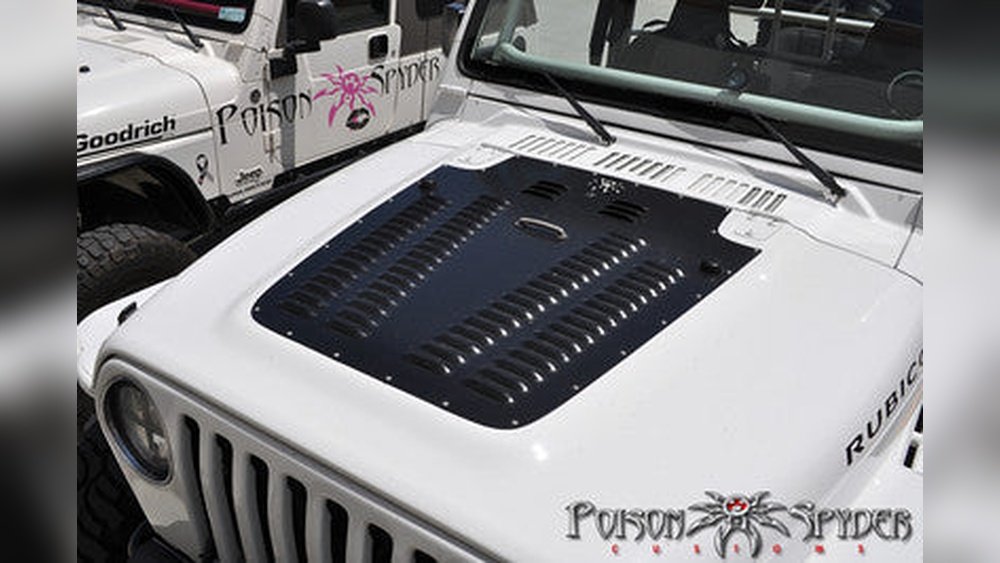
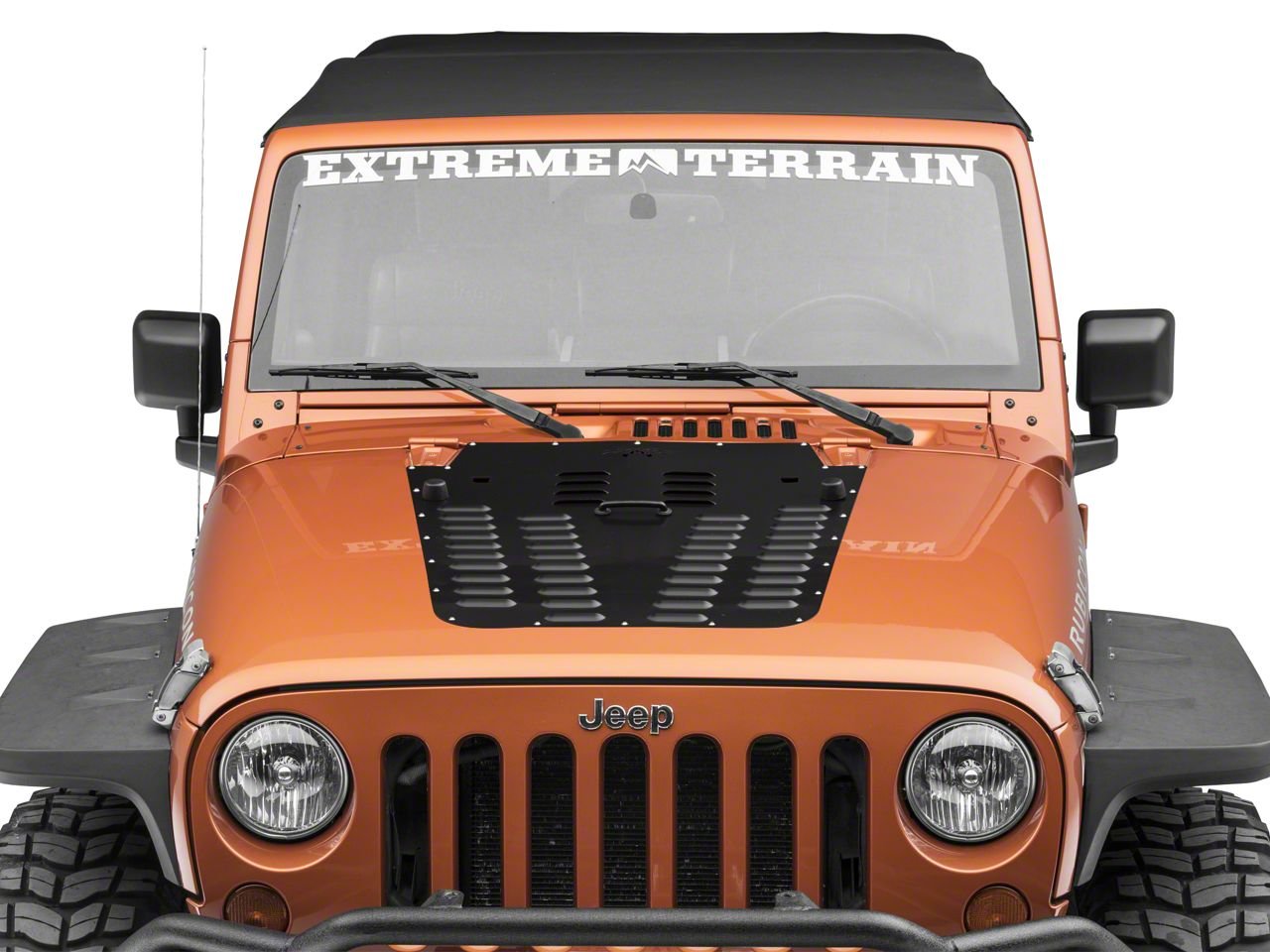
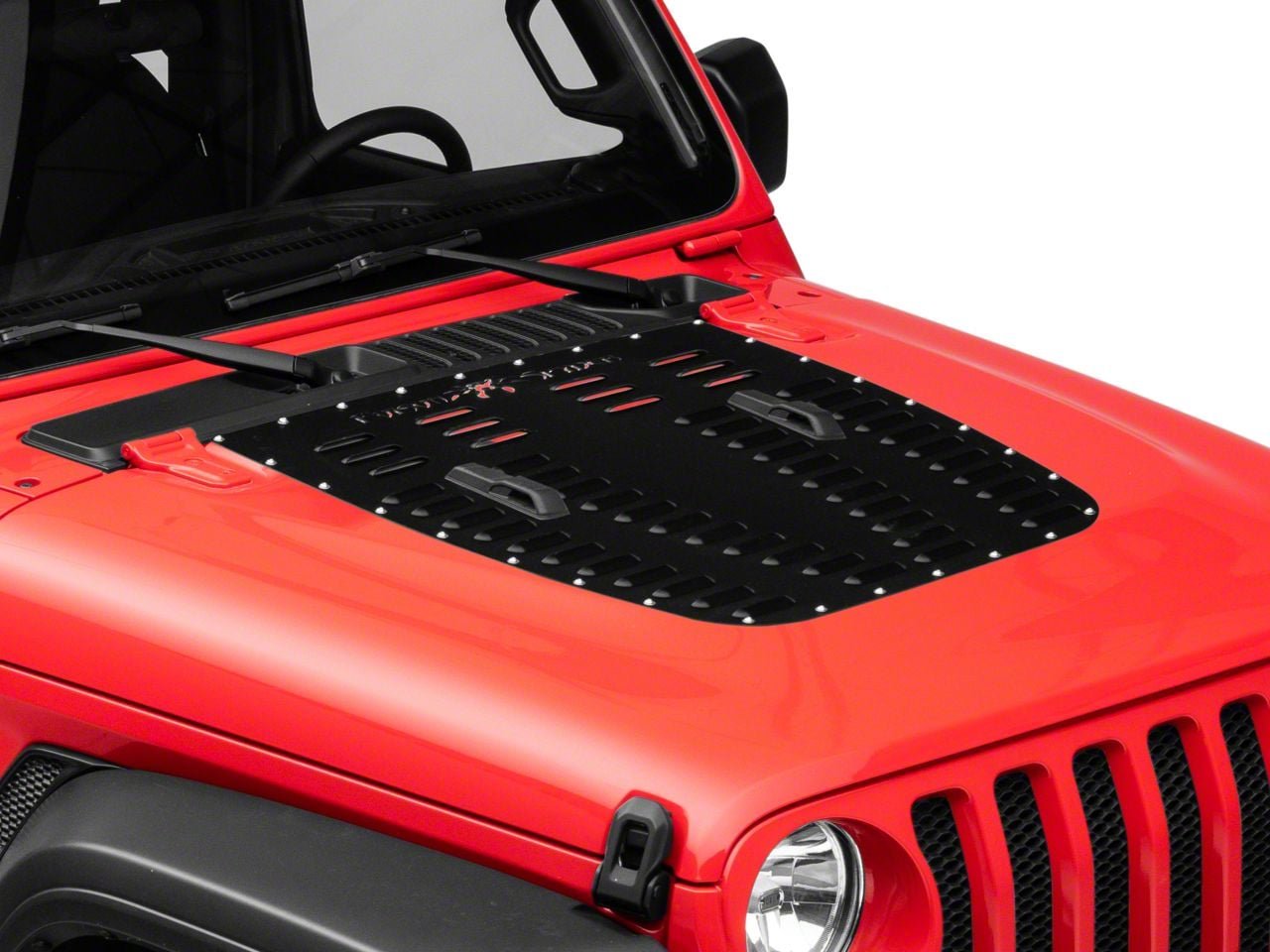
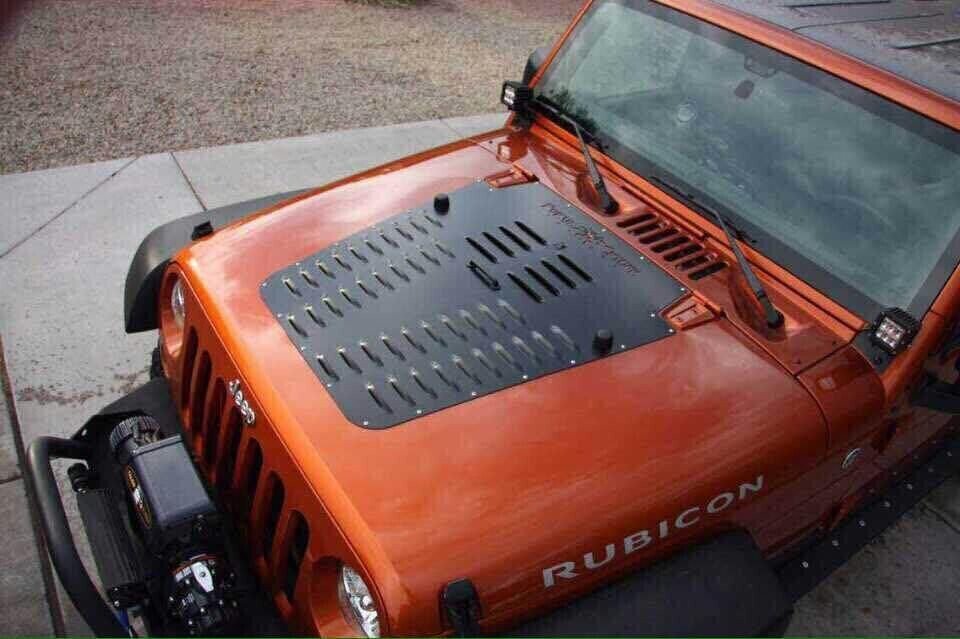
The Poison Spider hood vent is a popular aftermarket accessory for Jeep Wranglers, offering both aesthetic appeal and functional benefits. These custom hood vents are designed to replace or augment the stock hood panels, providing a more aggressive look and improving airflow to the engine bay.
For Jeep enthusiasts, modifying their vehicle is often about expressing personality and enhancing performance. The Poison Spider hood vent fits perfectly into this ethos, allowing owners to personalize their Wrangler while potentially gaining some practical advantages.
This article will explore what makes the Poison Spider hood vent a sought-after modification. We'll cover its design, the materials used, the installation process, and the benefits it offers.
We will also discuss potential considerations and what to look for when choosing a hood vent for your Jeep Wrangler.
Whether you’re a seasoned off-roader or a daily driver looking to upgrade your Jeep’s appearance, understanding the ins and outs of the Poison Spider hood vent can help you make an informed decision.
The Appeal Of Custom Hood Vents
Jeep Wranglers are iconic vehicles, known for their ruggedness and off-road capabilities. Many owners choose to customize their Wranglers to stand out from the crowd and enhance their vehicle’s performance. Custom hood vents, like those offered by Poison Spider, are a common modification that serves both purposes.
The primary appeal of a Poison Spider hood vent lies in its aggressive and distinctive design. It often features sharp lines and a unique pattern that transforms the standard, often plain, Jeep hood into a statement piece. This visual upgrade is a significant draw for owners who want their Jeep to look as capable as it is. Beyond looks, these vents can also offer functional advantages by improving engine bay cooling.
Poison Spider Hood Vent: Design And Features
Poison Spider is known for creating rugged, off-road inspired accessories. Their hood vents are no exception, designed to complement the tough aesthetic of the Jeep Wrangler. The typical Poison Spider hood vent is crafted from high-quality aluminum, which is both durable and lightweight. This material choice is crucial for off-road accessories, as it needs to withstand the elements and potential impacts.
The design often incorporates a matrix-style grille or a series of vents that are strategically placed. These vents are not just for show; they are engineered to allow hot air to escape from the engine compartment more efficiently. This improved airflow can contribute to lower engine temperatures, especially under demanding conditions like crawling over rocks or driving in hot weather. Some models might also feature a removable screen to prevent larger debris from entering the engine bay while still allowing air to pass through. The overall construction emphasizes strength and a robust appearance, aligning with the Jeep’s inherent character.
Benefits Of Installing A Poison Spider Hood Vent
Installing a Poison Spider hood vent on your Jeep Wrangler can bring several advantages, ranging from aesthetic enhancements to functional improvements. Understanding these benefits can help you decide if this modification is right for your needs.
Enhanced Engine Cooling
One of the most significant functional benefits of a Poison Spider hood vent is its ability to improve engine cooling. The stock Jeep hood is designed for general use, but for Wranglers that are frequently driven off-road or in demanding conditions, better heat management is crucial. The vents allow hot air generated by the engine to escape more freely from the engine bay. This reduces the overall temperature, which can lead to:
- Improved engine performance: Overheating can cause an engine to lose power. Better cooling helps maintain optimal performance.
- Extended engine life: Consistently high temperatures can put stress on engine components, potentially shortening their lifespan. Keeping temperatures down can help preserve the engine.
- Reduced strain on cooling systems: By allowing heat to escape directly, the vents can reduce the workload on the radiator and fans, especially in extreme heat.
Aggressive Aesthetics
The visual impact of a Poison Spider hood vent is undeniable. It transforms the Jeep’s front end, giving it a more aggressive and customized look. The design often features sharp angles and a robust structure that complements the Wrangler’s rugged persona. This is a primary reason many owners opt for these vents, as it allows them to personalize their vehicle and make it stand out. The customization aspect is a huge part of the Jeep culture, and hood vents are a popular way to achieve a unique style.
Durability And Protection
Poison Spider products are generally built to last, and their hood vents are no exception. Made from strong aluminum, they are designed to withstand the rigors of off-roading. This means they can handle impacts from trail debris, branches, and other hazards that a Jeep might encounter. Unlike plastic alternatives, aluminum offers superior strength and resistance to UV damage and corrosion, ensuring the vent maintains its appearance and function over time.
Potential For Increased Air Intake (minor)
While the primary function is heat dissipation, the vents can also contribute to a slight increase in airflow around the engine. This isn’t a direct air intake system like a cold air intake, but the improved circulation can indirectly benefit the engine by ensuring it receives cooler, more consistent air. For most daily driving, this effect is minimal, but on a hot day or during strenuous off-road use, any improvement in air quality and temperature is beneficial.
Installation Process: What To Expect
Installing a Poison Spider hood vent typically involves replacing a section of the stock hood. While it can be a DIY project, it requires careful measurement, drilling, and a degree of mechanical aptitude. It’s always recommended to read the specific instructions provided by Poison Spider for the exact model you purchase.
The general steps usually involve:
- Preparation: Gather your tools, including a drill, various drill bits, screwdrivers, wrenches, and possibly a metal file. Ensure you have a clean workspace.
- Marking: Carefully position the new hood vent on the stock hood. Use a marker to trace the outline of the area that needs to be cut out. Double-check measurements to ensure symmetry and proper fit.
- Cutting: This is the most critical step. Using a drill with a cutting bit or a jigsaw designed for metal, carefully cut along the marked lines. Take your time to ensure a clean cut.
- Drilling Mounting Holes: Once the opening is cut, drill pilot holes for the mounting bolts according to the vent’s instructions.
- Installation: Place the Poison Spider hood vent into the opening. Secure it using the provided hardware (bolts, nuts, washers). Ensure all connections are tight but avoid overtightening, which could strip threads or damage the hood.
- Sealing (Optional but Recommended): For added protection against water and debris, consider applying a sealant around the edges of the vent where it meets the hood.
- Final Check: Inspect all bolts and ensure the vent is securely fastened. Test for any rattling or loose parts.
Pro Tip: If you are not comfortable with drilling into your Jeep’s hood, it is highly recommended to have a professional installer perform the job. Mistakes during the cutting or drilling phase can be costly to repair.
Materials And Construction: A Closer Look
The choice of materials for aftermarket Jeep accessories is paramount, especially for components exposed to the elements and potential impacts. Poison Spider generally uses high-grade aluminum for its hood vents. Aluminum offers several advantages over other materials:
- Lightweight: It adds minimal weight to the vehicle, which is important for maintaining performance and handling.
- Corrosion Resistance: Unlike steel, aluminum does not rust easily, making it ideal for outdoor use and exposure to moisture.
- Strength: While lighter than steel, aluminum can be very strong, especially when used in thicker gauges or alloyed appropriately. This provides good protection against trail hazards.
- Aesthetics: Aluminum can be finished in various ways, including powder coating, to achieve a sleek, durable look that matches the Jeep’s styling.
The construction of the Poison Spider hood vent typically involves precision cutting and bending of aluminum sheets. The designs often feature laser-cut patterns or intricate grille designs that contribute to both the visual appeal and the functional airflow. The hardware used for installation is usually made of stainless steel to prevent rust and ensure a long-lasting, secure fit.
Comparing Poison Spider Hood Vents To Other Options
When looking for a hood vent for your Jeep Wrangler, you’ll find various brands and styles. Poison Spider is a well-regarded name, but it’s useful to understand how its products compare to others on the market.
Here’s a look at common considerations when comparing:
| Feature | Poison Spider Hood Vent | Other Brands (General) | Key Considerations |
|---|---|---|---|
| **Material** | High-grade aluminum | Aluminum, steel, ABS plastic | Aluminum is generally preferred for durability and corrosion resistance. Steel can be heavier. Plastic is lighter but less durable for off-roading. |
| **Design** | Aggressive, often matrix or grille style | Wide variety, including functional scoops, vents | Match the design to your aesthetic preferences and performance needs. Some designs offer better heat dissipation than others. |
| **Durability** | Excellent, built for off-road use | Varies greatly by material and brand | Look for sturdy construction and materials that can withstand impacts and weather. |
| **Installation** | Typically requires cutting the hood | Some bolt-on, some require cutting | Assess your DIY comfort level. Cutting the hood is a permanent modification. |
| **Price** | Mid to high range | Wide range, from budget-friendly to premium | Higher prices often reflect better materials, design, and manufacturing quality. |
| **Functionality** | Primarily heat dissipation, aesthetic enhancement | Varies: heat dissipation, air intake, accessory mounts | Consider if you need more than just looks. Some vents are purely cosmetic, while others offer functional benefits. |
| **Brand Reputation** | Strong in the off-road community | Varies; research reviews and forums | Brand reputation can be an indicator of quality and customer support. |
Example: A common alternative might be a functional hood scoop that aims to direct more air into the engine bay. While this can offer performance benefits, it might also be more prone to collecting water or debris if not designed carefully. Poison Spider’s vents, on the other hand, often focus on passive heat escape through well-placed openings and durable construction.
When comparing, always look at detailed product descriptions, customer reviews, and installation guides to understand what you are getting. The quality of the aluminum and the precision of the cuts can make a big difference in the final look and fit.
Common Misconceptions And What To Watch Out For
Like many aftermarket modifications, hood vents can sometimes be subject to misconceptions or overlooked details. Understanding these can help you make a better choice and avoid potential issues.
Misconception 1: All Hood Vents Dramatically Increase Horsepower
While improved engine cooling can contribute to maintaining optimal engine performance, especially under stress, a hood vent itself is unlikely to add significant horsepower. The primary benefit is heat management, not direct power gain. Claims of substantial horsepower increases from just a hood vent should be viewed with skepticism. True performance gains usually come from more complex modifications like cold air intakes, exhaust systems, or engine tuning.
Misconception 2: Installation Is Always Simple
As mentioned earlier, installing a hood vent often requires cutting into your Jeep’s hood. This is a permanent modification and, if done incorrectly, can lead to costly repairs or an unattractive result. Many owners underestimate the precision and care needed for this step.
Warning: If you are not experienced with metal cutting and drilling, it is highly advisable to seek professional installation. A mistake here can permanently alter your Jeep’s appearance.
What To Watch Out For:
- Water Intrusion: While vents allow hot air out, they can also be an entry point for water, especially during heavy rain or car washes. While most designs aim to minimize this, some water ingress is inevitable. Ensure the vent design doesn’t direct water directly onto critical engine components.
- Debris Entry: Larger debris, leaves, or rocks can potentially enter the engine bay through the vents. Many vents come with mesh screens to mitigate this, but it’s still a point to consider, especially if you frequently drive in very dusty or debris-filled environments.
- Fitment Issues: Cheaper or poorly manufactured vents may not fit perfectly, leaving gaps or requiring modifications beyond the standard installation. Always check reviews for comments on fitment.
- Material Quality: Not all aluminum is created equal. Inferior aluminum can be thinner, weaker, or more prone to scratching. Powder-coated finishes are generally more durable than painted ones.
In my experience, taking the time to research brands like Poison Spider, read detailed reviews, and understand the installation process is crucial. Don’t rush into a purchase based solely on looks; consider the materials, construction, and potential functional implications.
Maintaining Your Poison Spider Hood Vent
Once installed, your Poison Spider hood vent requires minimal maintenance, but a little care can ensure it looks good and functions well for years.
- Cleaning: The primary maintenance involves keeping the vent clean. Use a mild car wash soap and water to wash the vent during your regular vehicle cleaning. A soft brush or cloth can be used to remove dirt and grime from the grille or matrix pattern.
- Inspection: Periodically inspect the vent for any signs of damage, such as dents or scratches, especially after off-roading. Check that all mounting bolts are still secure.
- Screen Maintenance (if applicable): If your vent has a removable screen, take it out occasionally to clean off any accumulated dust or debris. This ensures optimal airflow.
- Finish Care: The powder-coated finish on most aluminum vents is quite durable. Avoid using abrasive cleaners or tools that could scratch or damage the coating. If minor scratches occur, touch-up paint specifically designed for powder coating might be available from the manufacturer or auto parts stores.
Example: If you frequently drive on dusty trails, you might find that the screen inside your vent gets clogged more quickly. Cleaning this screen every few washes will ensure the vents continue to perform their cooling function effectively.
Alternatives To Hood Vents
While Poison Spider hood vents are a popular choice, they are not the only way to enhance your Jeep Wrangler’s appearance or cooling. Depending on your priorities, other modifications might be more suitable.
Functional Hood Scoops
These are designed to direct more air into the engine bay, often towards the air intake. They can provide a noticeable performance boost in terms of cooling and potentially a slight increase in power by supplying cooler, denser air to the engine. However, they can also be more prone to allowing water and debris into the engine bay if not properly designed or maintained.
Fender Vents
These are installed on the fenders, typically behind the front wheels. Their primary purpose is to vent hot air from the engine bay