If your Jeep’s Check Engine Light just came on and you spotted the code P0700, you’re probably wondering what it means and what to do next. This code signals a problem with your transmission system, and ignoring it could lead to serious issues down the road.
But don’t worry understanding the P0700 code is the first step to getting your Jeep back on the road smoothly.
You’ll discover what causes this code, the common symptoms to watch for, and simple steps you can take to diagnose and fix the problem.
Keep reading to protect your Jeep’s transmission and avoid costly repairs.
Po700 Code Explained
Diagnosing the P0700 code in a Jeep requires a clear, step-by-step approach. This code signals a transmission control issue.
The Transmission Control Module (TCM) has detected a problem. Following a careful diagnosis helps find the exact cause.
It also guides the right repair. Here is a simple process to check the transmission system.
Checking Transmission Fluid Level And Condition
Start with the transmission fluid. Check the fluid level using the dipstick.
The engine should be warm and idling. The fluid should be pink or red.
Low fluid level can cause shifting problems. Dark or burnt fluid means it is old or damaged.
Look for metal shavings in the fluid. These signs point to internal wear.
Changing the fluid and filter might be necessary.
Inspecting Wiring And Connectors
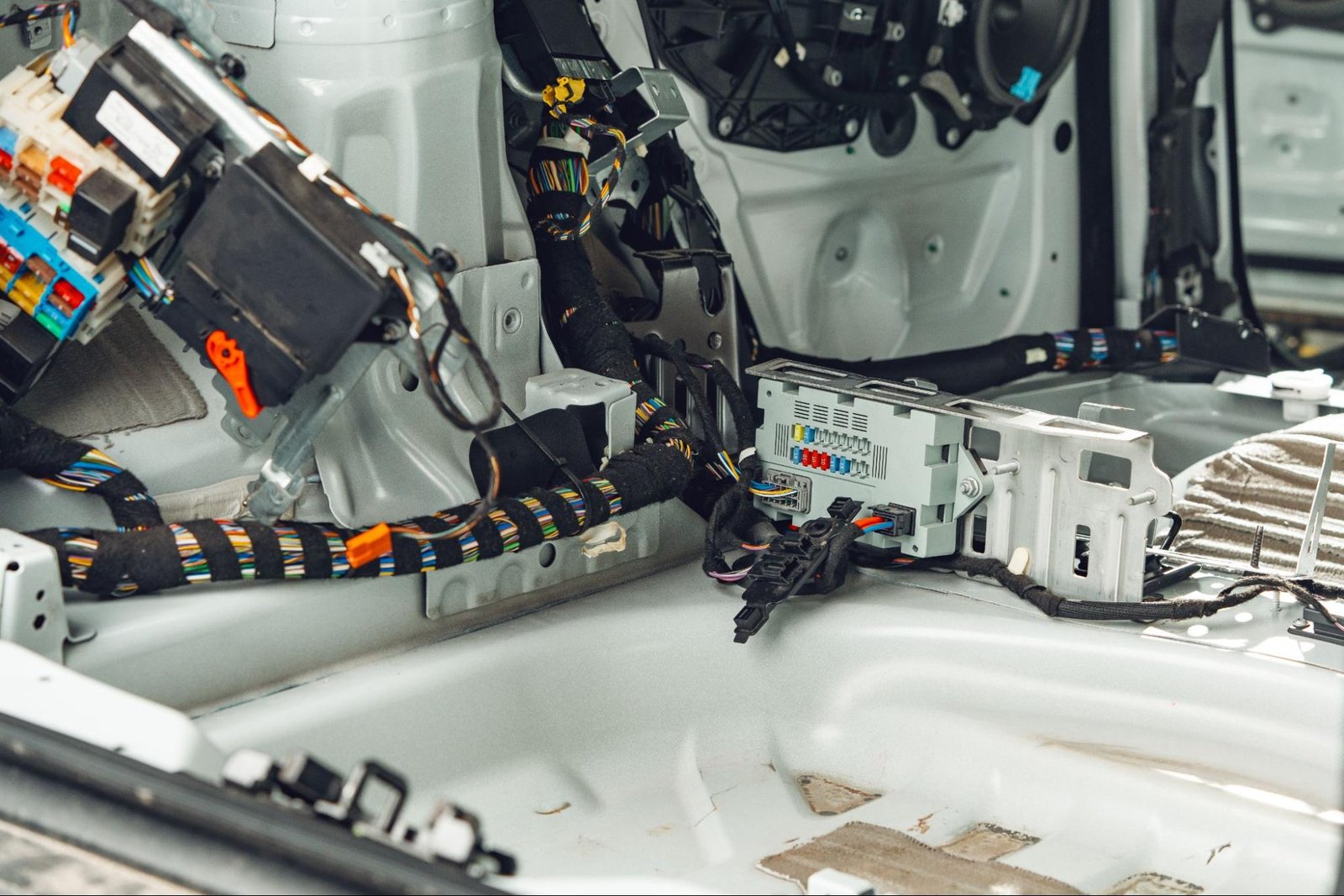
Next, examine the wiring and connectors. Look for damaged or loose wires near the transmission.
Corrosion can block signals from sensors. Unplug and clean the connectors to improve contact.
Check for broken or frayed wiring. Wiring issues often cause communication errors.
Fixing wiring can clear the P0700 code quickly.
Testing Sensors And Solenoids
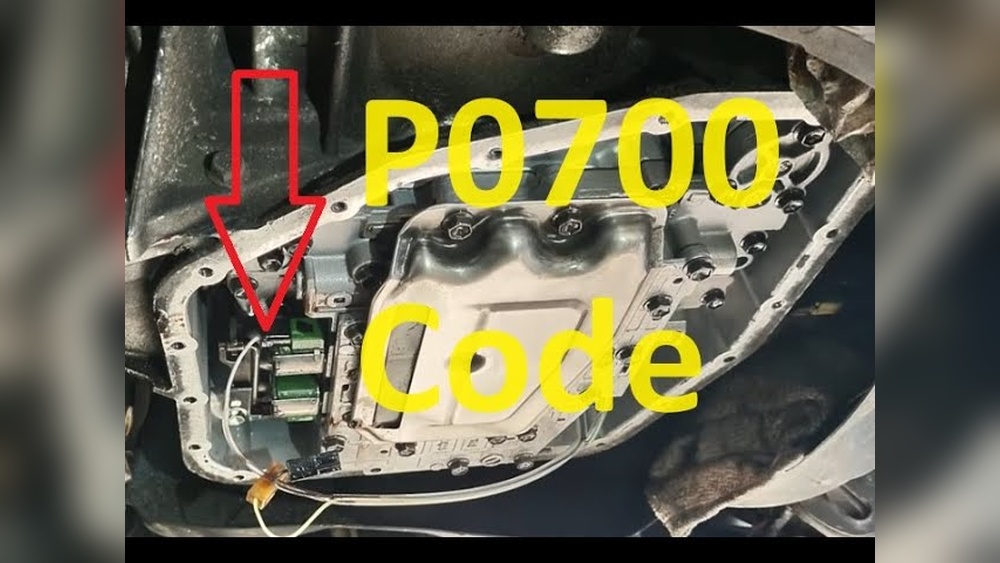
Test the transmission sensors and solenoids. The output shaft speed sensor is critical.
The transmission range sensor must also work properly. Faulty solenoids can cause shifting faults.
Use a scan tool to check sensor data. Replace any sensor or solenoid that fails the test.
Proper sensor function is key to smooth transmission shifts.
Common Causes
Preventive maintenance helps keep your Jeep running smoothly and avoids costly repairs. Taking small steps regularly can prevent the PO700 code from appearing.
This code often points to transmission issues that can be managed with routine care.
Simple checks and timely actions keep your transmission healthy. These tips focus on key areas to watch.
Follow them to reduce the risk of transmission problems.
Regular Fluid Checks And Changes
Check the transmission fluid level often. Low fluid can cause shifting problems and trigger the PO700 code.
The fluid should be clean and reddish in color. Dark or burnt fluid means it needs to be changed.
Change the fluid and filter according to your Jeep’s schedule. Fresh fluid helps your transmission work better and last longer.
Keeping Wiring Clean And Secure
Inspect the wiring around your transmission regularly. Dirt, corrosion, or loose wires can cause signal problems.
Clean the connectors gently with electrical cleaner. Tighten any loose wiring to avoid shorts.
Well-maintained wiring ensures the transmission control module gets accurate signals.
Scheduled System Diagnostics
Run diagnostic tests on your Jeep’s transmission system at set intervals. This helps find issues before they become serious.
Many shops offer transmission scans that detect sensor or solenoid faults early. Early detection saves money and prevents breakdowns.
Stay on top of your Jeep’s health with these checks.
Conclusion
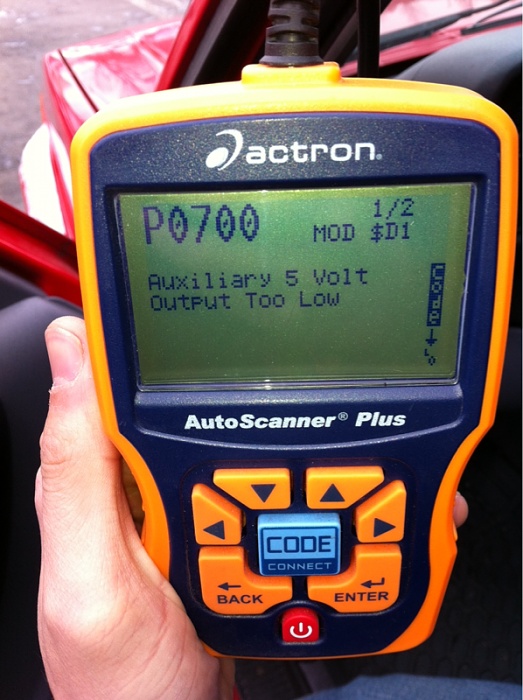
The PO700 code in Jeep signals a transmission problem that needs attention. Check the transmission fluid level and condition first.
Inspect wiring and connectors for damage or corrosion next. Fixing these issues can often clear the code and restore smooth shifting.
Ignoring the problem may lead to more serious transmission damage. Regular maintenance helps keep your Jeep running well.
Stay alert to warning lights and unusual shifting behavior. Addressing the PO700 code early saves time and money later.