If you’ve seen the P1698 code pop up on your Jeep’s dashboard, you’re probably wondering what it means and how it might affect your ride. This code points to a communication issue between your Transmission Control Module (TCM) and other key systems.
That might sound technical, but don’t worry you don’t have to be an expert to understand what’s going on.
You’ll learn what causes the P1698 code, how to spot the signs, and what simple steps you can take to fix it before it turns into a bigger problem.
Keep reading to take control of your Jeep’s performance and get back on the road with confidence.
P1698 Code Explained
The P1698 code on a Jeep points to a communication issue between the Powertrain Control Module (PCM) and the Transmission Control Module (TCM). This code signals that the two vital computer systems are not exchanging data correctly.
Such a failure can affect the vehicle’s performance and drivability.
Understanding the P1698 code helps in diagnosing the root cause quickly. The problem often lies in wiring, connectors, or the modules themselves.
Ignoring this code may lead to transmission problems or poor engine operation.
What Triggers P1698
Several factors can cause the P1698 code. Wiring problems are common, like broken or corroded wires between the PCM and TCM.
Loose or corroded grounds also disrupt communication. Low battery voltage or blown fuses can prevent the modules from working properly.
Sometimes, the TCM or PCM itself may fail and trigger this code.
Symptoms To Watch For
When P1698 occurs, the Jeep may show warning lights on the dashboard. The transmission might shift roughly or slip between gears.
The engine could hesitate or stall unexpectedly. In some cases, the vehicle may enter a “limp mode” to protect itself, limiting power and speed.
These symptoms indicate a need for prompt attention to avoid more damage.
Common Causes
The P1698 code on a Jeep often points to electrical and control system problems. Several common causes may trigger this issue.
Understanding these causes helps with quick diagnosis and repair. Below are the main sources of the P1698 trouble code.
Wiring Issues
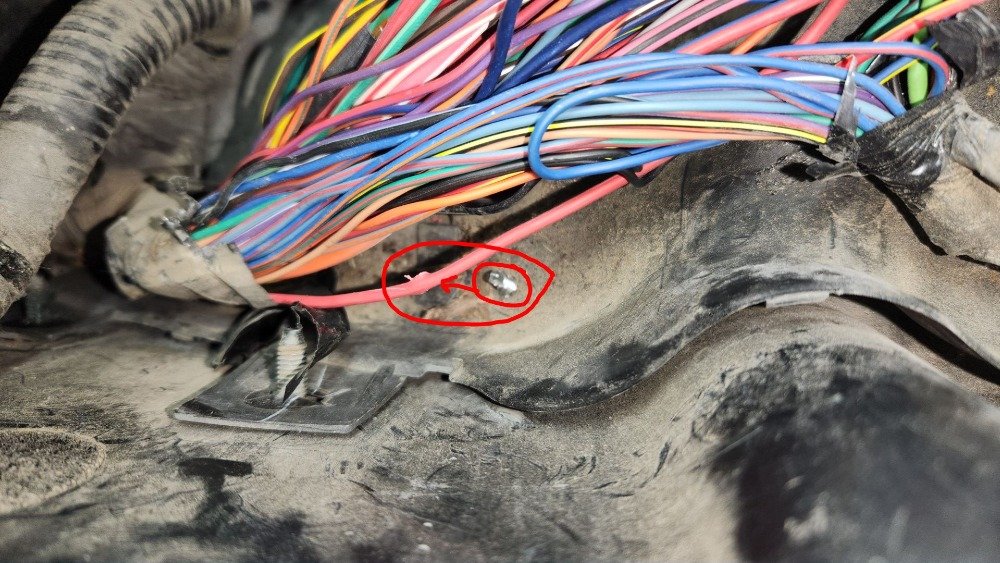
Wiring problems are frequent causes of the P1698 code. Frayed, broken, or corroded wires can disrupt signals.
This often happens in the wiring harness between the PCM and TCM. Damaged wiring may cause intermittent or no communication, leading to errors.
Bad Grounds
Bad grounds also cause trouble codes in Jeeps. Corroded or loose ground connections create poor electrical flow.
Common spots include the area behind the valve cover and near the battery. A weak ground can cause false signals or system failures.
Low Battery And Voltage Problems
Low battery voltage affects many Jeep systems. A dying battery or loose battery terminals reduce power supply.
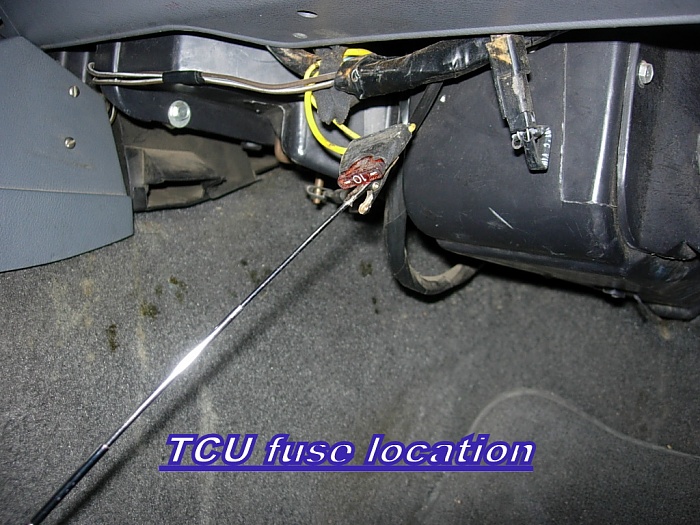
Blown fuses that feed power to the TCM are another issue. Low voltage can cause the control modules to malfunction.
Faulty Modules
Sometimes, the problem comes from faulty modules. A dead or failing TCM or PCM cannot process signals properly.
This causes the vehicle’s computer to store the P1698 code. Module failure may require testing or replacement to fix the issue.
Locating Key Components
Locating key components is important for diagnosing the P1698 Jeep code. Knowing where these parts are helps you inspect and fix issues quickly.
This section explains the main parts involved and their typical locations. It makes troubleshooting easier and saves time.
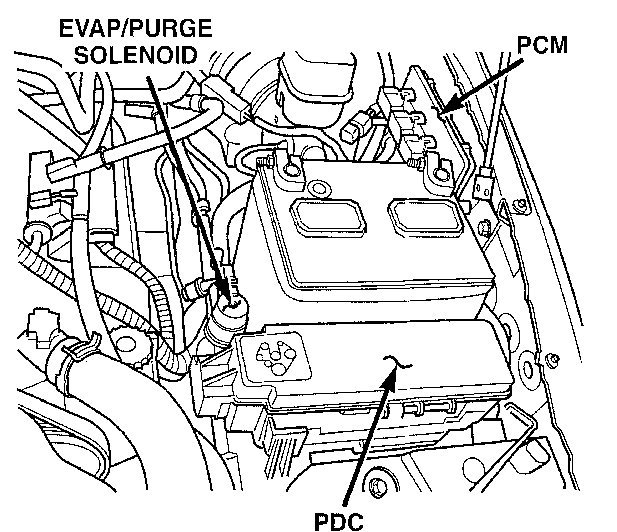
Understanding the position of the PCM, TCM, and speed sensor helps ensure proper checks. Each component plays a role in your Jeep’s performance.
Identifying their spots under the hood or inside the vehicle is the first step to repair.
Pcm And Tcm Locations
The Powertrain Control Module (PCM) controls the engine and transmission. In most Jeep models, the PCM sits near the battery or firewall.
It often hides under the hood, mounted on a metal bracket or near the air filter box.
The Transmission Control Module (TCM) manages gear shifts and transmission behavior. The TCM is usually close to the PCM or inside the transmission housing.
In some Jeep models, the TCM can be found under the center console or behind the dashboard.
Both modules have wiring connectors that link them to sensors and actuators. Inspect these connectors for damage or corrosion during your checks.
Speed Sensor Position
The speed sensor detects the vehicle’s speed and sends signals to the PCM and TCM. It is often located on the transmission or transfer case.
On many Jeep models, the sensor mounts near the output shaft or the rear of the transmission.
Some vehicles have multiple speed sensors, so check the one linked to the transmission speed. The sensor usually screws into a metal housing and has a wiring plug.
Dirt or damage here can cause errors like P1698.
Access the speed sensor by lifting the Jeep and removing any covers or guards. Clean the sensor area and inspect the wiring for faults. This step helps prevent speed-related code errors.
Step-by-step Diagnosis
Diagnosing the P1698 code in your Jeep requires a careful, step-by-step approach. This method helps identify the root cause without unnecessary guesswork.
Follow these clear steps to ensure a thorough check. Each step focuses on critical areas prone to issues.
Proper diagnosis saves time and money on repairs.
Visual Inspection Tips
Start by looking closely at the wiring harness and connectors. Check for damaged, melted, or frayed wires.
Look for corrosion or dirt on connector pins. Make sure no wires are pushed back or bent sharply.
Notice any signs of water damage or oil contamination. Clean any dirt or corrosion found. This step often reveals simple problems quickly.
Testing Battery And Grounds
Check the battery voltage using a multimeter. Ensure the battery terminals are clean and tight.
Test the main engine grounds, especially behind the valve cover. Loose or corroded grounds cause voltage drops.
Clean all ground connections and retighten them. A strong, stable battery and good grounds are essential for proper system function.
Checking Connectors And Wiring
Unplug and inspect all related connectors carefully. Look inside for bent or broken pins.
Clean connector pins with electrical contact cleaner spray. Re-seat connectors firmly after cleaning.
Examine wiring for breaks or shorts along the harness. Use a wiring diagram to trace suspect wires.
Secure any loose wires to avoid movement and damage.
Using Diagnostic Tools
Use an OBD-II scanner to read trouble codes and live data. Confirm P1698 and check for other related codes.
Test sensor signals and module communication. Check voltage and ground signals at connectors.
Some scanners allow module reprogramming or resets. Follow scanner instructions carefully for accurate readings.
Diagnostic tools speed up pinpointing the exact issue.
Quick Fixes
The P1698 code on a Jeep signals a communication problem between the Powertrain Control Module (PCM) and the Transmission Control Module (TCM). Some quick fixes can help solve this issue without a costly repair.
These simple steps often restore proper function and get your Jeep back on the road.
Cleaning And Securing Connections
Loose or dirty connections can cause the P1698 code. Start by locating the connectors between the PCM and TCM. Unplug them carefully.
Use electrical contact cleaner spray to clean the pins. Ensure all corrosion and dirt are removed. Let the connectors dry fully before reconnecting.
Push the connectors firmly back into place. Check that they are secure and do not wiggle. Poor contact can disrupt communication between modules.
Replacing Fuses
Fuses protect your vehicle’s electrical system. A blown fuse can break the link between the PCM and TCM.
Check the fuse box for any blown fuses related to these modules.
Use the owner’s manual to find the exact fuse locations. Replace any damaged fuses with the correct amperage rating.
Never use a fuse with a higher rating than recommended.
After replacing the fuse, test your Jeep to see if the code clears. A simple fuse swap can fix many electrical glitches quickly.
Resetting The System
Resetting the vehicle’s computer can clear temporary errors causing the P1698 code. Start by disconnecting the negative battery terminal.
Leave it disconnected for about 10 to 15 minutes.
This pause allows the system to reset fully. Reconnect the battery terminal and start the Jeep.
The system will reboot and may clear the fault code.
Drive the vehicle to check if the problem returns. Resetting is an easy step to try before more complex repairs.
Advanced Repairs
Advanced repairs for the P1698 Jeep code require precise work and attention to detail. This code often points to issues within the vehicle’s transmission control and engine systems.
Fixing it may involve dealing with complex parts like wiring harnesses and control modules.
Proper diagnosis and repair can restore your Jeep’s smooth operation. The following sections explain common advanced repair steps for this code.
Repairing Wiring Harness
The wiring harness connects the Transmission Control Module (TCM) and Powertrain Control Module (PCM). Damage like frayed or corroded wires can trigger the P1698 code.
Repairing the harness involves checking for broken wires or bad connections.
Begin by visually inspecting the harness for damage. Look for melted, chafed, or corroded wires.
Repair or replace any damaged sections with quality wiring. Ensure all connectors are clean and secure to maintain good electrical flow.
Replacing Tcm Or Pcm
A faulty Transmission Control Module (TCM) or Powertrain Control Module (PCM) can cause this error code. Testing these modules helps confirm if they need replacement.
Use a diagnostic scanner to check for module faults.
Replace the TCM or PCM only if tests confirm failure. Installing new modules requires careful handling and proper programming.
This step often resolves persistent P1698 issues and restores transmission control functions.
Professional Help Options
Advanced repairs on the P1698 Jeep code can be complex and technical. Professional mechanics have the tools and experience to diagnose and fix these problems accurately.
They ensure repairs meet factory standards and prevent further issues.
Consider visiting a certified Jeep service center or a trusted automotive repair shop. Professional help reduces risks and saves time, especially if you lack specialized tools or knowledge.
Accurate repair protects your Jeep’s performance and reliability.
Preventive Maintenance
Preventive maintenance plays a key role in avoiding the P1698 code in your Jeep. Regular care keeps the vehicle’s electronics and sensors working properly.
This lowers the risk of errors and costly repairs. Follow simple steps to maintain your Jeep’s health and ensure smooth driving.
Regular Inspection Tips
Inspect your Jeep’s wiring and connectors often. Look for signs of wear like frayed wires or corrosion.
Check that all plugs fit tightly. Clean any dirt or debris around electrical parts.
Early detection of damage can prevent bigger problems. Use a flashlight for a better view under the hood.
Battery Care
Keep your Jeep’s battery clean and fully charged. Check the terminals for corrosion or loose connections.
Clean terminals with a baking soda solution if needed. Replace the battery if it loses charge quickly.
Proper battery care ensures stable voltage to the vehicle’s systems.
Protecting Connectors
Protect connectors from moisture and dirt. Apply dielectric grease to connectors to prevent corrosion.
Avoid pulling on wires when disconnecting connectors. Secure wiring harnesses to prevent rubbing against sharp edges.
Well-maintained connectors help avoid communication errors in the control modules.
Conclusion
The P1698 Jeep code points to transmission communication issues. Check wiring, grounds, and connectors first.
Clean or tighten loose connections to fix many problems. Battery health also affects the system’s performance.
Replacing parts comes after simple fixes fail. Regular inspections keep your Jeep running smoothly.
Stay patient and methodical during diagnosis. Understanding this code helps prevent costly repairs.
Keep your Jeep reliable and safe on the road.