If you own a Jeep and recently saw the P1239 code pop up on your dashboard, you’re probably wondering what it means and how it affects your ride. This code points to an issue with your engine oil temperature, something that can impact how well your Jeep runs and how long it lasts.
But don’t worry; understanding this problem is the first step to fixing it. You’ll discover what the P1239 Jeep code is, why it happens, and what you can do to get your Jeep back on the road smoothly.
Keep reading to protect your engine and avoid costly repairs down the line.
Causes Of P1239 Code
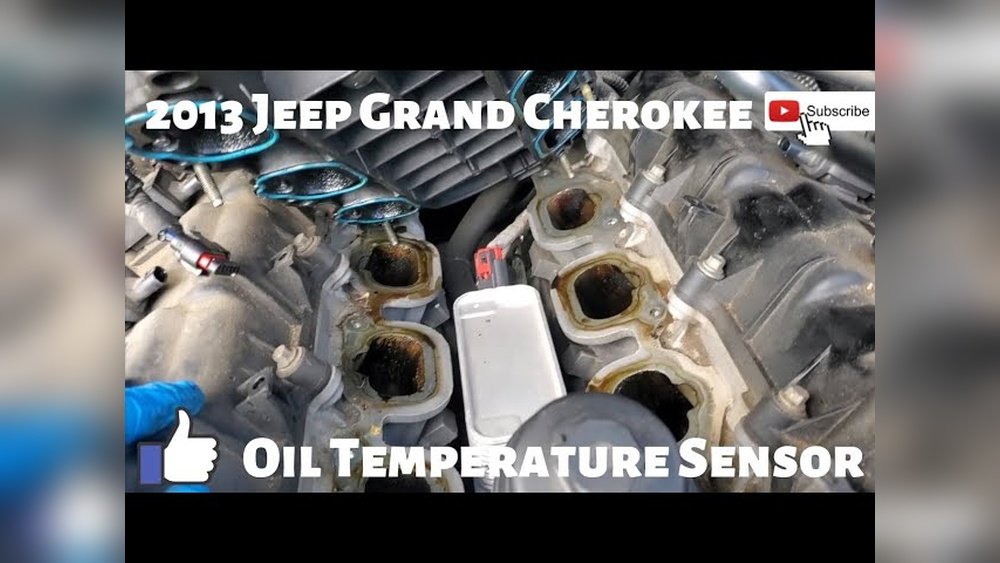
The P1239 code signals an issue with the engine oil temperature in your Jeep. This code means the engine oil temperature is too low or the sensor reading is incorrect.
Several reasons can trigger this code, from simple sensor faults to software glitches. Understanding these causes helps in fixing the problem quickly and avoiding engine damage.
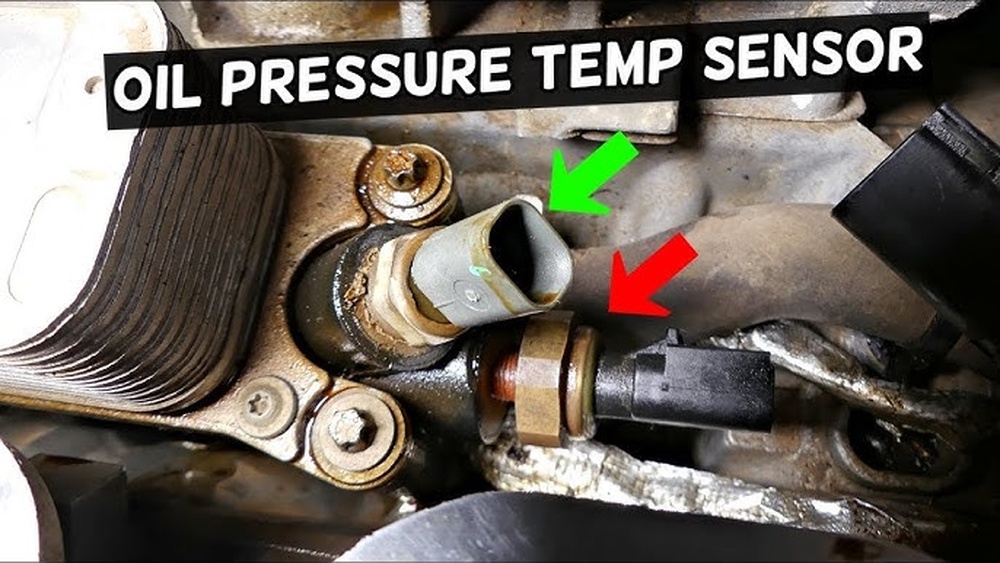
Faulty Oil Temperature Sensor
The oil temperature sensor measures the engine oil’s heat. A faulty sensor sends wrong data to the engine control unit.
This can cause the P1239 code to appear. Sensors can fail due to age, dirt, or internal damage. Replacing the sensor often solves the problem.
Wiring And Connector Issues
Wiring and connectors link the oil temperature sensor to the control module. Damage or corrosion in wires or connectors can disrupt the signal.
Loose or broken connections cause incorrect readings. Inspecting and repairing wiring can fix the P1239 code.
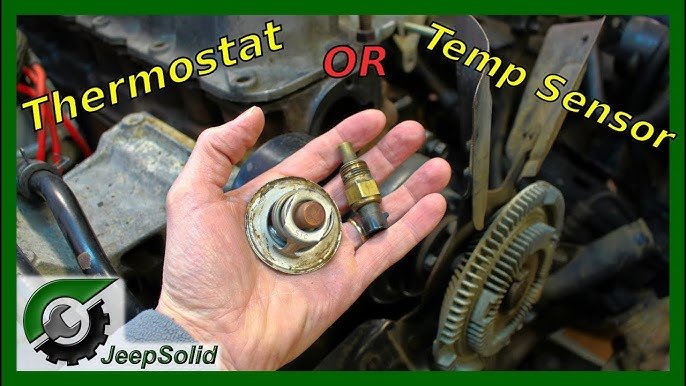
Stuck Thermostat
A stuck thermostat can prevent the engine from reaching its normal temperature. If the thermostat stays open, the engine runs cold, and oil temperature stays low.
This condition triggers the P1239 code. Replacing the thermostat restores proper engine temperature.
Cold Engine Starts
Cold starts cause the engine oil to be cooler than usual. If the engine has not warmed up, the oil temperature might stay low.
Frequent short trips and cold weather can lead to this issue. The P1239 code may appear during these times but can clear once the engine warms up.
Pcm Software Glitches
The powertrain control module (PCM) controls engine functions and reads sensor data. Software errors in the PCM can cause wrong oil temperature readings.
Updating or reprogramming the PCM software may fix the P1239 code. Visit a dealer or mechanic for this service.
Symptoms Of P1239 Code
Diagnosing the P1239 code in your Jeep quickly saves time and prevents further damage. This code signals that the engine oil temperature is too low, which can affect performance.
Acting fast helps pinpoint the issue and get your Jeep back on the road.
Using An Obd-ii Scanner
Start by connecting an OBD-II scanner to your Jeep’s diagnostic port. The scanner reads trouble codes and confirms the P1239 error.
It also shows live data to check engine oil temperature readings in real time. This step is fast and gives clear direction for repairs.
Inspecting Sensor And Wiring
Examine the engine oil temperature sensor closely. Look for cracks, corrosion, or loose connections.
Check the wiring harness for breaks or frayed wires. Damaged sensors or wiring cause false readings and trigger the P1239 code. Replace or repair any faulty parts found.
Checking Thermostat Operation
Test the thermostat to ensure it opens and closes properly. A stuck thermostat keeps the engine cold and prevents oil from warming up.
This causes the temperature sensor to read low. Replace the thermostat if it does not regulate temperature correctly.
Reviewing Engine Warm-up Times
Observe how long your engine takes to reach normal operating temperature. Cold weather or frequent short trips can keep oil temperature low.
Compare warm-up times to manufacturer specs. Extended cold running may cause the P1239 code without sensor failure.
Diagnosing P1239 Quickly
Simple fixes can often solve the P1239 Jeep code without costly repairs. These basic steps focus on common causes that you can check and address quickly.
Trying these methods first saves time and money.
Start with easy checks on sensors, wiring, and the thermostat. These parts often cause the P1239 error.
Small issues like dirt or corrosion can disrupt signals and trigger the code.
Cleaning Or Replacing The Sensor
The engine oil temperature sensor may get dirty or fail. Remove the sensor and clean it gently with a soft cloth. Dirt or grime can block accurate readings.
If cleaning does not help, replace the sensor with a quality part. A faulty sensor sends wrong information to the engine control unit. This causes the P1239 code to appear.
Repairing Corroded Wiring
Corrosion on wiring harnesses is common in older Jeeps. Check the wiring connected to the temperature sensor for rust or damage. Clean corroded areas with a contact cleaner.
Replace any broken wires or connectors. Good wiring ensures proper signal flow.
Repairing wiring fixes many sensor-related error codes like P1239.
Replacing A Stuck Thermostat
A stuck open thermostat prevents the engine from reaching the right temperature. This keeps the oil temperature too low.
Replace the thermostat if it does not close properly.
A new thermostat helps the engine warm up as it should. This stops false low temperature readings and removes the P1239 error.
Resetting The Pcm
The Powertrain Control Module (PCM) may need a reset. Disconnect the battery for about 15 minutes to clear stored codes. This resets the PCM memory.
After reconnecting, start the engine and check if the P1239 code returns. Resetting the PCM can clear glitches causing the error.
If the code stays, further diagnosis is needed.

Simple Fixes To Try
Knowing when to visit a mechanic for your Jeep’s P1239 code saves time and prevents damage. Some problems require professional tools and skills beyond home repairs.
Recognizing these situations helps keep your Jeep running smoothly. Here are key signs that it’s time to seek expert help.
Persistent Code After Diy Fixes
Sometimes, the P1239 code returns even after you try to fix it yourself. This persistence means the root issue might be deeper.
A mechanic can run thorough diagnostics to find hidden problems. They use advanced scanners to check all related systems.
Avoid guessing and risking more damage by getting a professional check.
Complex Wiring Problems
The P1239 code often relates to wiring or sensor faults. Complex wiring issues can be hard to spot without experience.
Corroded or damaged wires cause errors that simple fixes can’t solve. Mechanics have tools to test wiring continuity and resistance.
They can safely repair or replace faulty wiring to restore system function.
Pcm Reflashing Needs
The Powertrain Control Module (PCM) controls engine functions. Sometimes, the P1239 code is due to outdated or corrupted software.
Reflashing the PCM updates its software to fix errors. This process requires special equipment and factory software access.
Mechanics can perform this safely, ensuring your Jeep operates correctly.
Dealing With Recurring Issues
Recurring P1239 codes indicate an unresolved problem affecting your Jeep’s performance. Multiple repairs without success suggest professional intervention is needed.
Mechanics can inspect all related components thoroughly. They identify and fix issues causing repeated error codes.
This approach prevents future breakdowns and saves money long term.
Conclusion
The P1239 code signals a low engine oil temperature issue in your Jeep. Often, a faulty sensor or thermostat causes this problem.
Checking the sensor and wiring can help find the root cause. Sometimes, the engine computer needs an update or reset at a dealership.
Addressing this code early prevents bigger engine troubles later. Keep your Jeep running smoothly by staying aware of these signs.
Regular maintenance helps avoid unexpected breakdowns. Understanding P1239 saves time and repair costs.
Stay informed and act promptly for a reliable Jeep.