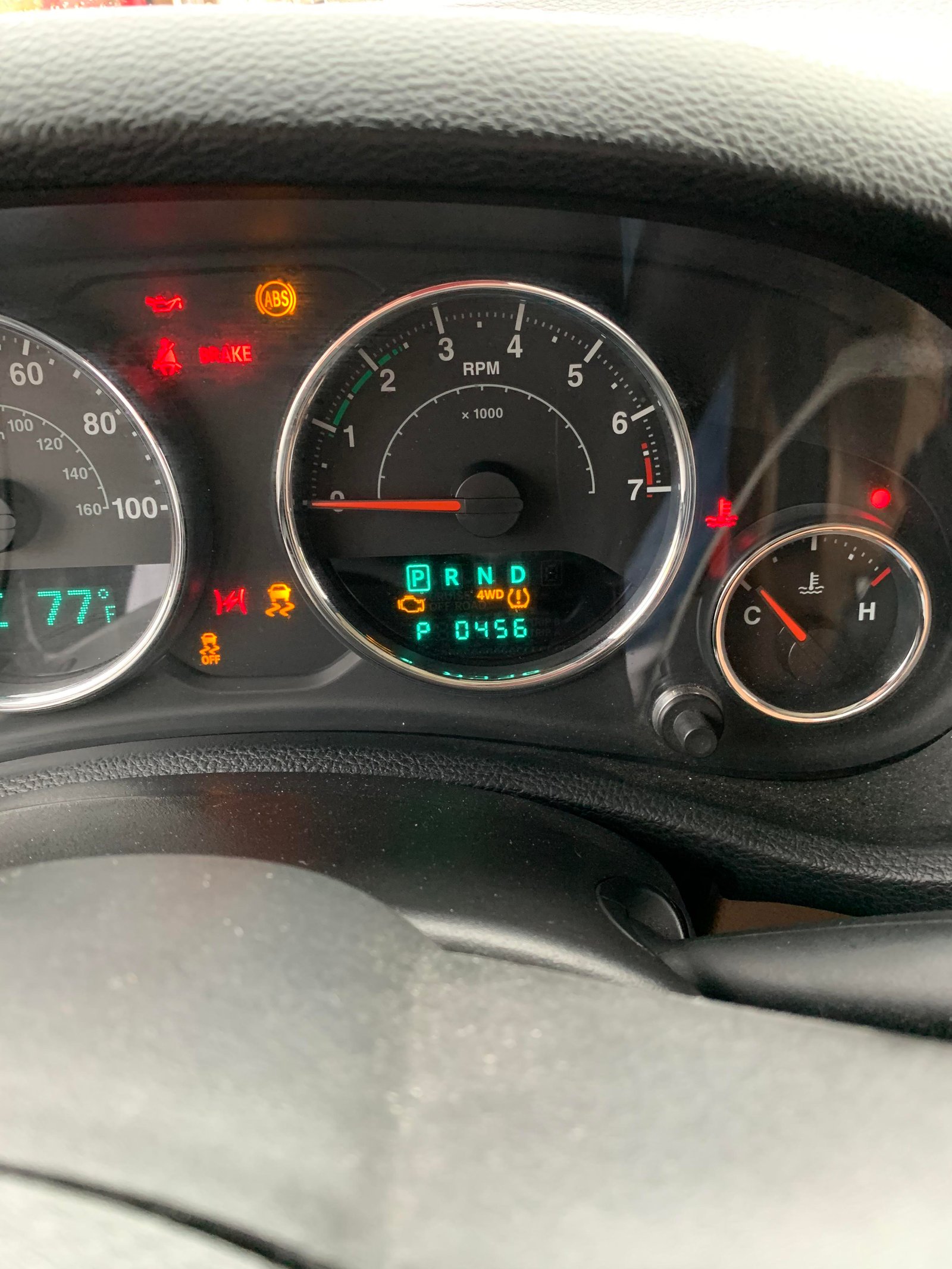
If you’ve seen the P0456 code pop up on your Jeep JK’s dashboard, you’re probably wondering what it means and how serious it is. This code signals a small leak in your Jeep’s EVAP (Evaporative Emission) system.
While it might sound alarming, it doesn’t usually affect your engine’s performance right away. But ignoring it can lead to bigger issues down the road, costing you more time and money.
You’ll learn exactly what causes the P0456 code, how to spot the most common leaks, and easy steps you can take to fix it yourself.
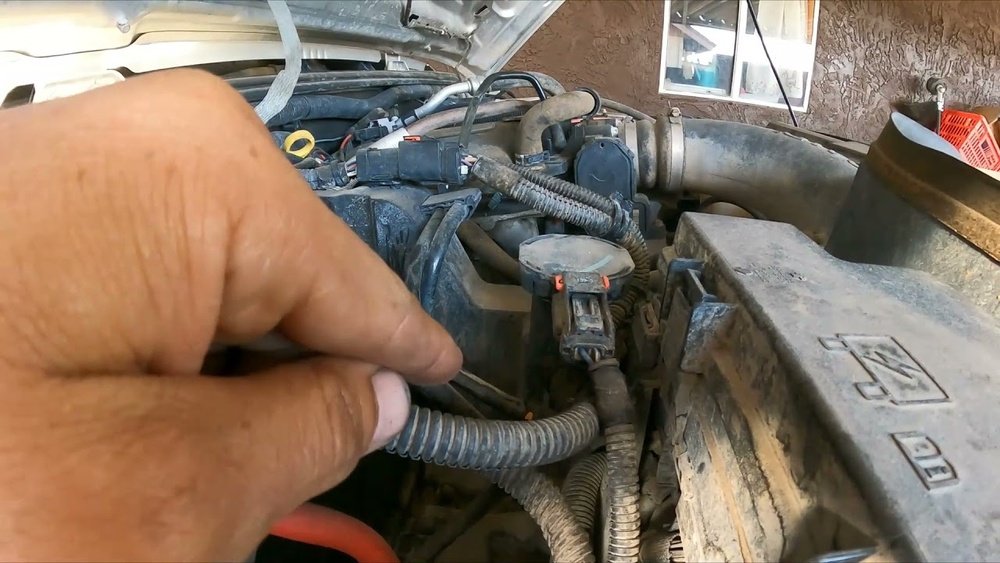
Keep reading to make sure your Jeep stays in top shape without breaking the bank on repairs.
P0456 Code Basics
The P0456 code in a Jeep JK means there is a small leak in the EVAP system. The EVAP system stops fuel vapors from escaping into the air.
This code signals a tiny leak or a loose cap. It does not mean a major engine problem.
Understanding this code helps Jeep owners fix the issue quickly. A small leak can cause the check engine light to come on.
The Jeep JK may still run normally but needs attention to avoid bigger problems.
What Triggers P0456
The P0456 code triggers when the EVAP system detects a leak smaller than 0.020 inches. Common causes include a loose gas cap or a cracked hose.
Dirt or damage on the cap seal can also cause this code.
Other triggers are a faulty EVAP purge valve or a damaged charcoal canister. Sometimes, electrical issues or a weak battery can falsely trigger this code.
Checking these parts helps find the leak fast.
Impact On Jeep Jk Performance
This code does not affect Jeep JK engine power or fuel economy. The vehicle will run as usual without noticeable changes.
The main effect is the check engine light staying on.
Ignoring the code may lead to failed emissions tests. Over time, small leaks can cause more damage to the EVAP system.
Fixing the leak keeps the Jeep running clean and prevents bigger repairs.
Common Leak Sources
The P0456 code on a Jeep JK signals a small leak in the EVAP system. Finding the source of this leak is key to fixing the issue.
The EVAP system stops fuel vapors from escaping into the air. Several parts can cause leaks that trigger this code.
Understanding common leak sources helps save time and money on repairs.
Gas Cap Issues
A loose or damaged gas cap often causes the P0456 code. The gas cap seals the fuel tank and keeps vapors inside.
If it is cracked or not tightened properly, vapors can leak out. Check the gas cap for cracks or worn seals.
Tighten it until it clicks firmly. Replacing a faulty gas cap is a simple and cheap fix.
Cracked Evap Lines
EVAP lines carry fuel vapors from the tank to the engine. These plastic or rubber lines can crack over time.
Cracks allow vapor to escape, triggering the leak code. Inspect the EVAP lines for visible damage or brittleness.
Replace any cracked or brittle lines promptly. This repair often clears the P0456 code quickly.
Faulty Esim Module
The ESIM (Evaporative System Integrity Monitor) module checks the EVAP system for leaks. This small electronic device sits near the charcoal canister.
If the ESIM fails, it may falsely detect leaks. Testing or replacing the ESIM module can solve persistent P0456 codes.
This repair may require professional help due to location and wiring.
Damaged Vacuum Hoses
Vacuum hoses link different EVAP system parts. These hoses can crack, break, or disconnect.
Any damage causes leaks and sets off the P0456 code. Look for loose or broken hoses near the fuel tank and charcoal canister.
Replacing damaged vacuum hoses restores system integrity and stops vapor leaks.
Quick Home Fixes
Fixing a P0456 code on your Jeep JK often starts with simple checks you can do at home. These quick fixes may save you a trip to the mechanic.
They focus on common causes that trigger this error. Each step is easy to follow and requires minimal tools.
Checking And Tightening Gas Cap
The gas cap is a common cause of the P0456 code. A loose or cracked gas cap lets fuel vapors escape.
Start by removing the gas cap and inspecting it for damage. Tighten the cap firmly until it clicks several times.
If the cap looks worn or cracked, replace it with a new one. After tightening or replacing, reset the check engine light by driving your Jeep for a few miles.
Inspecting And Repairing Evap Hoses
EVAP hoses carry fuel vapors to the charcoal canister. These hoses can crack or disconnect over time.
Look under your Jeep for any damaged or loose hoses near the fuel tank and engine. Carefully feel along the hoses for soft spots or cracks.
Reconnect any loose hoses and replace damaged ones with new hoses of the same size. Use zip ties to secure hoses if needed.
This simple step often stops small leaks that cause the P0456 code.
Battery And Electrical Checks
Low battery voltage can trigger false EVAP codes like P0456. Begin by checking the battery terminals for corrosion or loose connections.
Clean the terminals with a wire brush if needed. Use a multimeter to test the battery voltage; it should read around 12.6 volts when the engine is off.
If the voltage is low, charge or replace the battery. Strong battery power helps the EVAP system run correctly and avoid false error codes.
Using Smoke Tests
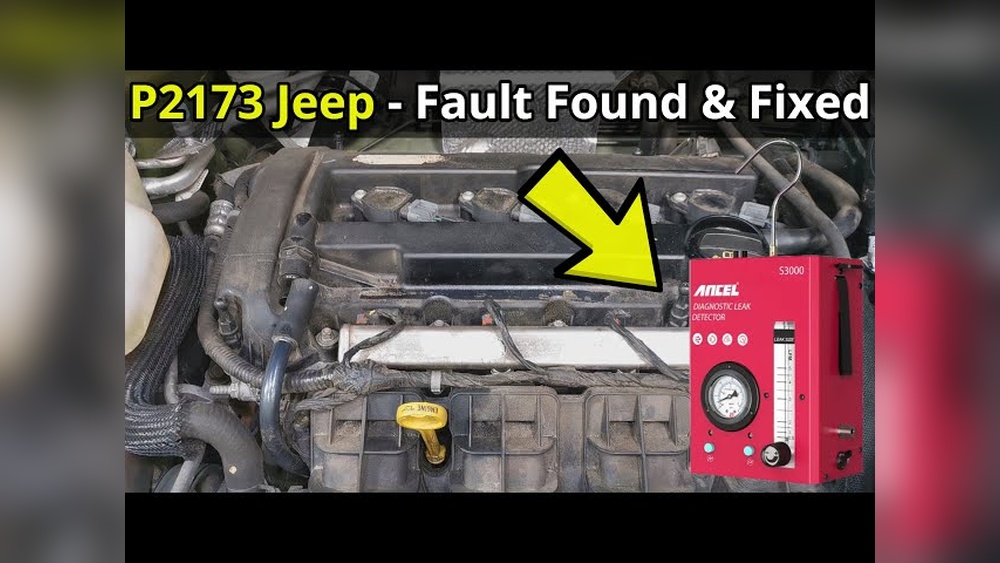
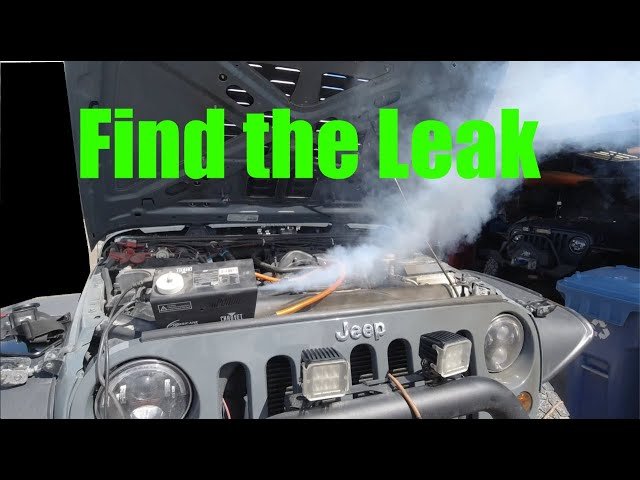
Using smoke tests offers a clear way to find leaks causing the P0456 code on a Jeep JK. This test pushes smoke into the EVAP system.
Smoke escapes from any tiny cracks or holes, making leaks easy to spot. Mechanics often use this method because it is fast and reliable.
Car owners can also do this test at home with the right tools.
Diy Smoke Test Tools
Several smoke test kits are made for DIY repairs. These kits include a smoke machine and hoses.
The machine pumps smoke into the EVAP system through the gas cap or vacuum line. Smoke leaks show where the system is broken.
Kits vary in price but offer a good value for Jeep owners. Using these tools saves money by avoiding costly shop visits.
Simple kits use a handheld smoke generator. More advanced models plug into a power source.
Both types work well on the Jeep JK’s EVAP system. Make sure to follow safety steps when handling smoke machines. Always test in a well-ventilated area.
Locating Hard-to-find Leaks
Smoke tests reveal leaks hidden from the eye. Small cracks in hoses or loose fittings often cause the P0456 code.
Smoke escapes from these spots, pinpointing the problem. Hard-to-find leaks might be near the fuel tank or charcoal canister.
The Jeep JK has many tight spaces where leaks hide.
Using smoke helps locate leaks under the vehicle or inside engine compartments. The smoke color stands out against engine parts.
This makes it easier to see even the tiniest leaks. Once found, repairs become straightforward and accurate.
Smoke testing cuts guesswork and helps keep your Jeep JK running clean.
Esim Module Replacement
The ESIM module in your Jeep JK plays a key role in monitoring the EVAP system. It helps detect leaks that trigger the P0456 code.
Replacing the ESIM module can fix persistent small leaks. This keeps your Jeep running clean and your check engine light off.
Replacing the ESIM requires attention to detail. Knowing the signs of failure helps diagnose the issue.
Following clear steps ensures the replacement is done correctly. This saves time and money on repairs.
Signs Of Esim Failure
One common sign is the P0456 trouble code on your dashboard. This code means a very small EVAP leak.
The ESIM module may fail to seal properly or lose pressure.
You might notice your check engine light stays on after fixing other leaks. The fuel smell near the rear passenger side can also signal ESIM issues.
Sometimes, the vehicle may fail emissions tests due to this fault.
Step-by-step Replacement Tips
Start by disconnecting the Jeep’s battery to avoid electrical problems. Locate the ESIM module near the charcoal canister behind the rear passenger wheel.
Remove any clips or zip ties holding the module and hoses.
Carefully detach the hoses connected to the ESIM module. Avoid damaging the plastic tips on the hoses. Unbolt the module from its mounting point.
Install the new ESIM module by reversing the removal steps. Secure the hoses and clips firmly.
Reconnect the battery and clear the trouble codes with an OBD2 scanner.
Test drive your Jeep to ensure the check engine light stays off. This confirms a successful ESIM module replacement.
When To Seek Professional Help
Knowing when to seek professional help for the P0456 code on your Jeep JK is essential. This code signals a small leak in the EVAP system.
Some issues are simple to fix at home. Others need expert diagnosis and repair.
Choosing the right time to get help saves time and money.
Complex Leak Diagnoses
Some leaks are hard to find. They hide in small hoses or near the fuel tank.
Special tools are needed to detect these leaks. Professionals use smoke tests and pressure checks.
They can spot issues that are invisible to most drivers. Trying to fix complex leaks yourself may cause more damage.
Avoiding Costly Repairs
Ignoring the P0456 code can lead to bigger problems. A small leak can turn into a large one.
This may affect your Jeep’s fuel system. Repairing major damage costs much more.
Early professional checks stop small leaks from growing. This keeps your Jeep running well and saves money.
Maintaining Your Evap System
Maintaining your EVAP system in a Jeep JK helps prevent error codes like P0456. This code signals a small leak in the system that controls fuel vapor emissions.
Keeping the EVAP system in good condition reduces emissions and keeps your Jeep running smoothly. Regular care also avoids costly repairs and improves fuel efficiency.
Routine Inspections
Check the EVAP system regularly for any visible damage or wear. Look at hoses and connections for cracks or loose fittings.
Inspect the gas cap to ensure it seals tightly. A damaged gas cap often causes EVAP system leaks.
Listen for hissing sounds around the fuel tank area, which may indicate leaks.
Use a diagnostic scan tool to read any stored trouble codes. Address any warning lights on the dashboard immediately.
Early detection of problems helps prevent bigger issues later.
Preventive Measures
Replace worn or cracked hoses promptly to stop leaks. Use only a factory-approved gas cap designed for your Jeep JK.
Avoid overfilling the fuel tank, as this can damage the EVAP system. Keep the fuel tank clean and free from debris.
Schedule regular maintenance checks with a trusted mechanic. They can perform smoke tests to find hidden leaks in the EVAP system.
Preventive care extends the life of your Jeep and keeps emissions low.

Conclusion
The P0456 code on your Jeep JK signals a small EVAP system leak. It rarely affects engine performance but keeps the check engine light on.
Simple checks, like inspecting hoses and battery connections, often solve the issue. Knowing common leak spots helps you fix it at home.
If the problem persists, a professional diagnosis may be needed. Staying on top of this keeps your Jeep running smoothly and emissions low.
Don’t ignore the code it’s a small problem that’s easy to fix early.