If you’ve noticed the P0440 code flashing on your Jeep Grand Cherokee’s dashboard, you’re probably wondering what it means and how it affects your vehicle. This code points to a problem with your car’s evaporative emission control system, essentially, the system that prevents harmful fuel vapors from escaping into the air.
Ignoring this issue can lead to decreased fuel efficiency, unpleasant smells, or even failing an emissions test. But don’t worry; understanding what triggers the P0440 code and how to fix it can save you time, money, and stress.
Keep reading to learn exactly what’s going on under the hood and what steps you can take to get your Jeep running smoothly again.

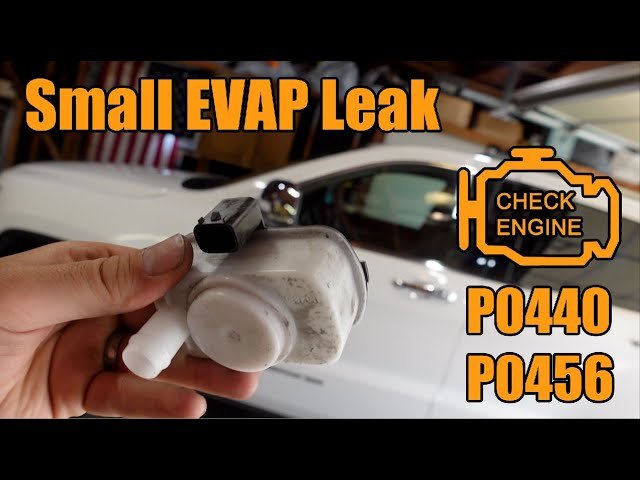
Jeep Grand Cherokee P0440 Code
Diagnosing the P0440 code in your Jeep Grand Cherokee requires careful checks. This code points to a problem in the EVAP system. The EVAP system stops fuel vapors from escaping into the air. Identifying the cause early helps avoid costly repairs.
Start with simple checks, then move to parts needing more attention. Each step narrows down the possible issues.
Follow these methods to find the fault accurately.
Visual Inspection Of Evap Lines
Look closely at the EVAP lines under the hood. These rubber hoses carry fuel vapors to the charcoal canister.
Check for cracks, holes, or loose connections. Damaged lines let vapors escape and trigger the P0440 code.
Replace any worn or broken hoses promptly. Make sure all clamps are tight to avoid leaks.
Checking The Gas Cap
The gas cap seals the fuel tank and keeps pressure inside. A loose or faulty gas cap often causes the P0440 error.
Remove the cap and check its seal for cracks or damage. Tighten the cap until it clicks several times.
If the code stays after tightening, try replacing the gas cap with a new one. This simple fix often solves the problem.
Locating And Inspecting The Esim Module
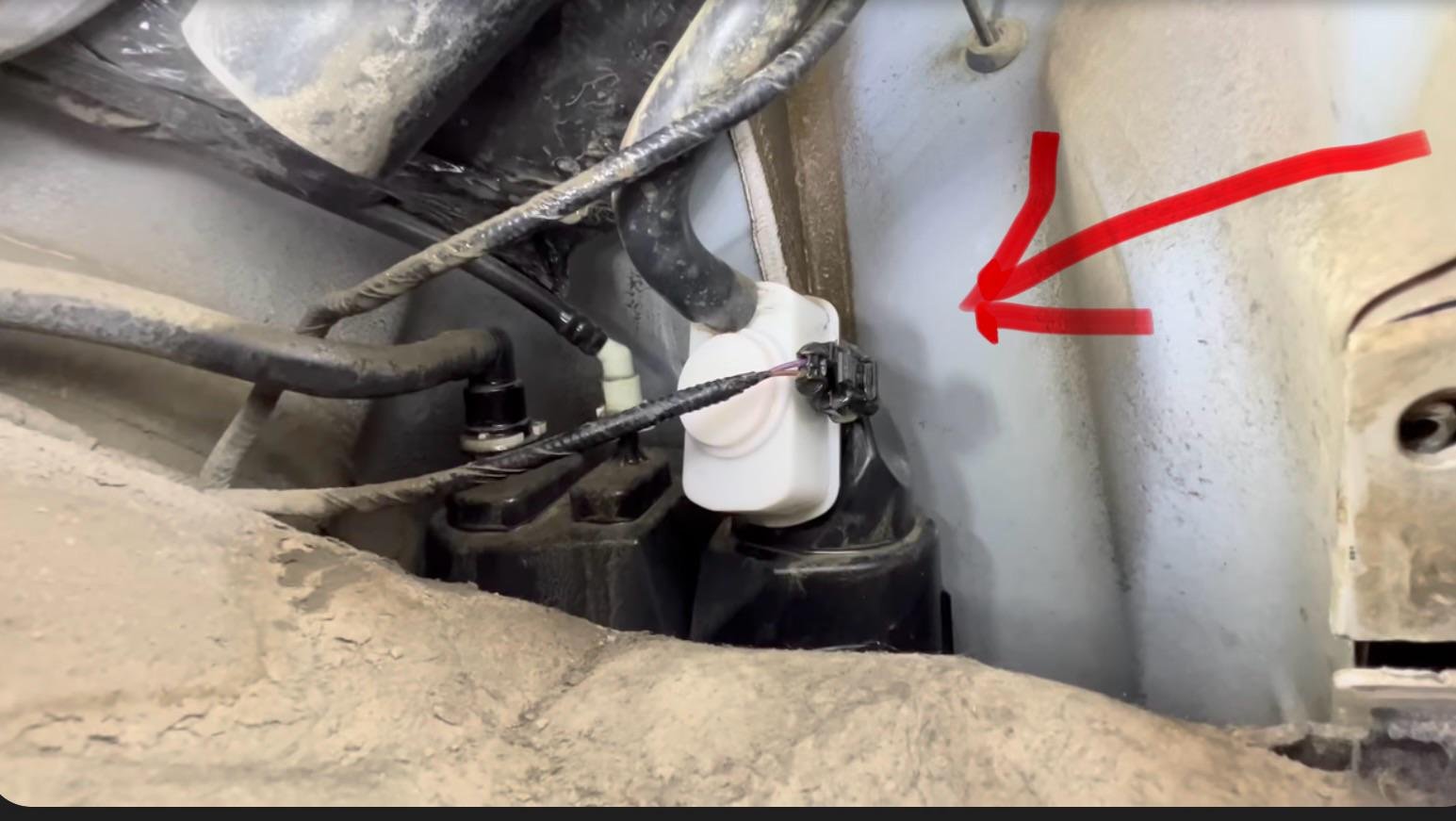
The ESIM module monitors the EVAP system’s integrity. It is near the charcoal canister, usually behind the driver’s side rear wheel.
Inspect the ESIM and its O-ring for damage or wear. A failing ESIM cannot hold pressure or read the system correctly.
Replace the module if you find cracks or signs of failure. This step is key to fixing persistent P0440 codes.
Testing Purge And Vent Valves
The purge and vent valves control vapor flow in the EVAP system. The purge valve sits near the engine, and the vent valve is usually close to the canister.
Use a multimeter to test their electrical resistance. Check if they open and close smoothly by hand or with a vacuum pump.
Faulty valves can stick open or closed, causing leaks. Replace any valve that fails these tests to clear the P0440 code.

Evap System Basics
Dealing with the P0440 code on your Jeep Grand Cherokee can feel overwhelming. The good news? Many fixes are simple and do not require a mechanic. These straightforward steps often solve the problem quickly. Start with easy checks before moving to more complex repairs. This can save time and money while keeping your vehicle running smoothly.
Tightening Or Replacing The Gas Cap
A loose or damaged gas cap is the most common cause of the P0440 code. Tighten the gas cap until you hear it click.
This ensures a proper seal to prevent fuel vapors from escaping. If the cap looks worn or cracked, replace it with a new one.
This small fix often clears the error and stops the warning light.
Replacing Faulty Valves
The EVAP system uses valves to control vapor flow. These valves can stick or fail over time.
The purge valve or vent valve may stop working correctly. Test the valves for proper operation and replace any that do not open or close as they should.
New valves restore proper pressure and stop leaks in the system.
Repairing Or Replacing Damaged Hoses
Check all hoses connected to the EVAP system for cracks or holes. Damaged hoses let vapors escape, triggering the P0440 code.
Replace any brittle, cracked, or broken hoses. Secure loose hose connections tightly.
Healthy hoses maintain the system’s pressure and prevent leaks.
Replacing The Esim Module
The ESIM module monitors the EVAP system’s integrity. It sits near the charcoal canister, often behind the driver’s side rear wheel.
A faulty ESIM or its O-ring seal can cause pressure reading errors. Replace the ESIM module if tests show it is defective.
A new module ensures accurate system monitoring and fixes the code.
Typical Causes For P0440
Preventing future EVAP codes on your Jeep Grand Cherokee keeps your vehicle running smoothly. The EVAP system controls harmful fuel vapors.
Problems here cause error codes like P0440. Regular care helps avoid these issues. Small efforts save time and money later.
Regular Maintenance Tips
Check your gas cap often. A loose or damaged cap causes many EVAP errors.
Tighten it until it clicks. Replace it if the seal looks worn or cracked.
Keep your fuel system clean. Dirt and debris can block EVAP valves.
Use quality fuel to reduce buildup. Follow your Jeep’s maintenance schedule strictly.
Replace filters and inspect hoses regularly. Promptly fix any warning lights or unusual smells.
Inspecting Evap Components Periodically
Look over EVAP parts every few months. Check hoses for cracks or loose connections.
Inspect the charcoal canister for damage. Make sure purge and vent valves open and close smoothly.
Test the ESIM sensor if your model has one. Faulty sensors cause false EVAP codes.
Use a scan tool to monitor system pressure. Catch small leaks before they grow.
Early detection stops codes from returning. Keep records of your inspections and repairs.
This helps track issues and maintain system health.
Conclusion
The P0440 code in a Jeep Grand Cherokee signals an EVAP system issue. Start by checking the gas cap for tightness or damage.
Inspect hoses and valves for cracks or leaks next. Addressing these simple fixes often resolves the problem quickly.
Ignoring the code can lead to poor fuel economy or failed emissions tests. Stay proactive and keep your vehicle running smoothly.
Regular checks help avoid costly repairs later. Understanding the basics makes troubleshooting easier and safer.