If you’ve just seen the P0420 code pop up on your Jeep Patriot’s dashboard, you’re probably wondering what it means and how serious it is. This code signals that your vehicle’s catalytic converter isn’t working as efficiently as it should.
Ignoring it might lead to bigger problems down the road, like poor fuel economy or failing an emissions test. But don’t worry understanding what causes the P0420 code and knowing how to fix it can save you time and money.
Keep reading to learn what this code means for your Jeep Patriot and the steps you can take to get your ride back in top shape.
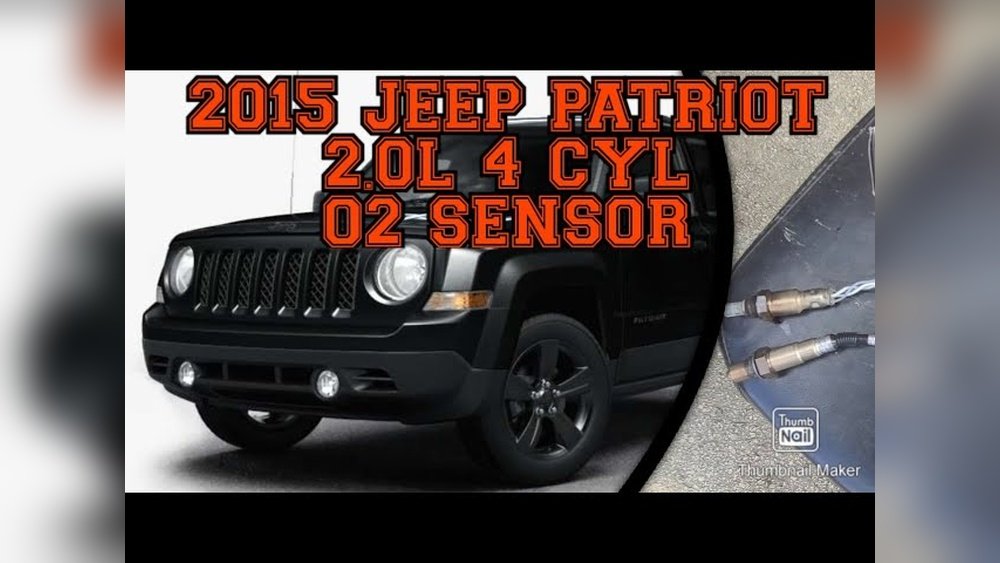

P0420 Code Basics
The P0420 code is a common trouble code for Jeep Patriot owners. It signals a problem with the catalytic converter’s efficiency.
This part helps reduce harmful emissions from the engine. When it does not work well, the vehicle’s emission levels rise.
This code appears in the engine control module (ECM) when the system detects low efficiency. It means the catalytic converter is not cleaning the exhaust gases properly.
Understanding the basics of the P0420 code helps in diagnosing and fixing the issue faster.
What Triggers The Code
The P0420 code triggers when the oxygen sensors detect a drop in catalytic converter efficiency. The sensors measure oxygen levels before and after the converter.
If the readings show little difference, the ECM suspects a problem. Common causes include a damaged catalytic converter, exhaust leaks, or faulty oxygen sensors.
Engine misfires and poor fuel mixtures can also cause this code.
Symptoms In Jeep Patriot
Several symptoms can appear with the P0420 code in a Jeep Patriot. The check engine light turns on and stays lit.
Fuel efficiency may drop noticeably. The engine might run rough or hesitate during acceleration.
Some owners notice a loss of power or strange exhaust smells. These signs suggest the catalytic converter needs inspection or repair.
Common Causes
The P0420 code on a Jeep Patriot signals that the catalytic converter is not working well. This code appears when the converter’s efficiency drops below a set limit.
Several issues can cause this problem. Understanding these common causes helps in accurate diagnosis and repair.
Exhaust Leaks
Exhaust leaks let extra air enter the exhaust system. These leaks can happen at the manifold, pipes, or where the catalytic converter connects.
Unmetered air changes the oxygen sensor readings. This false reading triggers the P0420 code. Fixing leaks often clears the code quickly.
Faulty Catalytic Converter
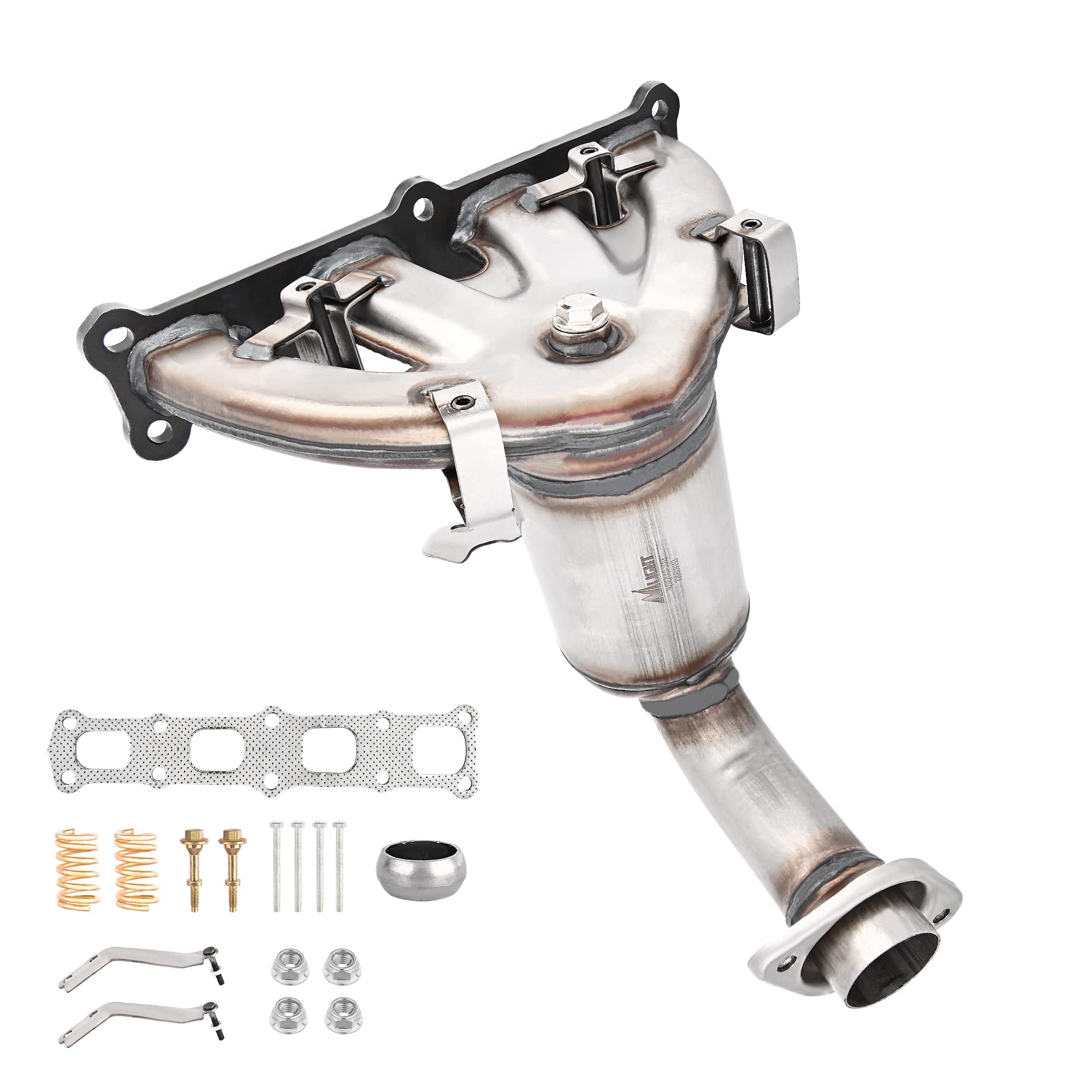
The catalytic converter breaks down harmful gases into less harmful ones. Over time, it can wear out or get clogged.
A bad converter lowers efficiency and causes the P0420 code. Damage from road debris or engine problems can also harm the converter.
Replacement may be needed if cleaning does not help.
Oxygen Sensor Issues
Oxygen sensors monitor the exhaust gas before and after the catalytic converter. If a sensor fails or gives wrong data, the engine control unit thinks the converter is failing.
Dirty or old sensors often cause this problem. Testing and replacing faulty sensors can fix the code.
Engine Performance Problems
Engine issues affect exhaust quality and harm the catalytic converter. Misfires, poor fuel mixture, or bad spark plugs cause unburned fuel to enter the exhaust.
This damages the converter and lowers its efficiency. Fixing engine problems helps prevent the P0420 code from returning.
Diagnosing The P0420 Code
Diagnosing the P0420 code in a Jeep Patriot requires careful steps to find the root cause. This code signals that the catalytic converter is not working efficiently.
Proper diagnosis helps avoid unnecessary repairs and saves money. Follow these simple methods to identify the problem accurately.
Using An Obd-ii Scanner
Connect an OBD-II scanner to the Jeep’s diagnostic port. Read the trouble codes stored in the computer.
The P0420 code indicates catalyst efficiency issues. Check if other codes appear too.
Clear the codes and drive the vehicle. See if the code returns, confirming the problem.
Visual Inspection Tips
Look under the Jeep for exhaust damage. Check for cracks or holes in the exhaust pipes.
Inspect the catalytic converter and its flanges closely. Look for rust or loose connections.
Any visible damage can cause air leaks and trigger the code.
Testing Oxygen Sensors
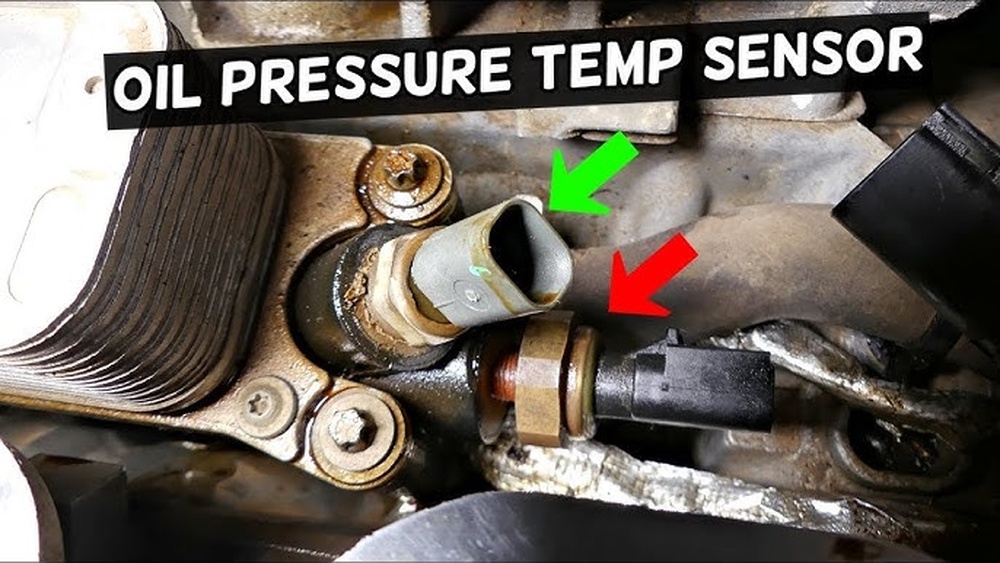
Test the upstream and downstream oxygen sensors. Use a multimeter or scan tool to check sensor voltage.
Sensors should respond quickly to changes in air-fuel mixture. Slow or no response means a faulty sensor. Replace bad sensors to restore proper readings.
Checking Exhaust System
Inspect the entire exhaust system carefully. Look for leaks at the manifold, pipes, and converter.
Listen for unusual sounds like hissing or popping. Tighten loose bolts and repair cracks.
Leaks can let air in and cause false sensor readings.
Fixing Exhaust Leaks
Fixing exhaust leaks is essential to resolve the P0420 code in a Jeep Patriot. Leaks allow air to enter the exhaust system, causing incorrect oxygen sensor readings.
This error triggers the check engine light and reduces the catalytic converter’s efficiency. Repairing these leaks restores proper exhaust flow and improves vehicle performance.
Locating Leaks
Start by visually inspecting the exhaust manifold, pipes, and catalytic converter flanges. Look for cracks, holes, or rust spots.
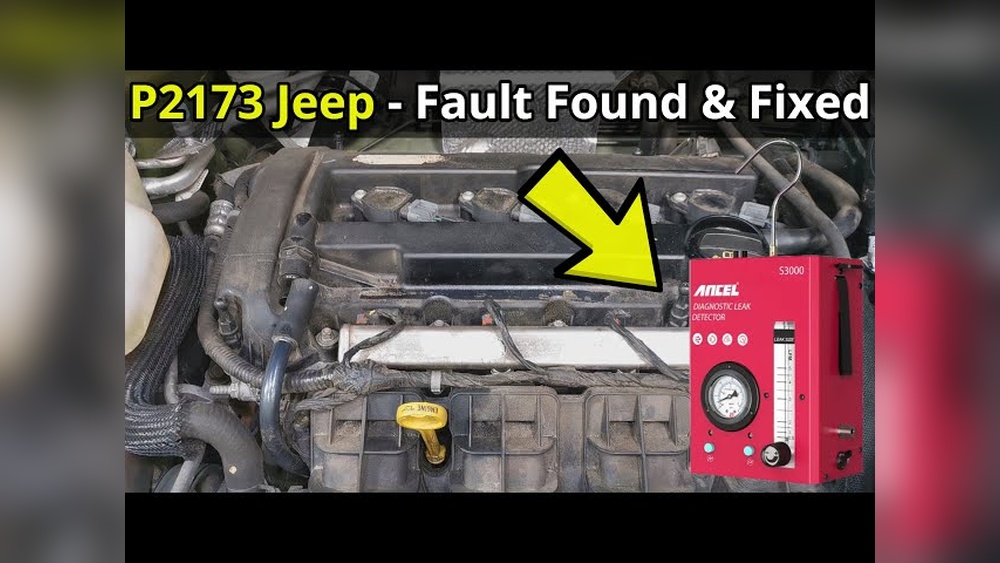
Listen for hissing or popping sounds while the engine runs. Use a smoke machine or soapy water spray to spot escaping gases.
Check welds and connections for loose or damaged parts.
Repair Techniques
Small cracks can be sealed using high-temperature exhaust tape or sealant. Replace damaged gaskets and tighten loose bolts on flanges.
For larger holes, weld patches or use exhaust repair clamps. Ensure all repaired areas are secure and airtight.
Test the exhaust system again to confirm no leaks remain.
When To Replace Parts
Replace exhaust pipes or manifolds if rust or damage is severe. Catalytic converters must be swapped if efficiency stays low after repairs.
Oxygen sensors should also be checked and replaced if faulty. Using new parts prevents recurring P0420 codes. Always choose OEM or high-quality aftermarket components.
Catalytic Converter Repairs
The catalytic converter plays a key role in reducing vehicle emissions. A P0420 code on a Jeep Patriot means this part is not working well.
Repairing the catalytic converter is important for your car’s performance and to pass emissions tests. Understanding the options for repair helps you choose the best solution.
Some repairs may restore the converter’s function, while others require full replacement. This section explains cleaning options, replacement guidelines, and the choice between aftermarket and OEM parts.
Cleaning Options
Cleaning the catalytic converter can remove blockages and improve flow. Some products claim to clean the converter by adding them to fuel.
These products may help if the converter is slightly clogged.
Professional cleaning involves removing the converter and cleaning it with special equipment. This method can restore some function but is not always effective.
Cleaning works best if the converter is not heavily damaged or broken inside.
Replacement Guidelines
Replacing the catalytic converter is often needed if cleaning does not fix the issue. Signs that replacement is necessary include rattling noises or persistent P0420 codes.
Always check for other problems first, such as exhaust leaks or faulty oxygen sensors. A new converter must meet emissions standards for your vehicle.
Follow local laws for disposal of the old converter.
Aftermarket Vs Oem
Aftermarket catalytic converters usually cost less than OEM parts. Some aftermarket models may not last as long or meet all emissions rules.
OEM converters come directly from Jeep or approved manufacturers.
Choosing OEM parts ensures compatibility and reliability. Aftermarket parts can be a good option if budget is tight, but check reviews and certifications.
Your mechanic can help decide what fits best for your Jeep Patriot.
Oxygen Sensor Solutions
The oxygen sensor plays a key role in your Jeep Patriot’s engine health. It measures the oxygen levels in the exhaust gases.
This data helps the engine control module adjust the fuel mixture. A faulty oxygen sensor can cause the P0420 code to appear.
Fixing oxygen sensor issues can restore your vehicle’s performance and fuel efficiency.
Oxygen sensor solutions involve finding the bad sensor, replacing it, and calibrating the new part. Each step is important for a proper fix. how to handle these tasks correctly.
Identifying Faulty Sensors
Start by checking the oxygen sensors with a scanner tool. This shows if a sensor sends wrong signals.
Look for unusual voltage readings or slow response times. Also, inspect the sensor for physical damage or contamination.
A sensor coated with soot or oil often fails. Pinpoint the exact sensor causing the issue before replacing it.
Sensor Replacement Steps
Disconnect the battery to avoid electrical shocks. Locate the faulty oxygen sensor on the exhaust manifold or pipe.
Use an oxygen sensor socket or wrench to remove it. Apply anti-seize compound to the new sensor threads.
Screw in the new sensor carefully without overtightening. Reconnect the battery and clear any stored error codes.
Test drive the vehicle to ensure the code does not return.
Sensor Calibration
Some Jeep Patriots require sensor calibration after replacement. This helps the engine control module recognize the new sensor.
Use an OBD-II scanner with calibration functions if available. Follow the tool’s instructions to complete the process.
Calibration ensures accurate sensor readings and proper engine adjustments. Without it, the P0420 code might come back.
Preventive Maintenance
Preventive maintenance plays a key role in keeping the P0420 code from appearing on your Jeep Patriot. This code points to issues with the catalytic converter’s efficiency.
Regular care can help avoid costly repairs and keep your vehicle running smoothly. Simple actions can protect the engine and exhaust system.
Staying ahead of problems ensures better performance and fuel economy.
Regular Inspections
Check your Jeep Patriot’s exhaust system often. Look for cracks or damage in the manifold, catalytic converter, and pipes.
Tighten any loose flanges to stop air leaks. Inspect oxygen sensors for wear or dirt.
Catching these early avoids triggering the P0420 code. Keep a routine schedule for these inspections.
Fuel Quality Tips
Use clean, high-quality fuel to protect the catalytic converter. Poor fuel can cause deposits that reduce efficiency.
Avoid filling up at unknown or low-reputation stations. Consider fuel additives occasionally to clean the fuel system.
Good fuel helps reduce harmful emissions and keeps sensors working well.
Avoiding Engine Misfires
Engine misfires harm the catalytic converter and trigger error codes. Replace spark plugs and ignition coils as recommended.
Check fuel injectors for blockages or leaks. Fix any misfire problems quickly to prevent damage.
Smooth engine operation supports the converter’s efficiency and avoids the P0420 code.
Expert Advice And Tips
Handling the P0420 code on your Jeep Patriot requires careful steps. This section offers expert advice and tips to guide you through the process.
Following these tips can save time and reduce repair costs. Understanding common errors and knowing when to get help improves your repair success.
Also, being aware of cost factors helps you plan your budget wisely.
Common Diy Mistakes
Many try to fix the P0420 code without checking all parts. Skipping the oxygen sensor test often leads to repeated issues.
Replacing the catalytic converter too soon wastes money. Ignoring exhaust leaks causes the code to return.
Using cheap or wrong parts lowers repair quality. Not clearing the code after repair hides if the fix worked.
When To Seek Professional Help
Seek a mechanic if you lack proper tools or knowledge. Complex exhaust system issues need expert diagnosis.
Persistent codes after DIY fixes signal deeper problems. Professionals can test sensors and catalytic converters accurately.
They use advanced scanners to pinpoint the exact cause. A mechanic ensures safe and reliable repairs.
Cost Considerations
Repair costs vary by part and labor rates. Oxygen sensor replacement is cheaper than catalytic converters.
Exhaust leak repairs cost less than full system replacement. Labor costs depend on shop and location.
DIY fixes save money but risk errors. Planning for both parts and labor avoids surprises.
Conclusion
The P0420 code on a Jeep Patriot signals a catalytic converter issue. It often means the converter is not working well enough.
Common causes include exhaust leaks or faulty oxygen sensors. Fixing these problems can improve your vehicle's performance and reduce emissions.
Regular checks and timely repairs keep your Jeep running smoothly. Don't ignore this code to avoid bigger issues later.
Stay alert and maintain your vehicle for safer driving.