If you’re seeing the P0300 code on your Jeep Wrangler, it means your engine is struggling with random misfires. This isn’t just a simple warning, it can affect how your Jeep runs, your fuel efficiency, and even your safety on the road.
You might notice rough idling, hesitation, or a loss of power, and wondering what’s causing these issues can be frustrating. But don’t worry understanding what triggers the P0300 code and how to fix it can get your Wrangler back to smooth performance.
Keep reading to learn what you need to check, common causes to watch for, and the steps you can take to solve the problem quickly. Your Jeep deserves the best care, and you deserve peace of mind behind the wheel.
What P0300 Means For Your Jeep
P0300 on a Jeep Wrangler means the engine has random misfires in multiple cylinders. This can cause rough running and poor fuel economy.
Checking ignition, fuel, and sensors helps find the problem.
The P0300 code signals a random or multiple cylinder misfire in your Jeep Wrangler. This means the engine control module (ECM) found that some cylinders fail to ignite the air-fuel mix correctly.
It is not limited to one cylinder but affects multiple areas.
This issue can cause your Jeep to run rough, lose power, or stall. Fuel efficiency drops and exhaust emissions may increase.
The misfire can damage the catalytic converter if ignored.
Common Causes
- Ignition System: Worn spark plugs, faulty spark plug wires, or a bad ignition coil pack.
- Fuel System: Clogged fuel injectors, weak fuel pump, or low fuel pressure.
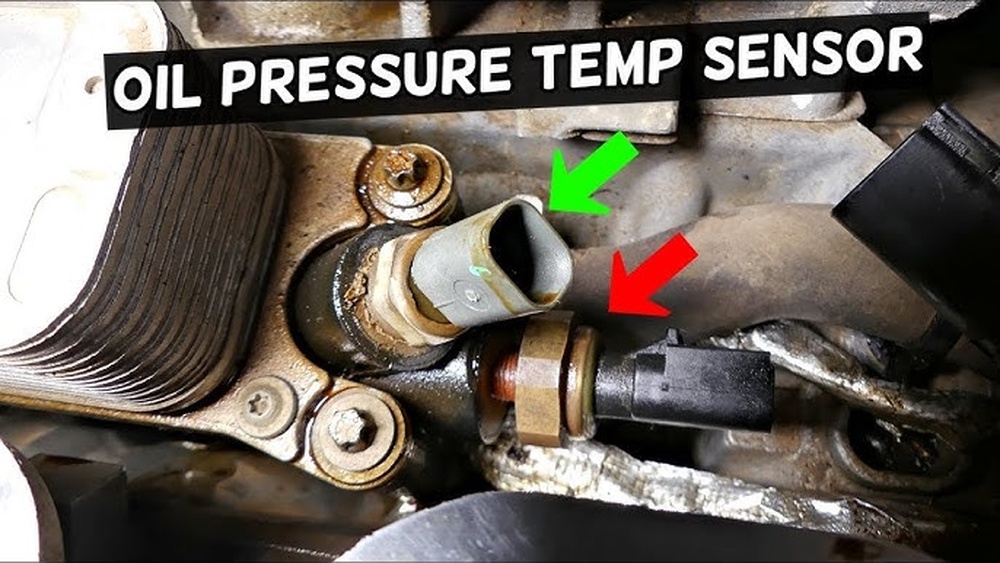
- Sensors: Defective camshaft or crankshaft position sensors that send wrong timing signals.
- Electrical: Failing Auto Shutdown (ASD) relay cutting power to ignition when hot.
- Mechanical Issues: Vacuum leaks or worn engine parts like valve springs or camshafts.
Recommended Next Steps
- Test sensors like crankshaft and camshaft position for faults or wiring problems.
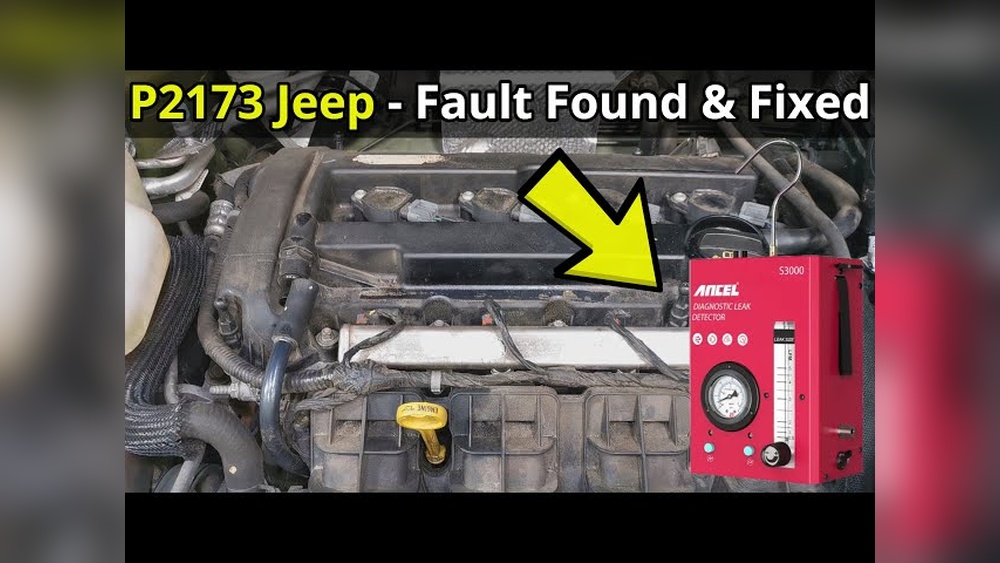
- Inspect fuel pressure and check for vacuum leaks in the intake system.
- Examine spark plugs, ignition coils, and wiring for wear or damage.
- Use a diagnostic scanner to pinpoint which cylinders misfire.
- Address any mechanical issues if found during inspection.
Common Causes Of P0300
The P0300 code in a Jeep Wrangler signals a random or multiple cylinder misfire. This means the engine control module (ECM) detects that several cylinders are not firing correctly.
Diagnosing the cause requires checking multiple systems in the vehicle. Problems may arise from ignition, fuel, sensors, electrical parts, or engine mechanics.
Understanding these common causes helps in fixing the issue quickly.
Ignition System Issues
Faulty spark plugs often cause misfires. Old or worn spark plugs fail to ignite fuel properly.
Spark plug wires can also wear out or break. A bad ignition coil pack can stop cylinders from firing.
Ignition system problems disrupt the spark needed for combustion.
Fuel System Problems
Clogged fuel injectors limit fuel flow to cylinders. A failing fuel pump may not deliver enough fuel pressure.
Low fuel pressure causes uneven fuel supply. These fuel system issues prevent proper combustion in the engine.
Sensor Failures
Faulty camshaft or crankshaft sensors send wrong timing signals. The engine relies on these sensors for ignition timing.
Bad sensor data leads to misfires and poor engine performance. Sensor failures are common causes of the P0300 code.
Electrical Component Faults
The Auto Shutdown (ASD) relay controls ignition power. A burnt-out ASD relay cuts power when the engine is warm.
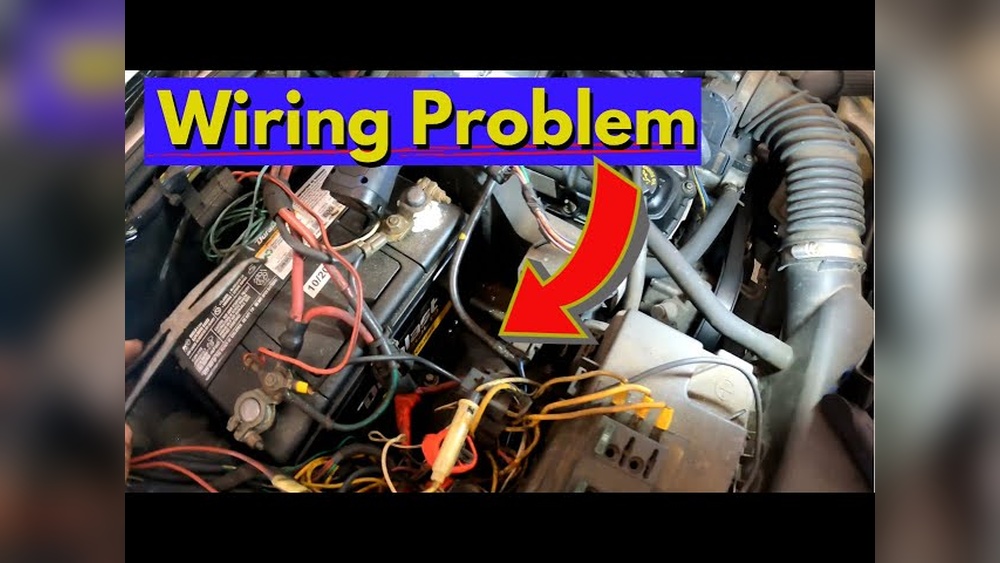
Electrical faults like this stop the ignition system from working. Wiring problems can also cause random misfires.
Mechanical Engine Concerns
Vacuum leaks cause air-fuel mixture problems and misfires. In older engines, broken valve springs or bent pushrods affect cylinder function.
Worn camshafts reduce valve timing accuracy. These mechanical issues disrupt engine combustion and cause P0300 errors.
Diagnosing The P0300 Code
The P0300 code signals a random or multiple cylinder misfire in your Jeep Wrangler. This fault can cause rough idling, poor fuel economy, and engine hesitation.
Diagnosing the P0300 code requires a step-by-step approach. You must check key components in the ignition, fuel, and vacuum systems.
Careful inspection helps find the root cause and fix the problem quickly.
Checking Sensors
Start by inspecting the crankshaft and camshaft position sensors. These sensors send timing data to the engine control module.
Dirt, damage, or loose wiring can cause wrong signals. Clean the sensors and check their connectors.
Use a scan tool to monitor sensor readings. Replace any sensor that shows abnormal output or fails tests.
Testing Fuel Pressure
Fuel pressure impacts how well the engine runs. Attach a fuel pressure gauge to the fuel rail.
Compare the reading to the Jeep’s specified range. Low pressure may mean a failing fuel pump or clogged fuel filter.
High pressure can signal a faulty pressure regulator. Addressing fuel pressure issues restores proper fuel delivery and smooth engine function.
Inspecting For Vacuum Leaks
Vacuum leaks disrupt air-fuel mixture and cause misfires. Check all vacuum hoses and intake manifold gaskets.
Look for cracks, loose connections, or broken parts. Spray carburetor cleaner or use smoke test near suspected areas.
Engine speed changes indicate leaks. Repair or replace damaged hoses and gaskets promptly.
Evaluating Ignition Components
Ignition system faults often cause random misfires. Examine spark plugs for wear, fouling, or damage.
Check spark plug wires for cracks or breaks. Test the ignition coil pack for proper function.
Replace any worn or faulty ignition parts. Proper ignition ensures strong sparks and smooth engine running.
Fixes And Repairs
The P0300 code in a Jeep Wrangler signals a random cylinder misfire. Fixing this problem requires checking several engine parts.
This guide covers effective repairs to restore smooth engine performance.
Replacing Spark Plugs And Wires
Old or damaged spark plugs cause weak or no spark. This leads to misfires and poor fuel burning.
Replace spark plugs with new ones of the correct type. Check spark plug wires for cracks or wear.
Swap out faulty wires to ensure strong spark delivery.
Cleaning Or Replacing Fuel Injectors
Dirty fuel injectors block fuel flow and affect spray patterns. This causes uneven fuel delivery to cylinders.
Use a fuel injector cleaner to clear deposits. If cleaning fails, replace the injectors to restore proper fuel spray.
Fixing Sensor And Relay Issues
Faulty sensors like camshaft or crankshaft position sensors send wrong signals. This confuses the engine control unit and triggers misfires.
Test sensors for damage and correct operation. Replace defective sensors promptly.
Also, inspect the Auto Shutdown (ASD) relay. A bad relay can cut power to the ignition system.
Swap it out if needed to maintain ignition power.
Addressing Mechanical Engine Problems
Vacuum leaks cause air to enter the engine unmeasured, disturbing the fuel mix. Check hoses and gaskets for leaks and seal them.
High-mileage engines may have worn valve springs or camshafts. Inspect engine parts for damage and replace broken components.
Proper mechanical function is key to stopping random misfires.
Preventing Future Misfires
Preventing future misfires in your Jeep Wrangler is key to keeping the engine running smoothly. Misfires can cause poor performance and reduce fuel efficiency.
Taking simple steps can help avoid these issues and extend your vehicle’s life.
Regular Maintenance Tips
Check and replace spark plugs regularly. Worn spark plugs often cause misfires.
Inspect ignition wires and coils for damage. Keep fuel injectors clean to ensure proper fuel flow.
Change the air filter often to maintain good air intake. Regular oil changes keep engine parts working well.
Follow the manufacturer’s maintenance schedule for best results.
Using Quality Replacement Parts
Always use parts made for your Jeep Wrangler. Cheap parts may fail quickly and cause misfires.
Choose OEM or high-quality aftermarket spark plugs and coils. Quality fuel filters help keep contaminants out of the system.
Reliable sensors provide accurate data to the engine control module. Investing in good parts saves money on repairs later.
Monitoring Engine Performance
Pay attention to how your engine runs. Rough idling or hesitation can signal misfires.
Use an OBD-II scanner to check for trouble codes. Address codes like P0300 promptly to avoid damage.
Listen for unusual noises that may indicate engine problems. Regular checks help catch issues early and prevent bigger repairs.
Expert Tips For Jeep Owners
Dealing with a P0300 code on your Jeep Wrangler can be tricky. This code means the engine has random misfires in multiple cylinders.
Fixing it requires careful inspection and the right approach. Here are expert tips every Jeep owner should know to handle this issue effectively.
When To Seek Professional Help
Some engine problems need expert attention. If the misfire continues after basic checks, visit a mechanic.
Complex issues like wiring faults or internal engine damage require special tools. Trust professionals to diagnose and fix these problems safely. Early help can prevent bigger repairs later.
Choosing The Right Parts
Using quality parts matters for Jeep repairs. Always pick parts made for your Wrangler model.
Avoid cheap or generic components that may fail quickly. Genuine or OEM parts ensure proper fit and performance.
This helps your engine run smoothly and lasts longer.
Avoiding Common Repair Mistakes
Many Jeep owners try to fix P0300 on their own but miss key details. Do not skip cleaning or inspecting connectors.
Avoid replacing only one part without testing others. Check all ignition and fuel components together.
Following a step-by-step process reduces errors and saves time.

How Do I Fix P0300 Random Misfire?
Check and replace worn spark plugs, faulty ignition coils, or bad fuel injectors. Inspect sensors, test fuel pressure, and look for vacuum leaks to fix P0300 random misfire.
What Sensors Can Cause A P0300 Code?
A P0300 code can be caused by faulty crankshaft or camshaft position sensors sending incorrect timing signals.
What Is The Most Common Cause Of Cylinder 3 Misfire?
The most common cause of cylinder 3 misfire is a faulty spark plug or ignition coil. Worn plugs or coils disrupt ignition.
How Much Does It Cost To Fix A P300 Code?
Fixing a P300 code costs between $150 and $600, depending on the cause and parts needed. Labor fees may vary.
Conclusion
The P0300 code signals a random misfire in your Jeep Wrangler’s engine. It can stem from various issues like ignition, fuel, or sensor problems.
Checking these parts early helps prevent bigger troubles. Regular maintenance keeps your Wrangler running smoothly.
Stay alert for warning signs and act quickly.
Proper care protects your engine and ensures safe driving.